A kitchen remodel, a new electric vehicle, or an outlet that suddenly stops working can reveal something important about a home's electrical system: yesterday's wiring plan may not fit today's needs. In Lake Lorraine, coastal moisture and storm exposure add another reason to look beyond whether the lights turn on.
Electrical inspections and code updates help homeowners separate urgent hazards from maintenance needs and future improvements. A Superior Mechanical helps homeowners plan electrical inspections and code updates in Lake Lorraine, FL around the condition of their panels, wiring, devices, and connected equipment.
Coastal conditions make electrical planning a local issue
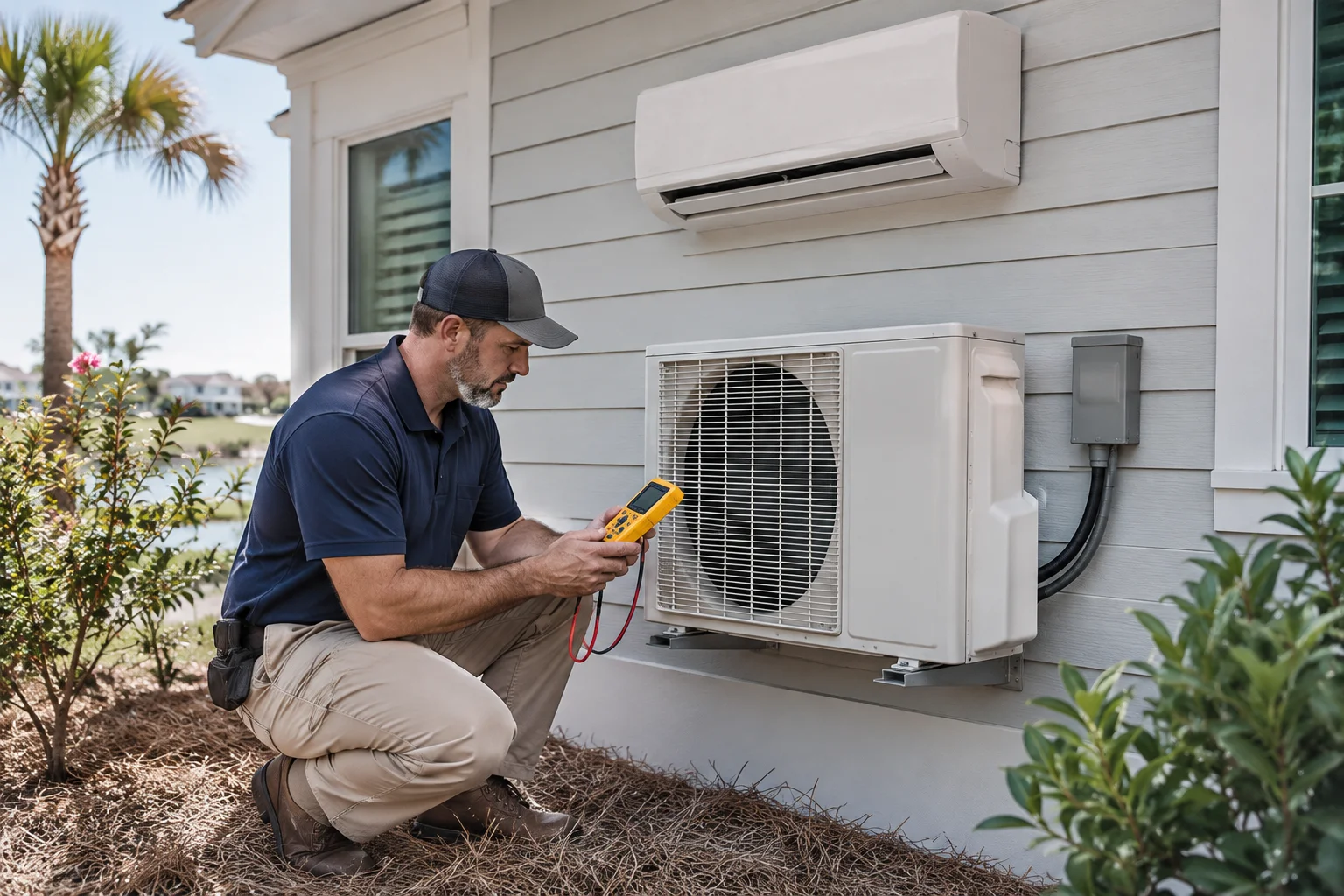
Lake Lorraine homes experience humid summers, wind-driven rain, and storms that can interrupt utility service. Salt exposure can contribute to corrosion, especially at outdoor equipment and exposed connections. A weatherproof cover that no longer closes properly or a damaged enclosure seal can allow moisture into places intended to stay dry.
Older homes may have electrical systems altered through several renovations. Newer homes can face different challenges when owners add EV chargers, outdoor kitchens, or backup generators after construction. Neither age nor appearance alone establishes electrical safety.
Working with an electrical contractor familiar with Lake Lorraine homes and service needs helps connect the inspection to actual conditions. That includes outdoor equipment exposure, past storm damage, renovation history, and the permitting authority responsible for the property.
An inspection should explain both condition and capacity
Homeowners searching for an electrical inspection near me often want reassurance before buying a house or starting a project. A useful inspection should also explain what was accessible, what was tested, and where additional investigation is needed.
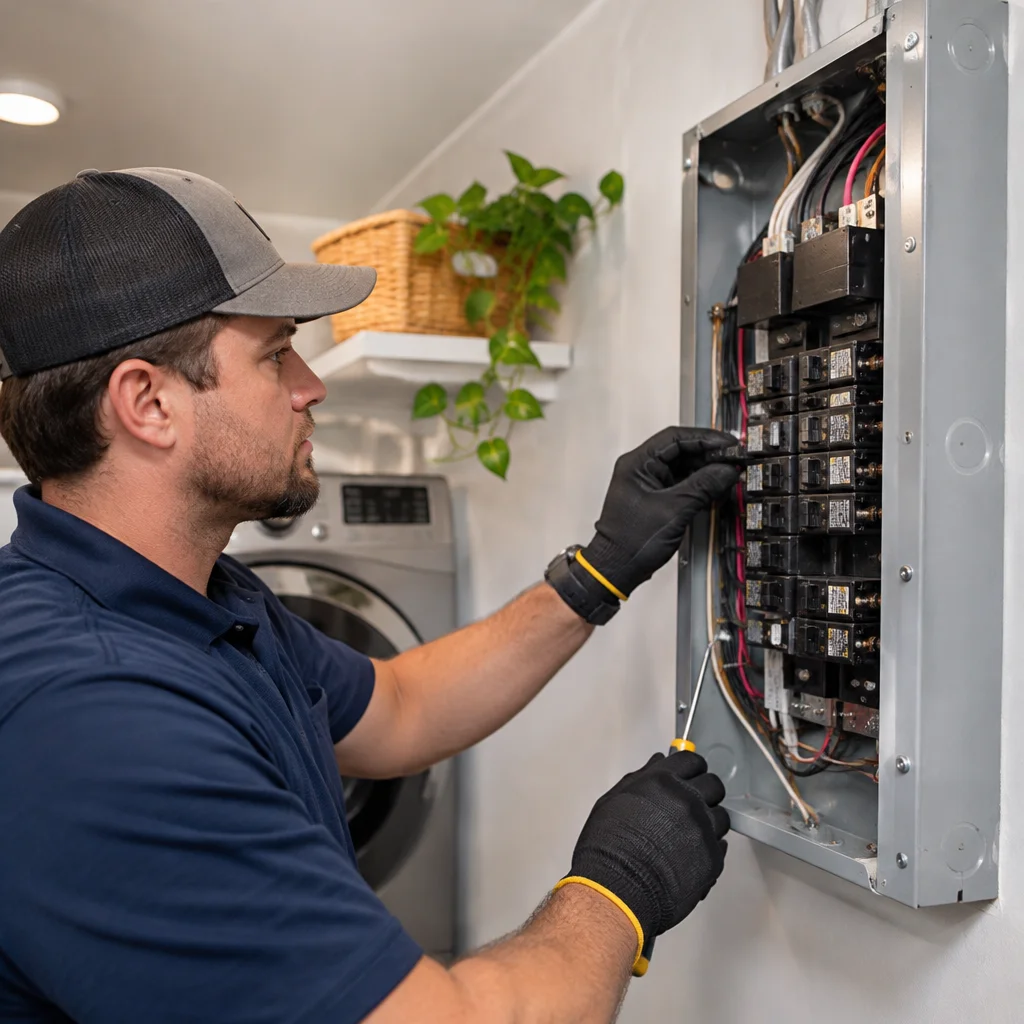
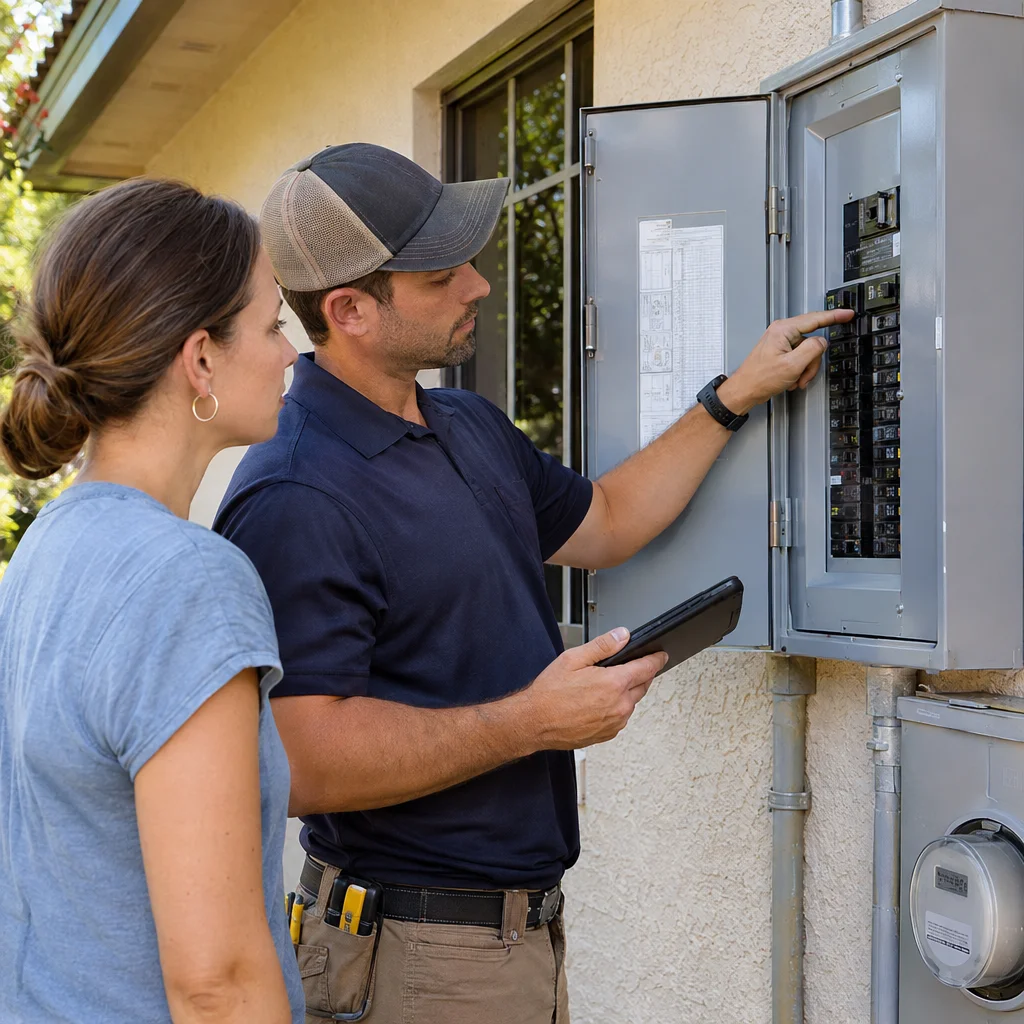
An electrician may evaluate the service equipment, panel condition, breaker compatibility, visible wiring, grounding and bonding, receptacle protection, and accessible connections. Depending on the agreed scope, testing can help identify improper polarity, missing equipment grounds, or protective devices that do not operate correctly.
No visual inspection can establish the condition of every wire concealed inside walls. Ask for findings that distinguish immediate safety concerns, needed code corrections, and optional improvements. Photos, clear descriptions, and a prioritized repair plan make the results easier to use than a general recommendation to replace everything.
Panels and breakers deserve more than a quick glance
Empty breaker spaces do not prove available capacity
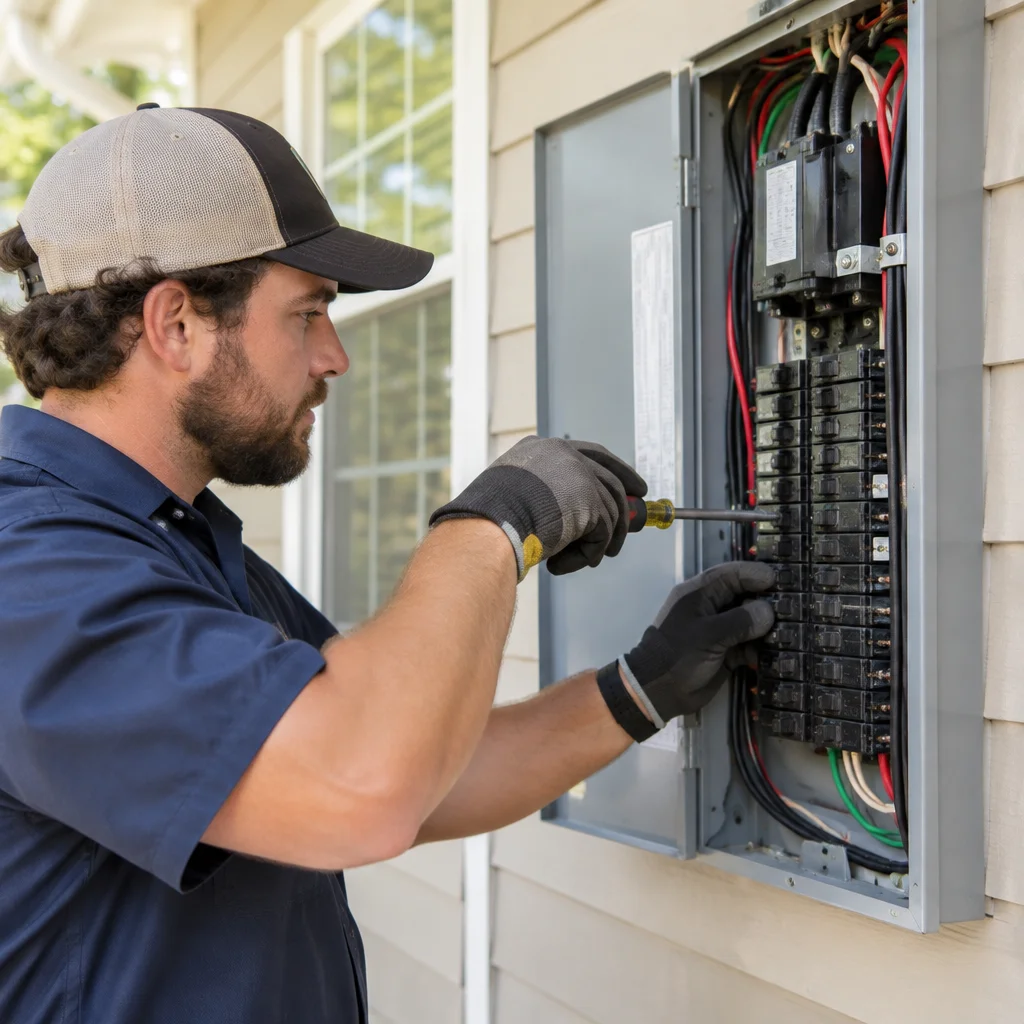
A panel may have open spaces while the electrical service is already close to its calculated capacity. Conversely, a full panel does not automatically mean the home needs a larger service. A load calculation considers the home's equipment and applicable demand factors before recommending additional circuits, load management, or a service upgrade.
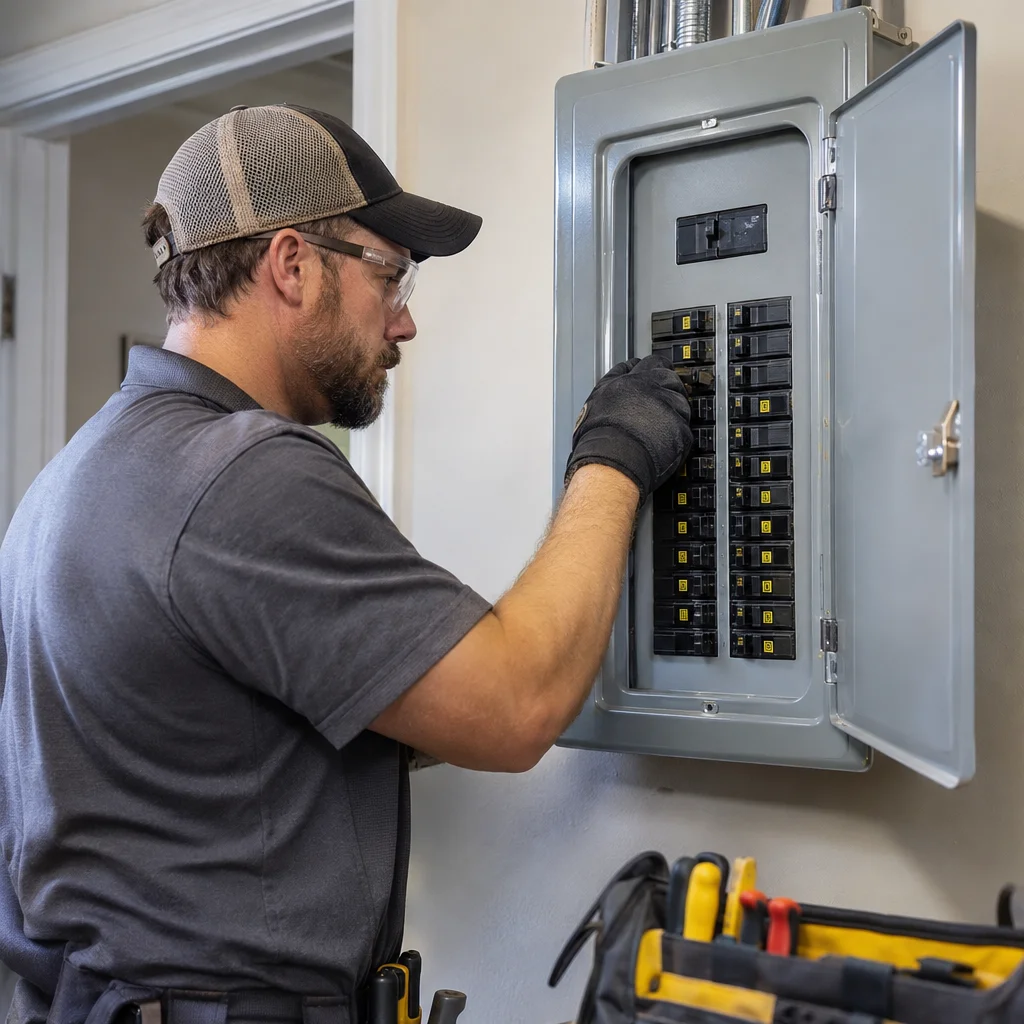
Inspection findings should also address corrosion, heat damage, enclosure condition, labeling, and whether breakers are approved for that panel. Connections with multiple conductors must be specifically rated for that arrangement.
Repeated trips need a diagnosis
A tripping breaker may be responding correctly to an overloaded circuit, a short circuit, or a ground fault. Breaker repair should begin with finding the cause, not installing a higher-rated breaker on existing wiring. Damaged breakers generally require compatible replacement rather than an internal repair.
For a larger project, smarter electrical panel planning in Lake Lorraine explains considerations beyond breaker count. Smart panel installation and upgrades may offer monitoring or load management, but technology does not correct damaged wiring or inadequate connections.
Wiring repairs should follow the evidence
Loose terminations, damaged insulation, exposed splices, and unsuitable wiring methods can create trouble even when a circuit still operates. Remodels sometimes uncover junction boxes buried behind finishes or extensions added without a clear circuit plan. Accessible splices belong in appropriate enclosures with covers.
Some older properties may contain aluminum branch-circuit wiring. That calls for an informed evaluation, not an assumption that every aluminum conductor is unsafe. Aluminum service conductors are common; older aluminum branch circuits require particular attention to connection methods and compatible devices.
Homeowners searching for old wiring replacement near me should ask whether the issue is localized or widespread. Depending on the findings, the solution may involve a properly approved connection repair, a new circuit, or broader electrical replacement. Replacing a receptacle without addressing deteriorated wiring behind it can leave the underlying hazard unchanged.
Outlets, switches, and protective devices tell a story
A loose plug fit, cracked receptacle, discolored faceplate, or switch that feels unusually hot deserves attention. These symptoms can indicate worn contacts, loose wiring, or equipment operating beyond its rating. Outlet repair should include evaluating the box and conductors, not just changing the visible device.
GFCI protection reduces shock risk by detecting certain current imbalances. It is required in many locations where moisture or grounding conditions increase risk, including bathrooms, garages, outdoor areas, and various kitchen locations. The applicable requirements depend on the adopted code and project scope.
AFCI protection addresses certain arcing hazards and may be required for affected residential circuits. GFCI and AFCI devices serve different purposes. Likewise, installing a three-slot outlet does not create an equipment ground. An electrician can evaluate lawful options for older ungrounded circuits, including required protection and labeling. Planned device upgrades should address protection and compatibility along with convenience.
Code updates depend on the work being performed
An older home does not necessarily need every electrical component replaced whenever code requirements change. Existing conditions, documented hazards, alterations, and local enforcement requirements all affect what must be corrected. A remodel or addition may trigger requirements that did not apply when the original wiring was installed.
If you are looking for a code correction electrician near me after receiving an inspection report, share the actual report before requesting an estimate. The electrician needs to know whether the findings came from a home inspection, insurance review, or permitting authority.
A contractor's electrical assessment is not the same as approval from the authority having jurisdiction. Confirm which permits and inspections apply before work begins. Across Okaloosa County, requirements should be verified for the specific property rather than assumed from a neighboring job.
Remodels are the right time to map new demand
Before cabinets or drywall close off access, identify the equipment each room will serve. Kitchen appliances, laundry equipment, workshop tools, and other substantial loads may need dedicated circuits. Additions require a coordinated plan for capacity, receptacle placement, lighting, and circuit protection.
Lighting installation also involves more than selecting fixtures. Recessed fixtures must suit their installation environment, and LED dimmers need compatible lamps or drivers. Bathroom and outdoor lighting require equipment rated for the actual location.
Ceiling fans need boxes and supports rated for fan use, not merely a standard light-fixture box. Inspection planning can also identify smoke detector installation needs, including placement, power supply, and interconnection requirements applicable to the project. Addressing these details before finishes are complete helps avoid reopening newly finished surfaces.
EV chargers and generators need an integrated plan
Match charging speed to the electrical system
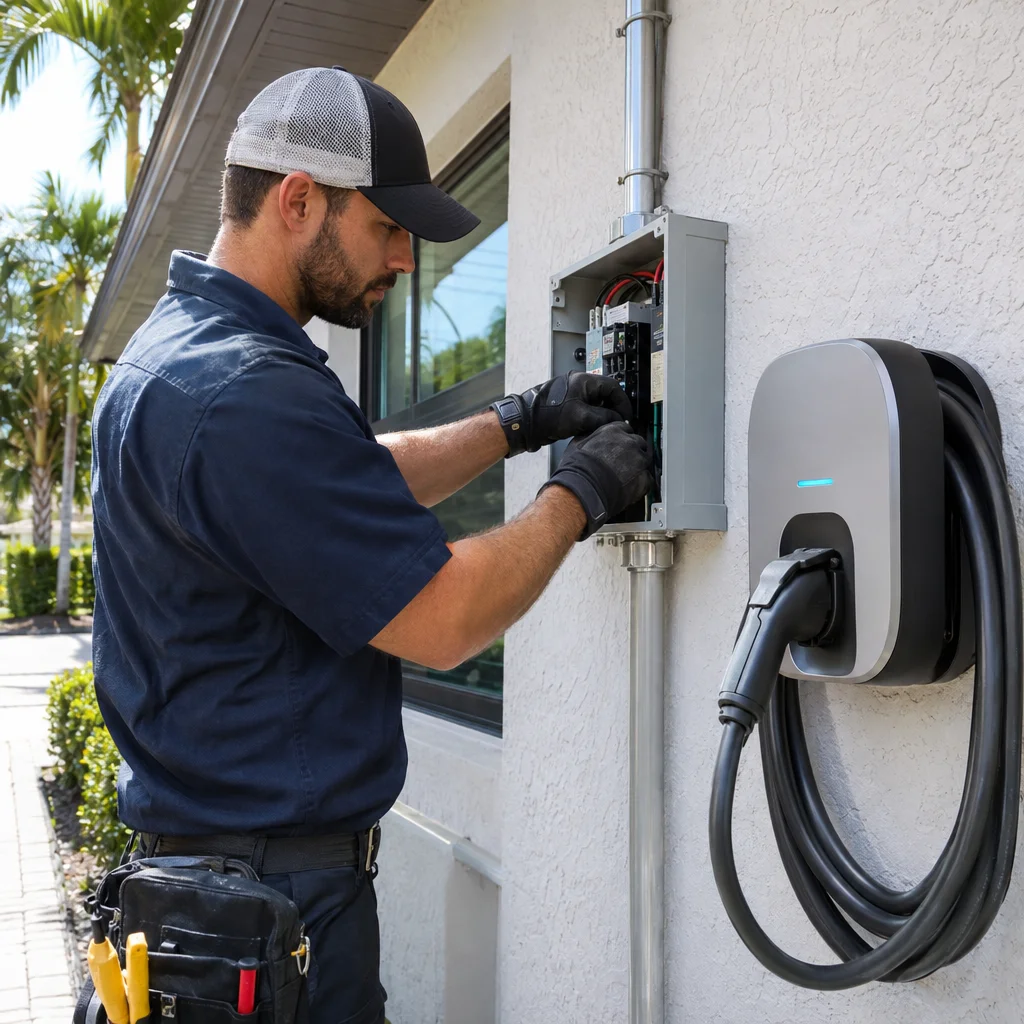
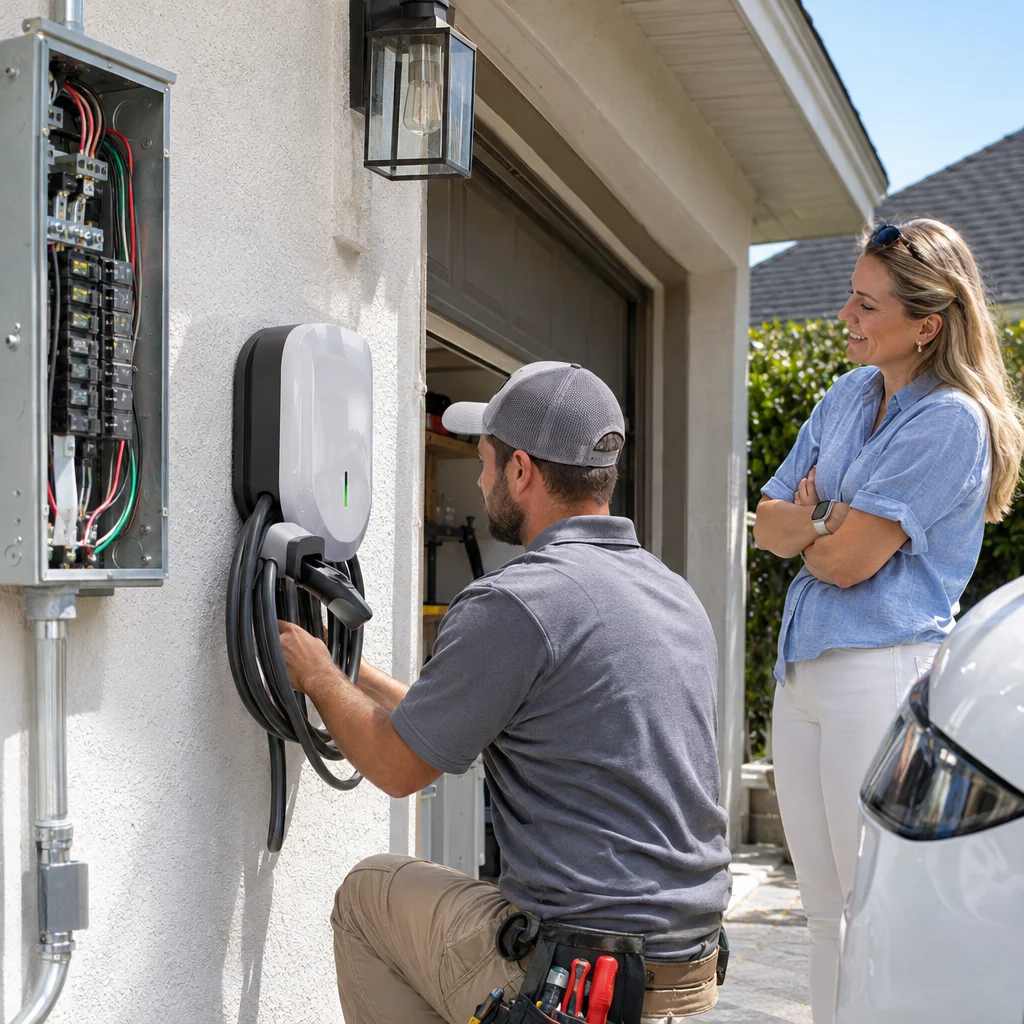
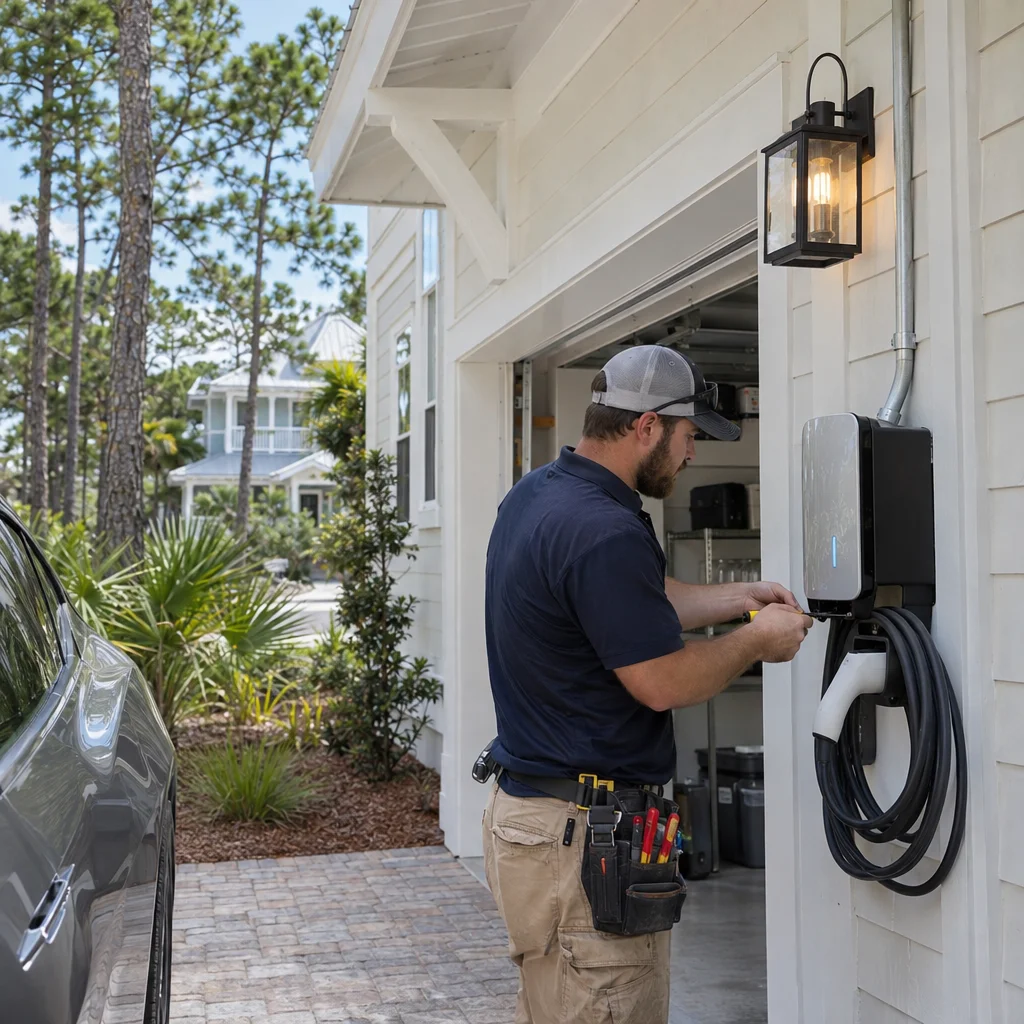
A Level 2 EV charger can represent a substantial sustained load. Charger output, conductor sizing, overcurrent protection, installation instructions, and applicable GFCI requirements need to work together. A garage receptacle that looks suitable may not have the circuit capacity or condition needed for vehicle charging.
An electrician should calculate the load and discuss charging habits before recommending a service upgrade. In some homes, an approved energy management approach can support charging without increasing service capacity.
Keep backup power isolated from utility lines
Generator installation requires a safe method of transferring selected loads or the home's supply. Approved transfer equipment prevents generator power from backfeeding utility lines. Never connect a portable generator through a household receptacle.
Standby systems also require coordination of electrical loads, equipment placement, fuel supply, permits, and manufacturer instructions. Portable generators must operate outdoors, at least 20 feet from doors, windows, and vents, with exhaust directed away from the home. A garage is not a safe operating location, even with its door open.
Surge protection works alongside grounding and bonding
Storm-related disturbances and other electrical events can damage connected equipment. A properly selected and installed whole-home surge protective device can reduce exposure, while point-of-use protection may provide an additional layer for sensitive electronics. No surge protector guarantees protection from every event or a direct lightning strike.
Grounding and bonding should be evaluated separately as essential parts of electrical safety. Grounding connects the system to earth; bonding connects conductive parts to help establish an effective fault-current path. One does not substitute for the other.
Ask the electrician to check accessible grounding and bonding components during the inspection. Coastal corrosion, physical damage, or previous construction can affect these connections. Surge protection is most useful as part of a coordinated system, not as a substitute for correcting loose connections or deteriorated equipment.
Recognize the concerns that cannot wait
Smoke, active sparking, electrical shock, a strong burning odor, or a hot panel are urgent concerns. If there is smoke or fire, leave the building and call 911. Do not use water on energized electrical equipment or approach a panel that is wet, smoking, or visibly damaged.
If you notice an electrical burning smell without visible fire, stop using the affected equipment and seek urgent professional guidance. Do not remove covers to investigate. Homeowners searching for electrical repair near me should describe heat, odors, shocks, or storm exposure immediately so the concern can be assessed appropriately.
Sudden brightening and dimming across several rooms can indicate a serious supply or neutral problem requiring prompt utility and electrician attention. After flooding, do not reenergize affected equipment until it has been evaluated. A utility outage and an internal electrical failure require different responses; avoid repeatedly resetting breakers to investigate.
Turn inspection findings into practical prevention
Keep the area around the panel accessible, maintain a readable circuit directory, and test GFCI devices and smoke alarms according to their manufacturers' instructions. Look for damaged outdoor covers from a safe position and report visible corrosion or water entry. Leave panel interiors and electrical connection maintenance to a qualified electrician.
Schedule an evaluation after significant water intrusion, suspected electrical damage, or a major change in household demand. There is no single inspection interval appropriate for every home. Age, condition, exposure, and previous repair history should guide a maintenance plan.
For larger corrections, separate immediate safety work from improvements that can be scheduled later. Homeowners can review electrical financing information while confirming current terms and eligibility. To discuss an inspection with A Superior Mechanical, request an appointment and share your concerns, renovation plans, and any prior inspection reports. Those details help shape a useful assessment and a clearer repair plan.
Find Electrical Inspections and Code Updates in Lake Lorraine, FL
If you need Electrical Inspections and Code Updates in Lake Lorraine, FL, visit our local service page or contact A Superior Mechanical today.
Map of Lake Lorraine, FL
Frequently Asked Questions
Does an older Lake Lorraine home need to meet every current electrical code requirement?
Not automatically. Existing installations, safety hazards, renovation scope, and requirements from the authority having jurisdiction determine which corrections are necessary. Additions, circuit alterations, or equipment replacements may trigger updated requirements for the affected work.
Can an electrical inspection determine whether I need a panel upgrade for an EV charger?
An inspection can identify panel condition and installation concerns, while a load calculation evaluates available capacity. The electrician should also consider charger output, wiring requirements, and approved load management options. An EV charger does not automatically require a larger electrical service.
How should I prepare for an electrical inspection?
Provide safe access to the panel and areas included in the inspection. Gather previous reports, permit records if available, and a list of problems such as tripping breakers, flickering lights, or nonworking outlets. Mention planned additions, appliances, generators, or EV chargers. Do not remove electrical covers or attempt repairs before the appointment.
Related Articles
Photo Gallery