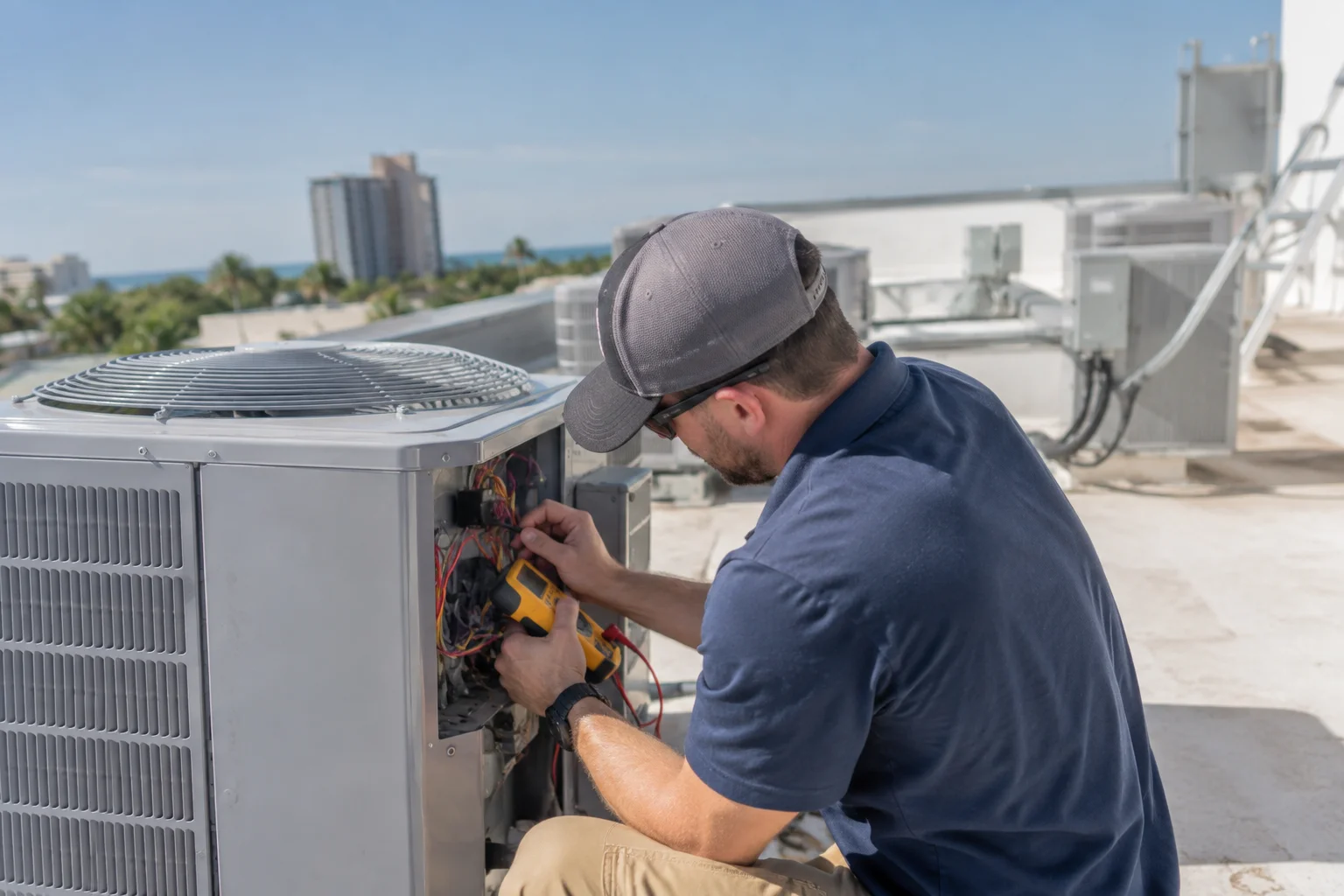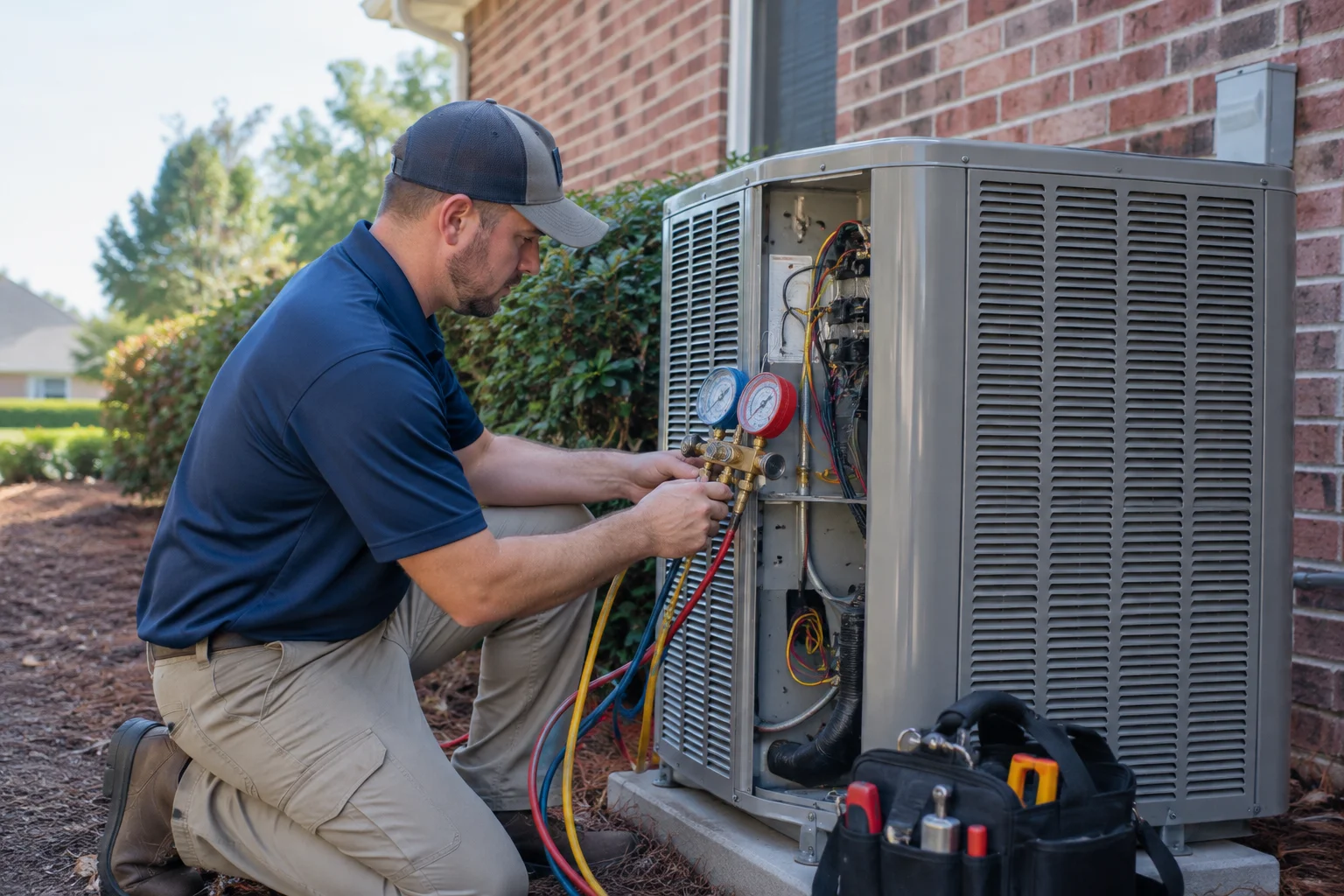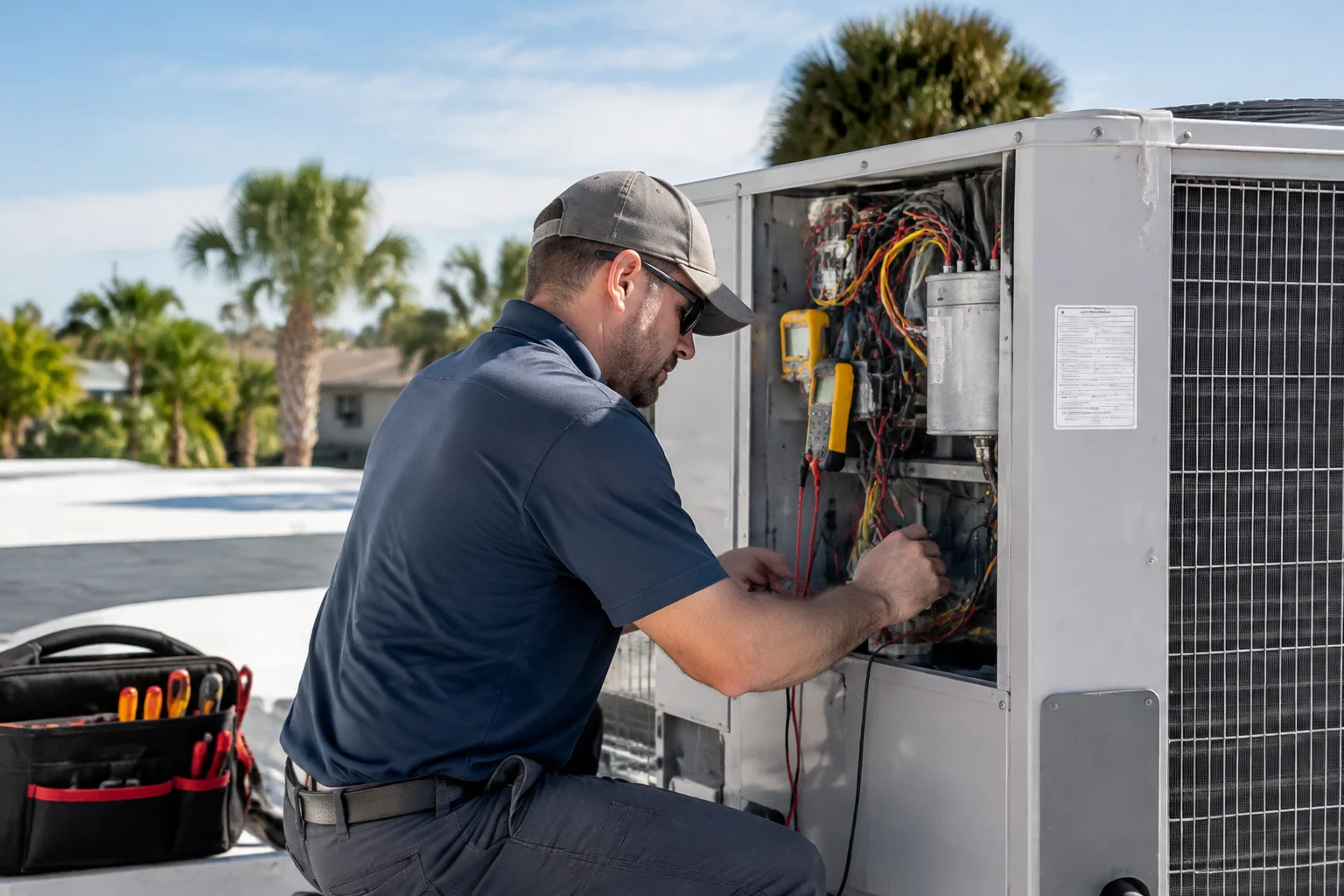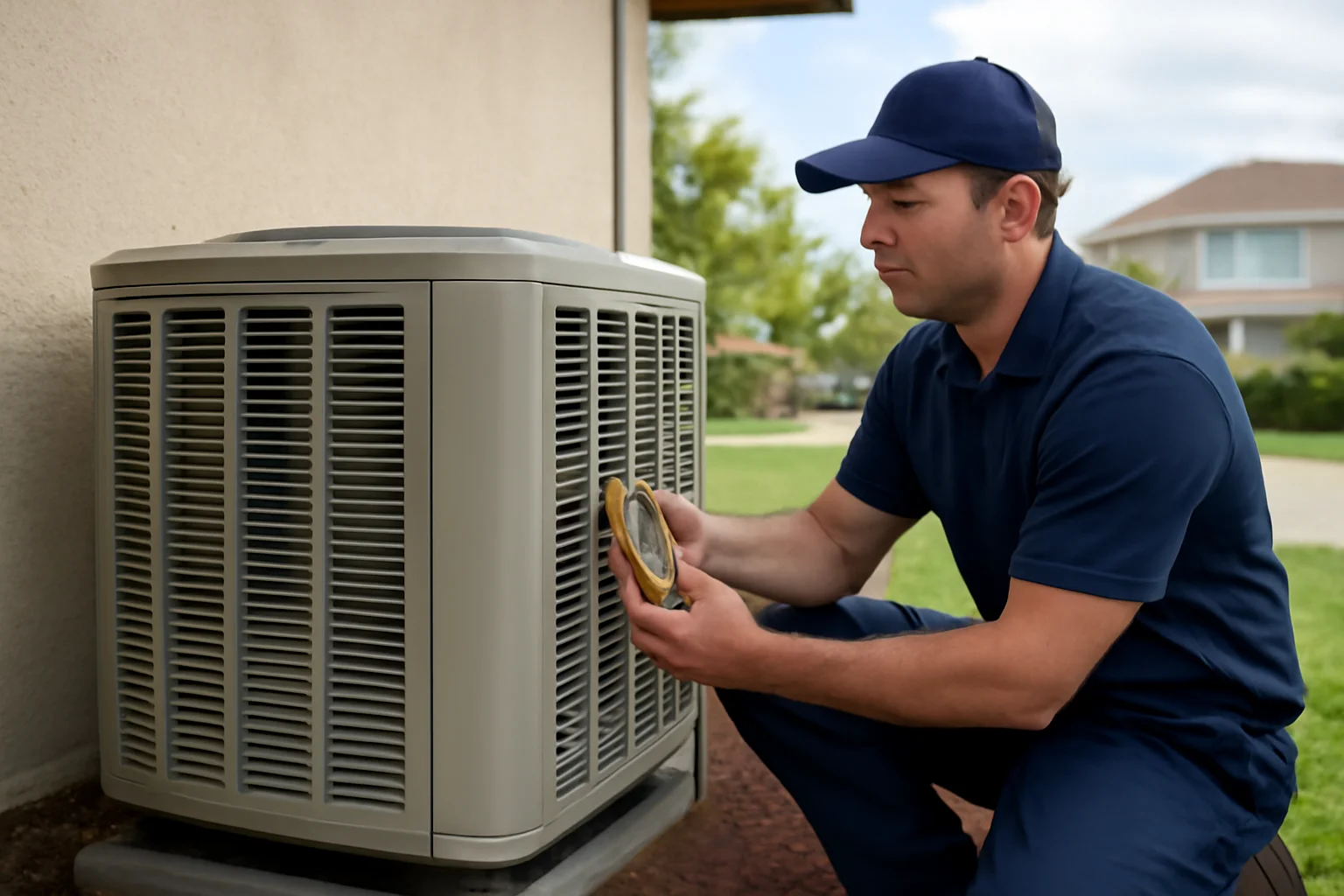
Bluewater Bay homes feel the Gulf Coast weather every day. Heat pump systems work hard through hot, humid summers, mild winters, and coastal salt air that can wear down outdoor equipment. When homeowners plan ahead, they can reduce the chances of sudden comfort failures, improve indoor air quality, and avoid emergency cooling problems when the heat ramps up.
This guide focuses on heat pump services and practical maintenance planning for Bluewater Bay, FL. You will see what commonly goes wrong, how to reduce risk, and when to involve a professional HVAC team for heat pump service, AC repair, air conditioning service, and preventive HVAC maintenance.
Why Bluewater Bay heat pumps need more than a basic AC tune up
Heat pumps are designed to move heat instead of generating it from scratch. In cooling mode, they remove heat from inside your home and dump it outside. In heating mode, they reverse the process. That means your system relies on several linked parts to keep comfort steady: the outdoor unit, indoor air handler, refrigerant system, thermostats, condensate drainage, and ductwork that delivers airflow.
On the Emerald Coast, the workload is extra. Humidity affects comfort and indoor air quality. Salt air can accelerate corrosion on outdoor components. And if airflow through ducts or the indoor unit is restricted, the system may struggle to manage temperature and humidity, leading to higher energy use and more frequent repairs.
For homeowners searching for heat pump services in Bluewater Bay, FL, the goal is not just fixing problems when they happen. It is building a maintenance plan that protects the system before small issues turn into larger comfort failures.
Common comfort problems that start with HVAC airflow and humidity
Many heat pump complaints are really airflow or moisture management issues. When the system cannot move air effectively, it often cannot control humidity the way it should. That can feel like “the AC is running but the house is still muggy,” or “the heat pump can’t keep up.”
1) Uneven cooling or hot spots
If some rooms feel warmer while others cool normally, the cause is often ductwork related, not the thermostat. Leaks, poor duct sealing, clogged returns, or imbalanced airflow can force the heat pump to work longer to reach setpoint. Over time, that extra runtime increases wear on the system.
For help thinking through ductwork effects, read Why Ductwork Problems Hit Bluewater Bay Homes Harder Than You Think.
2) Humidity that lingers even when temperatures look okay
In Bluewater Bay summers, humidity is part of daily life. Heat pumps should remove moisture during cooling, but condensate drainage and coil performance matter. If condensate drainage is restricted, you may notice water around the indoor unit, a musty odor, or persistent dampness. That can also affect indoor air quality, encouraging mildew growth and reducing comfort.
3) Short cycling or frequent on off cycles
Short cycling can happen when the system reaches target temperature too quickly or when airflow is restricted. It can also be related to thermostat settings or how the indoor unit is operating. Frequent cycling increases energy use and can raise the likelihood of component wear.
4) “It runs, but it does not feel strong” airflow
Weak airflow from vents can be caused by dirty filters, blocked returns, blower issues, or duct restrictions. Homeowners often mistake this for an AC repair need, but the fix may start with airflow and indoor performance checks.
If you are troubleshooting, it helps to remember that heat pumps are part comfort system and part indoor air system. Airflow problems can also raise dust and allergen levels, which is why indoor air quality services may be part of the solution.
How salt air and coastal exposure affect heat pump reliability
Outdoor units in coastal areas face more corrosion stress than units inland. Salt air can lead to buildup on coil surfaces, hardware corrosion, and deterioration over time. That can reduce heat transfer efficiency, which forces the system to run longer to achieve comfort.
Coastal exposure can also affect how the outdoor unit clears debris. If leaves, grass clippings, or sandlike buildup collect around the unit, airflow can be restricted. Restricted airflow can cause overheating of components and contribute to refrigerant system stress.
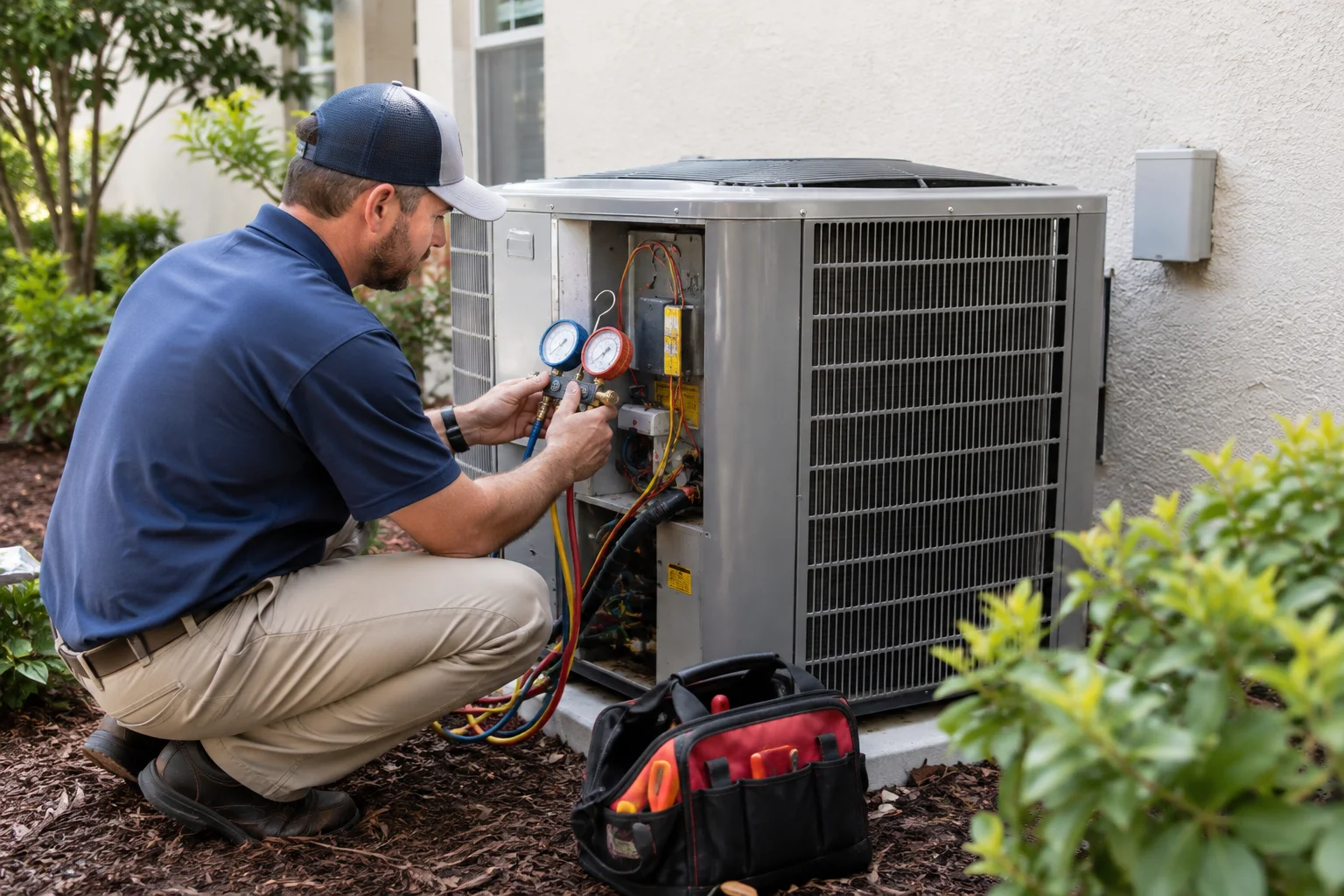
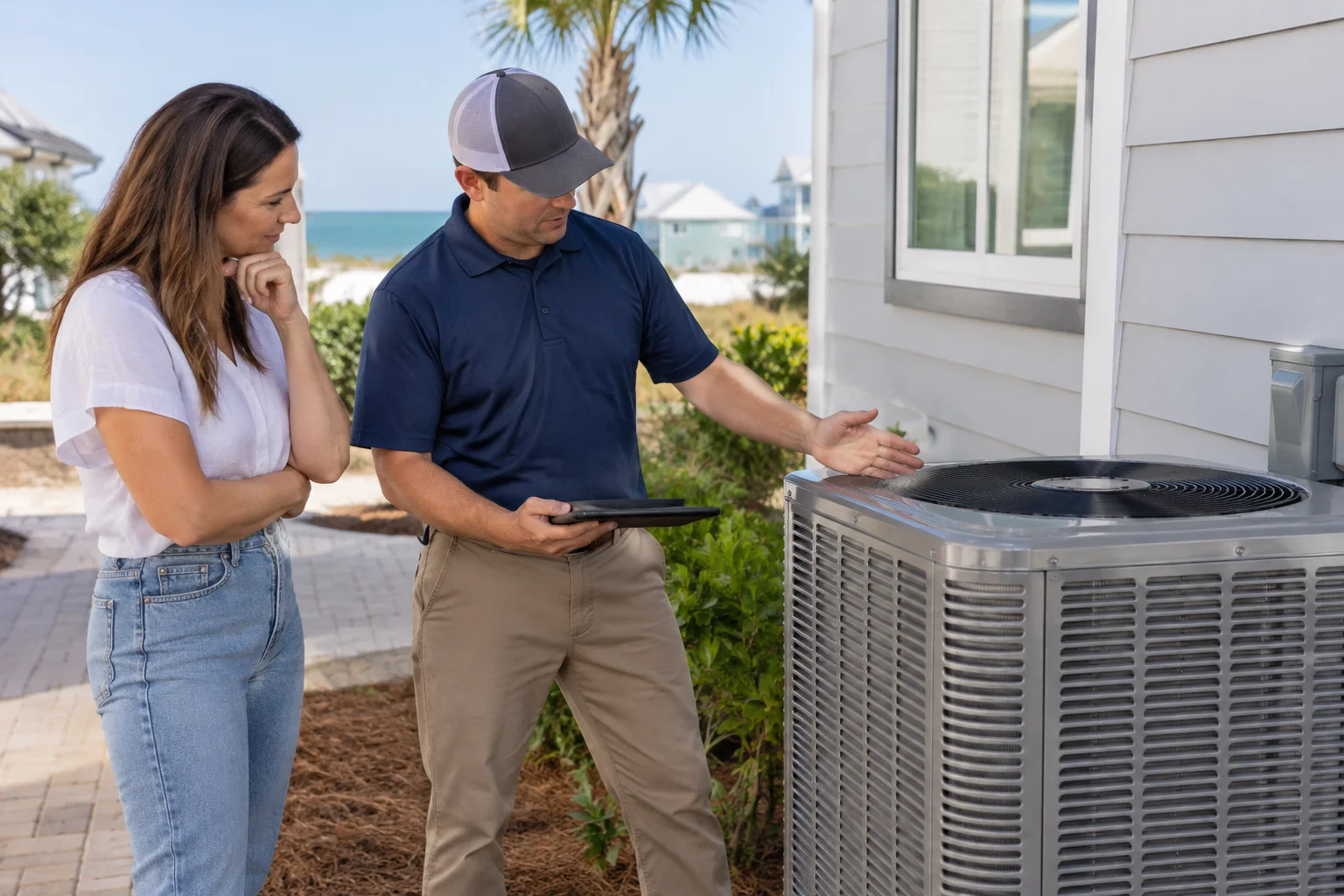
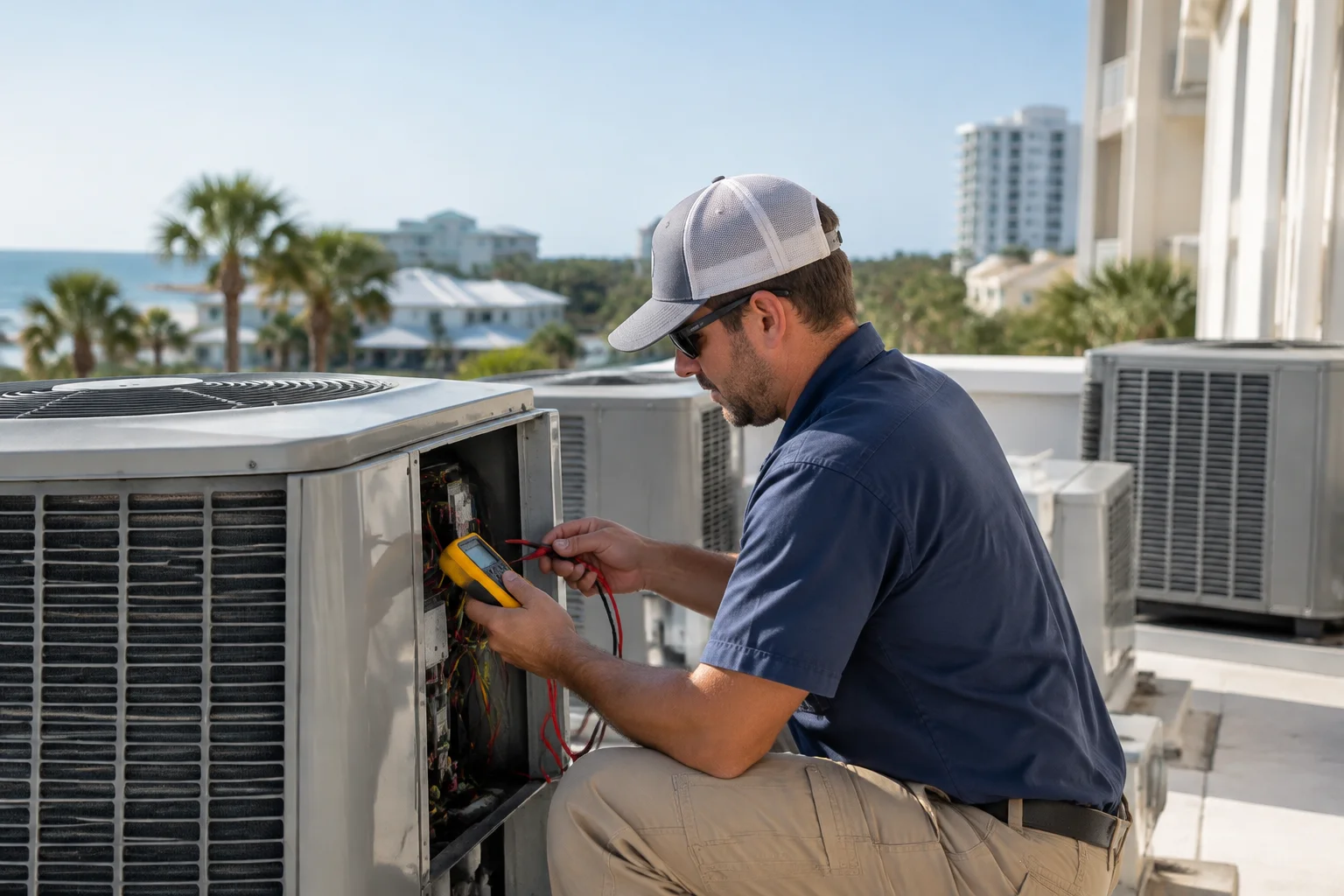
Professional heat pump maintenance near you is where these risks get checked systematically. A technician will inspect outdoor airflow pathways, look for corrosion patterns, verify that the unit is positioned for proper clearance, and assess whether the system is performing as expected.
Refrigerant systems and why “DIY refrigerant fixes” are risky
Heat pumps depend on the refrigerant system to move heat. When problems occur, they may involve refrigerant levels, refrigerant flow, or related system conditions. However, it is not appropriate to diagnose refrigerant issues without in-person evaluation. Refrigerant systems require proper testing, safe handling practices, and accurate interpretation of readings.
Homeowners can still protect their system by paying attention to performance changes and avoiding actions that can worsen the situation. If your heat pump has reduced cooling capacity, unusual noises, or frequent shutdowns, schedule a professional inspection. A qualified technician can evaluate the system using proper tools and procedures.
For households that are also planning for larger upgrades, it is smart to understand how air conditioning installation decisions can affect long term comfort, airflow, and energy use.
Condensate drainage: a small part of the system that can cause big problems
During cooling, your heat pump’s indoor coil removes moisture from the air. That moisture must drain properly through the condensate drainage system. In humid climates, even a minor blockage can create problems.
When condensate drainage is not working well, you may see:
- Water overflow or dampness near the indoor air handler
- Musty odors that suggest moisture buildup
- Reduced cooling comfort because the indoor coil may not operate as efficiently
- Increased risk of indoor air quality problems
Professional maintenance typically includes checking drainage pathways and ensuring the system can remove moisture reliably. That is one reason homeowners often benefit from preventive HVAC maintenance rather than waiting for visible water damage.
Thermostats, controls, and settings that affect comfort and energy use
Thermostats are the control center for your heat pump. Even when the equipment is healthy, poor settings can create comfort complaints. In a humid climate, the difference between “feels cold” and “feels comfortable” can come down to how the thermostat manages run time, fan operation, and temperature setpoints.
Consider these common issues:
- Frequent manual adjustments that cause the system to chase temperature instead of maintaining steady comfort
- Fan settings that do not match your comfort needs during high humidity
- Programming schedules that do not reflect how your home is actually used
If you are updating controls, look for support with heat pump service that includes thermostat installation and system checks. Homeowners searching for thermostat installation near me often want better control, fewer surprises, and more consistent comfort across rooms.
Ductwork and indoor air quality: the comfort pathway
Heat pumps rely on ductwork to deliver conditioned air. If ducts are leaky, poorly insulated, or blocked, the system may run longer and still fail to deliver the comfort you expect. Duct issues also influence indoor air quality by affecting how much dust, allergens, and humidity the system circulates.
If you are considering duct cleaning near me or duct inspection near me, it is useful to start with an inspection of airflow and duct conditions. Not every dust problem is solved by cleaning alone. A technician can help identify whether airflow restrictions, filter issues, or duct leaks are the real drivers.
For homeowners planning air quality improvements, whole home dehumidifiers can be a helpful companion in high humidity areas. Explore Whole Home Dehumidifiers if humidity control is your main comfort challenge.
Building a smarter repair plan for heat pump maintenance in Bluewater Bay
Preventive HVAC maintenance is not only about avoiding breakdowns. It is also about planning repairs in a way that reduces stress during peak seasons. Bluewater Bay summers can turn fast, and emergency cooling concerns are real when the system fails on the hottest days.
Step 1: Schedule seasonal checkups that match local conditions
Because Bluewater Bay experiences long humid cooling seasons, many homeowners benefit from a spring check that focuses on cooling performance, airflow, condensate drainage, and indoor comfort. A fall check supports heating mode readiness and helps ensure the system is not carrying unseen issues into the next season.
Ask your local HVAC contractor about a maintenance plan that includes key inspections of the indoor and outdoor components, thermostat operation, and airflow. If you are searching for AC tune up near me or heat pump maintenance near me, choose a team that treats the system as a matched heating and cooling system, not a single-season appliance.
Step 2: Keep filters and airflow basics consistent
Filters that are too restrictive or neglected can reduce airflow. Reduced airflow can lead to comfort problems, higher energy use, and increased wear. Follow the filter guidance for your home and system, and avoid guessing.
If you are unsure what filter setup is appropriate, a technician can help you select and maintain a filter approach that supports both comfort and indoor air quality.
Step 3: Watch for early warning signs
Homeowners often notice issues after comfort has already slipped. You can reduce the odds of larger failures by paying attention to changes like:
- Longer run times to reach temperature
- Weak airflow from vents
- Unusual sounds from the indoor unit or outdoor unit
- Persistent musty odors or signs of moisture around the indoor unit
- Thermostat behavior that seems inconsistent with comfort
These signs do not always point to a single cause. That is why a professional HVAC inspection matters. A technician can evaluate the system and determine whether the issue is airflow related, moisture related, or tied to the refrigerant system.
Step 4: Plan for ductwork and indoor air quality improvements
If your home has hot spots, frequent humidity complaints, or rising dust, it may be time to evaluate ductwork and indoor air quality. Even a well maintained heat pump can struggle if the duct system cannot distribute airflow properly.
For Bluewater Bay homes, it is also worth considering how coastal conditions impact comfort. If you are also thinking about broader HVAC planning, the principles in Smart HVAC Planning for Rosemary Beach Homes can help you think through airflow, humidity, and coastal protection.
Step 5: Know your emergency cooling options
When a heat pump fails during a hot stretch, you need reliable support. Bluewater Bay homeowners benefit from having a clear path for emergency HVAC services. If your system is not cooling and temperatures are rising, it is time to contact a local team that can help address the situation quickly.
Review Emergency HVAC Services so you know what to do if comfort breaks down in the middle of a heat wave.
When heat pump repair is the right move versus system replacement
Many homeowners search for HVAC replacement near me when they see repeated repairs or major comfort failures. Sometimes repair is the better path. Other times, system replacement may be the more practical solution. The right decision depends on the condition of the full system, the pattern of issues, and how well the unit can meet comfort needs moving forward.
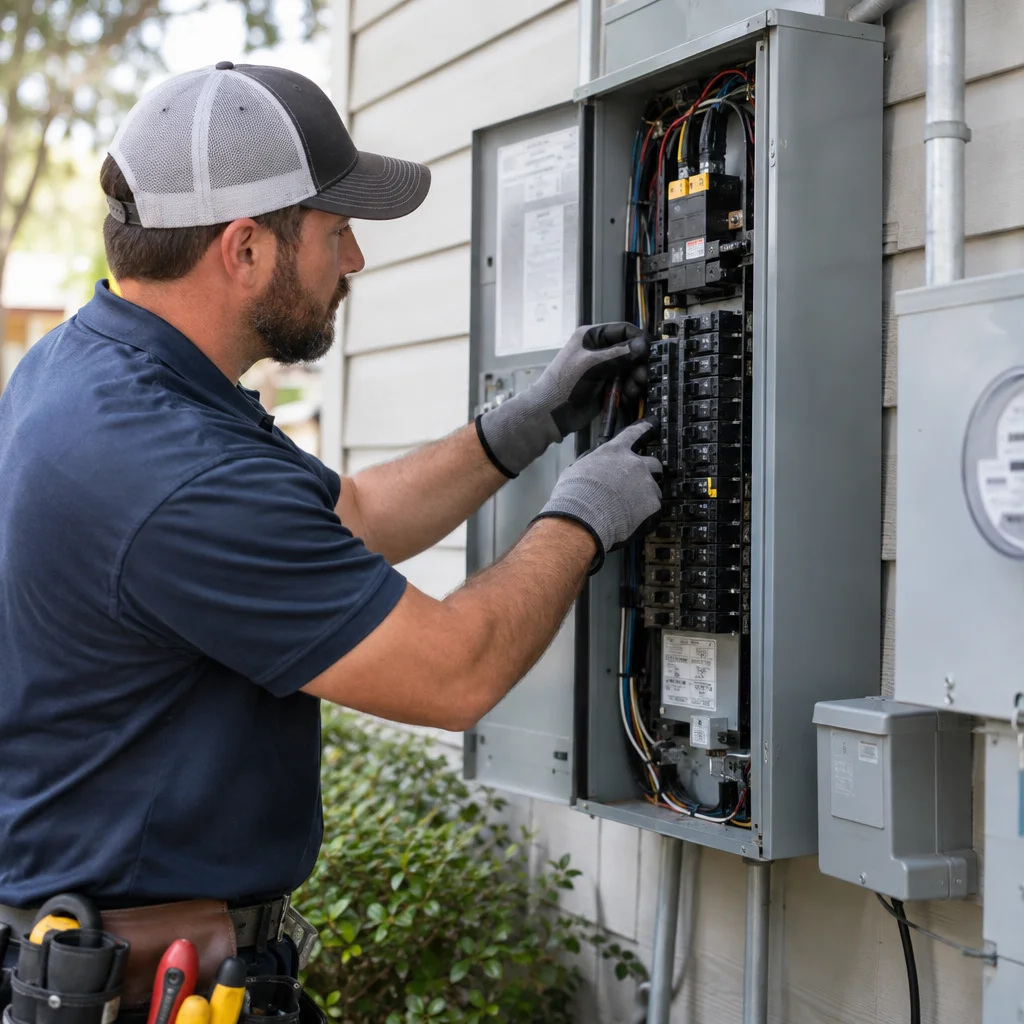
A professional in-person evaluation is important. Without seeing the system, it is not appropriate to claim refrigerant diagnosis, electrical diagnosis, or equipment replacement is the right step. A qualified technician can review performance, inspect key components, and discuss options based on your home’s needs, ductwork condition, and indoor humidity concerns.
If you want to understand how installation choices affect long term comfort, the guidance in A Practical Guide to Air Conditioning Installation for Bluewater Bay Homes can help you ask better questions during the decision process.
How professional local HVAC service protects Bluewater Bay comfort
Bluewater Bay sits in Okaloosa County, where homes are exposed to Gulf humidity and coastal air. That environment shapes how heat pumps operate and how components age. Professional local HVAC service matters because it connects maintenance practices to real local conditions, including:
- Airflow performance in humid cooling seasons
- Condensate drainage reliability and moisture control
- Outdoor unit protection against corrosion and debris buildup
- Indoor air quality considerations, including humidity and airflow distribution
- Energy use awareness so your system does not work harder than necessary
A Superior Mechanical provides expert heat pump installation, repair, replacement, and maintenance in Bluewater Bay. If you are looking for heat pump repair near me, heat pump service near me, or ongoing HVAC maintenance near me, working with a local team helps you plan around seasonal comfort needs instead of reacting after a breakdown.
You can also explore broader options like Commercial HVAC Services if your property includes a business or rental space, or if you are managing multiple systems. For new projects, review Commercial HVAC Installation for how planning and installation affect performance.
For general coverage across Okaloosa County, visit /service-areas/okaloosa-county.
Checklist: what to ask during a heat pump service visit
If you want a productive appointment, use this checklist to guide the conversation. A good technician will be happy to explain what they find and why it matters for comfort in Bluewater Bay.
- How is airflow through the indoor unit and vents?
- Is condensate drainage clear and operating properly?
- Are thermostat settings and system control behavior supporting comfort and humidity control?
- Is the outdoor unit getting adequate airflow and showing signs of corrosion or buildup?
- Does the system show performance signs that could involve the refrigerant system?
- What ductwork factors may be affecting distribution and indoor air quality?
- What maintenance steps should be prioritized before peak cooling season?
These questions help connect everyday comfort problems to the parts of the system that control temperature, humidity, and airflow. That is the foundation of smarter HVAC maintenance.
Protect your comfort before the next hot spell
Heat pump problems rarely announce themselves as a single dramatic failure. More often, they show up as reduced airflow, lingering humidity, inconsistent comfort, or moisture concerns. In Bluewater Bay, that is compounded by heat, humidity, and salt air that can accelerate wear on outdoor components and challenge system efficiency.
When you plan heat pump services around local conditions, you reduce the odds of emergency cooling concerns and help your system run with better efficiency and more reliable comfort. If you want to protect your home with a maintenance plan designed for Bluewater Bay, schedule service through A Superior Mechanical heat pump services.
Find Heat Pump Services in Bluewater Bay, FL
If you need Heat Pump Services in Bluewater Bay, FL, visit our local service page or contact A Superior Mechanical today.
Map of Bluewater Bay, FL
Frequently Asked Questions
How often should Bluewater Bay homeowners schedule heat pump maintenance?
Many homeowners schedule seasonal maintenance that supports cooling and heating demands. In Bluewater Bay’s humid summer conditions, a spring-focused check for airflow, condensate drainage, and cooling performance can help reduce the chance of mid-summer comfort failures.
Why does my heat pump cool but my home still feels humid?
Humidity comfort depends on moisture removal, airflow, and condensate drainage. If airflow is restricted or drainage is not working properly, the system may not manage humidity as effectively even if temperatures seem close to your setpoint. A professional inspection can identify the cause.
Can I add refrigerant myself if my heat pump seems weak?
No. Refrigerant systems require safe handling and correct testing. Low or improper refrigerant can be caused by underlying issues, and DIY work can make the problem worse. Have a technician evaluate the system in person.
What should I do if my heat pump stops cooling during a hot day?
If your system fails during a heat wave, treat it as an emergency cooling concern and contact a local HVAC team that offers emergency HVAC services. While waiting, check simple items like thermostat settings and air filter condition, but do not attempt repairs that require refrigerant system work.
How do ductwork issues affect heat pump comfort?
Ductwork problems can cause uneven cooling, hot spots, weak airflow, and higher energy use. If air cannot move through your home efficiently, your heat pump may run longer to reach temperature, and indoor air quality can suffer due to uneven circulation and humidity control challenges.
Related Articles
Photo Gallery