Commercial HVAC installation is one of those projects that can look straightforward on paper, but the real results show up months later. In Bid-A-Wee, FL, the stakes are higher because Florida heat, humidity, and salt air can stress systems in ways that homeowners and property managers do not always expect. A well planned installation helps protect comfort, indoor air quality, and energy use, and it can reduce the chances of an emergency cooling situation when the weather turns.
This guide covers practical, homeowner friendly habits that help prevent problems with commercial HVAC installation in and around Bid-A-Wee. It also explains why working with a licensed HVAC contractor near me who understands local conditions matters for everything from airflow to refrigerant systems and condensate drainage.
Start with the building, not just the equipment
One of the most common installation mistakes is selecting equipment without fully accounting for the building. In Bid-A-Wee, commercial spaces may have large glass areas, older construction, or rooms that tend to run hot and muggy. If the HVAC design does not match the building load, it can lead to comfort problems that feel like “air conditioner service” is always needed.
During planning, ask for a proper assessment that looks at:
- Airflow pathways, including supply and return locations and how air moves through the occupied space
- Outdoor exposure, since salt air and coastal wind can affect equipment placement and longevity
- Humidity control needs, especially in spaces where occupants notice sticky air or condensation
- Thermostat placement, because a thermostat installed in the wrong spot can cause frequent cycling and uneven temperature control
When the design is based on the building, it is easier to avoid “installed but not balanced” issues that show up as hot spots, cold spots, or rooms that never feel right.
Florida humidity can turn small installation issues into big comfort problems
Florida’s humidity is not just uncomfortable. It can also increase the workload on refrigerant systems and the performance demands on condensate drainage. If installation details are off, moisture can build up where it should not.
Watch condensate drainage and moisture management
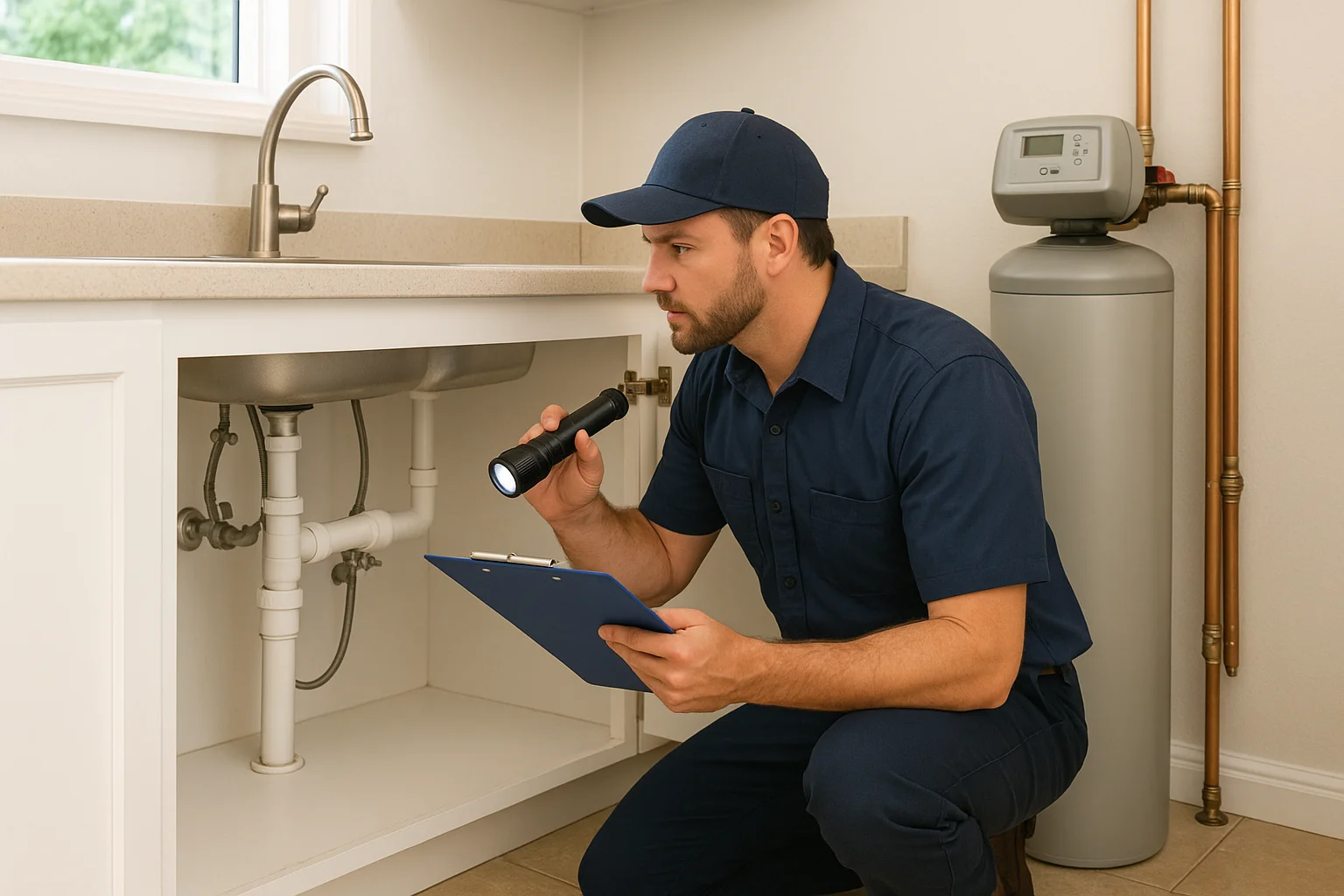
During commercial HVAC installation, condensate drainage must be correctly routed and pitched so water can drain reliably. Problems such as clogged lines, incorrect slope, or poorly placed drain connections can lead to:
- Signs of moisture near air handler units
- Musty odors that suggest indoor air quality issues
- Higher indoor humidity that makes the space feel warmer than the thermostat setting
Moisture management is also tied to airflow. If supply air and return air are not balanced, the system may not remove humidity effectively, even if the cooling mode runs.
Confirm airflow balance, not just “it turns on”
Airflow is a major factor in comfort and system longevity. In coastal Bay County conditions, ducts can be affected by age, settling, and construction changes. When airflow is too low, the system can struggle to cool and dehumidify. When airflow is too high or poorly distributed, occupants may experience uneven temperatures.
Homeowners and property managers do not always control ductwork design, but you can still ask the installer how they will verify airflow performance after installation. This is the kind of detail that helps prevent repeat air conditioning service near me calls during peak summer.
Refrigerant systems need careful handling during installation
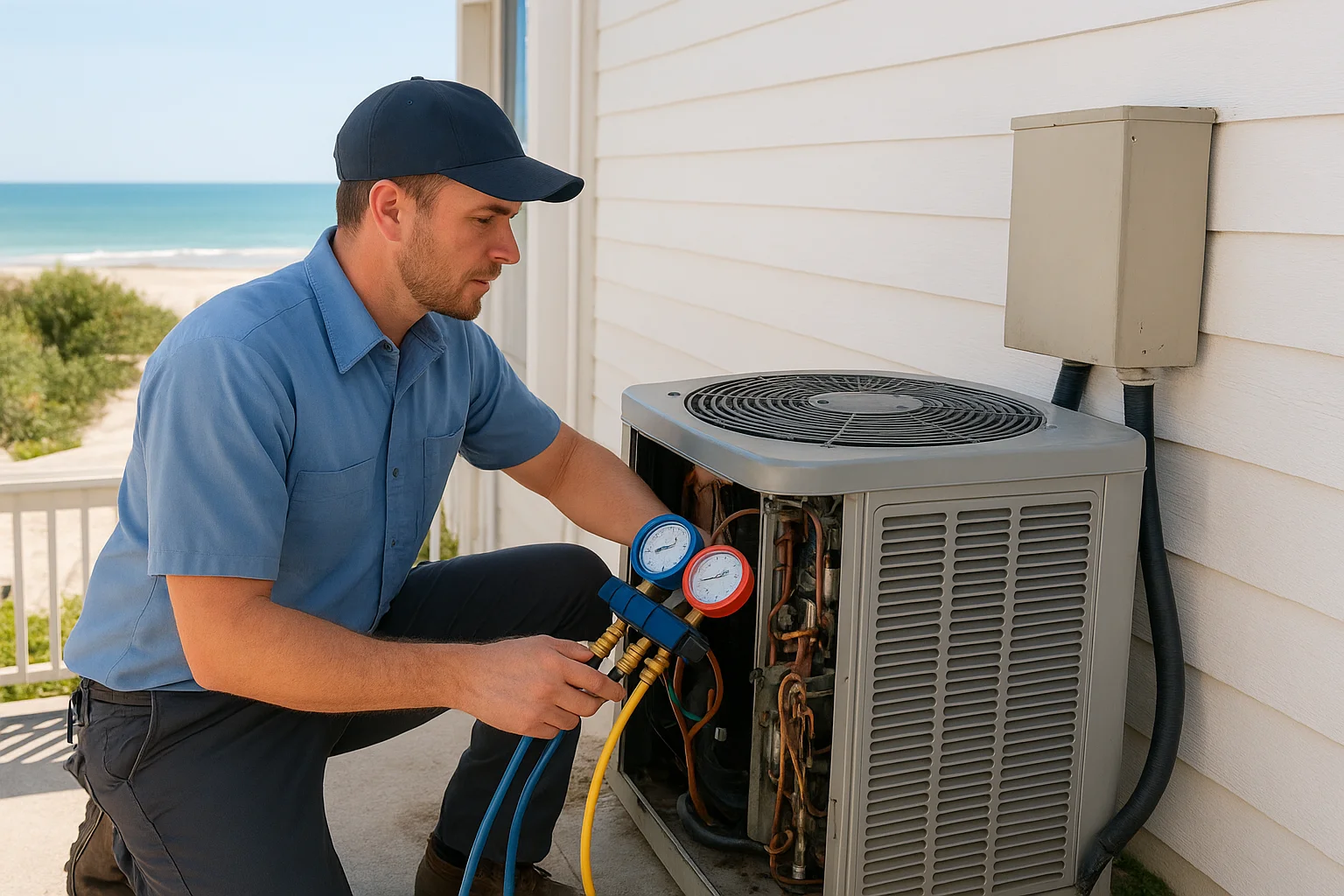
Refrigerant systems are at the core of how commercial cooling works. When installation steps are rushed, refrigerant-related issues can appear later as poor cooling, longer run times, and comfort complaints.
A professional commercial HVAC installer will treat refrigerant system work as a precision task. That includes proper line sizing, correct connections, and careful commissioning. It also means checking that system components are installed and operated within the manufacturer’s requirements.
If your business is dealing with symptoms like weak cooling or frequent cycling, it is tempting to assume the fix is obvious. However, refrigerant diagnosis and adjustments should be handled only after an in-person evaluation by a trained technician. Homeowners should not attempt to troubleshoot refrigerant issues themselves.
Ductwork and duct sealing are often the difference between “cool” and “comfortable”
Even a high quality HVAC system can underperform if ductwork is undersized, leaky, or poorly laid out. In commercial buildings, ductwork may run through attics, crawl spaces, or mechanical rooms where heat and humidity can affect performance.
Prioritize duct inspection and duct cleaning planning
Before or during installation, duct condition matters. Dust buildup and airflow restrictions can worsen indoor air quality and reduce comfort. If you are considering duct cleaning, it helps to start with duct inspection so the team knows what they are dealing with.
If you are searching for duct inspection near me or duct cleaning near me, look for a contractor that can connect ductwork condition to comfort outcomes. For example, a duct problem can show up as increased energy use because the system has to run longer to maintain temperature.
To better understand how HVAC maintenance ties into air quality, read How Preventive HVAC Service Supports Cleaner Indoor Air in Bid-A-Wee.
Seal and support ducts to protect airflow and reduce energy waste
In coastal areas, ductwork can be exposed to higher humidity and salt laden air over time. Seams and connections can also loosen as buildings settle. Proper sealing and secure support help keep airflow stable and can reduce the chance that the system feels underpowered.
Thermostats and controls should match how your business operates
Thermostats are not just “where you set the temperature.” In commercial spaces, controls affect cycling patterns, humidity management, and energy use. A thermostat installed in a poor location can read warmer or cooler air than the rest of the building.
When planning commercial HVAC installation, discuss:
- Where the thermostat is mounted relative to doors, windows, and supply air
- How schedules match occupancy
- Whether the system needs zoning or additional control strategies for uneven loads
If your property needs thermostat installation near me as part of the project, make sure the installer coordinates the thermostat location and control settings with the HVAC design. This is one of the easiest ways to prevent comfort complaints that lead to unnecessary AC repair near me calls.
Choose equipment placement that accounts for salt air and airflow
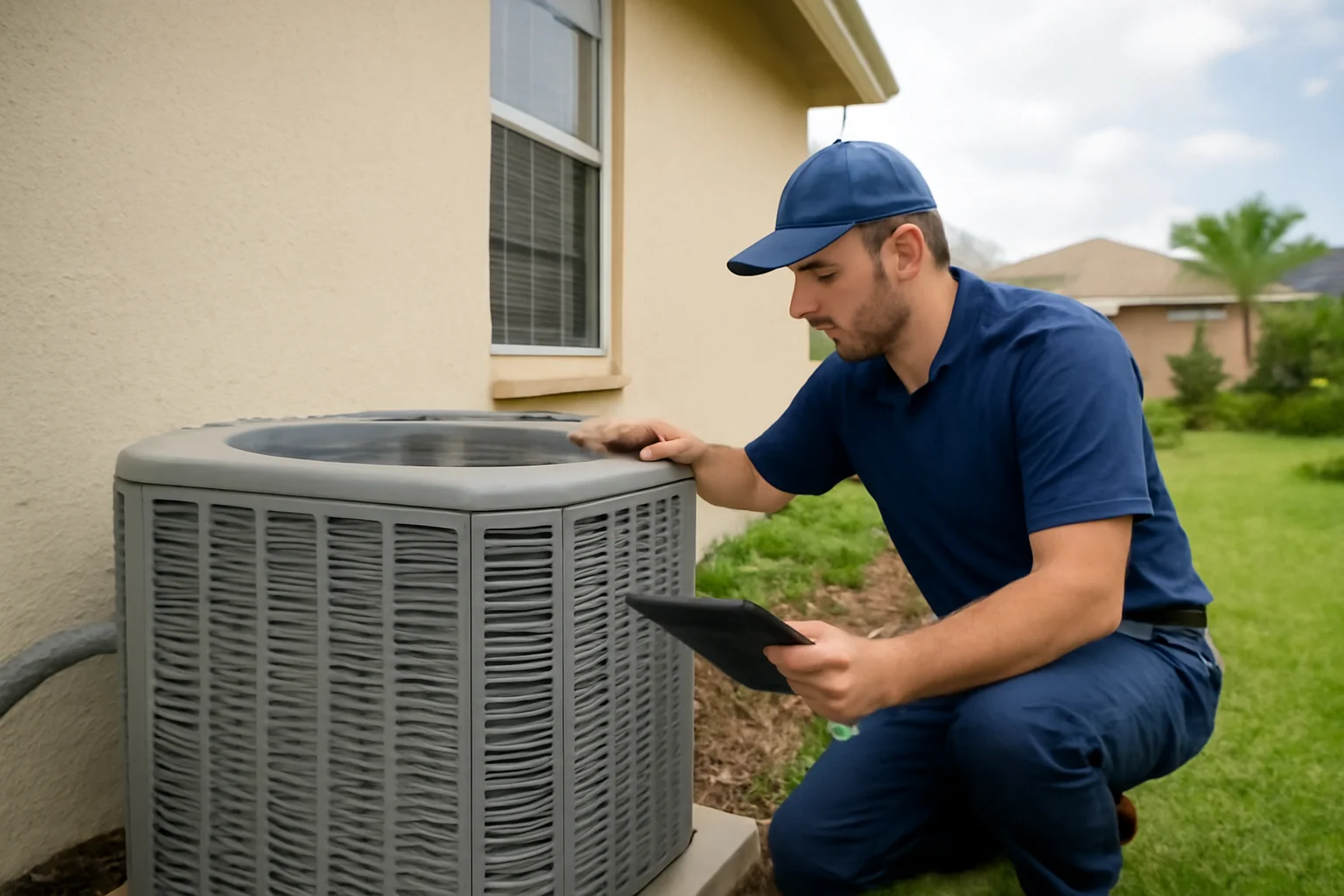
Outdoor units and intake/exhaust airflow can be affected by the coastal environment. Salt air can contribute to corrosion, and poor placement can restrict airflow around the equipment.
Ask your installer to show you where the outdoor equipment will sit and how it will be protected. Good planning includes:
- Clearances for airflow around the unit
- Consideration of wind exposure and nearby obstructions
- Protection from drainage issues that can affect condensate drainage and surrounding areas
Placement decisions are part of preventing future problems. They can also influence how maintenance is performed, which matters for preventive HVAC maintenance in humid, coastal conditions.
Commissioning and testing prevent “mystery” issues later
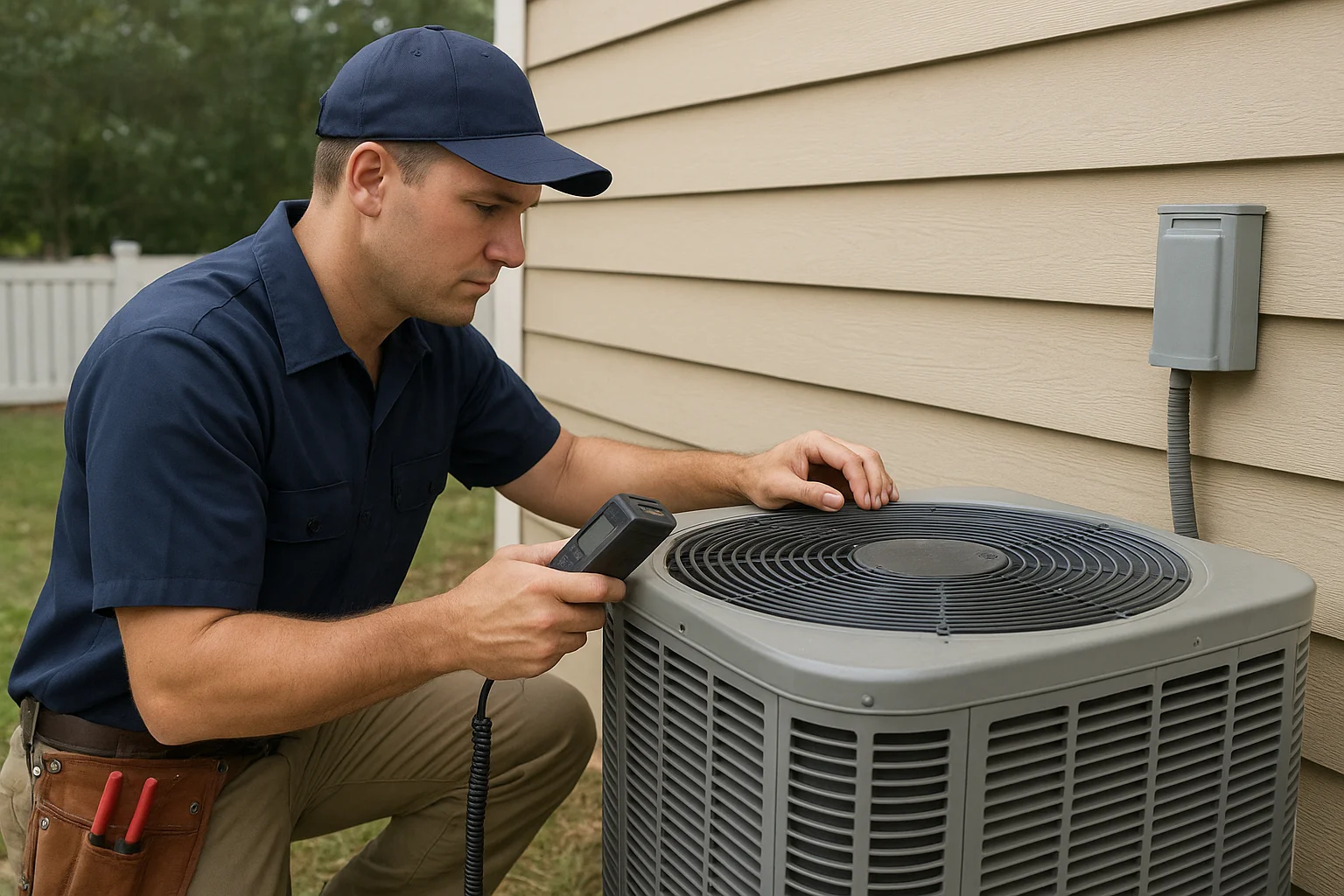
Many installation problems do not appear immediately. They show up when the system is under load, such as during the hottest weeks of the year. That is why commissioning matters.
After installation, a competent HVAC company should verify that the system operates correctly as installed. That can include checks of airflow, controls response, drainage function, and system performance. If anything looks off, it should be corrected before the project is considered complete.
If you are comparing contractors, you can ask how they document commissioning steps and how they address issues that are found during testing. A reliable HVAC company near me will be able to explain the process clearly and professionally.
Common Bid-A-Wee commercial HVAC installation issues to watch for
While every building is different, homeowners and property managers in the area often encounter patterns of problems after installation. These issues are typically preventable when the design and install details are handled carefully.
Uneven cooling and hot spots
Causes often include duct distribution problems, airflow imbalance, thermostat placement errors, or load mismatch. The result is that some areas feel uncomfortable while others feel too cold.
Persistent humidity or “sticky air”
When indoor humidity stays high, it often points to condensate drainage problems, incorrect airflow balance, or control settings that do not manage humidity effectively.
Short cycling and higher energy use
Short cycling can be caused by control issues, airflow restrictions, or improper system setup. It can increase energy use because the system runs more frequently rather than efficiently maintaining conditions.
Drain line concerns and water-related callbacks
Improper condensate drainage can lead to leaks, water damage risks, and indoor air quality concerns. Even small drainage mistakes can become major problems in a humid climate.
For more installation detail that local property owners sometimes miss, see The Details That Get Missed in Commercial HVAC Installation in Freeport, FL and Commercial HVAC Installation in Laguna Beach, FL.
Preventive HVAC maintenance helps protect the installation you paid for
Even a great installation needs upkeep. Preventive HVAC maintenance supports cleaner indoor air, stable airflow, and consistent performance through the long Florida cooling season. It also helps catch small issues before they become major repair needs.
In Bid-A-Wee, preventive maintenance is especially important because humidity and salt air can affect components over time. A regular plan can help with:
- Air filter and airflow checks that support indoor comfort
- Coil and drainage inspection to reduce moisture and indoor air quality problems
- System performance reviews related to energy use
- Thermostat and control verification so schedules and settings stay accurate
If you want to improve indoor air quality services, consider pairing maintenance with targeted ductwork and filtration strategies. You can also explore Duct Cleaning and Air Conditioning Inspection for a more complete approach.
When problems show up, prioritize safety and emergency cooling concerns
Florida heat can escalate quickly. For businesses, cooling failures are not just an inconvenience. They can affect employee comfort, product storage, and the ability to keep spaces usable.
Call for professional air conditioner service near me when you notice:
- Cooling that fails to keep up during peak afternoon heat
- Strange odors, especially musty smells that may point to moisture issues
- Water on or near indoor units that could indicate condensate drainage problems
- Thermostat behavior that seems inconsistent with occupancy schedules
Also consider emergency cooling concerns for critical operations. If your business cannot tolerate downtime, ask about maintenance planning and how your HVAC contractor handles urgent issues. For many property owners, a well managed maintenance schedule reduces the odds of a mid-summer breakdown.
System replacement planning should be part of the same conversation as installation
Sometimes an installation project includes upgrades or a full system replacement. If you are evaluating HVAC replacement near me, it helps to look at the whole system and the building environment together. A new installation should still account for ductwork condition, condensate drainage design, and indoor air quality goals.
If you are exploring options beyond traditional cooling and heating, you can also ask about alternatives like Geothermal Energy Systems. Financing can also matter for budgeting, so you may want to review HVAC Financing while planning your timeline.
Why local expertise matters in Bay County
Bid-A-Wee businesses share many of the same environmental pressures across Bay County: long cooling seasons, heavy humidity, and coastal salt air. A commercial HVAC installer that works in the area regularly understands how these factors show up in comfort complaints, airflow behavior, and moisture problems.
Local knowledge also helps with practical decisions such as:
- How to protect outdoor equipment from corrosion and airflow restrictions
- How to design ductwork routes that keep airflow steady
- How to plan condensate drainage so it performs reliably in humid weather
To learn more about the range of services available in the area, visit our Bid-A-Wee service area and review the commercial HVAC installation page at /service-areas/bay-county/bid-a-wee/commercial-hvac-installation-bidbcfl.
Questions to ask before signing a commercial HVAC installation contract
Homeowners and property managers do not need to be HVAC experts to ask the right questions. These prompts help you confirm the installer’s process and reduce the chance of preventable problems later.
About design and airflow
Ask how the team will evaluate airflow, ductwork, and comfort needs for your specific rooms. If you are considering ductless mini split installation near me for part of the building, ask how they will handle airflow balance and humidity control in that layout.
About condensate drainage
Ask how condensate drainage will be routed, how the drainage will be tested, and what steps are used to prevent future moisture related callbacks.
About commissioning and documentation
Ask what testing and commissioning steps are completed after installation and what documentation is provided.
About indoor air quality
Ask how the installation supports indoor air quality, including filtration approach and how ductwork condition is addressed. If you are also planning for air quality improvements, you can coordinate maintenance and inspections with preventive HVAC service.
About maintenance planning
Ask what preventive HVAC maintenance schedule the company recommends for your facility and how they handle seasonal checks before peak heat. This helps protect the performance of the installation through the hottest months.
Choosing the right commercial HVAC installation process is not only about getting a system running. It is about getting a system that stays comfortable, controls humidity, supports clean indoor air, and avoids emergency cooling concerns when Bid-A-Wee businesses need reliable climate control most.
Find Commercial HVAC Installation in Bid-A-Wee, FL
If you need Commercial HVAC Installation in Bid-A-Wee, FL, visit our local service page or contact A Superior Mechanical today.
Map of Bid-A-Wee, FL
Frequently Asked Questions
What are the most common commercial HVAC installation problems in Bid-A-Wee?
Common issues include uneven cooling from airflow and ductwork problems, humidity that stays too high due to condensate drainage or balance problems, and system cycling that leads to higher energy use. These are often preventable with proper design, commissioning, and local expertise.
How does Florida humidity affect commercial HVAC performance?
Humidity increases the load on cooling and dehumidification. It also makes condensate drainage and airflow balance more important. If moisture management is not installed correctly, indoor air quality can suffer and comfort can feel off even when the thermostat is set correctly.
Should a business owner handle refrigerant problems without a technician?
No. Refrigerant systems require trained, in-person evaluation. Attempting DIY troubleshooting can be unsafe and can delay the real cause. A licensed HVAC contractor can inspect the system and address issues properly.
What should be checked after commercial HVAC installation is complete?
After installation, the system should be commissioned and tested for correct operation, including airflow performance, thermostat and controls response, and condensate drainage function. Documentation of commissioning steps can help prevent “mystery” comfort issues later.
How does preventive HVAC maintenance help after installation?
Preventive HVAC maintenance helps keep airflow and humidity control stable, supports cleaner indoor air, and can catch early warning signs before they turn into AC repair or emergency cooling concerns during peak Florida heat.
Related Articles
- How Preventive HVAC Service Supports Cleaner Indoor Air in Bid-A-Wee
- The Details That Get Missed in Commercial HVAC Installation in Freeport, FL
- Commercial HVAC Installation in Laguna Beach, FL: The Issues Local Property Owners Should Not Overlook
- Keeping Sandestin Buildings Comfortable Starts With Smarter Commercial HVAC Installation
Photo Gallery