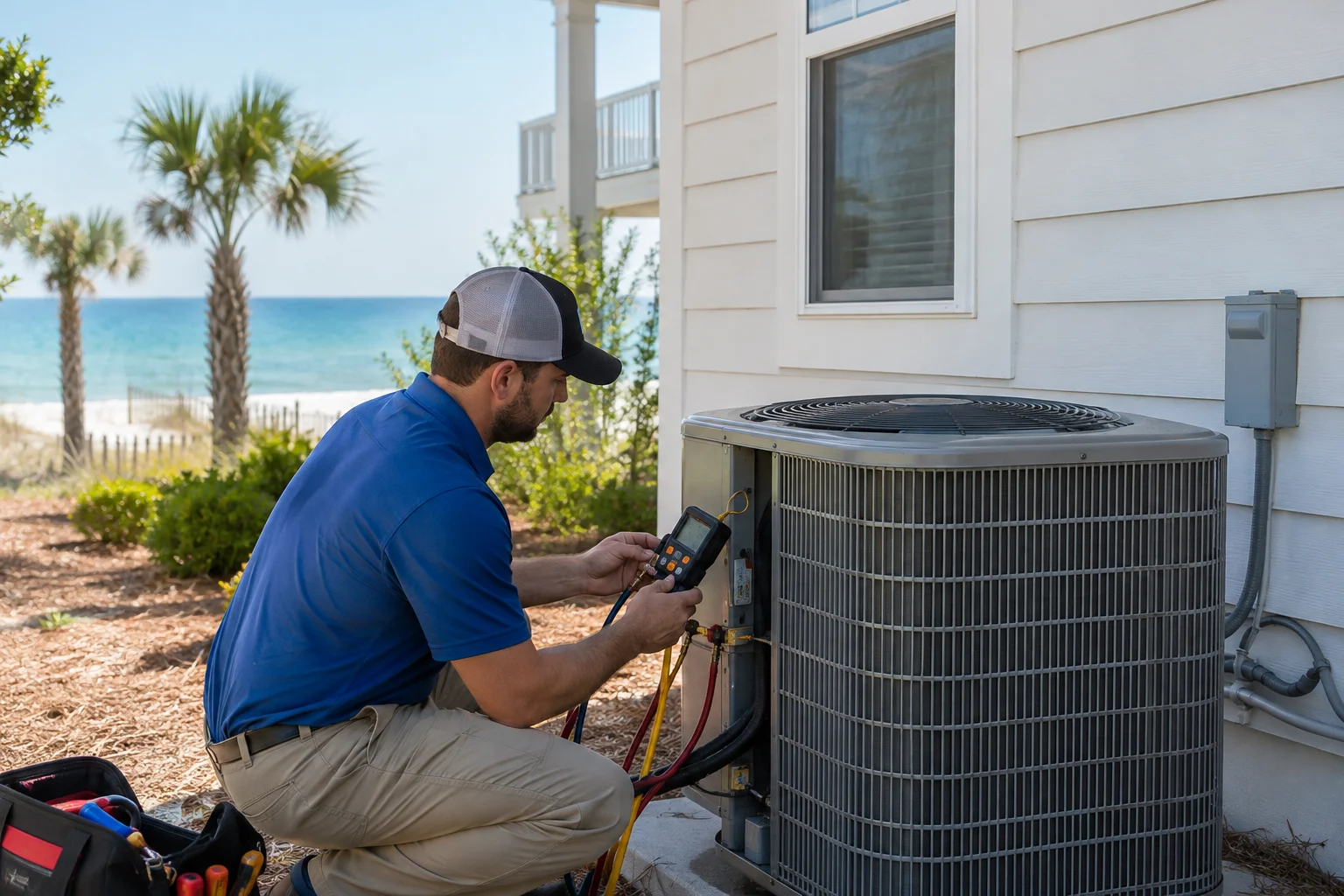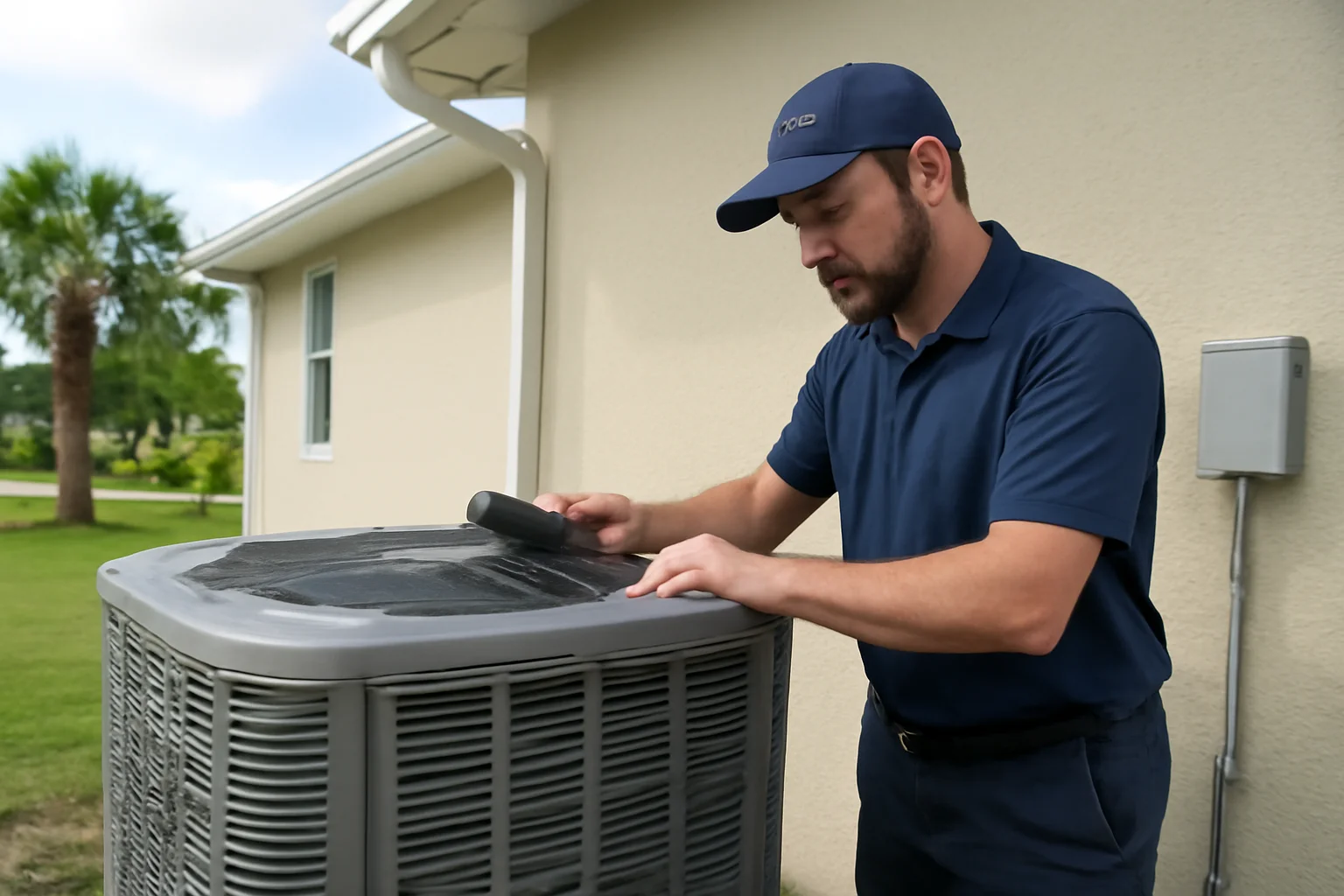
New construction air conditioning can feel straightforward during the build. Equipment gets installed, ductwork gets connected, and the thermostat gets programmed. But in Bid-A-Wee, Florida, the details matter more than most homeowners expect. Coastal humidity, salt air, and long stretches of heat can turn small installation oversights into big comfort problems, higher energy use, and the kind of emergency cooling concerns no one wants in peak summer.
This guide highlights what local homeowners often overlook when planning new construction air conditioning in Bid-A-Wee and how a professional HVAC team helps you build a system that performs year round.
Bid-A-Wee weather is a different kind of AC challenge
Bid-A-Wee sits in Bay County, where summer humidity can be relentless and indoor comfort depends on both cooling and moisture control. Even if your system “cools,” it still has to manage humidity to prevent clammy rooms, condensation on surfaces, and indoor air quality issues.
In coastal Florida, salt air can also affect HVAC components over time. That makes proper system sealing, clean airflow paths, and correct refrigerant system connections important from day one. New construction gives you a chance to set the foundation correctly, but only if the HVAC design and installation match how the home will actually be lived in.
Design matters before the first screw goes in
Many new homes are built with great attention to insulation and windows, but HVAC design can get treated like a checklist item. For year round home protection, homeowners should ask how the system is sized and configured for the specific house, not just for the square footage on paper.
Right sizing for Florida heat and humidity
Undersized systems struggle to keep up during hot, humid days. Oversized systems may cool quickly but can short cycle, which often reduces humidity removal. Either scenario can lead to uneven temperatures, higher energy use, and more wear on the equipment.
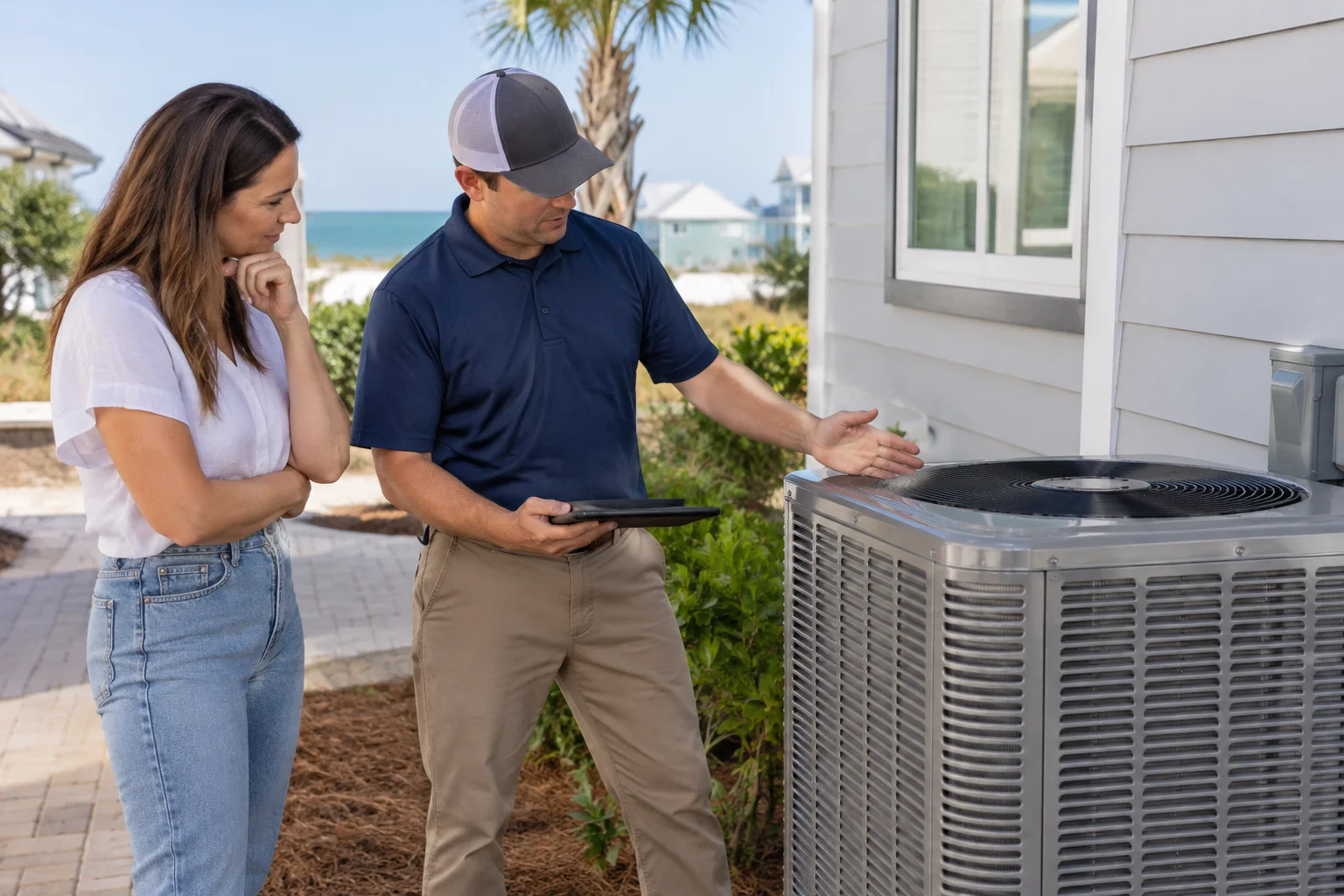
A Superior Mechanical will evaluate the home’s needs as part of a proper air conditioning inspection process for new builds. That includes airflow considerations and how the ducts will deliver conditioned air to each room.
Airflow is the “invisible” part of the system
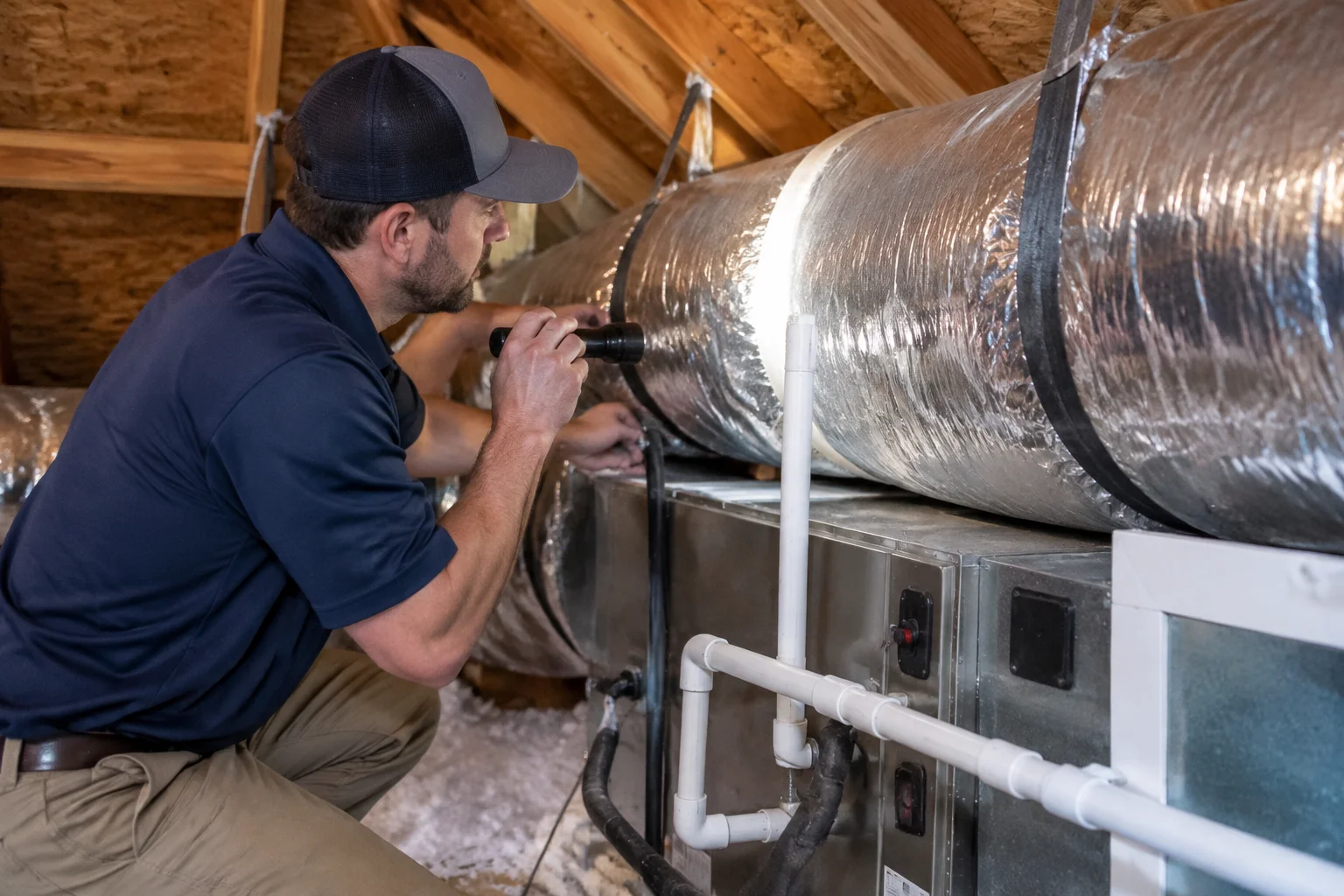
Even a correctly sized air conditioner cannot perform well if airflow is blocked or poorly balanced. In new construction, ductwork layout, register placement, and duct sealing are the difference between comfortable rooms and persistent hot spots.
If you want to go deeper on ductwork, review Duct Inspection and consider whether Duct Cleaning makes sense if the home is exposed to construction dust or debris before startup.
Ductwork problems show up as comfort issues, not “duct problems”
In Bid-A-Wee, homeowners often notice symptoms first: rooms that never feel right, airflow that seems weak, or a system that runs constantly. These can trace back to ductwork issues such as leaks, disconnected sections, undersized supply runs, or poor return air paths.
Common duct-related oversights in new construction
Leaky duct connections. Tiny gaps can pull in humid air from attics or crawl spaces, reducing comfort and raising energy use.
Insufficient return air. Without strong return paths, the system can struggle to circulate air properly.
Registers that fight the layout. A register placement that ignores room airflow can create hot and cold zones.
Construction debris inside ducts. Dust and particulates can affect indoor air quality and contribute to odors.
If you are searching for duct inspection near me or planning for duct repair near me concerns, it is smart to address duct issues before they become recurring comfort complaints. For homeowners building or recently completed projects, an air conditioning inspection can help confirm airflow and system performance.
You can also schedule Air Conditioning Inspection to review how the system is operating in real conditions.
Humidity control is not optional in Florida
Many homeowners focus on temperature, but the comfort people feel in coastal Florida is strongly tied to humidity. New construction air conditioning should remove moisture effectively, especially in living areas, bedrooms, and spaces where airflow is hardest to balance.
What humidity problems can look like
Condensation on windows or damp spots near supply vents
Musty odors that worsen when the AC runs
Rooms that feel cold but still clammy
Frequent cycling or a system that never seems to “settle”
These issues can be caused by airflow imbalance, duct leakage, thermostat settings, or improper condensate drainage. In other cases, refrigerant system performance may be involved, but a professional must evaluate the system in person. Homeowners should avoid attempting refrigerant diagnosis on their own.
Condensate drainage: the small detail that protects your home
When an air conditioner cools, it removes moisture from the indoor air. That moisture drains through a condensate drainage system that must be installed correctly and kept clear.
Why drainage failures are a bigger deal than many expect
Water damage risk. Improper drainage can lead to moisture around the indoor unit or in nearby areas.
System performance impacts. If condensate cannot drain properly, the system can shut down or behave erratically.
Indoor air quality concerns. Excess moisture can encourage microbial growth in the wrong environment.
During new construction, condensate drainage should be verified as part of a complete commissioning process. If you are already dealing with dampness or recurring water issues, homeowners often start with air conditioning repair near me searches. But the best outcome comes from a technician who checks the full airflow and drainage setup, not just the most obvious symptom.
Thermostats and controls should match real life in Bid-A-Wee
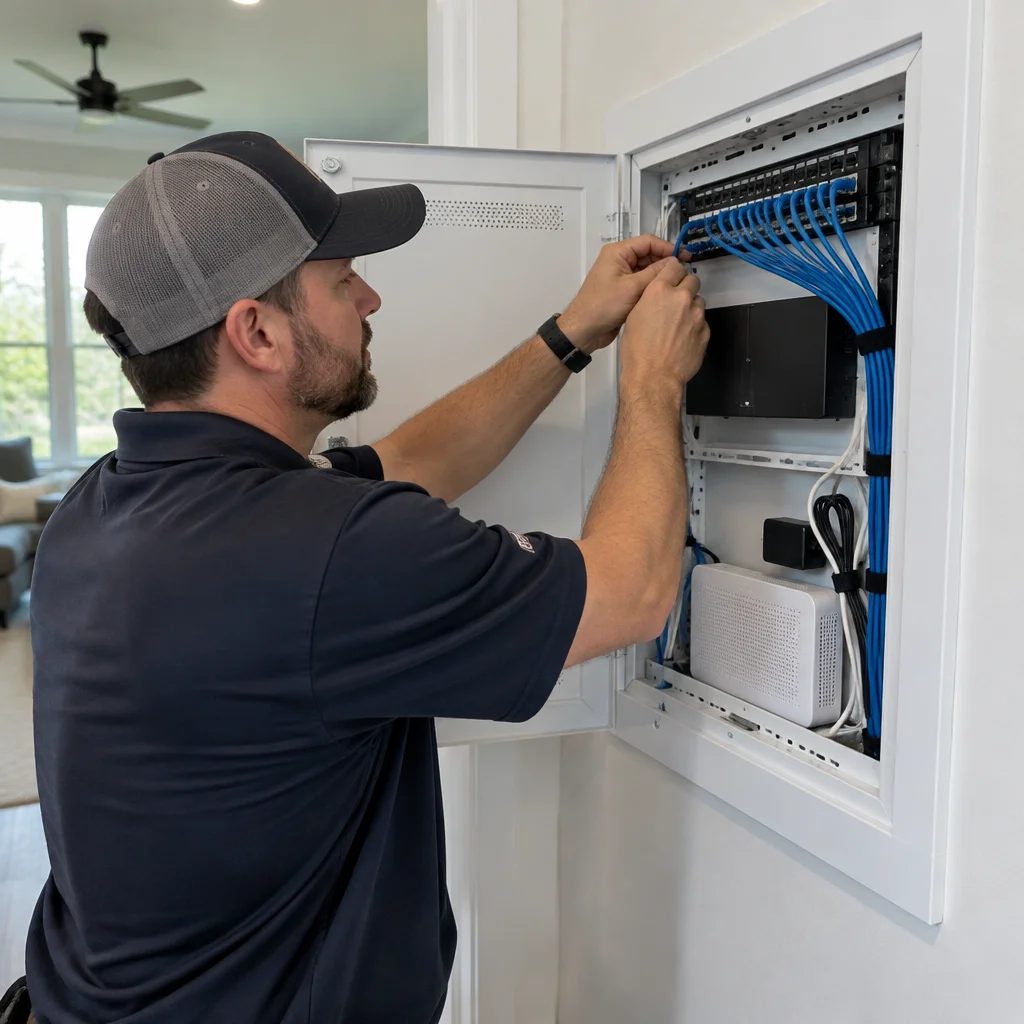
Your thermostat controls the comfort cycle, and it also affects energy use. In new construction, homeowners sometimes accept default settings or assume that any thermostat will work the same way. Florida heat and humidity make control accuracy important.
Local thermostat oversights
Placement problems. Thermostats near sun-exposed windows or drafty areas can cause inaccurate readings.
Fan settings that do not support humidity control. Continuous fan can sometimes increase humidity issues if airflow is not balanced.
Programming that does not reflect occupancy. A home that is unoccupied during the day needs different scheduling than one that is actively used.
If you are considering thermostat installation near me or upgrading to better controls, choose a solution that aligns with your system and your comfort goals. A professional can help verify that the thermostat is configured correctly for the equipment already installed.
Refrigerant systems: what homeowners can safely understand
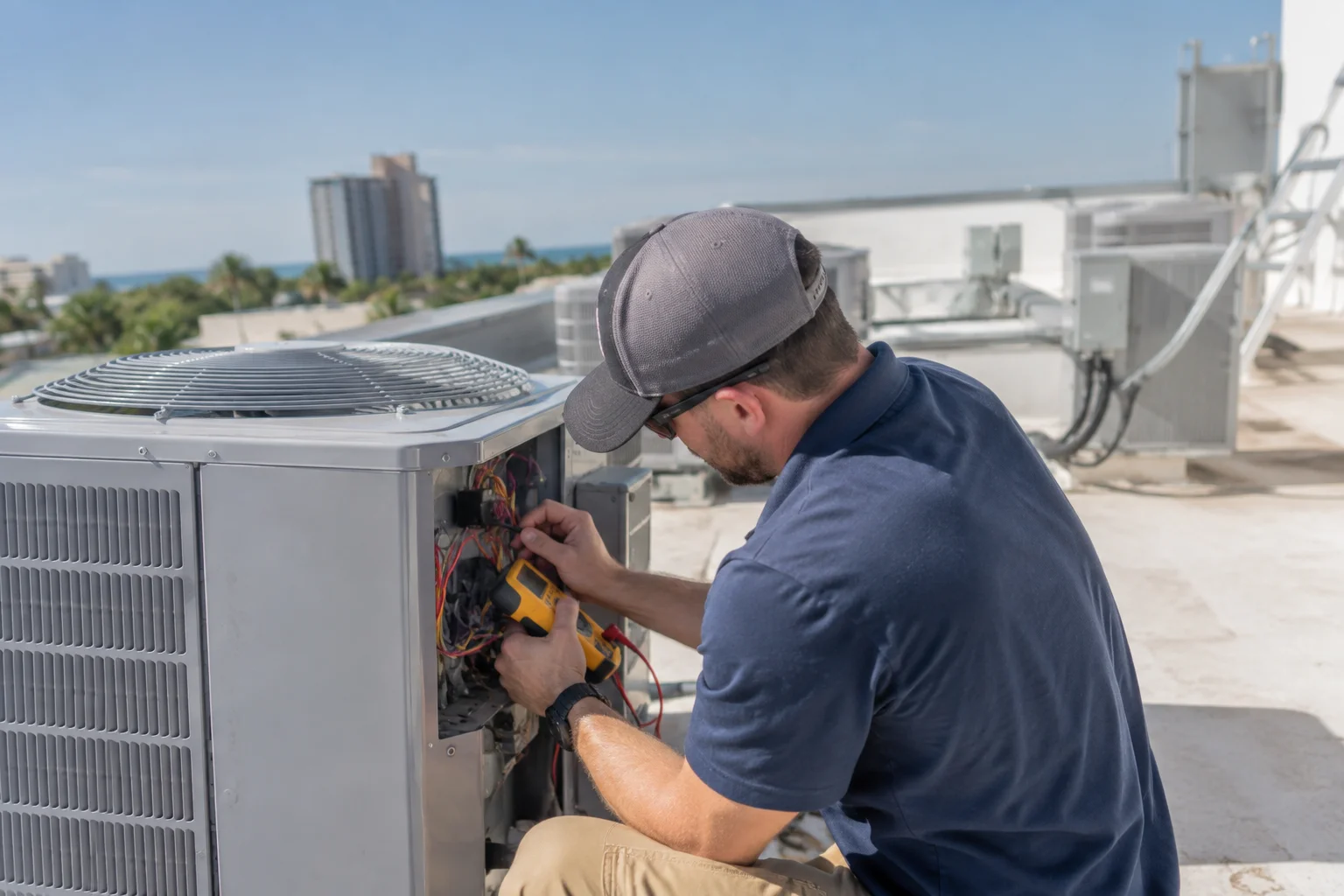
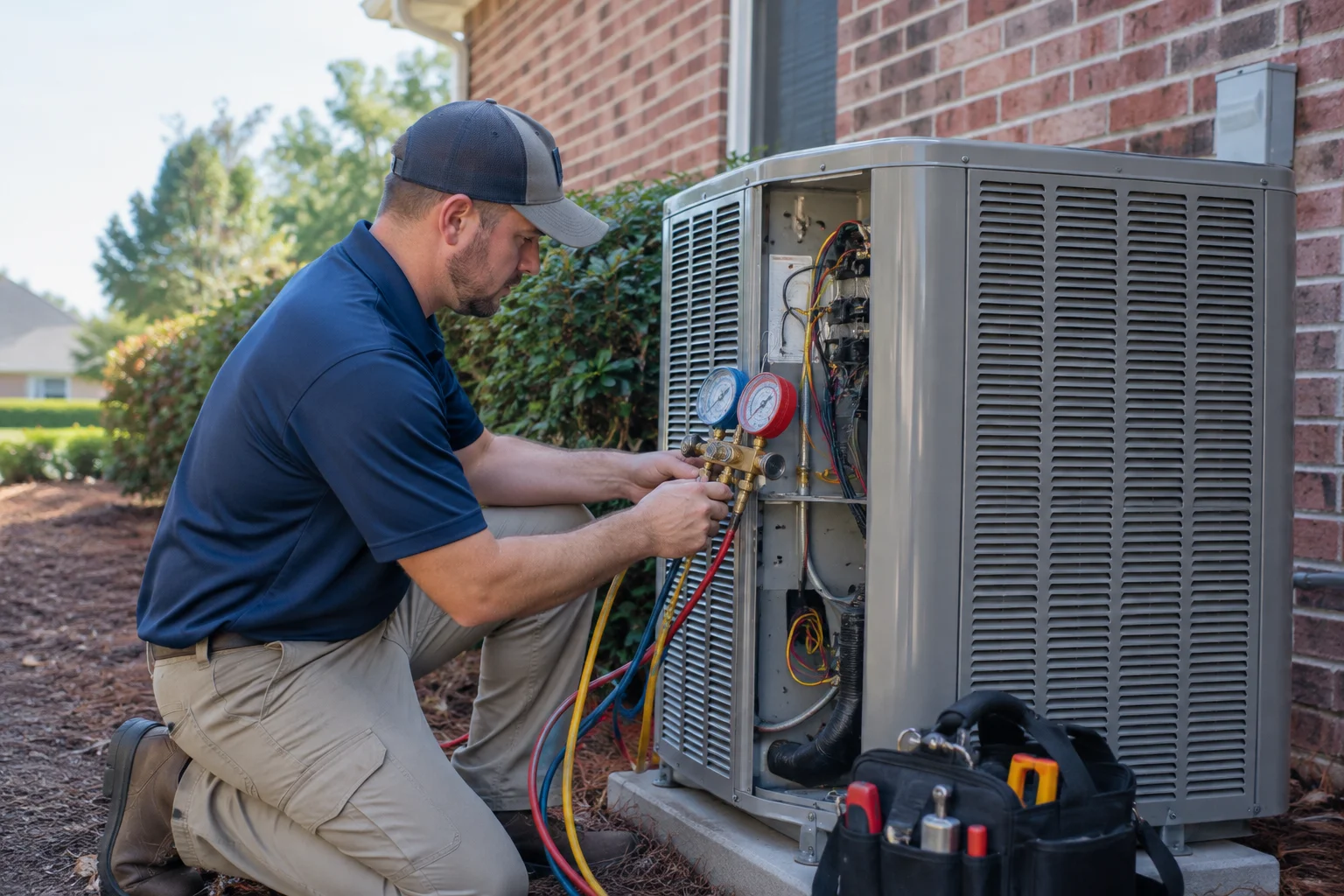
Homeowners often hear about refrigerant and assume it is a simple “top off” situation. In reality, refrigerant systems are designed and balanced as a matched system. Any refrigerant-related work should be handled by trained professionals with proper testing equipment.
What to avoid
Attempting DIY refrigerant checks
Assuming low performance automatically means low refrigerant
Trying to diagnose refrigerant issues without in-person evaluation
For new construction, the best approach is prevention and verification. A professional HVAC team can confirm that the refrigerant system is operating as intended during commissioning and that airflow and condensate drainage are functioning properly. If you notice ongoing comfort problems, seek air conditioning repair near me or HVAC service near me with a technician who can evaluate the system holistically.
Energy use rises when airflow and controls are off
In Bid-A-Wee, energy use is part comfort and part reality. When the system runs longer than it should, homeowners see higher costs and faster wear. Many energy problems in new homes are not caused by “bad equipment,” but by mismatched airflow, duct leaks, poor return air paths, or thermostat settings that do not support humidity removal.
That is why preventive HVAC maintenance matters even after installation. When an HVAC system is new, it is still important to confirm airflow, check filters, verify condensate drainage, and ensure controls are operating as expected.
If you want to build a long-term plan, explore How Preventive HVAC Service Supports Cleaner Indoor Air in Bid-A-Wee for practical steps homeowners can schedule.
Indoor air quality is part of year-round protection
Florida homes need indoor air quality planning that goes beyond just cooling. New construction can trap dust, and high humidity can affect how air feels and how clean it stays.
Air quality factors homeowners should consider
Filtration and filter access. Filters only help if they are installed correctly and replaced on schedule.
Airflow consistency. Poor airflow can cause uneven distribution and reduce how effectively the system cleans the air.
Moisture management. Correct condensate drainage reduces the chance of moisture-related indoor air quality problems.
During commissioning, ask how indoor air quality will be handled in your specific setup. If you are also dealing with comfort or airflow complaints, review Comfort That Holds Up in Bid-A-Wee Starts With Timely AC Repair to see how small issues can grow when they are ignored.
Heat pumps and ducted systems: know what you are building
Some new construction homes include heat pump service instead of a traditional cooling-only setup. In Bay County, heat pumps can be a good fit for many homeowners, but comfort still depends on correct installation, balanced airflow, and correct control settings.
Heat pump considerations that homeowners often miss
How the indoor airflow is matched to the ductwork
Whether the system’s defrost and control behavior is appropriate for local conditions
How humidity removal works in cooling mode
If your build includes a heat pump, look for an HVAC contractor experienced in residential HVAC service and properly configured systems. Searching for heat pump installation near me is useful, but what matters is whether the contractor verifies airflow, duct sealing, and controls as part of installation.
Preventive maintenance is not just for older systems
New construction air conditioning still benefits from preventive HVAC maintenance. A system can be installed correctly and still need periodic checks to keep it performing as designed, especially in humid Florida conditions and in homes exposed to construction dust early on.
Maintenance items that directly affect comfort
Filter changes and ensuring correct filter fit
Checking airflow paths and verifying returns are unobstructed
Verifying condensate drainage is clear and functioning
Reviewing thermostat operation and temperature readings
For homeowners who want a local approach, consider scheduling AC tune up near me after the first cooling season to confirm everything is operating smoothly. If you have a new build, it is also reasonable to schedule an early-season review so you are not troubleshooting in the middle of peak heat.
When something is off, look for patterns before it becomes an emergency
Florida summers can escalate quickly. If your system struggles to cool, homeowners often notice it first as a pattern: weaker airflow, rising indoor temperatures, or unusual sounds. Recognizing these early can help you avoid emergency cooling concerns.
Comfort and performance issues that deserve attention
Airflow that feels noticeably weaker in multiple rooms
Hot spots that persist despite thermostat adjustments
Frequent cycling or the system running continuously without comfortable results
Water pooling or dampness around indoor equipment
Strong musty odors when the AC starts
If you are dealing with urgent cooling needs, use Emergency HVAC Services so you are not waiting while indoor temperatures climb. For non-urgent issues, scheduling an air conditioning inspection near me is often the fastest way to identify what is actually happening.
Local commissioning questions to ask during or after installation
Homeowners can protect their investment by asking practical questions during the final steps. You do not need technical jargon, but you should ask for verification that the system is operating correctly in your home.
Checklist homeowners can use
Was airflow and duct sealing verified after install?
Was condensate drainage tested so moisture leaves the system properly?
Is the thermostat set up correctly for your home’s layout and comfort goals?
Are registers and returns balanced to reduce hot and cold spots?
What preventive HVAC maintenance schedule makes sense for your first year?
For the specific new construction path in your area, review the service page here: /service-areas/bay-county/bid-a-wee/new-construction-air-conditioning-bidbcfl. You can also explore broader local coverage on /service-areas/bay-county/bid-a-wee and /service-areas/bay-county.
How Bid-A-Wee builders can set homeowners up for long-term comfort
New construction is a chance to do it right. When HVAC planning is treated as part of the overall building envelope and not as an afterthought, homeowners usually see fewer comfort complaints, steadier humidity control, and less frustration during Florida heat waves.
If you are comparing notes with other builds in the region, it can help to read similar guidance like What to Expect From New Construction Air Conditioning in Freeport, FL and Planning New Construction Air Conditioning for a Laguna Beach Home That Stays Comfortable Year After Year. The climates are different, but the lesson is the same: commissioning, airflow, humidity control, and drainage verification are where comfort is won.
For Bid-A-Wee homeowners, the goal is simple. Your system should cool reliably, manage humidity, protect indoor air quality, and avoid surprises. When you build with local HVAC service in mind, you start the home with the kind of performance that holds up through both everyday days and the hottest, most humid stretches of the year.
Find New Construction Air Conditioning in Bid-A-Wee, FL
If you need New Construction Air Conditioning in Bid-A-Wee, FL, visit our local service page or contact A Superior Mechanical today.
Map of Bid-A-Wee, FL
Frequently Asked Questions
What should I verify during new construction AC commissioning in Bid-A-Wee, FL?
Verify airflow and duct sealing, confirm condensate drainage is tested and draining correctly, confirm thermostat placement and settings, and make sure the system delivers consistent comfort across rooms. A local air conditioning inspection can help confirm the setup matches the home.
Can new construction air conditioning still have humidity problems?
Yes. Humidity issues can come from airflow imbalance, duct leaks that pull in humid air, thermostat settings that do not support moisture removal, or condensate drainage problems. The fix depends on what is actually happening, so an in-person evaluation is important.
What are early signs that my new AC installation needs attention?
Look for weak airflow, persistent hot or cold spots, frequent cycling, musty odors when the system runs, or any dampness around indoor equipment. These patterns often point to airflow, ductwork, drainage, or control setup concerns.
Is DIY refrigerant troubleshooting ever appropriate after installation?
No. Refrigerant systems should not be diagnosed or adjusted without proper testing and training. If you suspect a refrigerant-related performance issue, schedule professional new construction air conditioning evaluation or emergency HVAC services if cooling is critical.
How does preventive HVAC maintenance help a brand-new system?
Preventive maintenance keeps airflow clean and consistent, helps ensure condensate drainage remains clear, supports indoor air quality, and lets technicians catch setup issues before they become bigger problems during Florida’s peak heat and humidity.
Related Articles
- How Preventive HVAC Service Supports Cleaner Indoor Air in Bid-A-Wee
- Comfort That Holds Up in Bid-A-Wee Starts With Timely AC Repair
- What to Expect From New Construction Air Conditioning in Freeport, FL
- Planning New Construction Air Conditioning for a Laguna Beach Home That Stays Comfortable Year After Year
Photo Gallery