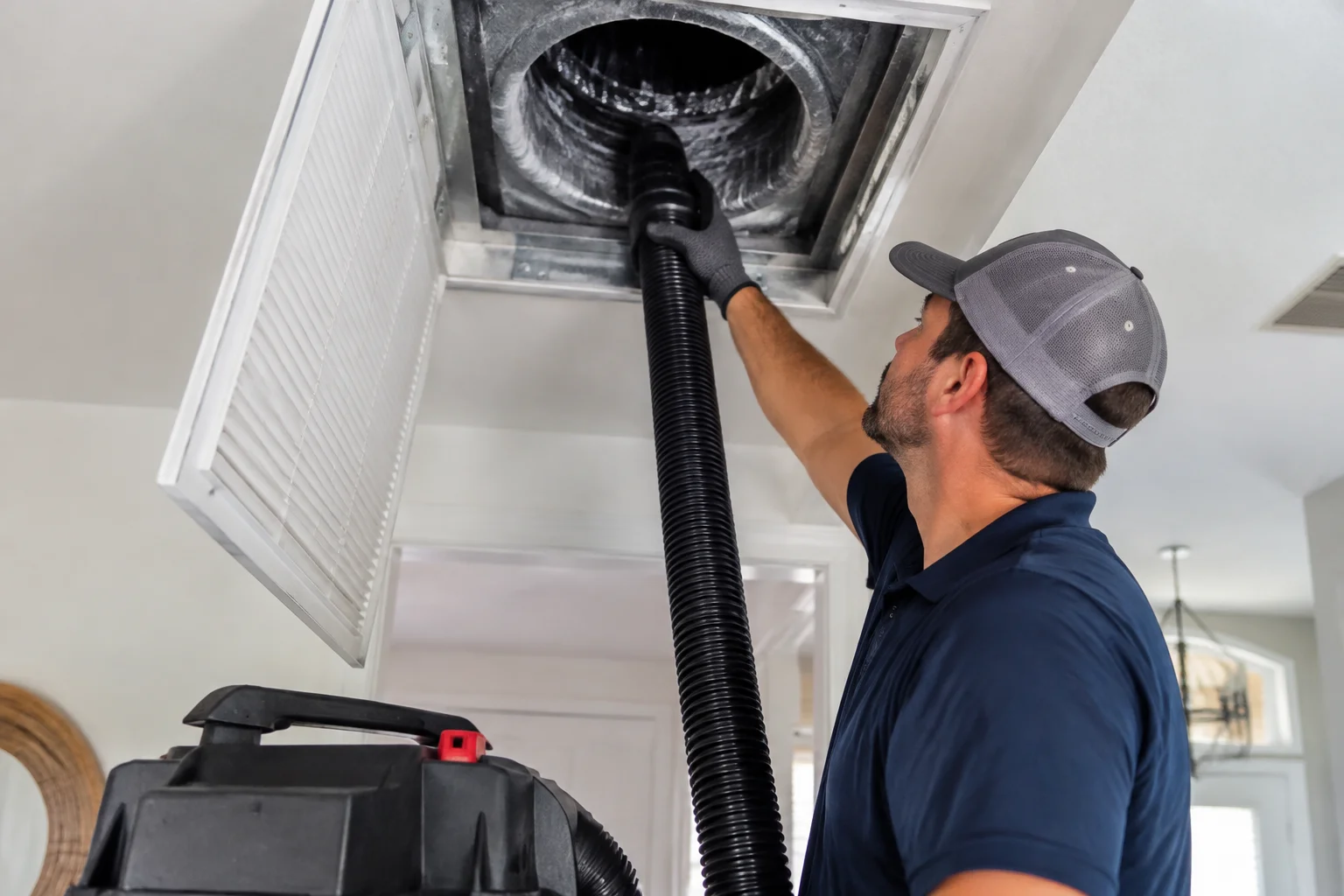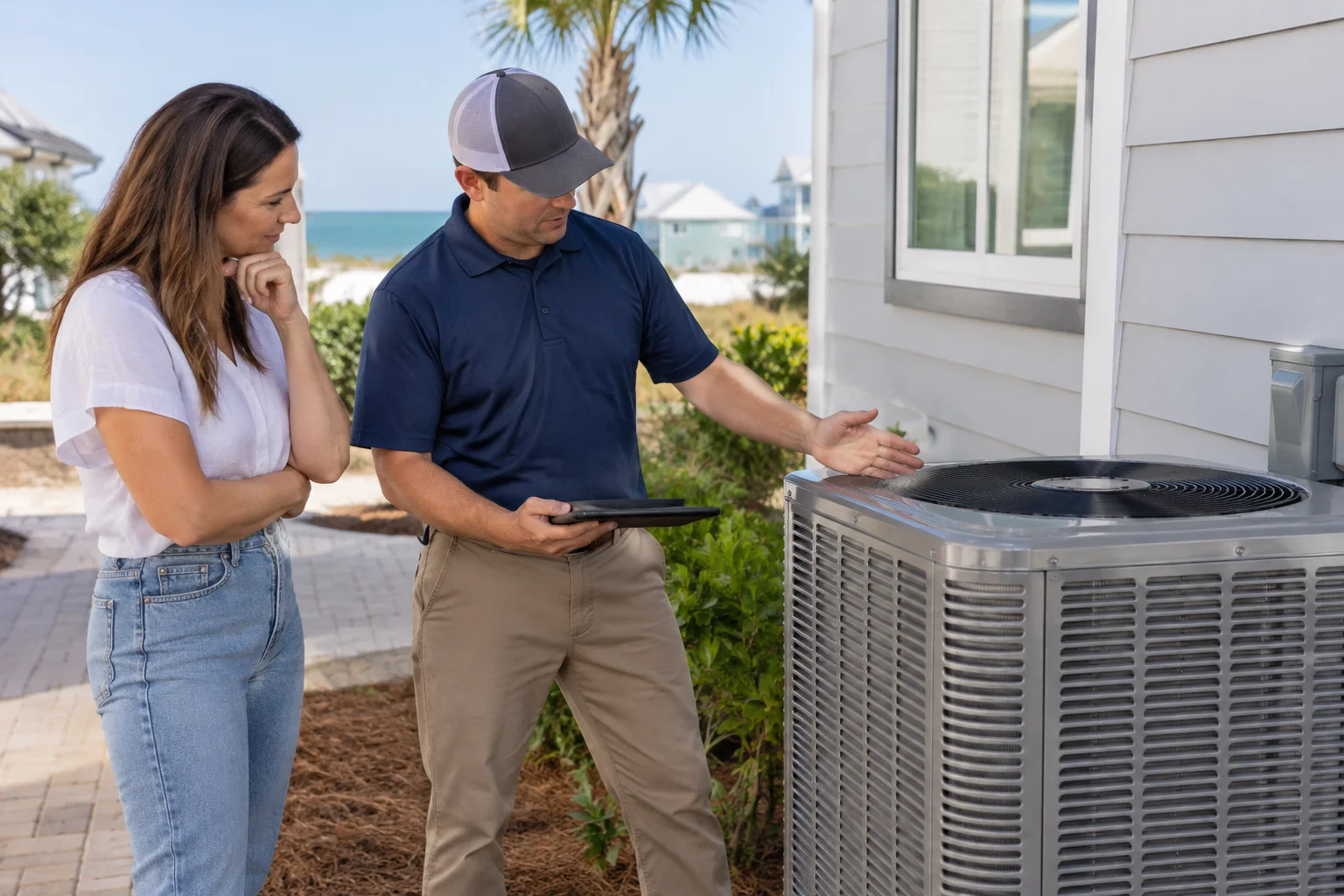
If your AC seems to run nonstop, some rooms stay muggy, or the air feels uneven, ductwork may be the missing link. For local property owners in Crestview, FL, duct inspection is not just a routine check. It is a practical way to find airflow restrictions, leaks, moisture risks, and other issues that can drive up energy use and make indoor air quality harder to manage.
A Superior Mechanical provides professional duct inspection services in Crestview, FL, helping identify problems that can affect comfort and HVAC efficiency across Okaloosa County. If you are searching for duct inspection near me, this guide explains what homeowners should know before the inspection and what to look for after.
Why duct inspection matters more in Crestview’s climate
Crestview sits in Northwest Florida where summers bring heavy humidity and frequent heat. That means your air conditioning system works harder to cool and dehumidify, and your duct system has to move that conditioned air where it belongs. When ductwork leaks or airflow is restricted, the system may run longer to reach comfort, even if the thermostat settings look correct.
Local conditions can also play a role. In many parts of the region, salt air from nearby coastal areas can contribute to corrosion over time. Add attic heat, seasonal temperature swings, and older construction in some neighborhoods, and you have a setup where duct performance can degrade without obvious warning.
Duct inspection helps you understand whether the issue is:
- Airflow imbalance between rooms
- Leaks in supply or return duct connections
- Collapsed or obstructed duct sections
- Moisture problems that can affect condensate drainage and indoor air quality
- Improper duct sizing or poor duct routing
What a duct inspection typically looks for
Every home is different, but a careful duct inspection usually focuses on how air moves through the system and where performance breaks down. Homeowners often notice symptoms first. A professional inspection connects those symptoms to measurable ductwork conditions.
1) Airflow and temperature differences
Uneven temperatures are a common clue. Some rooms may feel too warm, while others feel excessively cold. A duct inspection reviews airflow patterns, supply distribution, and return pathways. Even if your air conditioning service is working, duct restrictions can prevent cooled air from reaching the spaces that need it.
2) Duct leaks and loose connections
Supply ducts can leak at seams, joints, and transitions. Return ducts can leak as well. In a humid climate, leaks can also pull in unconditioned air, which makes dehumidification harder and can contribute to musty odors or inconsistent comfort.
Leaks are not always visible. Some may be hidden in attics, crawl spaces, or behind finished walls. That is why homeowners benefit from a targeted duct inspection rather than guessing based on what you can see.
3) Duct sizing and airflow restrictions
If ductwork is undersized, poorly designed, or partially blocked, airflow can be restricted. That can strain the air handler or furnace blower and reduce system effectiveness. In many cases, the thermostat may show the setpoint is being reached in the immediate area, but the rest of the home does not follow.
4) Moisture and condensation concerns
Humidity is a major factor in Northwest Florida. During cooling cycles, condensation can form where surfaces are cold enough. Duct inspection includes checking for signs that moisture is getting into places it should not.
Moisture issues may also connect to condensate drainage. Even if the condensate line is draining correctly, duct leaks or poor sealing can allow humid air to enter duct cavities. That can create conditions that affect indoor air quality and can lead to odors or microbial growth.
5) Return air pathway problems
Return ducts are just as important as supply ducts. If returns are blocked, undersized, or leaking, the system may pull air from unintended gaps. That can create negative pressure in some areas, pull in humid air, and reduce overall comfort. It can also make the air feel stale because the system is not cycling air efficiently.
Common signs your duct system needs attention
Homeowners often ask for air conditioning inspection near me after noticing comfort issues that seem unrelated to the thermostat. Here are practical clues that ductwork may be a factor.
Room-by-room comfort swings
Hot bedrooms, cool living rooms, or a noticeable temperature gradient from floor to floor can point to airflow imbalance. Duct inspection can help determine whether the issue is duct distribution, return airflow, or another part of the HVAC system.
Weak airflow from vents
If vents feel weak even when the system is running normally, the duct system may have restrictions. Filters and the blower can contribute too, but duct inspection helps confirm whether the airflow path is the bottleneck.
Frequent cycling or long run times
When ductwork leaks or restricts airflow, the system may run longer to cool the home. That can increase energy use and wear on HVAC components. This is especially noticeable in Florida heat when the system is already working hard.
Musty odors or humidity that does not match the thermostat
In humid climates, poor airflow and duct leaks can make it harder for the system to control moisture indoors. If the home feels damp or smells stale, indoor air quality services may be needed, but duct inspection is often an early step because it addresses airflow pathways where moisture can become a recurring problem.
Dust buildup around vents
Dust accumulation around registers and vent seams can sometimes indicate leakage. It is not the only cause of dust, but it is a clue worth investigating during duct inspection.
How duct issues can affect your AC, heat pump, and energy use
Ductwork is part of the overall comfort system. When ducts do not deliver air effectively, the HVAC system compensates. That compensation can show up as higher energy use, uneven comfort, and increased strain on refrigerant systems and airflow components.
For example, with an air conditioning system or heat pump, airflow impacts how well the system transfers heat. Restrictive ductwork can reduce the effectiveness of cooling or heating cycles. That does not automatically mean refrigerant is the problem. It means the system is not operating under the airflow conditions it needs.
That is why professional HVAC service matters. A technician needs to evaluate the whole system, including ductwork, thermostats, airflow distribution, and condensate drainage. Homeowners should be cautious about assuming that a duct problem is actually a refrigerant issue or that a refrigerant issue is actually a duct restriction. Those assumptions require an in-person evaluation to sort out.
Preventive HVAC maintenance makes duct inspection more useful
Duct inspection and preventive HVAC maintenance go together. If filters are clogged, the blower is out of balance, or airflow sensors are not reading correctly, duct inspection results can be harder to interpret. When HVAC maintenance near me is handled consistently, airflow conditions are more stable, and duct inspection can focus on ductwork performance rather than general system problems.
If you are considering duct sealing or duct replacement, maintenance helps ensure the system is ready to respond to the changes. It also reduces the chance of chasing a duct symptom that is actually coming from a different part of the system.
You can also read these local-focused articles for more context:
- Why Duct Inspections Get Complicated in Crestview Homes
- Why Preventive HVAC Service Matters for Duct Inspection in Miramar Beach Homes
- Why Better HVAC Maintenance Makes Duct Inspection More Useful for Lynn Haven Homes
- Why Duct Inspection Matters More in Callaway Homes Facing Seasonal HVAC Stress
Thermostats, airflow, and comfort: what homeowners often miss
Sometimes ductwork issues show up as thermostat complaints. A thermostat may be set correctly, yet the home feels wrong. This can happen when supply air does not reach certain rooms, returns do not pull air properly, or duct leaks allow conditioned air to escape before it reaches the living space.
Homeowners may search for heating services or air conditioning systems and still experience inconsistent comfort if ductwork is the limiting factor. That is why duct inspection should be part of a broader HVAC conversation, including thermostat performance and airflow distribution.
If you are looking for HVAC company near me work, ask whether duct inspection is included in their diagnostic approach when the complaint is uneven comfort or humidity control problems.
What duct sealing or duct replacement means for your home
After an inspection, homeowners may hear recommendations such as duct sealing near me. Duct sealing can address certain leaks and improve how air is delivered. In other situations, duct replacement may be recommended if sections are damaged, severely restricted, or not set up to perform safely and effectively.
It is normal to have questions about what is being fixed and why. A professional HVAC contractor should be able to explain what they found, how it affects airflow and indoor air quality, and what changes are likely to improve performance.
Keep in mind that duct sealing and duct replacement are not the same as refrigerant service. If a technician identifies airflow and duct distribution problems, sealing or replacing duct sections can improve system operation without jumping straight to refrigerant-related assumptions.
Emergency cooling concerns: when duct issues should not be ignored
Florida heat can become an emergency quickly, especially when indoor humidity is high. If your AC fails during a hot stretch, emergency cooling concerns can be urgent. While ductwork problems can contribute to comfort issues, an AC that stops working completely may involve other parts of the system.
If you need emergency AC repair near me, focus on getting the system checked promptly. A duct inspection can still be useful, but it is important that the technician evaluates the operating equipment and airflow conditions in person. Do not assume the problem is only duct leakage if the system is not cooling at all.
Questions to ask during duct inspection in Crestview
When a technician arrives, you can make the inspection more productive by asking clear questions. Here are homeowner-friendly prompts that help connect symptoms to ductwork findings.
“Which rooms are getting the least airflow, and why?”
This helps you understand whether the issue is supply distribution, return airflow, or duct restrictions.
“Are there visible leaks, and are there hidden problem areas?”
Even if you cannot see anything, the technician may be able to check joints, transitions, and areas where leaks commonly develop.
“Could humidity or moisture be getting into the duct system?”
Because Crestview homes experience high summer humidity, moisture evaluation is a key part of duct inspection for comfort and indoor air quality.
“How does this relate to my energy use?”
Leaky or restricted ductwork can cause longer cooling cycles. Ask how the duct system affects overall performance so you understand the practical impact.
“What HVAC maintenance should I do between inspections?”
That includes filter changes, thermostat settings, and general upkeep. Preventive HVAC maintenance helps keep airflow conditions steady so duct inspection remains accurate and actionable.
Why local, professional HVAC service is the safer route
Duct inspection is not something to rely on guesswork. A careful approach matters because ductwork connects to the performance of the entire HVAC system, including refrigerant systems, condensate drainage, thermostats, and airflow components. The right findings guide the right next steps, whether that means duct sealing, duct replacement, or broader HVAC repair.
Homeowners in Crestview also benefit from working with a local team that understands the region’s heat and humidity patterns, common installation styles, and the ways duct performance can drift over time. If you are a property owner managing comfort for tenants or your own household, consistent HVAC service can also support long-term indoor air quality goals.
If you are exploring options for different property types, you may also want to review Commercial HVAC Installation for commercial ductwork considerations, especially when ventilation requirements and comfort expectations are more complex. For standard residential comfort, Air Conditioning Replacement may come up later if the system is outdated and duct improvements alone cannot restore comfort.
For duct inspection focused on airflow, leaks, and moisture concerns, start with a professional evaluation at A Superior Mechanical’s duct inspection service page. You can also browse the broader service area information at our Crestview page or Okaloosa County services.
When to schedule duct inspection for your Crestview home
Many homeowners schedule duct inspection after comfort problems start, but you can benefit from planning ahead. Consider scheduling when:
- You notice persistent uneven temperatures during summer cooling
- Your energy use rises without an obvious thermostat change
- Humidity feels higher than it should for the thermostat settings
- You recently moved into a home with unknown maintenance history
- You are preparing for system replacement and want to evaluate airflow first
For people searching for duct inspection near me because they are planning an AC repair or heat pump repair, duct inspection can help prevent repeat troubleshooting. It can also support better decisions about whether the next step is duct sealing, duct replacement, or another HVAC repair path.
Find Duct Inspection in Crestview, FL
If you need Duct Inspection in Crestview, FL, visit our local service page or contact A Superior Mechanical today.
Map of Crestview, FL
Frequently Asked Questions
How do I know if my comfort problems are caused by ductwork or my AC system?
Comfort issues can come from several places, including airflow restrictions, return problems, thermostat settings, and equipment performance. A duct inspection evaluates air distribution and duct leaks so the technician can determine whether ductwork is contributing to weak airflow, uneven temperatures, or humidity control problems.
Can duct leaks affect indoor air quality in a Crestview home?
Yes. Duct leaks can pull in unconditioned air and allow moisture to enter duct cavities, which can impact indoor air quality. An inspection can also help identify airflow patterns that make it harder for the system to filter and circulate air effectively.
Is duct sealing or duct replacement the right solution for every home?
No. The best option depends on what the inspection finds, such as the location and severity of leaks, duct damage, and airflow restrictions. A professional evaluation should explain what is being fixed and why, after inspecting your specific duct layout.
Will duct inspection help if my heat pump or AC runs but does not cool evenly?
Often, yes. Uneven cooling can be related to airflow distribution and return duct performance. A duct inspection near Crestview can help confirm whether the system is delivering conditioned air where it should, rather than assuming the issue is only refrigerant or equipment operation.
Should I schedule duct inspection before AC replacement?
It can be a smart step. If ductwork is leaking or restricted, it can limit the performance of a new system. Evaluating ducts before replacement helps you make better decisions about the overall setup for comfort, energy use, and indoor air quality.
Related Articles
Photo Gallery