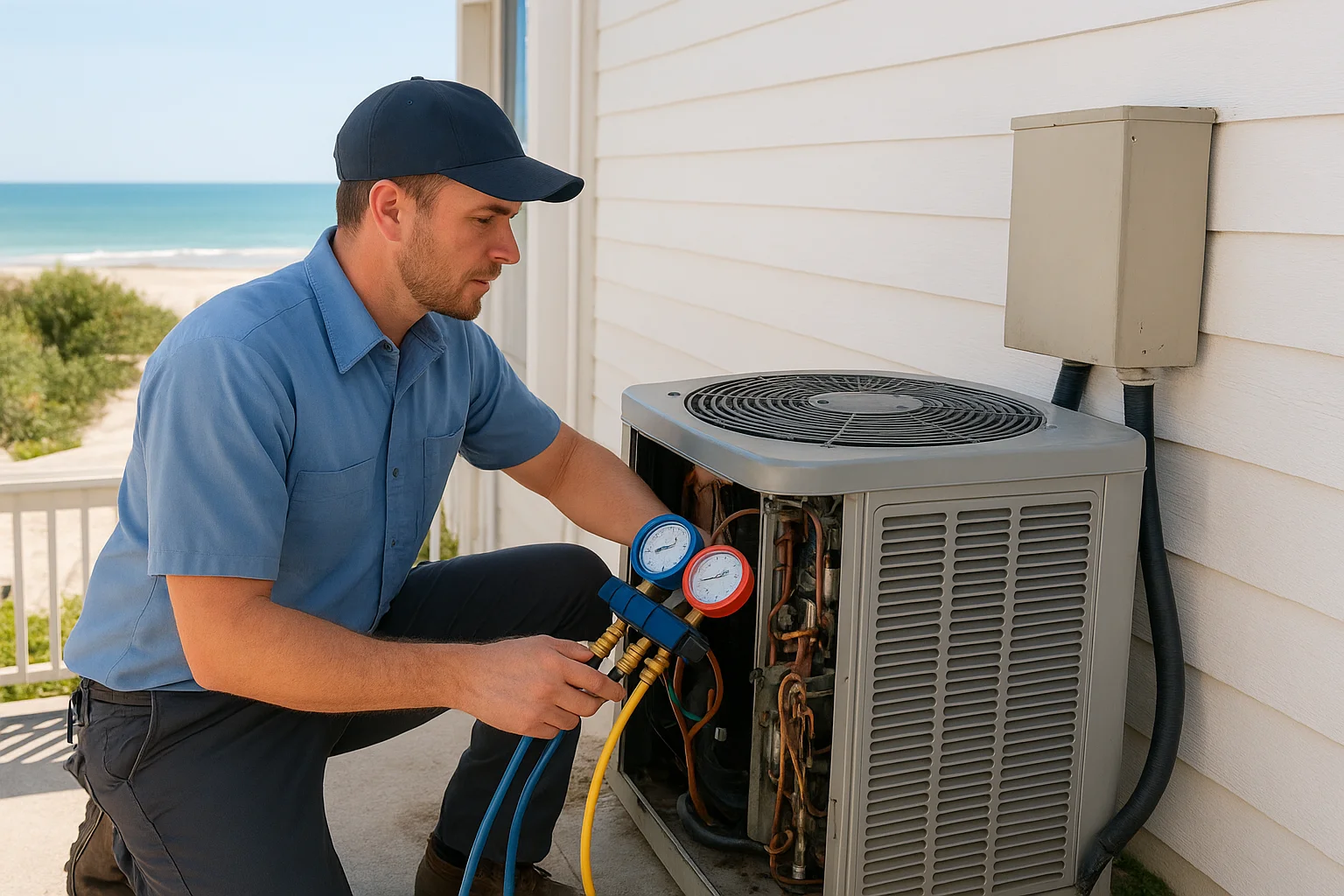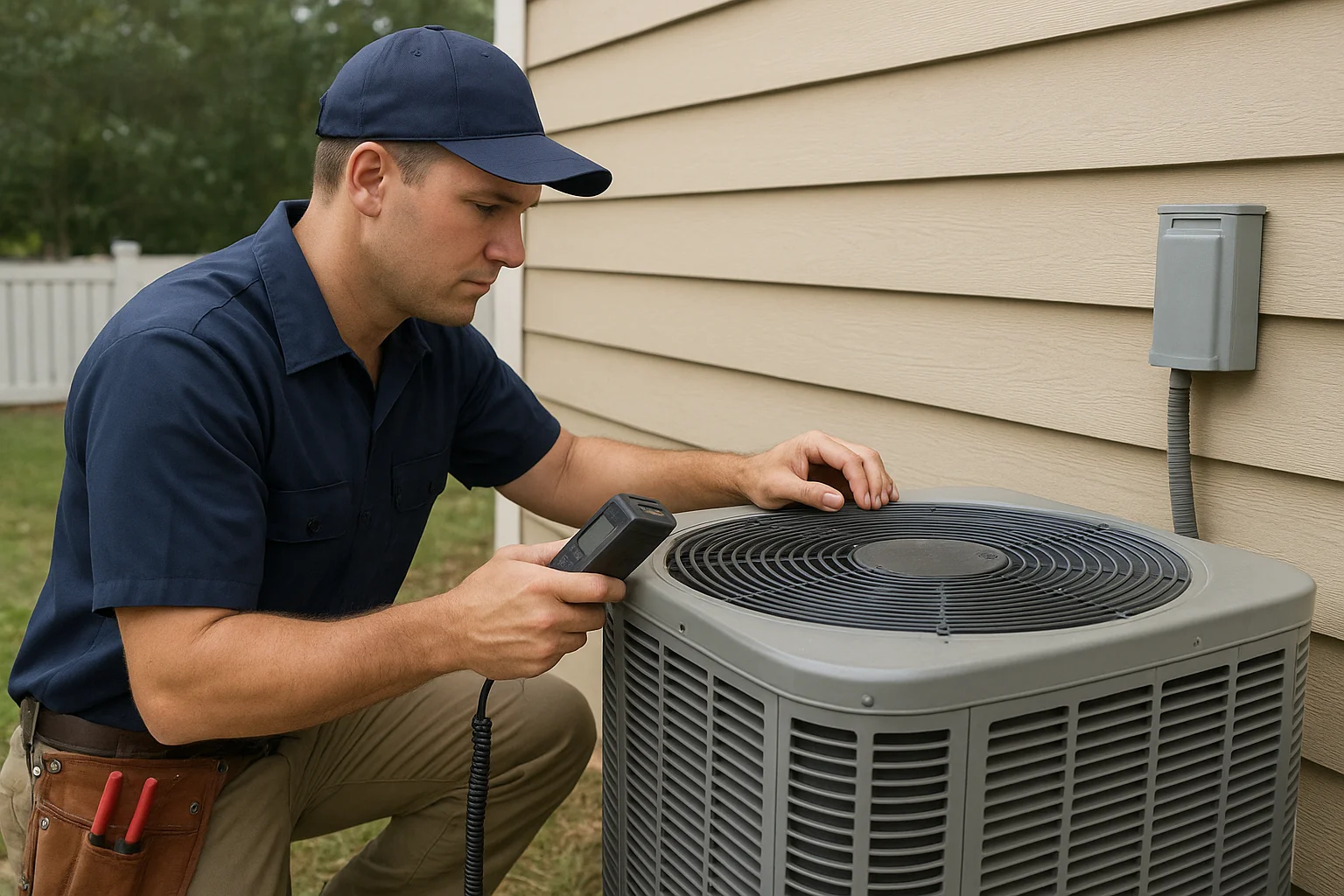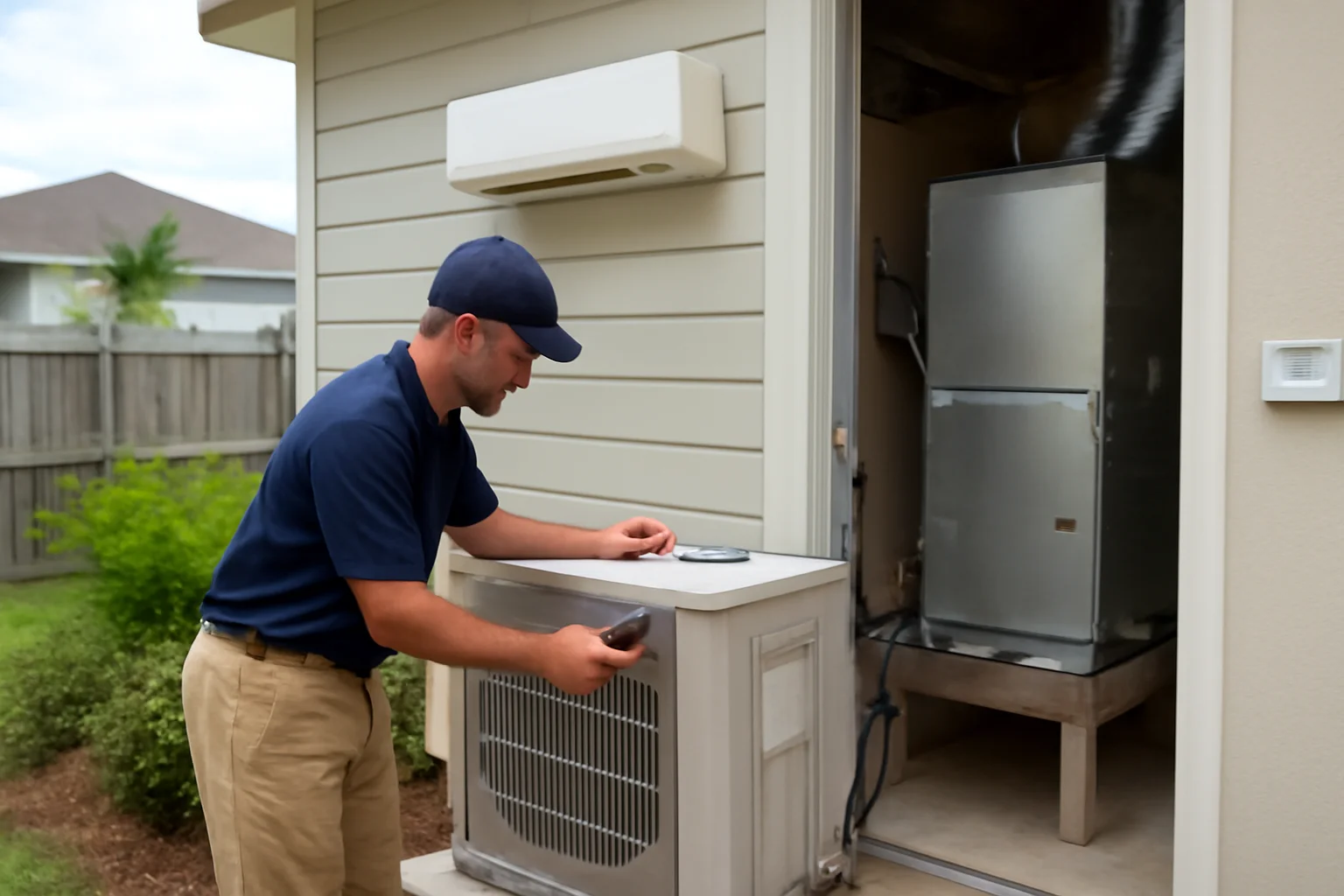
Latitude Margaritaville Watersound, FL has a specific kind of HVAC challenge: long stretches of heat, frequent humidity, and coastal salt air that can work on systems over time. Ductless mini-splits can be a great fit for zoned comfort in both newer homes and older layouts, but the best results come from planning ahead. A Superior Mechanical helps homeowners think through placement, airflow, refrigerant system considerations, condensate drainage, and maintenance so your mini-split is ready for the next summer surge.
Start with your home’s comfort goals, not just the equipment
Before you choose a ductless mini-split, map out what you want to improve. In Latitude Margaritaville Watersound, many homes struggle with uneven temperatures from room to room, especially when the home has vaulted ceilings, large windows, sun-exposed bedrooms, or additions. Some older homes also have ductwork that is undersized, leaky, or simply not designed for today’s comfort expectations.
Ductless mini-splits offer targeted cooling and heating to specific zones. That means you can plan for comfort where you need it most, such as bedrooms at night, a home office during the day, or a guest space that is often too warm. Planning early also helps you avoid common mistakes like oversizing one zone and leaving another zone under-conditioned.
If your home is also dealing with airflow issues from existing ductwork, it can help to review how your current system distributes air. You can read more about this in Keeping Coastal Homes Comfortable Starts with Better Ductwork in Latitude Margaritaville Watersound.
How older homes and newer builds change the planning checklist
The planning steps are similar, but priorities shift depending on the home.
Older homes: layout, insulation, and airflow realities
In older homes, you may notice hot spots near certain rooms, drafts, or rooms that never quite match the rest of the house. Ductless mini-splits can help because they bypass some ductwork limitations. Still, you should plan for how air will move. A mini-split indoor head needs proper clearances and a location that supports airflow circulation, not just a spot that is convenient to install.
Older insulation and air sealing also matter. If the home is losing conditioned air, your mini-split may run longer than expected to maintain the thermostat setting. That increases wear and raises energy use, especially during peak humidity periods.
Newer homes: zoning opportunities and system integration
Newer homes may have better insulation and tighter building envelopes. That can improve comfort and efficiency when the ductless mini-split is sized correctly for the space. Even so, newer layouts can still create uneven temperatures due to large glass areas, open-concept living spaces, or multi-story designs.
If you are considering a multi-zone approach, planning includes how many indoor heads you want, which rooms should be prioritized, and how the thermostat strategy will support daily comfort. You can also explore advanced options like VRF Multi-Zone Systems if your home design calls for more than a typical single system setup.
Placement: the difference between “installed” and “effective”
In coastal Bay County, placement is where comfort planning becomes real. Indoor heads need good airflow access. Outdoor units need a location that can handle summer heat and humidity while still allowing service access for maintenance and potential mini split repair.
Common placement considerations include:
- Indoor head location so airflow reaches the room without blasting occupants directly.
- Clearances around the indoor and outdoor units to support airflow and safe operation.
- Wall routing for refrigerant lines and condensate drainage paths.
- Outdoor unit exposure to salt air and wind patterns, which can affect long-term maintenance needs.
Professional planning also accounts for how the home is used. For example, if a bedroom is occupied mostly at night, you may prefer a thermostat schedule that supports stable temperatures without constant cycling.
Humidity control in Watersound: plan for comfort that lasts
In Florida heat, humidity is often the hardest part to manage. Ductless mini-splits are designed to remove moisture during cooling, but comfort depends on system performance, correct installation, and airflow. If airflow is restricted or the system is not matched to the space, humidity can linger and rooms can feel clammy even when the thermostat reads a comfortable temperature.
Planning ahead includes:
- Choosing the right number of zones so each area can be conditioned effectively.
- Ensuring indoor airflow is not blocked by furniture, curtains, or layout constraints.
- Verifying condensate drainage so moisture is managed properly during long cooling runs.
Because coastal salt air can accelerate corrosion on outdoor components, homeowners should also plan for routine preventive HVAC maintenance rather than waiting until problems show up.
Refrigerant system planning: what you should and should not guess
Ductless mini-splits rely on a refrigerant system to move heat. Homeowners do not need to handle refrigerant, but you should understand why planning matters. Refrigerant line routing, correct system sizing, and installation quality influence how the system performs under Florida summer conditions.
It is not appropriate to attempt a refrigerant diagnosis at home. If you ever notice symptoms like persistent temperature swings, unusual noises, or frequent shutdowns, contact a licensed HVAC contractor for an in-person evaluation. Refrigerant issues can be complex and require proper testing and safe handling.
If you are researching ductless AC service near me or HVAC repair near me, look for a contractor who can explain the installation plan and will inspect the system during commissioning, not just perform a quick set-and-go installation.
Condensate drainage: the hidden part of ductless performance
During cooling, mini-splits produce condensate. Proper condensate drainage protects your floors, walls, and indoor air quality. In areas of high humidity like Watersound, condensate production can be steady during long cooling seasons.
Planning ahead means confirming:
- Drain routing is correct and protected from freezing risk if you rarely see cold snaps, but still needs to manage moisture reliably.
- Drain slope and termination are appropriate for the installation method.
- Overflow protections are considered where needed based on the home layout.
If drainage is wrong or partially blocked, you might see water issues near the indoor unit or notice reduced comfort that feels like the system is not cooling properly. That is a good time to schedule HVAC service near me so the problem can be evaluated safely.
Thermostats and schedules: set expectations for zoned comfort
Thermostats play a big role in ductless comfort and energy use. With zoned systems, you can often maintain different temperatures in different areas. That is helpful in a home where one room runs warmer due to sun exposure or where older rooms were built with different insulation levels.
Planning tips:
- Use schedules that match occupancy rather than keeping every zone at the same setpoint all day.
- Start with realistic targets for humidity comfort. A single temperature number does not always reflect how damp a room feels.
- Confirm airflow settings so you are not fighting the system with blocked vents or poorly directed air.
If you are adding or upgrading controls, thermostat installation near me searches often point homeowners to many options. Choose a licensed HVAC contractor near me who can recommend thermostat settings based on your home’s layout and how the mini-split will be used.
Airflow and ductwork: when ductless still benefits from duct planning
Ductless mini-splits do not require ductwork for the conditioned air they deliver. However, your home may still have existing ductwork for other parts of the system, or you may use return pathways that affect overall circulation.
For homeowners who are combining ductless zones with existing HVAC, planning includes checking how air moves through the home. If you have ductwork that is poorly sealed or imbalanced, you may notice pressure differences that affect comfort. You can also explore Ductless Mini-Splits in Inlet Beach Homes: Comfort, Airflow, and Coastal Humidity for more on how coastal conditions influence airflow and humidity control.
For homes that are mostly ductless, airflow planning still matters. Indoor heads need unobstructed circulation, and the system’s control strategy should match the room’s use patterns.
Coastal considerations: salt air, corrosion, and long-term upkeep
Latitude Margaritaville Watersound sits in a coastal environment where salt air can increase wear on outdoor components. That does not mean ductless mini-splits are a poor choice, but it does mean you should plan for maintenance that addresses coastal exposure.
Preventive steps include:
- Keeping outdoor areas clear so airflow is not restricted.
- Scheduling filter and coil care to support indoor air quality.
- Inspecting condensate drainage during routine checkups.
- Reviewing outdoor unit condition so corrosion effects are identified early.
Homeowners often ask about AC tune up near me before the busiest months. In a humid coastal climate, a tune up is not just about performance. It is also about preventing the system from being pushed harder than it should be when temperatures climb.
Preventive HVAC maintenance plan for your mini-split zones
Planning ahead includes scheduling maintenance before the season peaks. A good maintenance rhythm helps your ductless mini-splits operate consistently, supports better indoor air quality, and reduces the odds of a mid-summer breakdown.
A practical plan for Watersound homeowners:
- Before peak cooling: inspect and clean filters and check indoor unit airflow.
- During the cooling season: watch for symptoms like weak cooling, unusual sounds, or poor humidity control.
- After peak months: schedule service to check system performance and drainage.
To keep your ductless system and any connected comfort equipment running well, consider Air Conditioning Maintenance. If you are trying to build an overall service schedule for your home, you can also browse the Latitude Margaritaville Watersound service area for local HVAC options.
System replacement planning: timing and decision factors
Many homeowners do not plan for replacement until something fails. A better approach is to plan based on system condition, performance history, and comfort needs. Ductless mini-splits can be a long-term solution, but they still require maintenance, and coastal conditions can affect wear patterns.
When you are thinking about HVAC replacement near me, consider these decision factors:
- Comfort consistency: Are certain rooms chronically uncomfortable?
- Energy use: Is the system running longer than it used to to maintain setpoints?
- Moisture management: Any signs of condensate drainage issues or lingering humidity?
- Service history: Frequent repairs can indicate a system that is reaching the end of its practical lifespan.
Do not assume replacement is the only option. A licensed HVAC contractor can evaluate whether repairs or adjustments solve the problem. If refrigerant systems or electrical components are involved, an in-person assessment is the safe and correct path.
Common ductless mini-split issues homeowners in Watersound notice
Knowing what to look for helps you avoid waiting too long. Here are issues that commonly show up in humid coastal climates, including older homes with uneven airflow and newer homes with complex room layouts.
Poor cooling or uneven temperatures
If one room cools well and another does not, the cause could involve airflow placement, insulation differences, thermostat settings, or system capacity for that zone. It is also possible that the indoor head is not receiving the right airflow due to obstructions. A professional can confirm the installation plan and check system performance.
Musty smells or indoor air quality complaints
Musty odors can be a sign of moisture-related problems, dirty filters, or drainage issues. Indoor air quality matters in Florida humidity because allergens and particulates can feel more noticeable when airflow is not managed well. Regular cleaning and inspection are key.
Water near the indoor unit
Visible water or dampness suggests a condensate drainage problem. Address it promptly to protect finishes and prevent recurring comfort issues.
Unusual noises or frequent cycling
Any persistent rattling, clicking, or repeated on-off behavior warrants a professional evaluation. Do not ignore these symptoms, especially during the hottest weeks when you need reliable emergency cooling.
When to call for help, including emergency cooling concerns
Some ductless mini-split problems can wait for scheduled service. Others should be addressed quickly, especially during peak Florida heat and humidity. If you are searching for emergency AC repair near me, that usually means you need cooling restored fast because indoor temperatures can climb quickly.
Contact A Superior Mechanical or another licensed HVAC company when you notice:
- The unit will not cool or will not maintain temperature in a critical zone.
- Water leaks, strong odors, or drainage concerns.
- Repeated shutdowns, unusual noises, or consistent performance decline.
For non-urgent concerns, scheduling HVAC repair near me or mini split repair near me during the off-peak window can help you avoid delays when demand is highest.
Planning for a smoother install: questions to ask your contractor
When you meet with an HVAC contractor about ductless mini-splits, use your planning time to ask clear questions. This helps you avoid surprises and makes sure the installation matches your home.
Consider asking:
- How will you choose indoor head locations to support airflow and comfort in each room?
- How will condensate drainage be routed and protected for my home layout?
- How will you size the system for the Florida heat and humidity in Watersound?
- What preventive HVAC maintenance plan do you recommend for coastal exposure?
- How will thermostats be configured for zoned comfort and energy use?
If you want to compare options for different property types, you can also read Camp Creek Homes and the Case for Ductless Mini-Splits That Handle Heat, Humidity, and Uneven Rooms to see how planning differs across layouts.
Local resources: use Bay County service coverage to your advantage
When HVAC problems pop up, local experience matters. A contractor who works regularly in Bay County understands the climate patterns, humidity load, and common installation realities in coastal neighborhoods and planned communities like Latitude Margaritaville Watersound.
For homeowners who want to explore ductless options and service coverage, the service area overview on Latitude Margaritaville Watersound is a useful starting point. For the specific ductless focus, review ductless mini-splits for Latitude Margaritaville Watersound. If you are also managing commercial comfort needs, you can compare service options on Commercial HVAC Repair.
Ready for the next summer surge: your pre-season checklist
Planning ahead does not have to be complicated. Use this checklist to keep your ductless mini-splits ready for Florida heat and humidity.
- Confirm indoor heads are unobstructed and positioned for proper airflow.
- Check that condensate drainage is working as expected and that you do not see water where it should not be.
- Schedule preventive HVAC maintenance before peak cooling demand.
- Review thermostat schedules for occupied hours and prioritize the rooms that matter most.
- Note any early warning signs like uneven temperatures, musty odors, or rising run times.
When you plan this way, your system is less likely to surprise you when temperatures climb and humidity sticks around. And if you ever do need mini split repair, you will already know what to watch for and how to describe the problem clearly to a licensed HVAC contractor.
Find Ductless Mini-Splits in Latitude Margaritaville Watersound, FL
If you need Ductless Mini-Splits in Latitude Margaritaville Watersound, FL, visit our local service page or contact A Superior Mechanical today.
Map of Latitude Margaritaville Watersound, FL
Frequently Asked Questions
How do I know how many ductless mini-split zones I need for my Latitude Margaritaville Watersound home?
Start with how your rooms feel during hot, humid days. If certain areas are consistently warmer, have different sun exposure, or are used at different times, zoning can help. A Superior Mechanical can review your layout and comfort goals during an in-person evaluation to recommend an approach that supports airflow and humidity control.
What should I watch for if I suspect a condensate drainage problem with my mini-split?
Watch for water near the indoor head, recurring dampness, or musty odors that seem to appear during cooling. Condensate drainage issues can affect comfort and indoor air quality, so it is best to have an HVAC professional inspect the system rather than trying to troubleshoot it yourself.
Can ductless mini-splits help with indoor air quality in a humid coastal climate?
They can, especially when filters and indoor units are maintained. Clean filters and proper airflow help reduce dust and improve comfort. Because coastal humidity can amplify how “stale” air feels, preventive maintenance is important for healthy indoor conditions.
If my mini-split is not cooling evenly, is it always a refrigerant issue?
No. Uneven cooling can come from airflow placement, room load differences, thermostat settings, dirty filters, or drainage concerns. Refrigerant system problems require safe testing by a licensed HVAC contractor, so avoid guessing and schedule an in-person diagnosis.
When should I call for emergency AC repair near me?
Call quickly if a critical zone will not cool during peak heat and humidity, if you notice water leaks, or if the unit repeatedly shuts down or makes unusual noises. For urgent comfort needs, a licensed local HVAC contractor can help assess the issue and restore cooling safely.
Related Articles
- Ductless Mini-Splits in Upper Grand Lagoon: Efficiency That Holds Up in Bay County Heat
- Keeping Coastal Homes Comfortable Starts with Better Ductwork in Latitude Margaritaville Watersound
- Camp Creek Homes and the Case for Ductless Mini-Splits That Handle Heat, Humidity, and Uneven Rooms
- Ductless Mini-Splits in Inlet Beach Homes: Comfort, Airflow, and Coastal Humidity
Photo Gallery