Reverse osmosis can be one of the most effective ways to improve drinking water in a home, especially when you want cleaner water for drinking, cooking, and everyday bathing. But even well-installed systems can run into trouble over time. In Camp Creek, FL, the combination of household water chemistry, seasonal changes, and how people use their water can push RO systems toward problems that show up as taste issues, cloudy ice, scale buildup, or dry skin.
If you have a newer home with a modern clean water system or an older home that already has plumbing upgrades, it helps to know what commonly causes reverse osmosis problems in Camp Creek. Catching water quality problems early can help you protect your family’s drinking water and keep your system from failing at the worst moment.
Why reverse osmosis can develop problems in Camp Creek homes
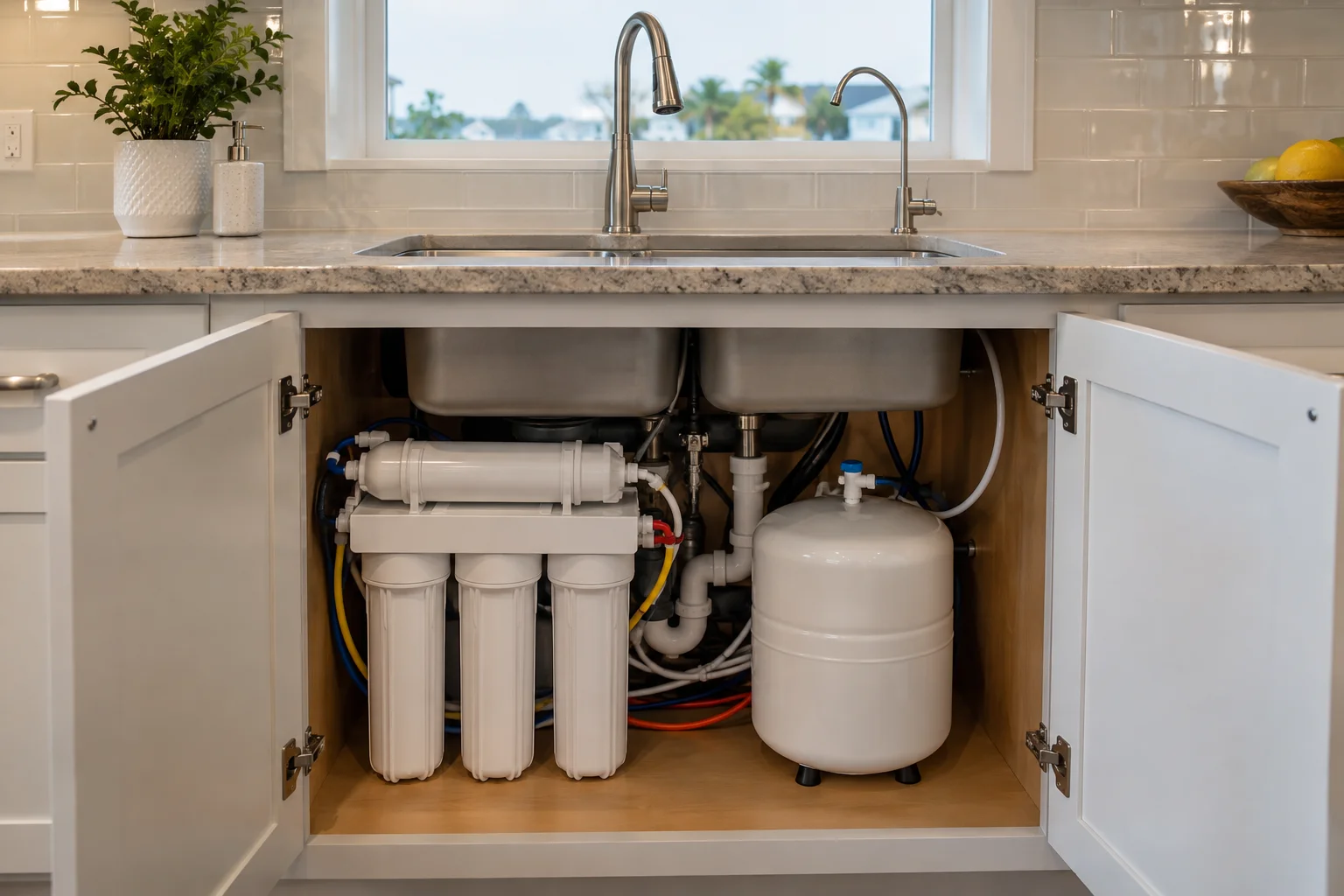
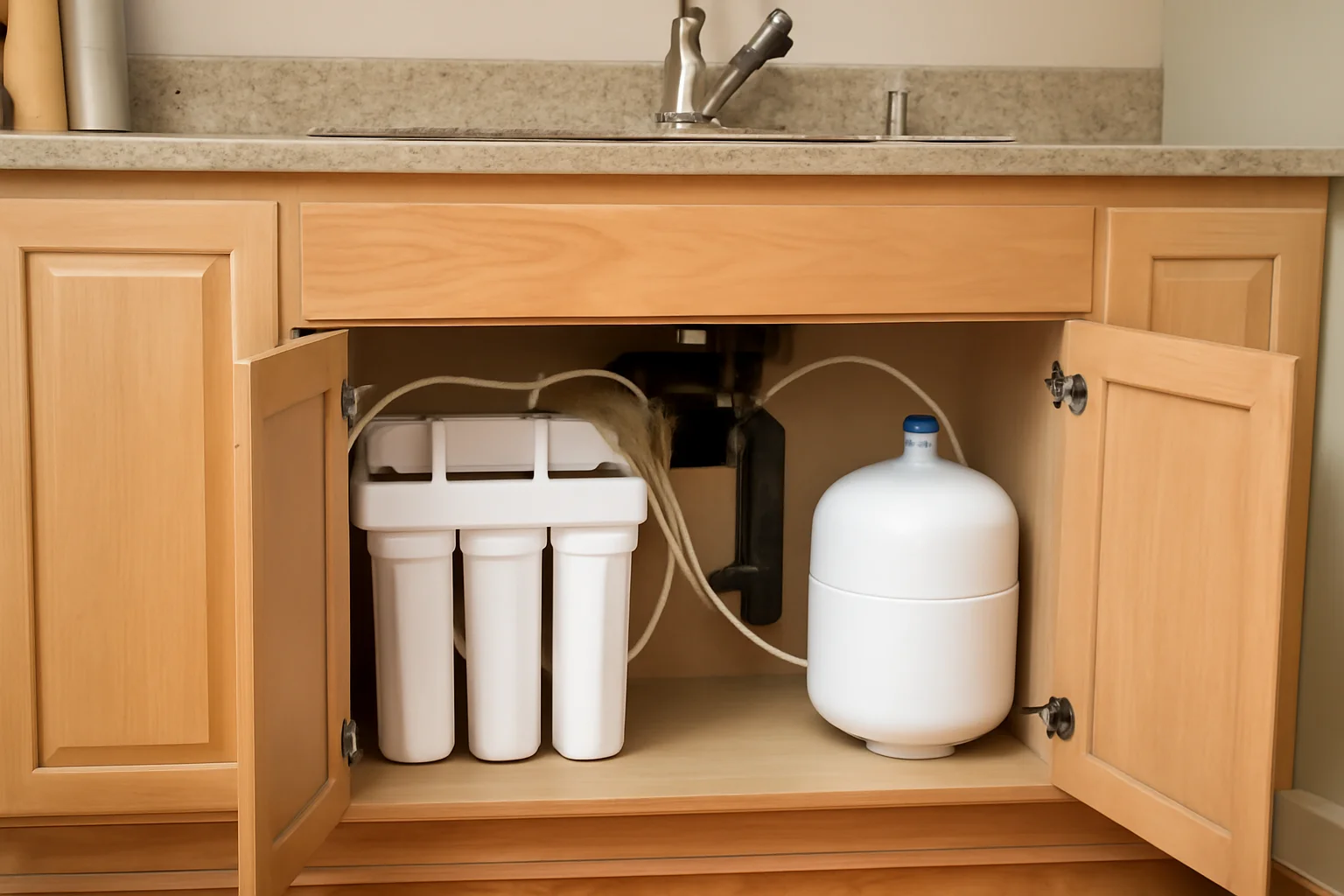
Reverse osmosis works by forcing water through a semi-permeable membrane that reduces many dissolved contaminants. Before water reaches the membrane, most RO systems use pre-filters, such as sediment and carbon filters, to protect the membrane and improve performance.
When those pre-filters clog, when the membrane ages, or when the system is out of balance, you can see symptoms throughout the home. In Camp Creek, homeowners often notice issues that also point to water chemistry challenges, including hard water spots on glass, scale buildup around faucets and showerheads, and water that can leave residue or feel less comfortable for bathing.
RO systems can be affected by:
- Water hardness and mineral content
- Sediment and particulate in the incoming water
- Chlorine or chloramines that can stress membranes
- Filter and membrane life that depends on flow rate and usage
- System installation details and ongoing maintenance
- Pressure changes and improper storage tank performance
Early warning signs your RO system is slipping
Some RO problems show up quietly first. The best approach is to watch for patterns in your water and connect them to what the system is doing.
1) Metallic, chlorinated, or unpleasant taste
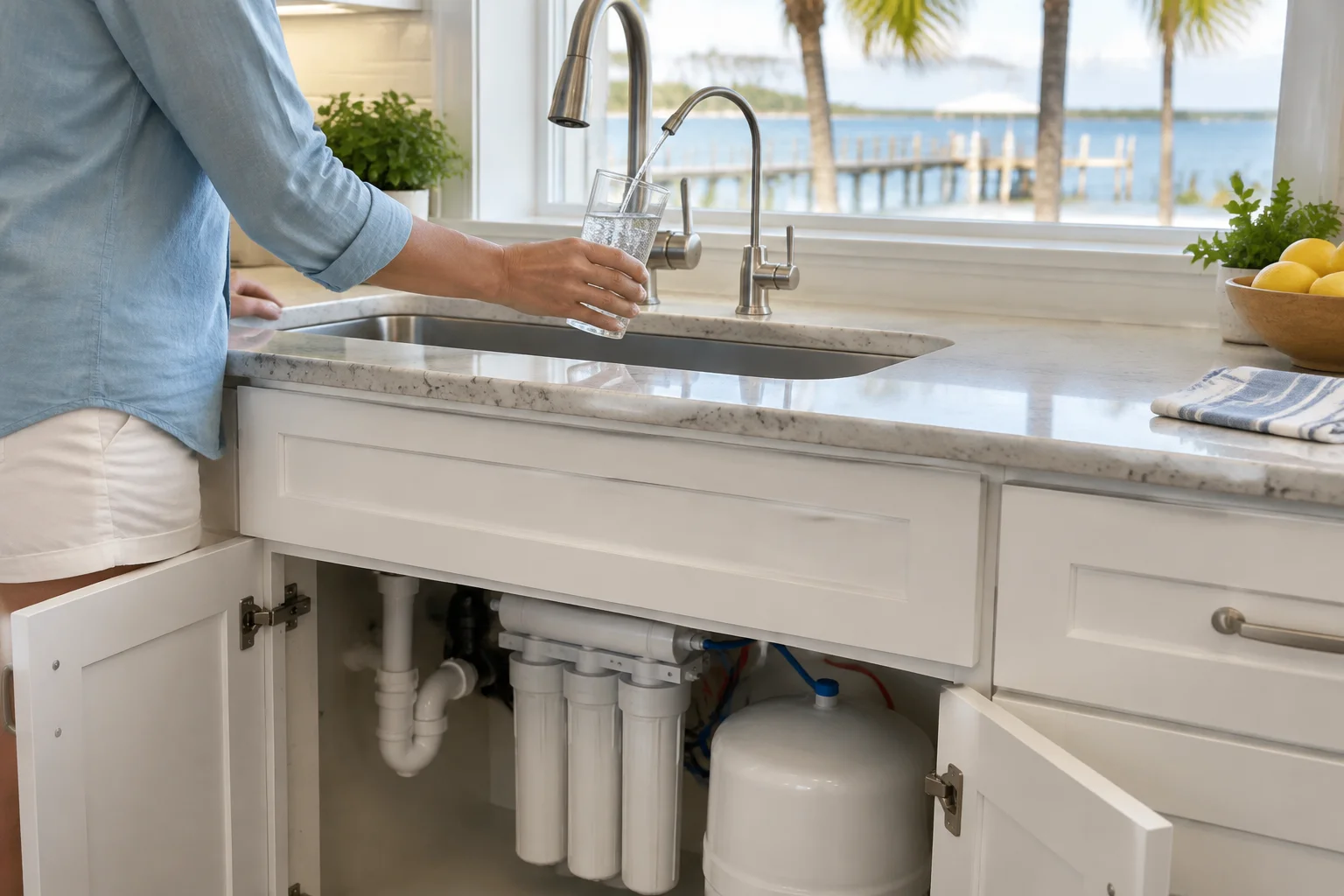
If your RO drinking water begins tasting metallic or “chlorinated,” it can mean carbon filtration is no longer doing its job or the membrane is no longer filtering consistently. Homeowners often notice the taste most when filling a glass for the kitchen, making coffee, or using RO water for cooking.
You might also see this alongside symptoms like poor tasting coffee and cooking water, especially if your RO water is no longer removing taste and odor compounds effectively.
2) Cloudy ice cubes from RO water
Cloudy ice cubes can happen for multiple reasons, but when it comes to RO systems, it often points to dissolved solids, fine particles, or a filtration problem that is letting more material pass than usual. If you are making ice from RO water and the clarity changes, treat it as a signal that the system needs attention.
3) Visible sediment, discoloration, and odor concerns
RO water should not look dirty. If you notice visible sediment, discoloration, or an odor that wasn’t there before, the system could be experiencing:
- Clogged pre-filters that are breaking through
- Membrane performance decline
- Issues with the RO storage tank or plumbing connections
4) Soap that does not lather or rinse well
When water chemistry shifts toward more hardness, soap can struggle. You may notice that soap feels slimy, does not lather, or rinses poorly. That often connects to the same mineral patterns that cause hard water spots on glass and scale buildup around fixtures.
RO systems can improve taste and reduce certain contaminants, but if your system is not being maintained or if hardness management is missing, you may still feel the effects during bathing and laundry.
5) Dry skin or dull hair after bathing
Many homeowners describe dry skin from hard water or dull hair that does not feel as clean. If your family starts noticing changes after months of “pretty good” water, check the RO system schedule and look for other signs like scale on showerheads.
6) Appliances wearing out faster
When scale accumulates, it can reduce heat transfer and strain components. You might see earlier wear in:
- Coffee makers and kettles
- Dishwashers
- Water heaters and other water-using appliances
This is where RO performance, hardness, and whole home water management overlap. Better water can help appliances last longer, but it requires the right treatment approach and consistent service.
Common causes of RO problems in older vs. newer Camp Creek homes
Camp Creek includes a mix of older homes and newer construction. Both can have RO issues, but the causes differ depending on plumbing layout, water chemistry exposure, and how the system was set up.
Older homes: scale, sediment, and plumbing history
In older homes, RO systems may be added after years of existing plumbing conditions. Over time, mineral scale and sediment can build up in pipes, valves, and fixtures. When you install or rely on RO without addressing the upstream conditions, pre-filters can clog faster.
Older homes may also have:
- More variable water pressure
- Higher chances of sediment entering the system
- Older shutoff valves that can affect flow
- Fixture buildup that suggests ongoing hardness and scaling
Homeowners often notice scale buildup around faucets, showerheads, and plumbing in these situations. That same mineral environment can challenge RO membranes, especially if the system is not protected with appropriate pre-treatment.
Newer homes: correct design, but maintenance still matters
Newer homes typically have cleaner plumbing at the start. However, RO systems still depend on filter and membrane replacement schedules, correct pressure settings, and adequate pre-filtration. If usage patterns change, or if the incoming water chemistry shifts seasonally, even a newer RO system can struggle.
Newer homes can run into problems when:
- Pre-filters are not replaced on time
- The system is oversized or undersized for household demand
- Water pressure is outside the manufacturer’s range
- Carbon filtration is exhausted and taste returns
Even if you have installed an AO Smith water filtration setup or a newer reverse osmosis installation, the system still needs ongoing service to protect performance and maintain better tasting drinking water.
Hard water, scale, and the RO membrane stress cycle
Hard water is more than a nuisance. It is a major reason homeowners see hard water spots on glass, scale buildup around faucets, and mineral residue in sinks and tubs. For RO, hardness can contribute to scaling on the membrane surface if the system is not properly protected and maintained.
Scale buildup can reduce water flow through the membrane and lower rejection performance. When that happens, contaminants that should be filtered can start to show up in the treated water. That can lead to:
- Metallic or off tastes
- Cloudy ice cubes
- Visible sediment
- Faster filter clogging
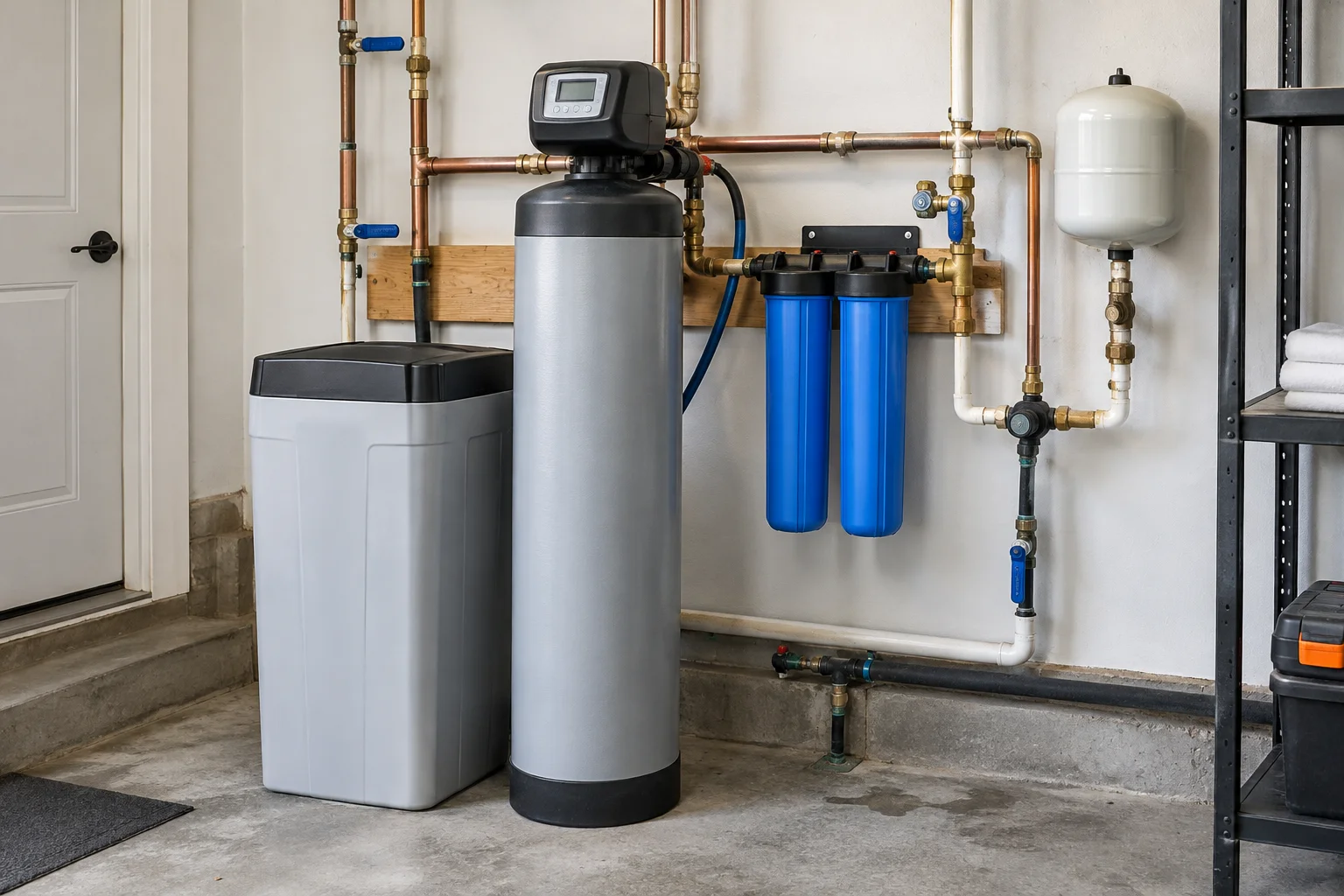
If you are seeing scale on showerheads and faucets, consider whether your overall plan includes water softening or whole home water filtration in addition to RO at the kitchen. Many Camp Creek homeowners find that RO works best when hardness is managed upstream, not just at the tap.
Chlorine, chloramines, and carbon filter exhaustion
Municipal water treatment can include chlorine or chloramines. RO membranes and other components can be sensitive to certain disinfectants, which is why pre-filtration matters. Carbon filters remove taste and odor and help protect the membrane from chemical stress.
When carbon filters are past their useful life, homeowners often notice:
- Chlorinated taste in water
- Unpleasant odors
- Worsening coffee flavor and cooking water taste
In daily kitchen scenes, this is easy to catch. Someone fills a glass, makes coffee, and says the water “tastes different.” That is often the first sign carbon filtration is exhausted and the RO system needs service.
Sediment and particulate: when pre-filters clog or bypass
Sediment issues can be subtle until they are not. RO systems rely on pre-filters to catch particles before they reach the membrane. If those filters clog, flow may drop. If they are bypassing or deteriorating, you may see sediment in household water and even discoloration.
In Camp Creek, homeowners sometimes notice changes after periods of higher water demand or when the water supply conditions shift. If you see visible particles, taste changes, or cloudy ice cubes, it is time to inspect the sediment and carbon stages.
Pressure problems, storage tank issues, and inconsistent output
RO systems are sensitive to water pressure. Too low a pressure can reduce production. Too high can stress components. Storage tanks also play a role because they provide treated water for the faucet and can affect how quickly the system recovers after use.
When pressure or storage tank performance is off, you may notice:
- Less RO water than usual
- Inconsistent taste depending on the time of day
- Short-term improvements followed by quick declines
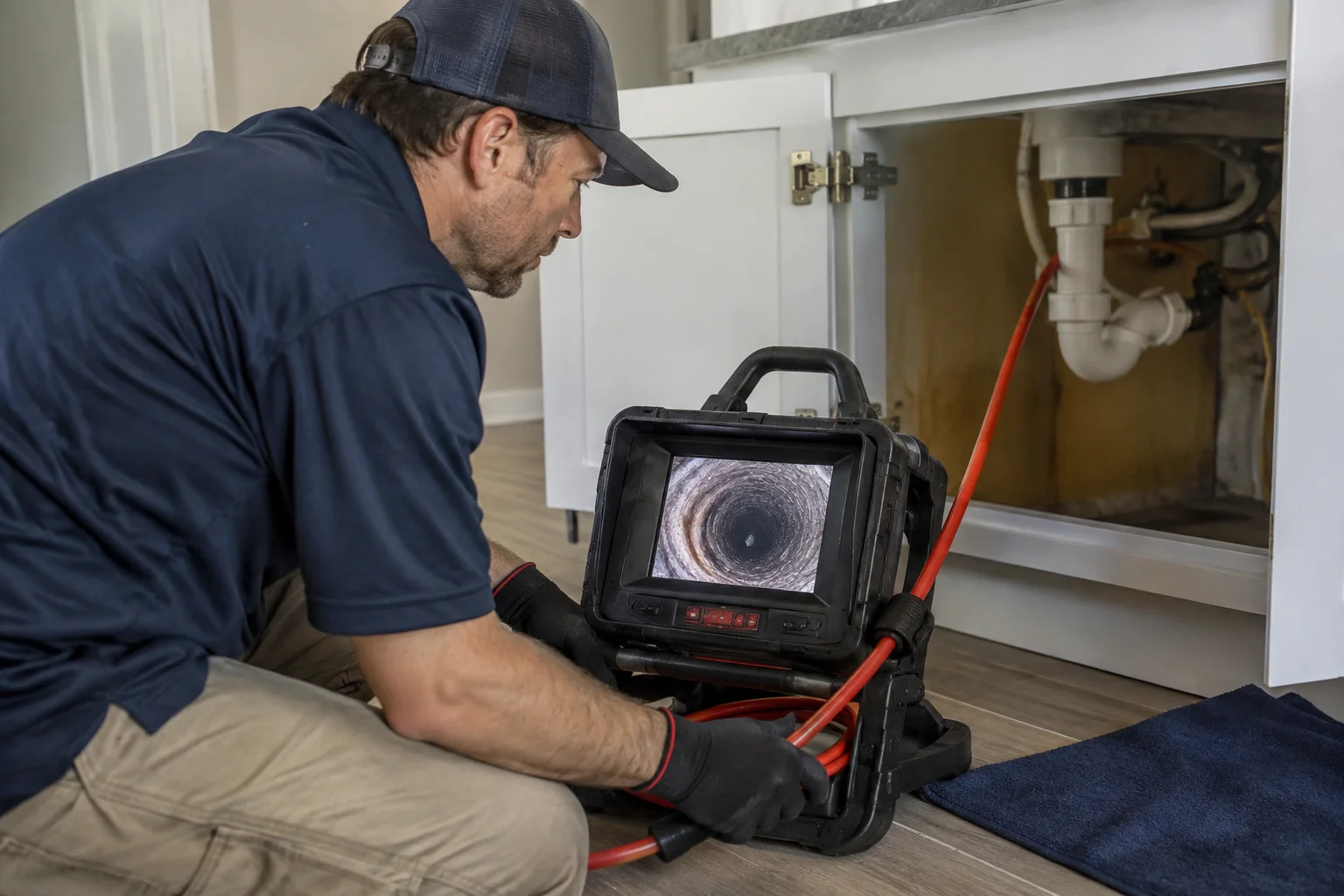
These symptoms can look like filter issues, but they can also point to system settings that need adjustment. That is why troubleshooting should be handled by a professional who can test production rate and evaluate the whole system.
Why maintenance schedules are not one size fits all
Many homeowners set a reminder for RO filter changes, but real life is different from a manufacturer’s ideal conditions. Household usage in Camp Creek can vary widely depending on:
- Number of people in the home
- How often you drink RO water, make coffee, or use it for cooking
- Laundry and dishwashing routines that involve hard water
- Seasonal changes that affect incoming water chemistry
- Whether the system handles hardness and sediment well
Even AO Smith water filtration systems and high-quality RO units need service based on actual performance, not just calendar dates. A Superior Mechanical can review your system, check flow and output, and recommend the right replacement timing for your situation.
How whole home water filtration and water softening can reduce RO stress
RO is usually installed for the kitchen and drinking water. But family life does not stop at the sink. People bathe, wash clothes, clean dishes, and run appliances that all interact with your water supply.
When hardness is high, scale buildup around faucets and showerheads continues even if the drinking water tastes better. That is why many homeowners consider:
- Water softening to reduce scale and improve bathing and laundry feel
- Whole home water filtration to reduce sediment and improve overall water quality
- Proper RO pre-treatment so the membrane lasts longer
If you are searching for water filtration near me because you want cleaner water throughout the home, it is worth comparing RO-only solutions with whole home options. RO can deliver better tasting drinking water, while whole home filtration and softening can help with dry skin from hard water, soap performance, and appliance protection.
What to do when you notice changes right away
If you catch a problem early, you can often prevent bigger failures. Here are practical steps homeowners can take while waiting for service.
Pay attention to kitchen and bath patterns
In a typical Camp Creek home, the easiest clues show up in the kitchen and bathroom. Watch for:
- Cloudy ice cubes
- Metallic or chlorinated taste
- Soap that does not lather or rinse well
- Scale buildup around showerheads and faucets
Write down when the changes started and whether they happen all day or only after the system refills.
Check for obvious filter change intervals
If you know when filters were last replaced, compare that to recent symptoms. If you are past the expected timeline, the issue may be as simple as exhausted pre-filters or a worn membrane.
Avoid “running it until it fixes itself”
When RO performance drops, the system can pass more material than you would expect. That can affect drinking water, cooking water, and ice. It can also increase stress on the membrane and other components.
Why local service matters in Camp Creek, Walton County
Water treatment is not identical from one area to another. Camp Creek homes experience their own mix of water chemistry, household demand patterns, and maintenance needs based on how the system was installed and how it is used.
Working with a local provider that understands Camp Creek and Walton County water conditions helps homeowners avoid guesswork. If you are looking for reverse osmosis installation near me or service to restore performance, it helps to choose a team that can evaluate the full system and recommend the right blend of RO, water softening, and whole home water filtration.
To explore service options, you can review the specific RO service page for this area: /service-areas/walton-county/camp-creek/reverse-osmosis-systems-ccfl. For broader options and comparisons, start with /water-filtration-ro-water-softeners. If you want to see the full service footprint, visit /service-areas/walton-county/camp-creek and /service-areas/walton-county.
Related water system maintenance that protects RO performance
Reverse osmosis is only one piece of the water system. Whole home plumbing condition can influence sediment load and maintenance frequency. If you are already thinking about water system upgrades, these reads can help you connect the dots between water quality and equipment lifespan:
- A Practical Guide to Water Heater Replacement in Camp Creek, FL and the Plumbing Problems That Shorten System Life
- How Better Plumbing Management Protects Camp Creek Homes
- What Camp Creek Homeowners Often Miss During Plumbing Installation
- Why Plumbing Replacement Should Move Up the Priority List in Camp Creek Homes
FAQ-style guidance for Camp Creek homeowners
Homeowners often ask whether RO issues are “just taste” or whether they signal something more. The short answer is that taste and clarity changes are often early indicators of filtration decline. When those signs appear, addressing them promptly can protect drinking water quality and prevent extra wear on the system.
When to call a professional for reverse osmosis service
Call a professional when you notice any of the following in your Camp Creek home:
- Metallic or chlorinated taste returns
- Cloudy ice cubes appear consistently
- You see sediment or discoloration
- Flow rate drops or production slows
- Soap lathering and rinse performance worsen alongside scale
- Dry skin or dull hair becomes noticeable after bathing
That is especially true if the system is older, filters are overdue, or you are not sure when the membrane was last replaced. A Superior Mechanical can help you troubleshoot and restore performance, whether you have a standard under-sink reverse osmosis setup or an AO Smith water filtration system designed for cleaner water.
If you want a system that keeps delivering better tasting drinking water for your family’s everyday kitchen routines, the goal is simple: catch water quality problems early, maintain the right pre-treatment, and keep RO working the way it was designed to work in Camp Creek.
For reverse osmosis systems in Camp Creek, FL, service and support are available through /service-areas/walton-county/camp-creek/reverse-osmosis-systems-ccfl.
Find Reverse Osmosis Systems in Camp Creek, FL
If you need Reverse Osmosis Systems in Camp Creek, FL, visit our local service page or contact A Superior Mechanical today.
For a broader look at whole-home water filtration, reverse osmosis, and water softener options, visit our water filtration, RO, and water softener page.
Map of Camp Creek, FL
Frequently Asked Questions
Why does my RO water taste chlorinated or metallic in Camp Creek, FL?
That taste often points to carbon filter exhaustion or reduced membrane performance. If your RO pre-filters are overdue, or if the system is not protected from chlorine and taste compounds, the drinking water can pick up off flavors. A technician can test production and check filter stages.
Can hard water cause problems with reverse osmosis systems?
Yes. Hard water minerals can contribute to scaling on the RO membrane, which can reduce flow and filtration effectiveness. Homeowners may also notice hard water spots on glass and scale buildup around faucets and showerheads at the same time. Many homes do best with RO plus appropriate hardness management, such as water softening and whole home water filtration.
What does cloudy ice from RO water usually mean?
Cloudy ice cubes can indicate fine particles or dissolved solids getting through the system. It can also happen if the RO system is not producing consistently or if pre-filters are clogged. If the cloudiness persists, schedule service rather than assuming it is normal.
How often should reverse osmosis filters and the membrane be replaced?
It depends on usage, water chemistry, and how well pre-treatment is working. In Camp Creek homes, filter life can vary based on sediment and hardness patterns. A professional service visit can confirm status and recommend replacement timing based on performance, not just the calendar.
Is reverse osmosis enough, or should I consider whole home water filtration and water softening?
RO is great for improving drinking and cooking water, but it does not automatically solve hard water effects across the entire home. If you see scale buildup, dry skin, and soap that does not lather well, adding water softening and whole home water filtration can improve everyday comfort and help protect fixtures and appliances.
Related Articles
- A Practical Guide to Water Heater Replacement in Camp Creek, FL and the Plumbing Problems That Shorten System Life
- How Better Plumbing Management Protects Camp Creek Homes
- What Camp Creek Homeowners Often Miss During Plumbing Installation
- Why Plumbing Replacement Should Move Up the Priority List in Camp Creek Homes
Photo Gallery