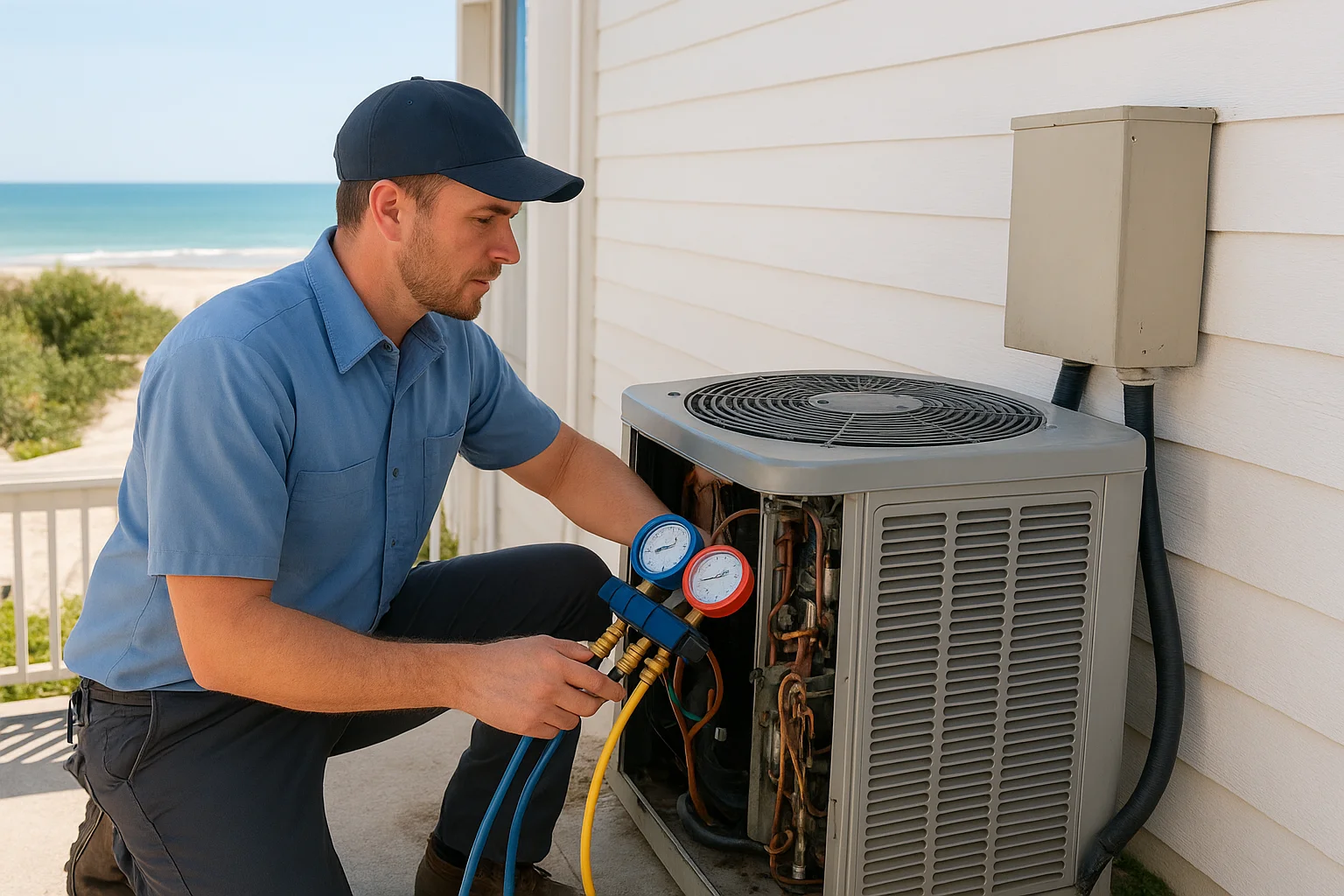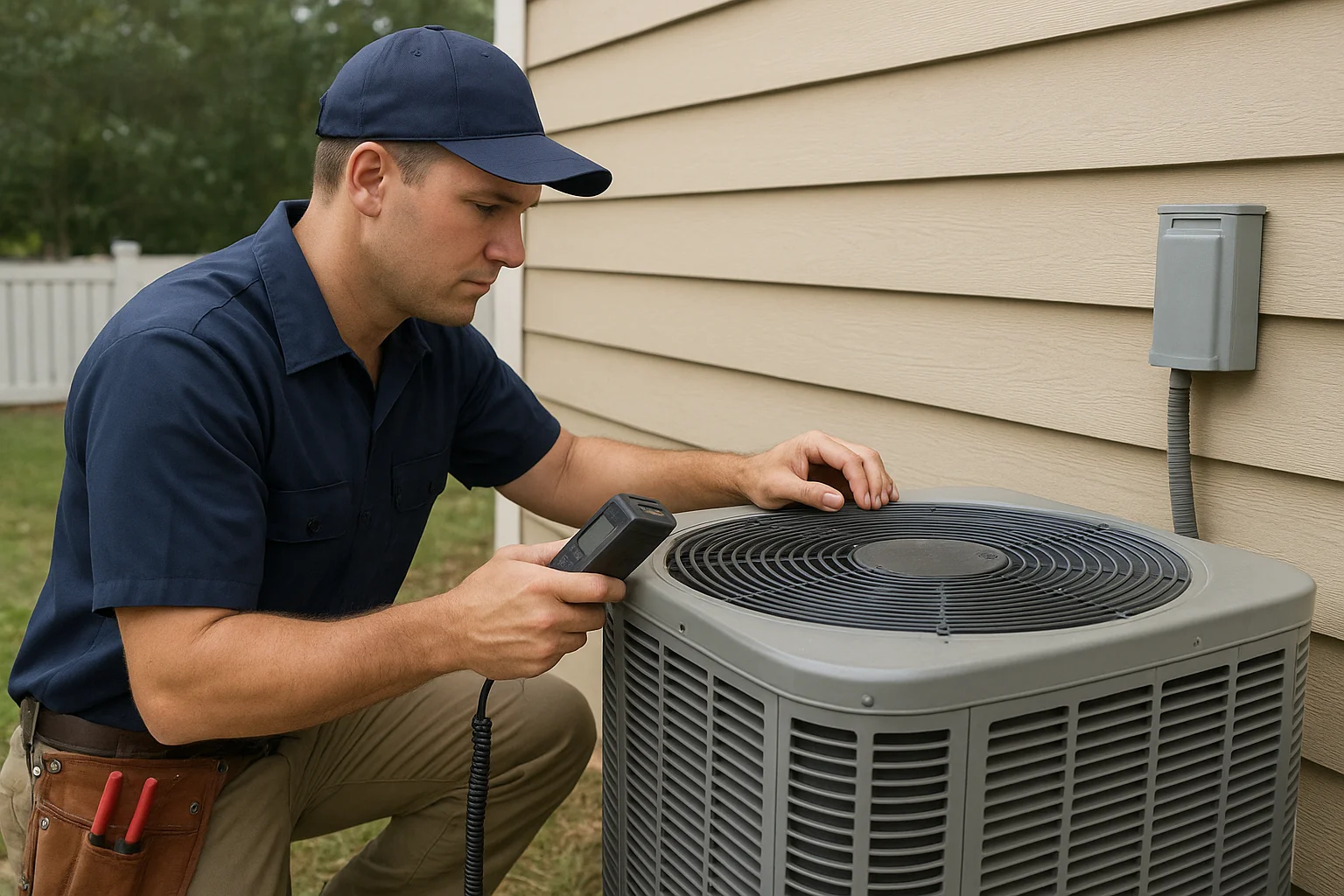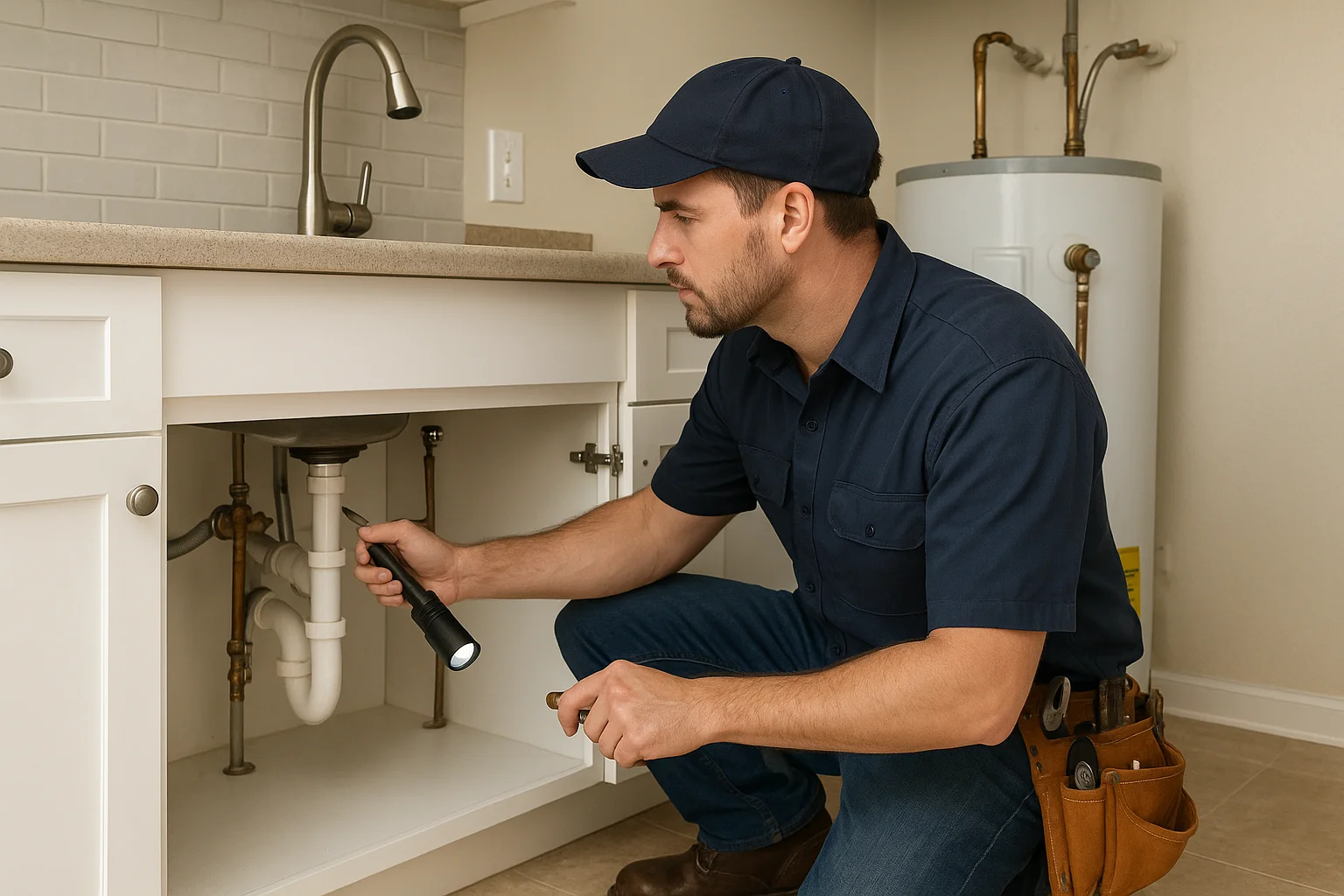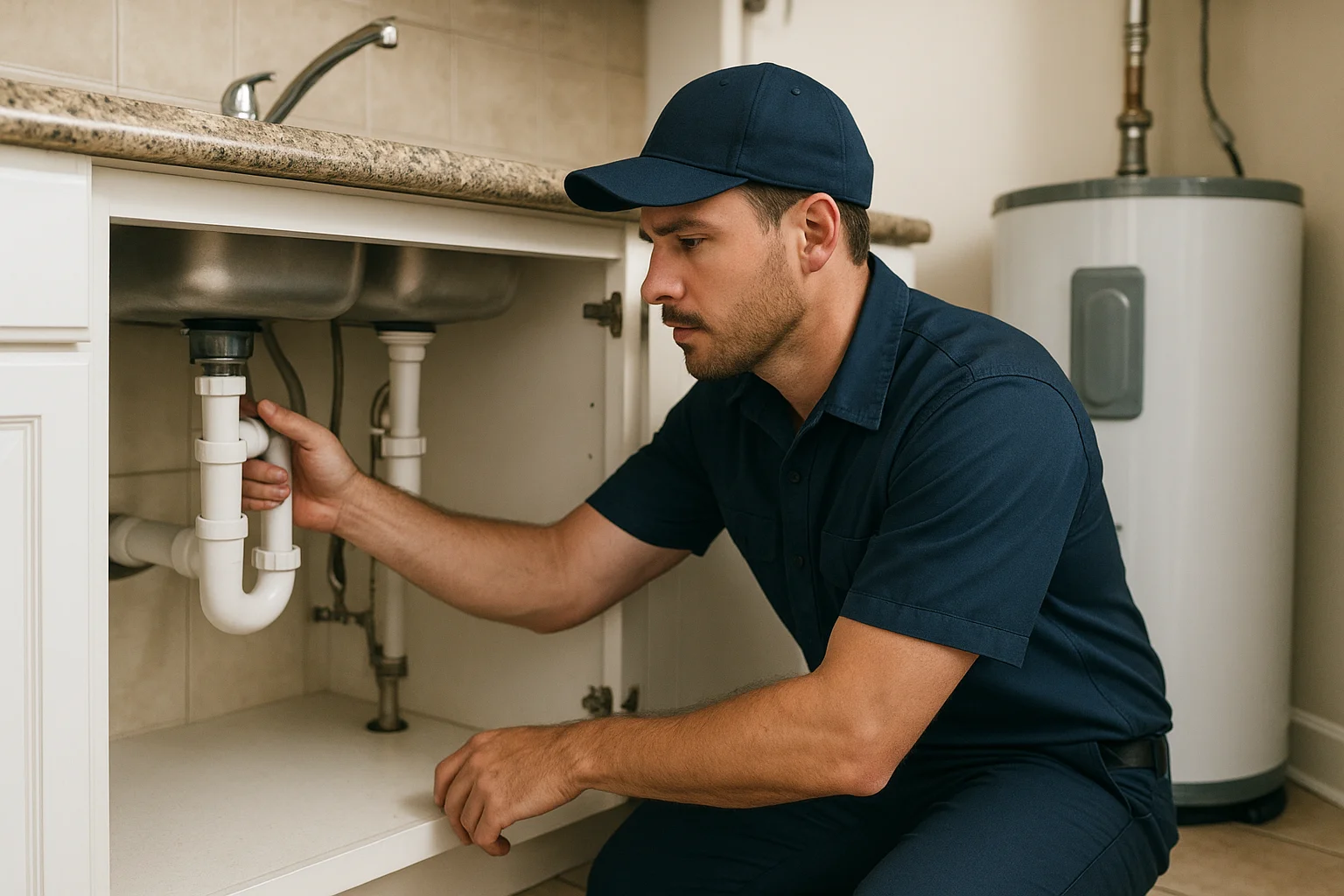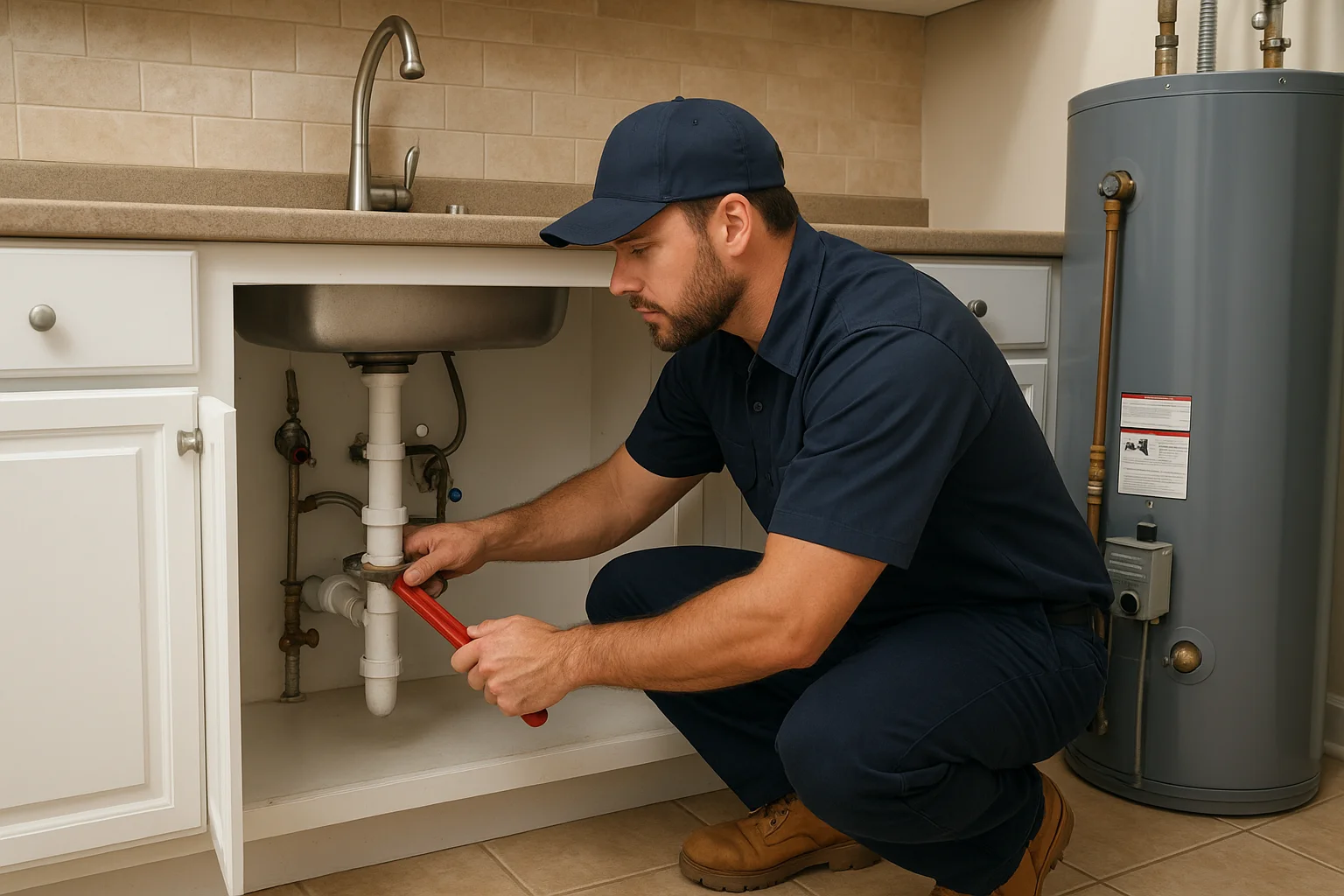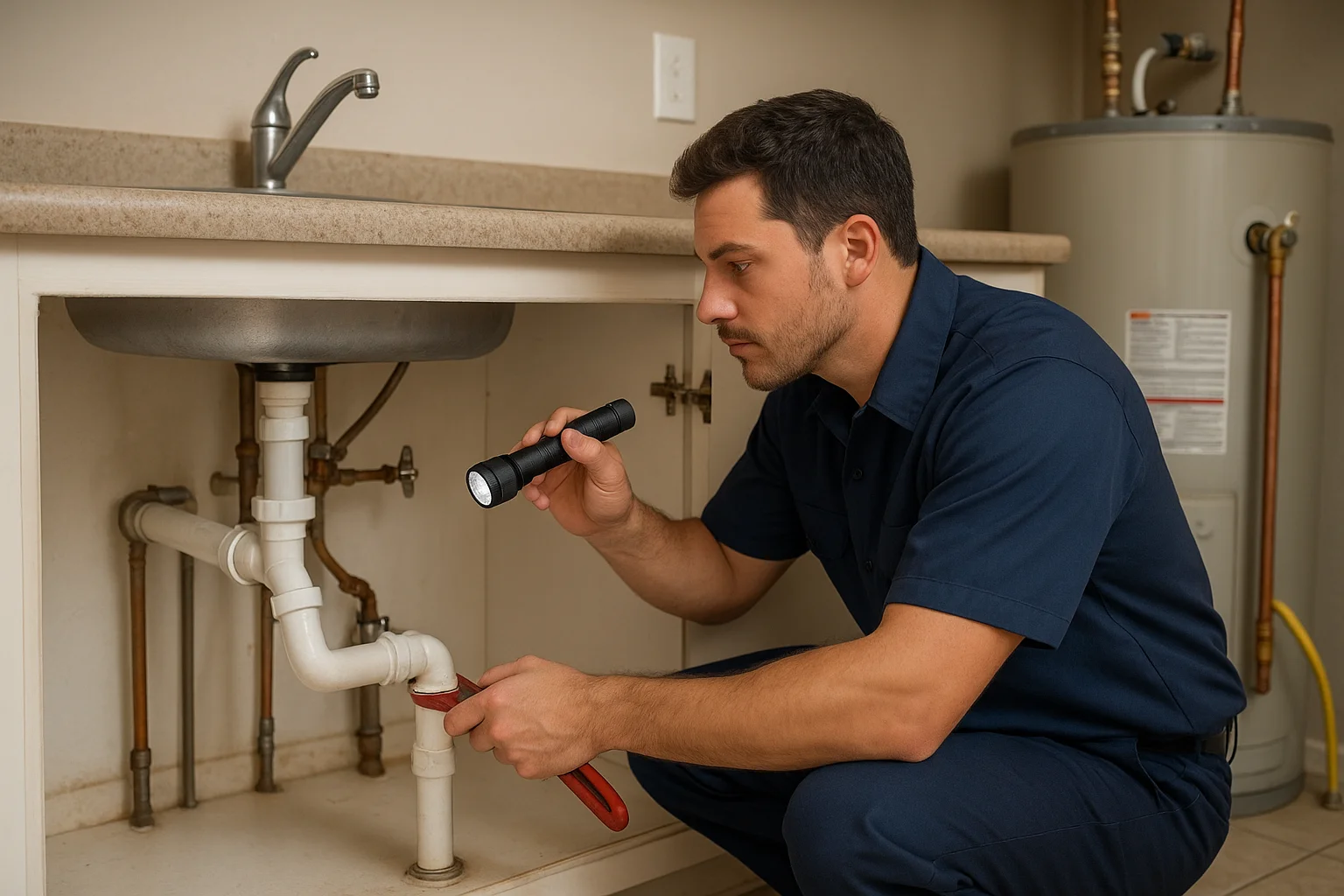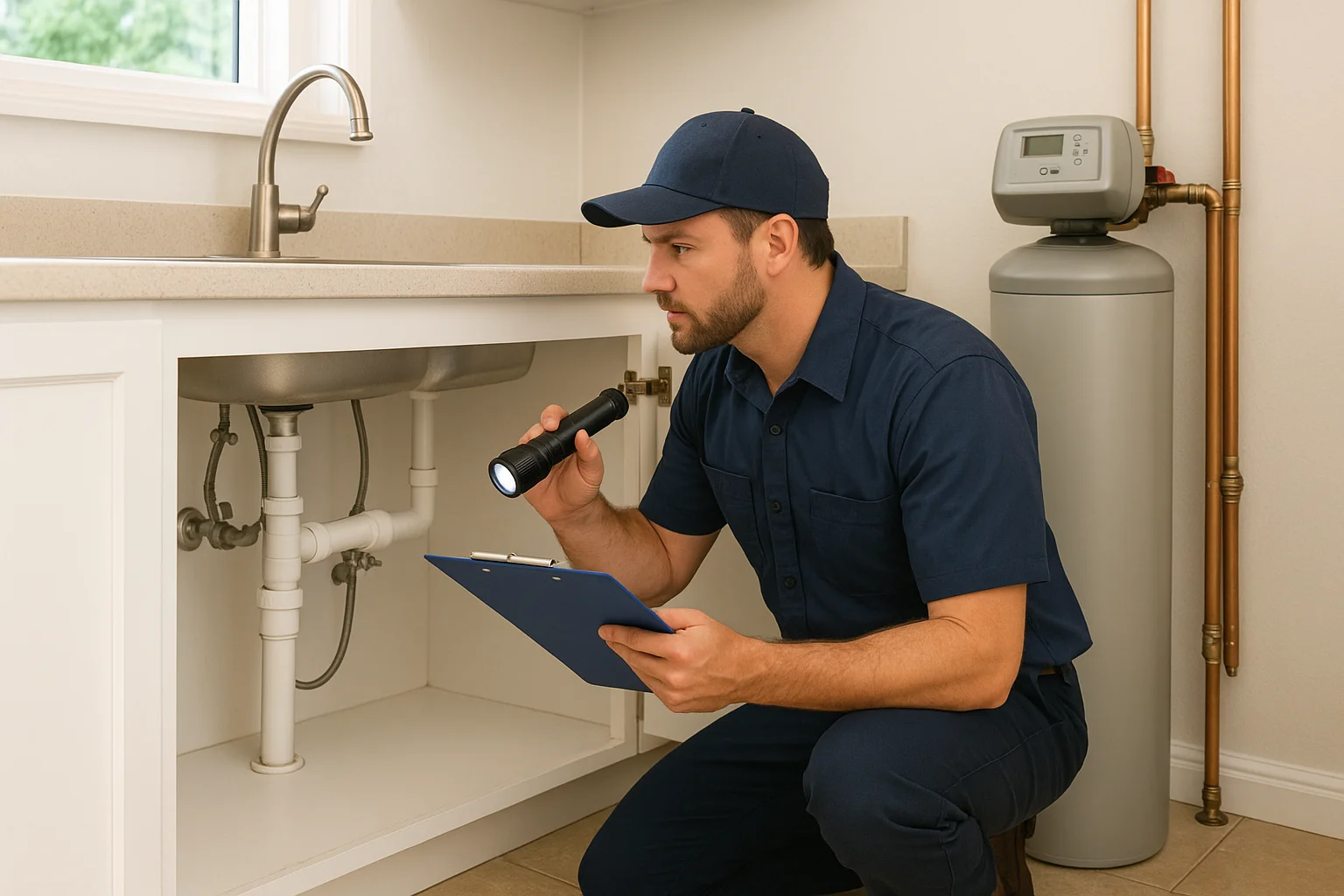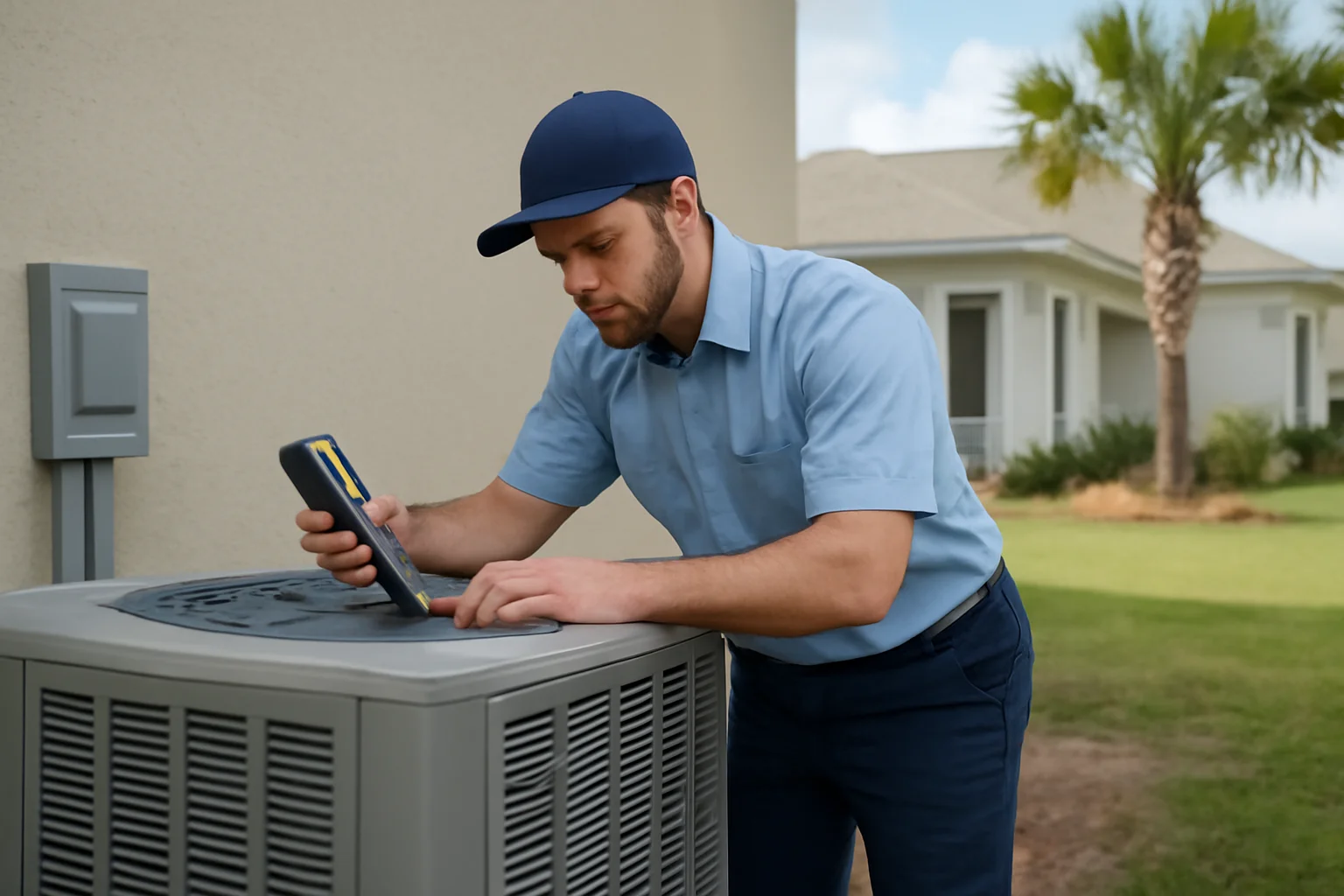
Families in Seaside, FL depend on steady cooling. When the heat and humidity hang around for months, your air conditioner works harder, longer, and more often. That is exactly why a smart air conditioning inspection in Seaside, FL matters. A thorough inspection does more than confirm the system turns on. It helps spot small issues tied to airflow, refrigerant system performance, condensate drainage, ductwork, and thermostat control before they turn into emergency cooling concerns.
Why Seaside’s cooling season can stress HVAC equipment
Seaside sits in a coastal Florida climate where summer is not just hot, it is also humid. Humidity increases the load on air conditioning because the system must remove moisture to keep indoor comfort stable. Over time, that extra moisture and runtime can push components that are already working near their limits.
Salt air from the coastline adds another layer. Even homes that seem well protected can experience corrosion and buildup. Outdoor units are exposed to wind-driven salt, and that can affect contact points, fan performance, and how efficiently the heat exchanger transfers heat.
Then there is the “long season” factor. In many parts of Walton County, cooling needs extend well beyond what homeowners in cooler climates are used to. Continuous demand means more cycles, more blower run time, and more opportunities for filter clogging, duct leakage, and refrigerant system strain.
What a smart AC inspection should focus on for families
A family home needs comfort you can feel right away and air quality you can trust. During an inspection, a professional HVAC contractor should evaluate how the system cools, dehumidifies, and distributes air, while also checking for moisture control and safety.
1) Airflow and the “comfort gap” between rooms
Many homeowners notice that one room feels warmer, while another is colder. That is often an airflow issue. During an air conditioning inspection, technicians typically look at indoor airflow pathways, check blower operation, and confirm that supply and return airflow is not being blocked by dirty filters or restricted vents.
In humid coastal areas, poor airflow can reduce the system’s ability to remove moisture. That can lead to sticky indoor air and a cycle of overcooling and under-dehumidifying. If your home has ductwork that is undersized, leaking, or poorly sealed, the system may run longer to reach the thermostat setpoint, increasing energy use and wear.
If you are searching for duct inspection near me because some rooms feel “off,” ask whether the inspection will include a review of registers, returns, and obvious duct restrictions. For many families, improving airflow is a meaningful step toward better comfort without rushing to air conditioning repair.
2) Condensate drainage and moisture control
Air conditioners remove humidity through the cooling process. The result is condensate that drains through a line or drain pan. When condensate drainage is restricted, it can cause water to back up, create overflow risk, and contribute to damp conditions that affect indoor air quality.
In a Seaside home, this matters because humidity is already high. If the system is not managing condensate properly, you may notice musty odors, wet spots, or increased humidity even when the thermostat is set to cool.
A professional inspection should include checking the drainage path and confirming the system is handling moisture normally. If condensate drainage issues are found, the correct fix is not guesswork. It needs an in-person evaluation to identify what is causing the restriction, whether it is related to the drain line, pan condition, or airflow patterns.
3) Refrigerant system performance without “DIY diagnosis”
Your air conditioner’s refrigerant system is designed to move heat out of the home. When refrigerant performance is compromised, cooling can feel weak, and the system may run longer than expected. However, refrigerant problems are not always obvious to homeowners, and they should not be diagnosed from symptoms alone.
During an inspection, technicians can evaluate system operation and performance indicators to determine whether cooling capacity and system behavior are consistent with normal operation. If there are concerns, the professional will recommend the next step after testing, not based on a homeowner’s assumption.
This is especially important because Florida homes see a wide range of conditions. High humidity, continuous runtime, and coastal exposure can create complex symptoms that resemble multiple issues. Only an on-site licensed HVAC contractor can determine what is actually happening in the refrigerant system.
4) Thermostat settings, sensor placement, and control accuracy
Many cooling complaints are really comfort control issues. A thermostat that is misreading the room temperature, a sensor located near a heat source, or scheduling conflicts can cause short cycling or extended runtime.
Families often use thermostats to balance comfort with energy use. If the system is running too much, it can increase wear on the AC components. If it is running too little, humidity can build indoors. A smart inspection should review thermostat operation and how it aligns with your comfort needs.
If you are considering thermostat installation near me or thermostat upgrades, bring the problem notes to the inspection. A good HVAC contractor can help confirm whether the thermostat is contributing to the issue before recommending replacement.
5) Ductwork condition, sealing, and distribution
Ductwork can be a hidden driver of cooling stress. Even a well-maintained air conditioner can struggle if ducts leak, are poorly insulated, or have sections that restrict airflow.
In coastal Florida, duct insulation and sealing matter because humid air can find its way into duct systems. Leaky ducts can also waste cooled air, which forces the air conditioning system to run longer to maintain temperature. That increased runtime can accelerate equipment wear.
If you are hearing a lot of noise, noticing uneven temperatures, or seeing rising humidity, ask about duct inspection and how ductwork affects system load. Homeowners searching for air conditioning repair near me often discover the “repair” is really an airflow and ductwork performance issue.
Common Seaside AC issues that show up during inspections
Every home is different, but inspections in Seaside commonly uncover patterns tied to humidity, coastal exposure, and long cooling seasons.
Dirty or clogged filters that limit airflow
Filters trap dust and debris. In humid climates, airflow restrictions can worsen because the system may also pull in more airborne particles. Reduced airflow can make the evaporator coil work differently and can contribute to moisture control problems.
Outdoor unit coil and fan performance affected by salt and debris
Salt air can lead to corrosion, and coastal storms can bring debris. If the outdoor unit cannot release heat effectively, the system may run longer to achieve cooling targets.
Condensate drainage restrictions that increase indoor humidity
When condensate cannot drain correctly, humidity control suffers. This can show up as condensation on nearby surfaces, dampness, or persistent “sticky” comfort even when the thermostat seems properly set.
Thermostat behavior that causes short cycling or extended runtime
Short cycling can happen when the system cannot stabilize temperature due to control issues or airflow limitations. Extended runtime can happen when cooling capacity is reduced or distribution is inefficient.
Why preventive maintenance matters more in coastal Florida
Preventive HVAC maintenance is not just about avoiding breakdowns. In Seaside, it is about protecting comfort and reducing the stress that long cooling seasons place on equipment.
When homeowners schedule routine tune ups and inspections, technicians can address small problems tied to airflow, condensate drainage, and control before they escalate. That can also support more consistent energy use because the system does not have to “catch up” repeatedly.
If your family is trying to avoid mid-summer disruptions, it helps to review emergency readiness. You may find useful guidance in Keeping Seaside Homes Ready for HVAC Emergencies, especially if your home experiences frequent power demand during peak heat and humidity.
Indoor air quality is part of the inspection, not an extra
Cooling comfort is closely tied to indoor air quality services. When airflow is restricted or moisture control is off, allergens and contaminants can become more noticeable. In humid climates, dampness can also support microbial growth if the system is not draining properly.
During an inspection, a licensed HVAC contractor should consider how the system’s operation affects humidity and air movement. If your family is dealing with persistent odors, allergy symptoms, or uneven comfort, it may be worth pairing your inspection with indoor air quality testing.
For more context, read Why Seaside Homes Benefit From Indoor Air Quality Testing Before Comfort Issues Spread and consider the local service page for Indoor Air Quality Testing.
How to spot inspection needs before comfort turns into an emergency
Seaside families often wait until the air conditioner stops working. That is understandable, but it can turn an avoidable issue into emergency cooling concerns. Use these practical clues as a guide.
Cooling feels weaker, even with the thermostat set correctly
If the system runs but does not cool evenly, the problem could involve airflow, ductwork, refrigerant system performance, or coil condition. An inspection can help sort out what is driving the comfort gap.
Humidity stays high, and the home feels sticky
Sticky indoor air often points to moisture control. Condensate drainage, airflow, and coil performance are common areas to investigate.
Unusual odors or dampness near the indoor unit
Musty smells and signs of moisture near the system can relate to drainage or indoor air handling. These are good reasons to schedule an inspection quickly.
Short cycling or frequent on and off cycles
Short cycling can increase wear and can also reduce dehumidification. It may be tied to thermostat behavior, airflow limits, or system performance issues that need testing.
Rising energy use with no comfort improvement
When the system runs longer without improving comfort, it can increase energy use. This is a strong prompt to investigate airflow, duct sealing, and system performance during a professional inspection.
Planning for humid summers: inspection timing and preparation
Families in Seaside can benefit from scheduling AC tune ups and inspections before peak humidity and heat. That gives technicians time to address issues while the system is still able to run normally.
Before the technician arrives, homeowners can help by doing a quick home check. Replace or note the current filter condition. Ensure outdoor unit area is accessible and free of debris. Write down thermostat settings, recent comfort complaints, and any changes such as new furniture blocking vents or recent indoor humidity changes.
If you have had recent comfort clues, it can help to compare them with what others notice during inspections. You can also review Seagrove Beach Comfort Clues That Point to a Better Air Conditioning Inspection for examples of how comfort symptoms connect to inspection findings.
When families need more than an inspection
Some situations require additional services beyond routine inspection. A professional evaluation will determine what is appropriate for your home.
Airflow and moisture issues may call for dehumidification support
If your home struggles with humidity even when cooling is running, whole home dehumidifiers can be part of the comfort strategy for humid coastal climates. Explore Whole Home Dehumidifiers if your inspection suggests humidity control is a key factor.
Duct performance problems may require ductwork service
When ducts are leaking or poorly distributing air, ductwork improvements can reduce system stress and help the AC cool more evenly. This can be a major factor behind recurring calls for AC repair near me.
System replacement is a decision for an in-person evaluation
Homeowners sometimes ask about air conditioning replacement after repeated repairs. A replacement decision depends on multiple factors, including system condition, how well it matches your home’s cooling load, and whether airflow and ductwork issues are also addressed.
If replacement is discussed, it should be based on an on-site professional assessment, not a guess from symptoms alone. You can review Air Conditioning Replacement to understand how this service is typically approached in Seaside homes.
Choosing A Superior Mechanical for coastal AC inspection help
Families in Walton County want dependable comfort and a clear plan. Working with a local HVAC contractor matters because coastal conditions, humidity patterns, and common duct and airflow issues are not the same everywhere.
A Superior Mechanical provides professional air conditioning inspection services in Seaside, FL with an emphasis on reliable cooling, better efficiency, and long-term system protection. For homeowners who want to explore additional options, you can also browse Air Conditioning Services and the broader service area information on /service-areas/walton-county.
If you are facing a cooling failure during extreme heat, emergency response matters. Keep your notes and home observations ready, and reach out for emergency AC repair near me guidance so the problem can be evaluated safely and accurately.
FAQs homeowners ask about AC inspections in Seaside
Below are common questions families have when they are researching HVAC service in Seaside, FL and trying to understand how the long cooling season affects their equipment.
Find Air Conditioning Inspection in Seaside, FL
If you need Air Conditioning Inspection in Seaside, FL, visit our local service page or contact A Superior Mechanical today.
Map of Seaside, FL
Frequently Asked Questions
How often should families schedule an air conditioning inspection in Seaside?
Many homeowners schedule preventive HVAC maintenance and an air conditioning inspection before the hottest, most humid stretch of the year. If your system has struggled with humidity, airflow, or frequent cycling, an earlier inspection is often a smart move so issues can be evaluated while the system is still performing normally.
Can ductwork problems make my AC run longer in humid Florida weather?
Yes. Leaky or restricted ductwork can reduce delivered airflow and make the home feel unevenly cooled. When the system cannot distribute air efficiently, it may run longer to reach comfort goals, increasing wear and energy use. A professional duct inspection can help confirm whether airflow and distribution are contributing to your comfort complaints.
What does condensate drainage have to do with indoor air quality?
Air conditioners remove humidity, and that moisture drains through a condensate line or pan. If drainage is restricted, moisture can build up and contribute to damp conditions. That can affect indoor air quality and comfort, especially in humid coastal climates like Seaside.
Should I try to diagnose a refrigerant problem myself?
No. Refrigerant system performance requires on-site testing and safe procedures. Symptoms like weak cooling or long runtime can have multiple causes, including airflow, thermostat control, or ductwork. An in-person professional evaluation is the right next step before any refrigerant-related conclusions are made.
When does an inspection turn into AC repair or replacement?
A thorough inspection identifies what is affecting cooling, dehumidification, and airflow. If issues are repairable, the contractor may recommend AC repair. If the system is significantly deteriorated or mismatched to the home, replacement may be discussed. Either way, the recommendation should be based on the results of an on-site evaluation.
Related Articles
Photo Gallery