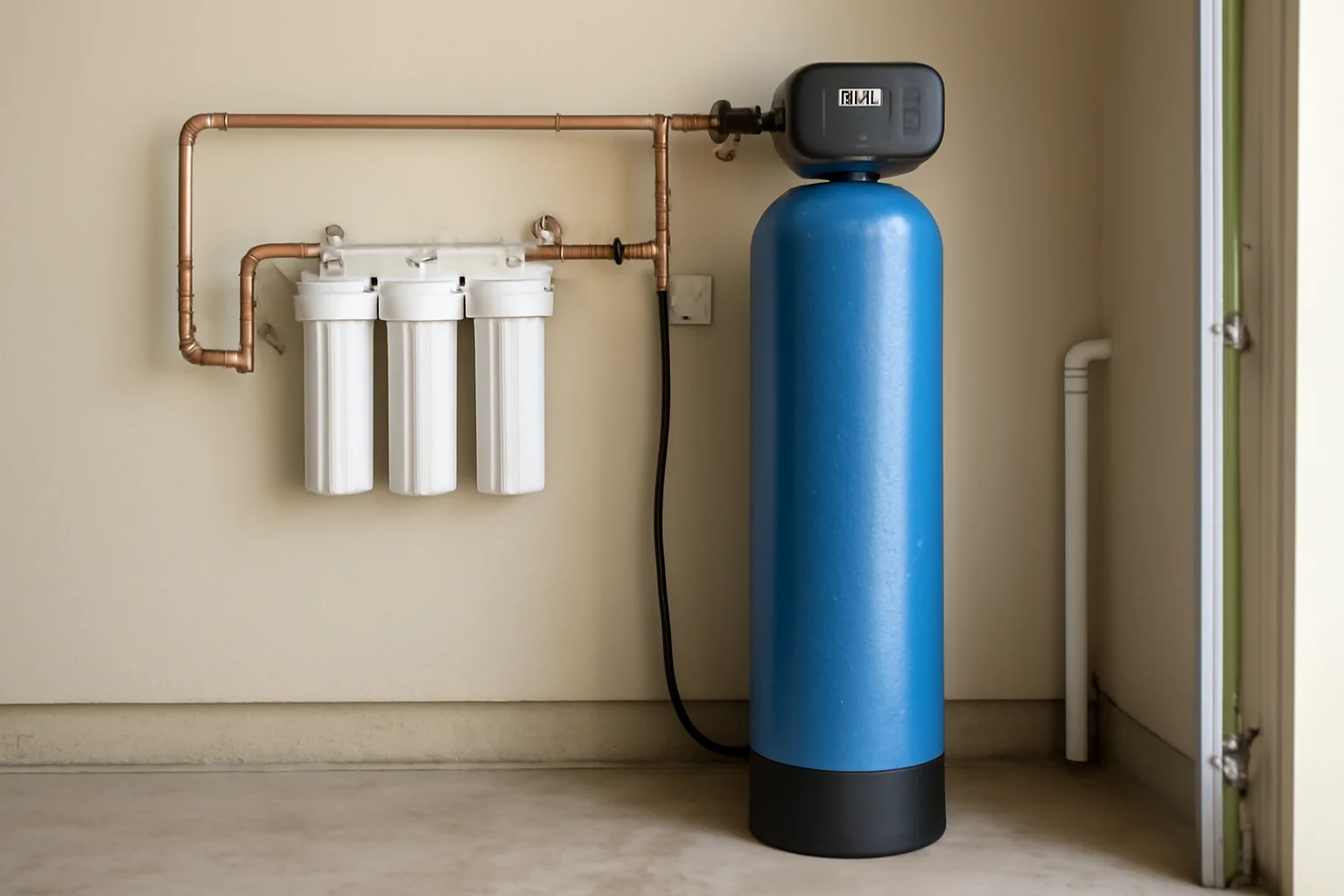
Florida water can look clear, but the problems homeowners notice are often happening below the surface. In Valparaiso, hard water is a frequent culprit, showing up as stubborn scale on glass, soap that does not rinse well, and appliances wearing out faster. The good news is that you can make smarter water quality decisions by understanding what water softening does, when whole home water filtration makes sense, and how reverse osmosis can improve drinking and cooking water.
If you are searching for water treatment near me, this guide will help you translate common household symptoms into the right type of clean water systems for your home. It also explains why local water treatment service matters in Okaloosa County, where household water conditions can vary and where the cost of ignoring hard water adds up over time.
What hard water looks like in a Valparaiso home
You do not need lab equipment to see hard water at work. It tends to leave visible clues across everyday routines, especially in kitchens and bathrooms.
Everyday signs that point to hard water
Homeowners often describe:
- Hard water spots on glass that show up after showering or running the dishwasher
- Scale buildup around faucets, showerheads, and plumbing connection points
- Dry skin or dull hair after bathing, along with a “residue” feeling
- Metallic, chlorinated, or unpleasant taste in drinking water
- Cloudy ice cubes when freezer ice is made from untreated water
- Poor tasting coffee and cooking water that can make flavors feel flat
- Soap that does not lather or rinse well, even when you use the right amount
- Visible sediment, discoloration, and odor concerns that show up in certain fixtures or at certain times
- Appliances wearing out faster, including water heaters, dishwashers, and clothes washers
These symptoms can show up together because water quality issues often overlap. Hardness minerals can contribute to scale and reduce how effectively soap and detergents work. At the same time, some homes may also benefit from filtration to address taste, odor, and sediment. That is why many homeowners end up choosing more than one layer of water treatment.
Water softening: what it actually does
Water softening is designed to reduce the hardness minerals in your water, mainly calcium and magnesium. When those minerals are high, they bond with soap and detergents, leaving you with residue and poor rinsing. They also build up as scale inside plumbing and on heater surfaces.
Why scale buildup becomes a household cost
Scale buildup is more than an eyesore. Over time, mineral deposits can:
- Reduce water flow through fixtures and showerheads
- Increase heating costs by insulating water heater components
- Shorten appliance lifespans by restricting efficient operation
- Increase the effort needed to clean faucets, tubs, and glass
In Valparaiso homes, where humid coastal conditions can create extra cleaning pressure and where many households run dishwashers, laundry systems, and showers daily, the impact of hard water becomes very noticeable.
What better water feels like at home
Think about routine moments: a family refilling reusable water bottles for the day, kids rinsing off after practice, and dinner prep where the coffee tastes clean and the pasta water does not have an odd aftertaste. Softened water can help by making soap and shampoo work the way they are meant to. It can also reduce the scale that collects around showerheads and faucets, so fixtures stay cleaner longer.
If you are considering water softening services in Valparaiso, FL, a professional assessment usually starts with understanding your household symptoms and, when appropriate, testing water hardness and related water quality factors.
AO Smith water softeners and filtration options
Many Valparaiso homeowners choose AO Smith because it is a well known name in residential water treatment. An AO Smith water softener can be a strong fit when your main issue is hardness and scale buildup. The goal is to protect plumbing, fixtures, and appliances while improving how soap performs.
How AO Smith water filtration can complement softening
Hardness is not always the only concern. Some families notice metallic or unpleasant taste, odor issues, or sediment that affects drinking and cooking water. That is where AO Smith water filtration can help, depending on your water conditions.
In many homes, a layered approach works best:
- Water softening to reduce hardness and limit scale
- Whole home filtration to help with sediment and water clarity
- Reverse osmosis for drinking water and cooking water when taste and dissolved contaminants matter most
Homeowners searching for water filtration near me often ask whether they need filtration, softening, or both. The answer depends on what you are seeing and tasting in your home. A local water treatment professional can help you choose the right system for your specific symptoms, rather than guessing.
Whole home water filtration versus reverse osmosis systems
When you are trying to improve water quality, it helps to separate “whole home” improvements from “drinking water” improvements.
Whole home water filtration: cleaner water across the house
Whole home water filtration is designed to treat water before it reaches most plumbing fixtures. Many homeowners choose it for issues like:
- Visible sediment or discoloration
- Odor concerns that show up at sinks or showers
- Water that looks cloudy in certain fixtures
- Improving consistency for bathing, laundry, and cleaning
Whole home systems can also help reduce the strain on appliances by lowering the amount of particles that contribute to buildup.
If you want an approach that coordinates water softening and filtration, explore options on the water filtration and reverse osmosis resources page. Many homeowners find it helpful for comparing whole home filtration and drinking water solutions.
Reverse osmosis: focused treatment for drinking water
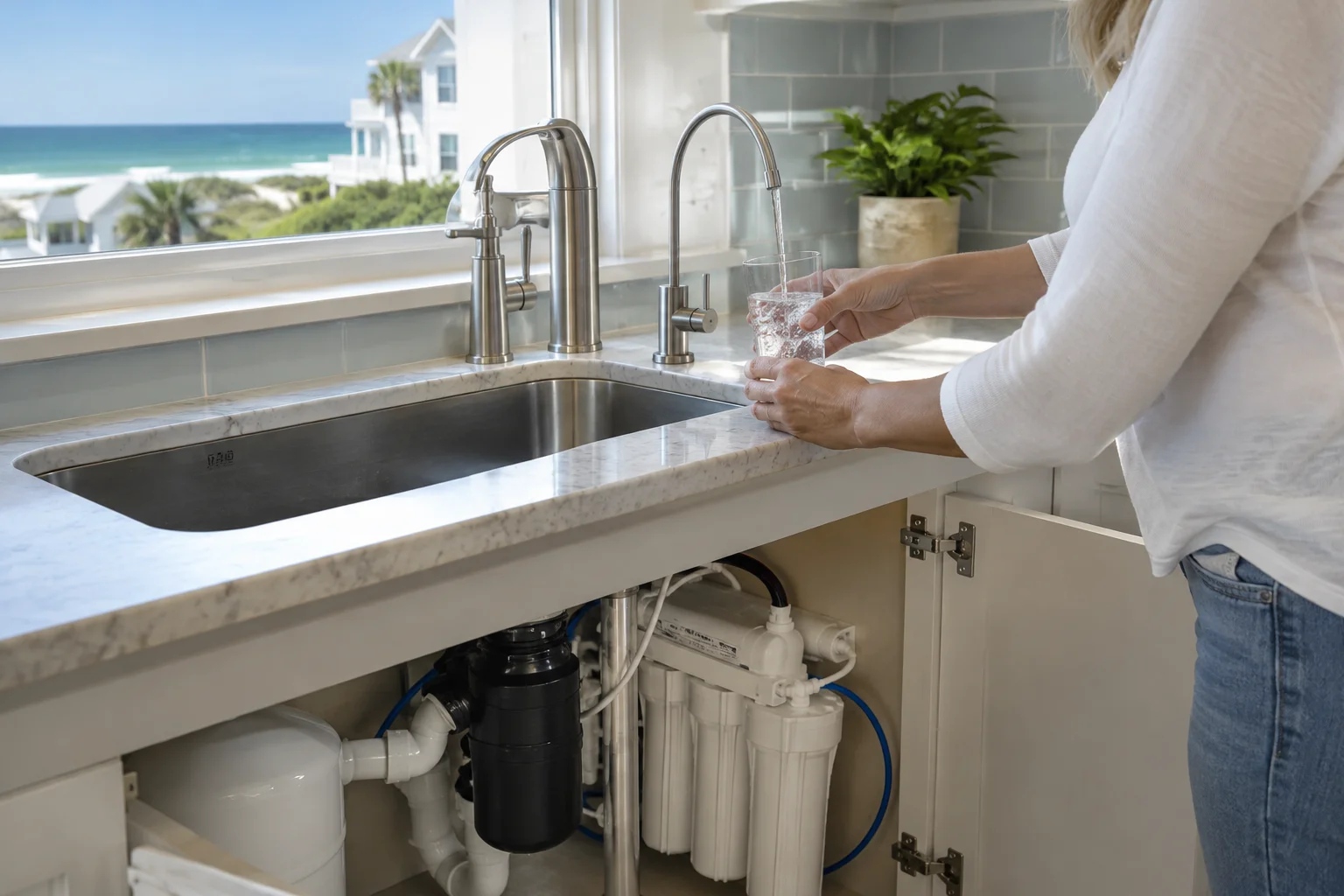
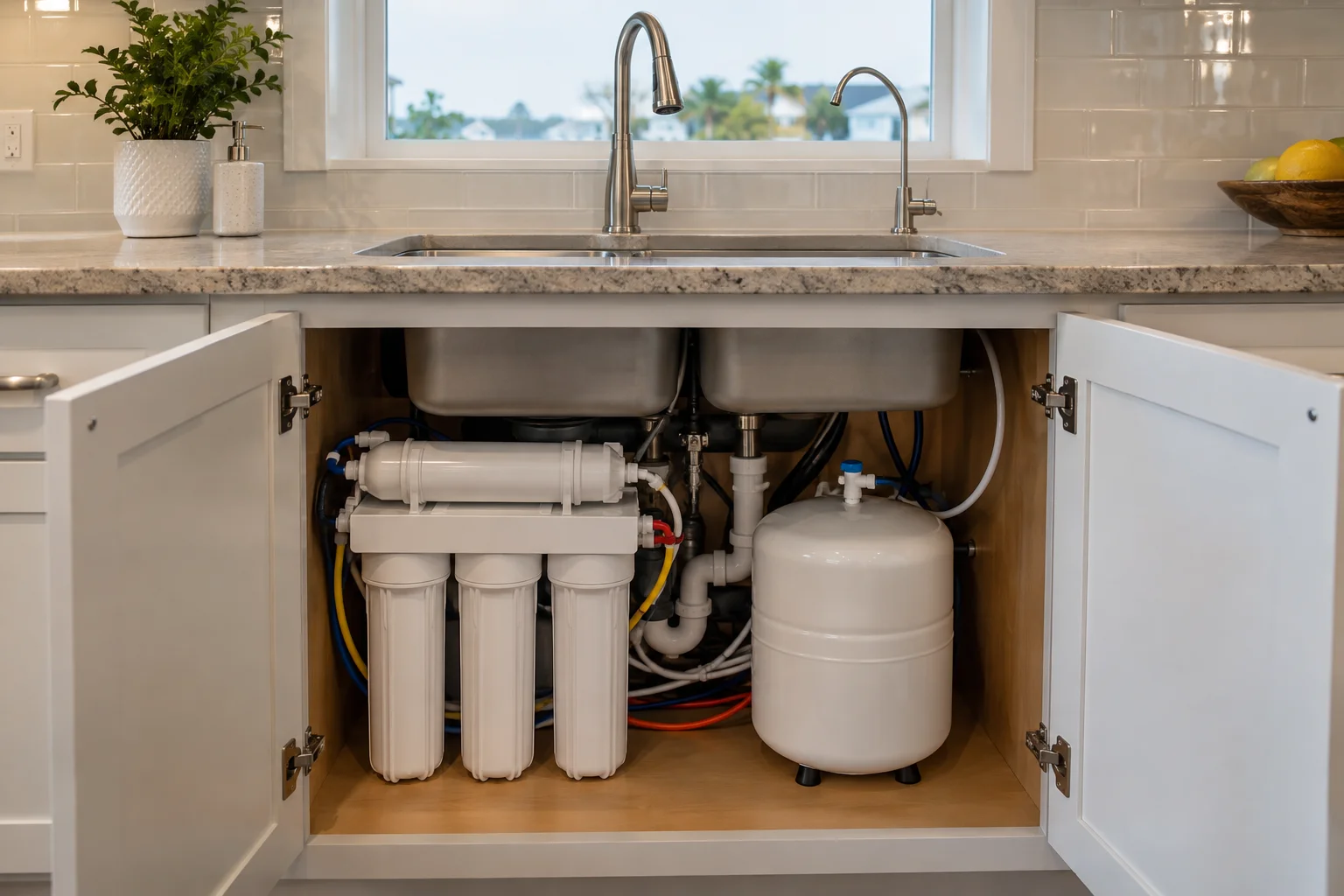
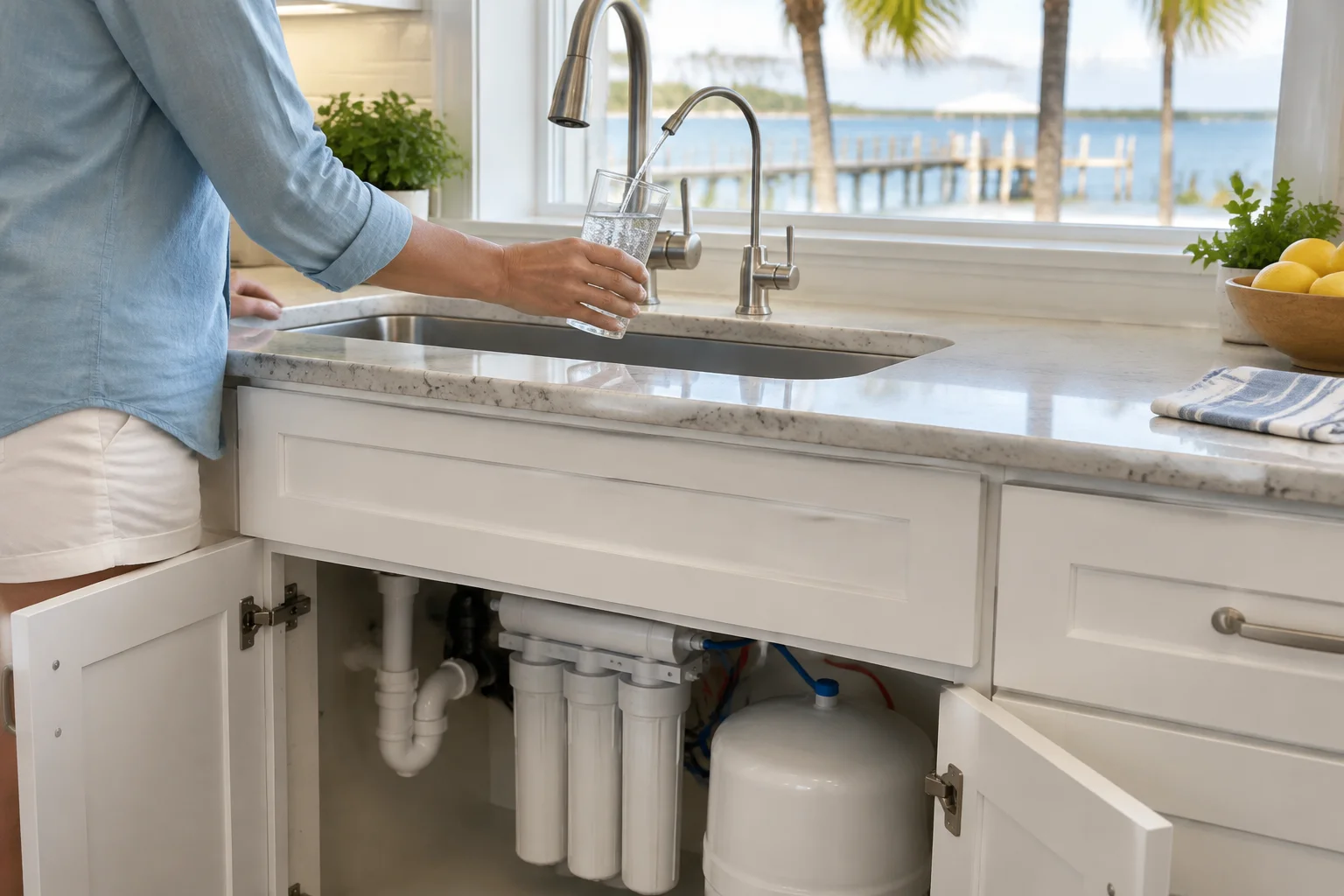
A reverse osmosis system is often chosen for kitchen water because it targets contaminants that can affect taste, odor, and water clarity. Homeowners who notice cloudy ice cubes or poor tasting coffee and cooking water sometimes find reverse osmosis makes a dramatic difference at the tap.
If you are searching for a reverse osmosis system near me, it is worth asking about:
- Where the system is installed and how it is maintained
- Filter change schedules
- How the system affects water taste for drinking and cooking
- Whether you still need water softening for scale and appliance protection
Reverse osmosis is not the same as softening. It is typically a drinking water upgrade, while softening is about reducing hardness throughout the plumbing system.
How to choose between softening, filtration, and RO
Many homeowners in Valparaiso start with one problem, then realize the solution needs to match the specific water issue. A practical way to decide is to connect the symptom to the likely cause.
Use these “clues” to narrow down your options
- Hard water spots on dishes and glass plus scale buildup on faucets and showerheads usually points to hardness. Water softening is often the core solution.
- Soap that does not lather or rinse well and dry skin or dull hair often improves when hardness is reduced.
- Metallic, chlorinated, or unpleasant taste, cloudy ice cubes, and poor tasting coffee can point to a need for drinking water filtration, often with reverse osmosis.
- Visible sediment, discoloration, and odor concerns may require whole home filtration, especially if multiple fixtures show the issue.
- Appliances wearing out faster is a long term “scale and buildup” clue that softening and proper maintenance can help address.
Because water quality can vary across homes and even across neighborhoods, it is smart to get a local assessment. If you are comparing options, you can also review the broader service coverage on the Valparaiso service area page and the Okaloosa County service area page to understand how local service works.
Valparaiso water and why local service matters
Valparaiso is in the Florida Panhandle, where homes experience warm temperatures, seasonal storms, and high humidity. Water issues can be more noticeable when you are constantly cleaning, showering, and running laundry, and when maintenance gets harder during wet stretches.
Local water treatment service matters because:
- Hard water levels can vary from home to home
- Plumbing conditions differ, including older fixtures and different pipe materials
- Household usage patterns differ based on family size and schedules
- System sizing and configuration matter for performance and longevity
A professional water softener service helps ensure your system is matched to your household needs, installed correctly, and maintained so it continues working as intended.
Prevention and maintenance that keep water quality consistent
Even the best system needs proper care. Homeowners often notice performance changes when maintenance is delayed.
What to watch for with water softeners
- Scale starts creeping back on faucets, showerheads, and glass
- Soap performance declines, such as reduced lather or residue on surfaces
- Water feels “different” after laundry or bathing
- Salt or settings issues that impact softening
These are practical signs your system may need adjustment or service. Scheduling water softener service near me can help restore performance before mineral buildup causes bigger problems.
Filter changes for whole home filtration and RO
Whole home filtration and reverse osmosis systems depend on filter life and maintenance schedules. When filters are overdue, you may see:
- Cloudier water or returning odor
- Less noticeable improvements in taste for drinking and cooking
- Reduced consistency, especially in the kitchen
Following a maintenance plan is one of the easiest ways to keep clean water systems working reliably.
Small household scenes where better water shows up fast
Water quality is not just a technical decision. It shows up in daily life, often in ways you notice immediately.
Kitchen: drinking water and cooking water that tastes clean
Picture a morning routine with a family member filling a pitcher, brewing coffee, and rinsing vegetables. When water tastes better, you can taste the food, not the water. Reverse osmosis is commonly used for this role, especially when homeowners notice metallic or unpleasant taste and cloudy ice cubes. Softened water can also help keep kitchen fixtures and faucets cleaner, reducing the look of scale around sink hardware.
Bathroom: fewer scale marks and more comfortable bathing
After showers, scale can leave spots that look like they are “baked on,” especially around showerheads. Softened water can reduce scale buildup, so cleaning becomes easier and fixtures stay looking better longer. Many homeowners also report that skin and hair feel less dry when hardness is addressed, which can make bathing feel more comfortable.
Laundry and cleaning: soap that works the way it should
When soap does not lather or rinse well, laundry can feel stiff and cleaning can take longer. Hard water can reduce detergent performance and leave residue. By improving hardness conditions, families often find that laundry feels cleaner and that cleaning tasks require less effort.
Common mistakes that lead to disappointing results
Homeowners sometimes spend money on the wrong solution for the problem they are actually seeing. A few common missteps:
- Choosing reverse osmosis only when the main issue is scale buildup on faucets, showerheads, and glass. RO helps drinking water, but it does not replace whole house hardness control.
- Skipping filtration when sediment and odor concerns are present throughout the home. Whole home water filtration may be needed for clarity and consistency.
- Ignoring maintenance and waiting until the water quality clearly deteriorates. Filters and softeners work best with scheduled care.
- Using cleaning products to mask the problem instead of treating the water. Cleaner water reduces buildup, so you do not have to rely on harsher scrubbing.
If you want a coordinated plan for water softening, AO Smith water filtration, and drinking water upgrades, the right local provider can help you avoid trial and error.
Related care that pairs well with water treatment
Water quality affects more than taste. It also impacts how your home systems perform over time. If you are already thinking about protecting plumbing and household performance, these reads can help:
- How Water Softening Protects Rosemary Beach Plumbing from Costly Water Damage
- Keeping Hot Water Reliable in Valparaiso Starts with a Smarter Installation
- Keeping Valparaiso Toilets Reliable With Smarter Repair and Replacement Care
Even though these topics are broader than water treatment, they connect to the same theme: when mineral buildup is controlled, household systems tend to run more efficiently and last longer.
When to call A Superior Mechanical for water softening and filtration
If you have multiple hard water symptoms, it is usually worth getting help before the problems expand. Call a local water treatment professional when you notice:
- Persistent hard water spots on dishes and glass
- Scale buildup on faucets and showerheads that keeps returning
- Dry skin or dull hair after bathing
- Metallic, chlorinated, or unpleasant taste and cloudy ice cubes
- Sediment, discoloration, and odor concerns
- Appliances and fixtures seem to wear out faster than expected
A Superior Mechanical provides professional water softening services in Valparaiso, FL, including AO Smith systems and support for clean water systems that fit your home. You can explore the specific service area here: water softening in Valparaiso. If you are also comparing filtration and drinking water solutions, start with the water filtration and reverse osmosis resources to understand how different systems work together.
Find Water Softening in Valparaiso, FL
If you need Water Softening in Valparaiso, FL, visit our local service page or contact A Superior Mechanical today.
For a broader look at whole-home water filtration, reverse osmosis, and water softener options, visit our water filtration, RO, and water softener page.
Map of Valparaiso, FL
Frequently Asked Questions
Will a water softener fix hard water spots on glass and dishes?
Yes, for most homes. Water softening reduces hardness minerals that cause scale and spotting. You should still rinse and load your dishwasher as usual, but softened water typically helps glassware and dishes look clearer with less buildup.
Do I need reverse osmosis if I already have a water softener?
Not always. A water softener mainly addresses hardness and scale. Reverse osmosis is often chosen for drinking water taste, odor, and water clarity, especially when you notice metallic or unpleasant taste, cloudy ice cubes, or poor tasting coffee and cooking water.
What is the difference between whole home water filtration and a drinking water filter?
Whole home water filtration treats water before it reaches most fixtures. Drinking water filters, including reverse osmosis, focus on the kitchen tap or drinking water line to improve taste and reduce specific contaminants.
How do I know if my water softener needs service?
Common signs include scale starting to return around faucets and showerheads, soap not lathering as well, and residue on sinks or glass. If you notice these changes, it is a good time to schedule water softener service.
Related Articles
- How Water Softening Protects Rosemary Beach Plumbing from Costly Water Damage
- Keeping Hot Water Reliable in Valparaiso Starts with a Smarter Installation
- Keeping Valparaiso Toilets Reliable With Smarter Repair and Replacement Care
- Comfort Clues Hidden in the Ductwork: Why Valparaiso Homes Benefit from Cleaner Air Paths
Photo Gallery