Blue Mountain Beach homeowners usually notice hard water the same way: glassware looks dull, faucets build up crusty scale, and shower water does not feel as clean as it should. A properly working water softener can help, but water softening problems happen more often than people expect. When the system is underperforming, you may still see hard water spots on glass, scale buildup around faucets and showerheads, and dry skin or dull hair after bathing. You might also notice metallic, chlorinated, or unpleasant taste in drinking water, cloudy ice cubes, or poor tasting coffee and cooking water that never quite tastes right.
This guide breaks down what can cause problems with water softening in Blue Mountain Beach, FL, and how you can reduce scale and protect appliances. It also explains how pairing water softening with whole home water filtration or reverse osmosis can improve everyday water quality for the whole household.
Why Blue Mountain Beach water makes softening a bigger job
Walton County homes often deal with water that is hard enough to leave visible deposits. Hard water is mainly driven by dissolved minerals such as calcium and magnesium. When those minerals are not managed, they build up as scale on plumbing surfaces, inside water heaters, and on shower fixtures. Over time, scale can reduce flow, shorten the life of water using appliances, and contribute to sediment and odor concerns.
In a coastal area like Blue Mountain Beach, homes may also experience changes in water quality over time due to local system operations, seasonal shifts, and varying conditions in the source water. Even when the incoming water is not always the same, a softener has to keep up. When it does not, the symptoms show up quickly in daily life, from laundry to the kitchen.
Common signs your water softener is not actually softening
Before troubleshooting, it helps to recognize the specific patterns that point to a softening issue. Homeowners often report multiple symptoms at once because scale is visible, but taste and feel issues can also travel with mineral and filtration problems.
- Hard water spots on glass after rinsing or running the dishwasher
- Soap that does not lather or rinse well, leaving a film on sinks and tubs
- Scale buildup around faucets, showerheads, and plumbing, including rough or chalky deposits
- Dry skin from hard water and dull hair after bathing
- Visible sediment, discoloration, and odor concerns in water, especially when water has been sitting
- Metallic tasting water or chlorine taste in water that affects drinking and cooking
- Cloudy ice cubes that look milky or have an off appearance
- Appliances wearing out faster, including water heaters and dishwashers that seem to clog or lose efficiency
- Poor tasting coffee and cooking water, even when the water looks clear in the glass
It is possible to see these signs even if you have a softener, especially if the system is not regenerating correctly, the brine tank is low, or the unit is undersized for your household.
What can cause water softening problems in Blue Mountain Beach homes
1) The softener is undersized for your household
Many families in Blue Mountain Beach use more hot water than they realize. Between showers, laundry, and dishwashing, a softener that was fine for a smaller household can fall behind. If the unit cannot regenerate often enough, hardness minerals continue to pass through. The result is exactly what homeowners notice: scale buildup on faucets, dull fixtures, and residue that makes soap harder to rinse away.
When softening becomes part of protecting fixtures and appliances, it is not just about comfort. Scale inside water heaters and lines can reduce heating efficiency and increase wear. You may see appliances aging faster and needing repairs sooner.
2) Salt and brine issues in the tank
Softening depends on brine made from salt. If the salt level is low, the brine tank has bridging (salt crusts that do not dissolve properly), or the wrong type of salt is used, the system may not regenerate effectively. That can lead to intermittent hard water symptoms, especially after periods of higher usage.
Homeowners sometimes also find sediment or floating material in the brine tank. That can reduce performance and contribute to inconsistent softening.
3) Clogged filters or dirty components
Even when hardness is being targeted, a softener still needs clean flow paths. If pre-filters are clogged, media becomes fouled, or valves are not moving freely, water may not pass through the softening system the way it should. You may also notice visible sediment or discoloration in household water, which can be separate from hardness but still impact overall water quality.
When water filtration matters for everyday life, it often means addressing more than one issue. Many homeowners benefit from combining softening with whole house water filtration so sediment and other contaminants are reduced before water reaches appliances and fixtures.
4) Incorrect settings or a regeneration schedule that does not match real usage
Modern systems often use timers or sensors to regenerate. If the settings are wrong, the softener can regenerate too late or too early. Too late means hardness shows up again. Too early can waste salt and water, and may still not achieve proper hardness reduction if the system is not calibrated correctly.
A common household pattern is noticing problems during busy weeks, then returning to normal after a while. That can be a clue that regeneration timing does not align with how the family is using water.
5) Bypass valves left open
Some systems include bypass valves for service or maintenance. If a valve is left in bypass mode, water can flow around the softening media. The result is softened water that never truly happens, even if the system display looks normal.
This is one of those issues that can be easy to miss, especially after a filter change, plumbing work, or seasonal adjustments.
6) Hard water scale is already built up inside plumbing and appliances
Sometimes the softener is working, but the damage from past hard water is still showing. Scale can remain on showerheads, faucet aerators, and inside water heaters. It takes time to see improvements if deposits are already established, and it may require cleaning or flushing.
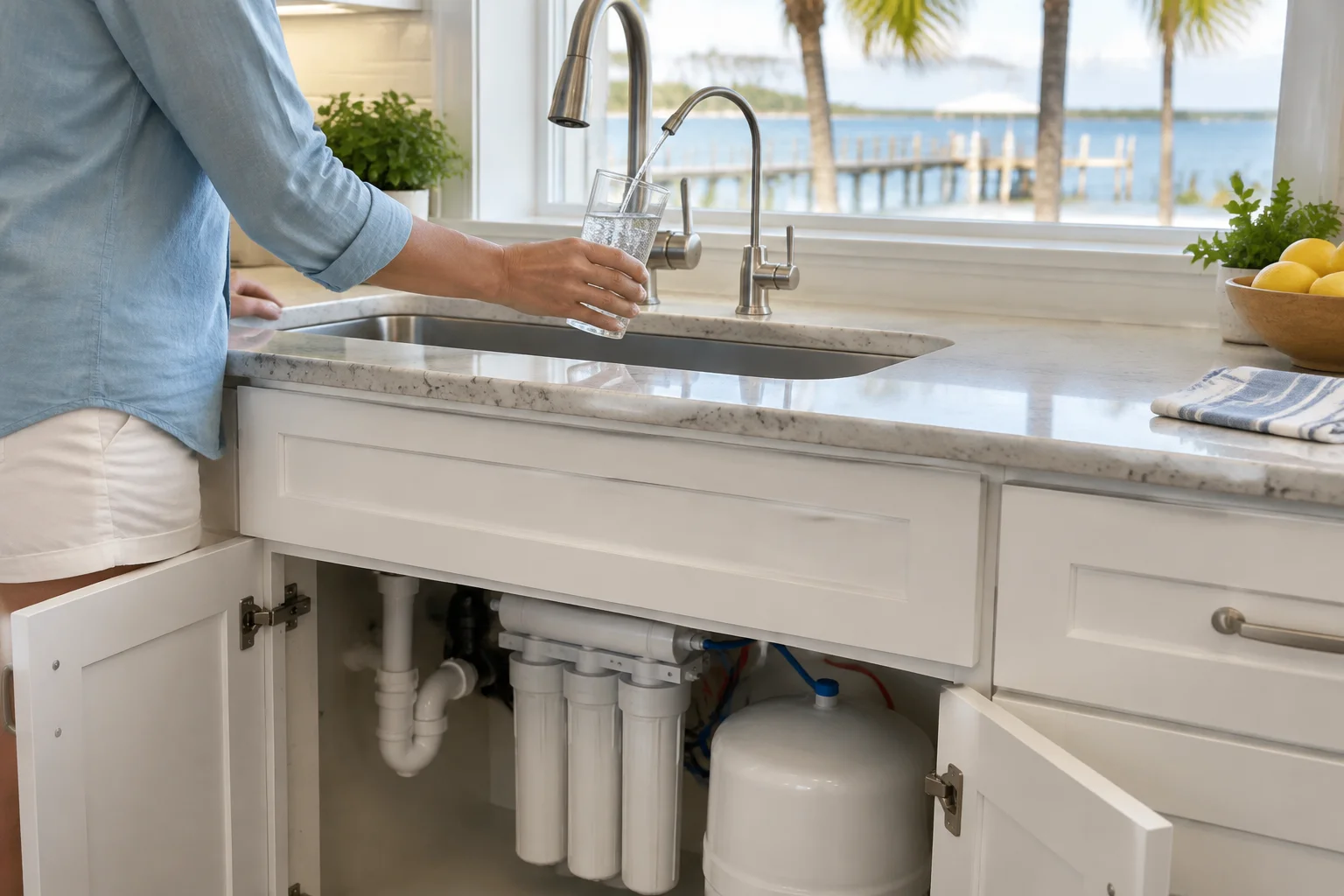
In a home kitchen scene, the “before and after” can be subtle at first. You might still see cloudy ice cubes, feel a film on cups, or notice cooking water that does not taste as clean as expected. Addressing scale buildup and improving filtration together can make a bigger difference than relying on softening alone.
7) Taste, odor, and sediment issues that softeners cannot fully fix
Water softeners primarily target hardness minerals. They do not automatically solve every water quality concern. If you are experiencing chlorine taste in water, metallic tasting water, or unpleasant odor, you may need additional treatment.
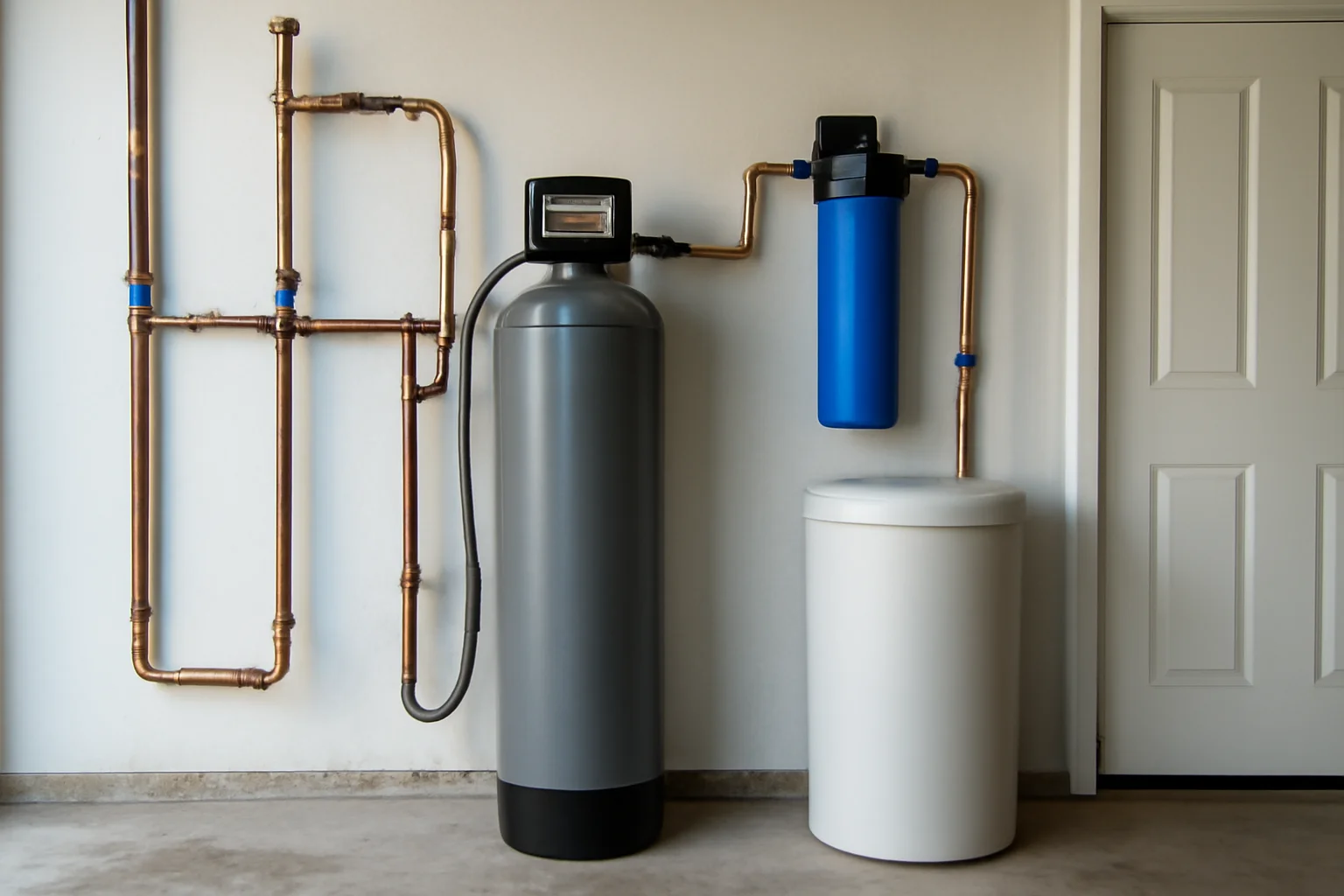
This is where whole home water filtration and AO Smith water filtration options can help. Many homeowners choose a layered approach: soften the water to protect plumbing and reduce scale, then filter further to improve taste, odor, and clarity for drinking and cooking.
For people searching for water filtration near me, it is often the combination that makes the biggest day to day difference, especially in the kitchen and on the table.
How scale and mineral buildup affect daily life
Hard water does not just show up as an eyesore. It affects performance, comfort, and how appliances run.
Kitchen and drinking water
When minerals and contaminants are present, you may notice cloudy ice cubes, a lingering aftertaste, or water that does not taste fresh. That can make poor tasting coffee and cooking water more noticeable. Even if your water looks clear, dissolved materials can change flavor and how ingredients behave.
In many Blue Mountain Beach homes, the kitchen becomes the “test area.” If family members complain about taste, it is usually not random. It often points to filtration issues that a softener alone cannot correct.
Bathing and skin comfort
Soap can feel like it never fully rinses. That can leave a residue that contributes to dry skin from hard water and hair that feels dull. Homeowners describe it as “my skin feels tight” or “my hair does not feel clean,” especially after showers where soap scum and minerals are interacting.
A properly functioning softener reduces hardness so soap rinses better. If you still notice odor or taste issues, pairing with filtration can improve the full bathing and drinking experience.
Laundry and dishwashing
Hard water can make laundry feel rough and cause detergents to work less efficiently. You may see residue on clothing or notice that whites do not come out as bright.
Dishes are another common pain point. Homeowners often see hard water spots on glass and a film on plates. Over time, that same mineral buildup can contribute to appliance wear inside dishwashers and water heaters.
Plumbing fixtures and appliance wear
Scale buildup on faucets, showerheads, and plumbing lines can reduce flow and require more frequent cleaning. In appliances, scale acts like an insulating layer. That can make water heaters work harder and can contribute to faster wear.
If you are noticing appliances wearing out faster and you have visible deposits around fixtures, it is a strong sign that hard water treatment needs attention.
Strategies to reduce scale and protect appliances
Start with correct water treatment for hardness
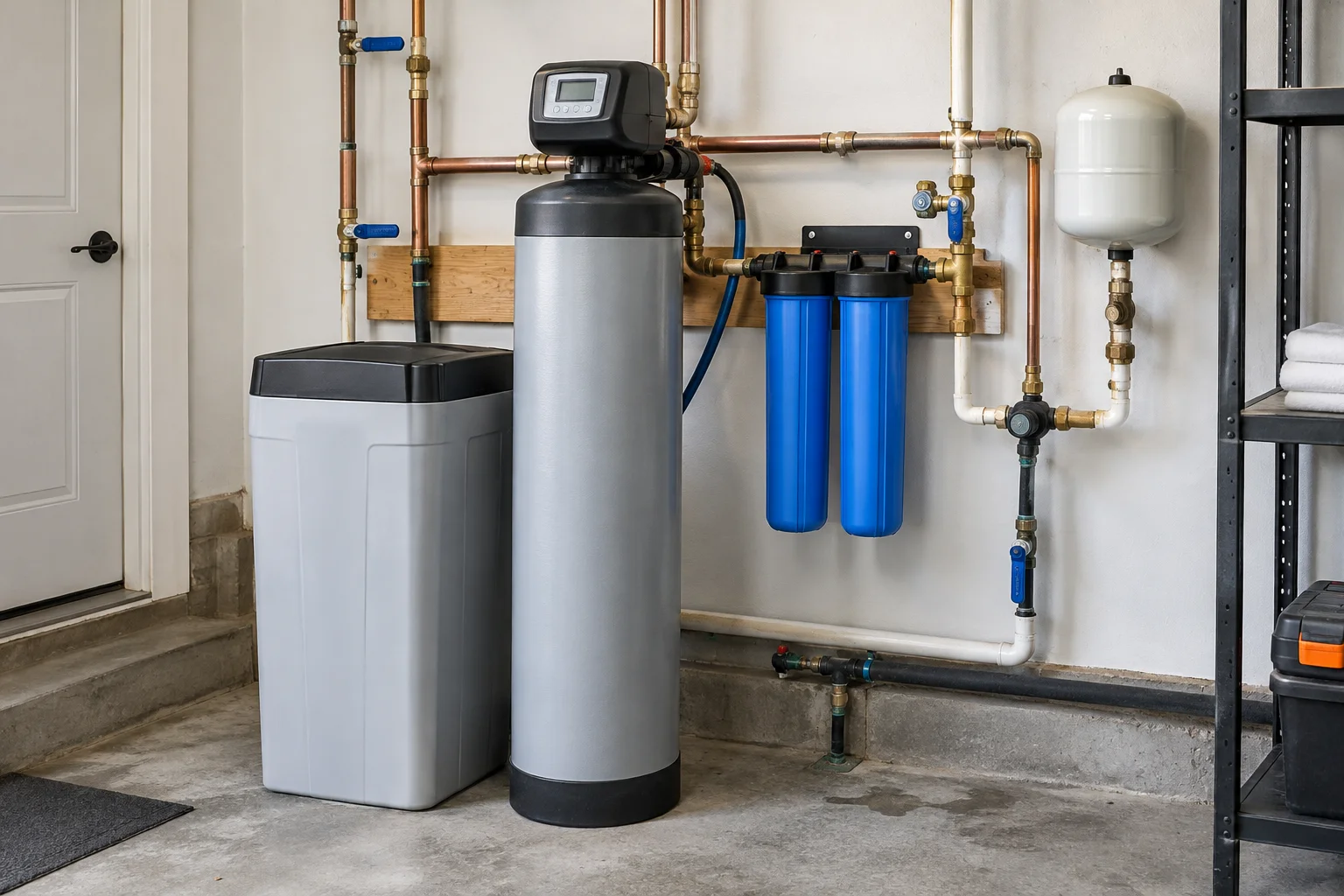
For most Blue Mountain Beach homes, water softening is the foundation for reducing scale. The goal is consistent hardness reduction so minerals do not keep coating fixtures and building up inside equipment.
If your system is not performing, the fix is usually not “use more salt.” It is diagnosing the real cause, such as sizing, settings, brine issues, or component maintenance.
If you are looking for water softener service or water treatment near me, a local professional can verify performance and help you choose the right approach for your household.
Add whole home water filtration for sediment and taste
Many homeowners benefit from whole house water filter systems because they address more than hardness. Sediment, fine particles, and certain taste and odor issues can interfere with how water feels and tastes, and they can also increase wear by coating components.
When families in Walton County want better drinking water, they often choose AO Smith water filtration as part of a layered system. A whole home filter can help reduce visible sediment and improve water clarity, which often goes hand in hand with better tasting coffee and cleaner ice.
For homeowners searching for home water purification near me, it is helpful to think in terms of the full water journey: incoming water passes through filtration, then through softening, then to fixtures and appliances.
Use reverse osmosis for drinking and cooking water
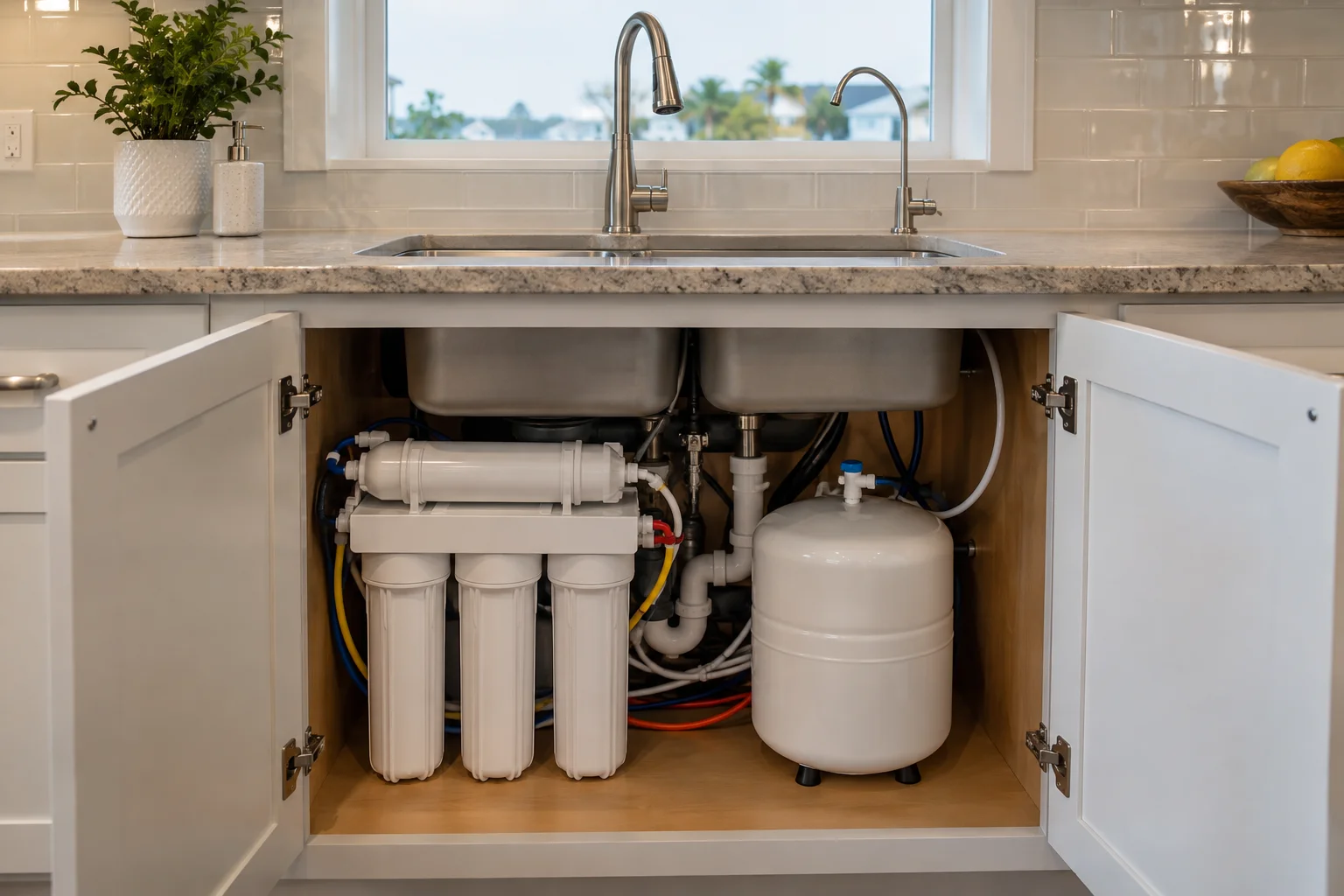
Even with softening and whole home filtration, some households prefer reverse osmosis for the kitchen. Reverse osmosis can improve drinking water by reducing a wider range of dissolved contaminants. That is why many homeowners consider an reverse osmosis system near me for drinking water, ice, and cooking.
Another reason reverse osmosis is popular is that it can help with taste and clarity. If you are dealing with metallic tasting water, chlorine taste in water, or cloudy ice cubes, a dedicated reverse osmosis setup often makes the difference family members notice right away.
If you are planning for upgrades, you may also be searching for reverse osmosis installation near me. Proper installation matters, including correct placement, pressure requirements, and maintenance schedules.
Clean scale where it starts: fixtures and aerators
Even with improved softening, existing deposits may remain. Cleaning faucet aerators and showerheads can restore flow and reduce visible buildup. It is also a good way to confirm whether the water is improving.
When scale buildup on faucets and showerheads decreases over time, it is a sign that the treatment plan is working and that you are reducing scale buildup where it matters most.
Schedule maintenance so performance stays consistent
Water treatment is not a set it and forget it project. A softener and filtration system require routine maintenance. That can include checking salt levels, inspecting brine tank conditions, replacing filters, and verifying regeneration performance.
Because Blue Mountain Beach homes may experience changes in water quality over time, maintenance helps prevent the slow creep of scale and the gradual drop in taste and clarity.
A smarter approach: match the system to the problem
Homeowners often assume one solution should fix everything. In reality, different symptoms point to different causes.
- If you see scale buildup around faucets, showerheads, and plumbing, you likely have hardness that needs consistent water softening.
- If you notice sediment, discoloration, and odor concerns, a whole home water filter or filtration upgrade may be needed.
- If family members complain about chlorine taste in water, metallic tasting water, or cloudy ice cubes, consider reverse osmosis for drinking and cooking.
- If laundry feels rough and soap struggles to rinse, effective softening is often the missing piece.
For many households, the best results come from combining AO Smith water filtration with softening and using reverse osmosis where it improves the water people actually drink.
If you want to explore options, you can review the service area information for local support at /service-areas/walton-county/blue-mountain-beach/water-softening-bmbfl and browse broader system ideas at /water-filtration-ro-water-softeners. To see what else is available locally, visit /service-areas/walton-county/blue-mountain-beach and /service-areas/walton-county.
Local maintenance and upgrades that fit Blue Mountain Beach homes
Blue Mountain Beach homes are often built for comfort and convenience, with frequent water use tied to beaches, outdoor living, and busy family schedules. That makes consistent water treatment even more important. When you reduce scale, you protect the systems that keep the home running smoothly.
When hard water treatment becomes part of protecting fixtures and appliances, it can also reduce the time spent scrubbing scale from glass, shower doors, and kitchen fixtures. It can mean fewer appliance issues and a better everyday feel in baths, laundry, and dishes.
If you are seeing ongoing water quality concerns, it can also be worth learning how other home systems get affected by water quality and wear. For example, this article connects everyday plumbing stress with bigger drain problems: /news/how-everyday-plumbing-wear-and-tear-shapes-sewer-and-drain-problems-in-blue-mountain-beach. And if you want to focus specifically on cost avoidance from scale, this one is directly relevant: /news/how-water-softening-protects-rosemary-beach-plumbing-from-costly-water-damage.
Some homeowners also explore broader home protection strategies. While it is not water-focused, it can help you think about home readiness and prevention: /news/keeping-blue-mountain-beach-homes-ahead-of-electrical-trouble-2. If you have new construction or major renovations in mind, you can also review this guide: /news/a-practical-guide-to-commercial-electric-new-construction-in-blue-mountain-beach-fl-panels-wiring-outlets-and-prevention.
When to call a water treatment professional
It is a good time to get help if you notice multiple symptoms at the same time, or if improvements do not last. Call a local team for an inspection if:
- Your home still has hard water spots on glass and scale buildup even after refilling salt.
- Soap does not lather or rinse well and you are seeing persistent residue on fixtures.
- You have dry skin from hard water or dull hair that does not improve.
- You detect metallic tasting water, chlorine taste in water, or unpleasant odors that affect drinking.
- Your ice looks cloudy or your coffee tastes off.
- Appliances are wearing out faster and you suspect mineral buildup.
- You see visible sediment or discoloration that suggests filtration may be needed.
A professional can test water hardness, evaluate softener performance, inspect components, and recommend the right combination of water softening, whole home water filtration, and reverse osmosis for your home. That is how homeowners make smarter water quality decisions in Blue Mountain Beach, FL, and reduce scale and appliance wear without guessing.
Find Water Softening in Blue Mountain Beach, FL
If you need Water Softening in Blue Mountain Beach, FL, visit our local service page or contact A Superior Mechanical today.
For a broader look at whole-home water filtration, reverse osmosis, and water softener options, visit our water filtration, RO, and water softener page.
Map of Blue Mountain Beach, FL
Frequently Asked Questions
Why does my water still feel hard even though I have a water softener?
Common causes include incorrect softener settings, an undersized system for your household, brine tank problems (like low salt or bridging), a clogged pre-filter, or a bypass valve left open. If symptoms like hard water spots on glass and scale buildup on faucets continue, it is usually a performance issue that should be tested.
Does a water softener fix chlorine taste and odors?
Usually, no. Water softeners target hardness minerals, not chlorine taste or many odor concerns. For better drinking water, many homeowners add whole home water filtration or use reverse osmosis for drinking and cooking.
How do cloudy ice cubes connect to water treatment problems?
Cloudy ice cubes can happen when dissolved minerals, sediment, or certain contaminants are present. Even if water looks clear, filtration and treatment can improve clarity. Many homeowners address this by combining softening with filtration and, in some cases, adding reverse osmosis for the kitchen.
What maintenance helps prevent scale and appliance wear?
Keep salt levels adequate, prevent salt bridging, replace filtration media on schedule, and verify the softener regenerates correctly. Regular service helps stop scale buildup on fixtures and reduces mineral deposits inside appliances.
What is the best setup for better drinking water in Blue Mountain Beach?
A layered approach is often best: water softening to reduce hardness and protect plumbing, whole house water filtration to reduce sediment and improve overall water quality, and reverse osmosis for drinking and cooking when taste and clarity are priorities.
Related Articles
- How everyday plumbing wear and tear shapes sewer and drain problems in Blue Mountain Beach
- How Water Softening Protects Rosemary Beach Plumbing from Costly Water Damage
- Keeping Blue Mountain Beach Homes Ahead of Electrical Trouble
- A Practical Guide to Commercial Electric New Construction in Blue Mountain Beach, FL: Panels, Wiring, Outlets, and Prevention
Photo Gallery