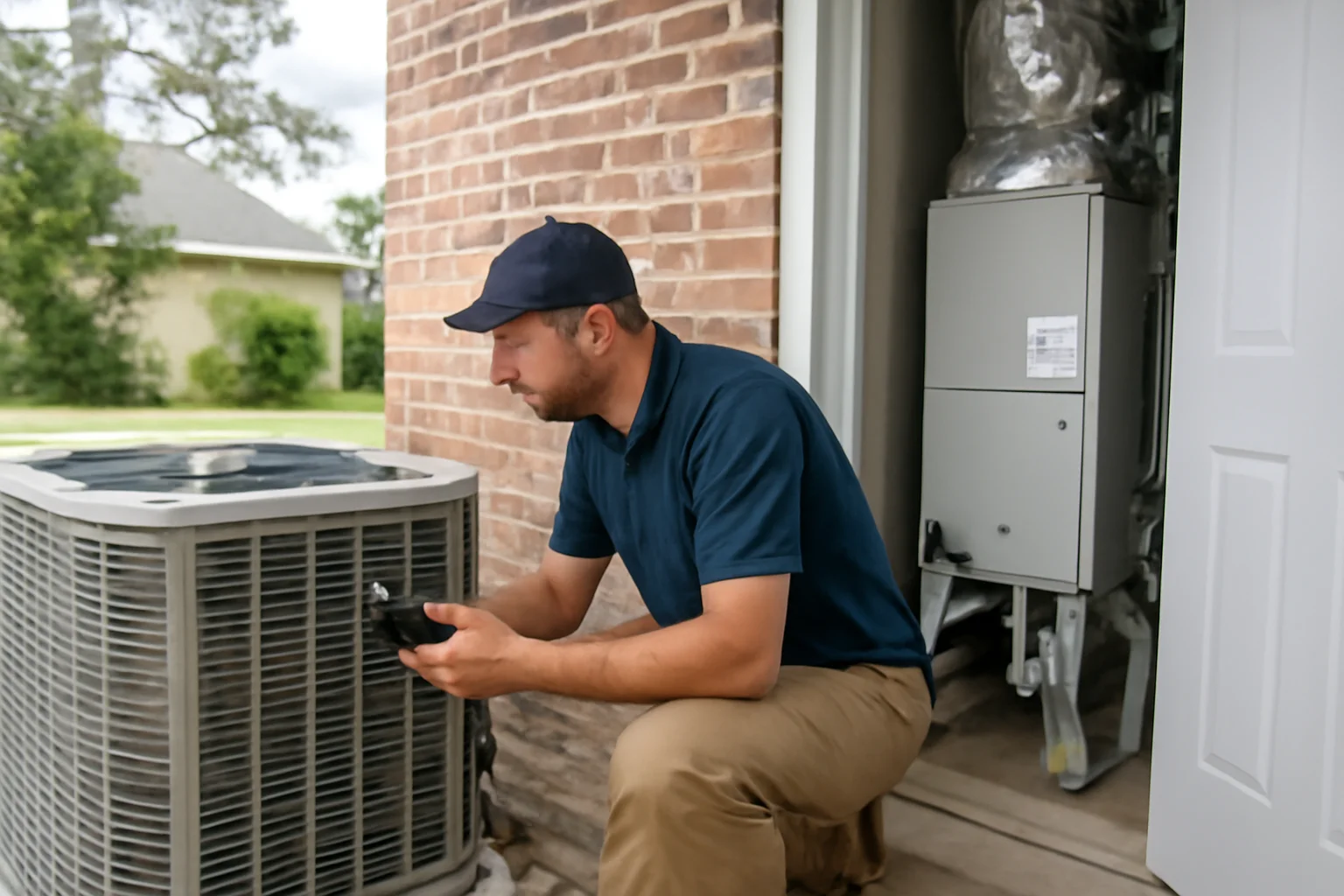
Lower Grand Lagoon homes rely on efficient heating and cooling that can handle Florida humidity, salt air, and long stretches of warm weather. VRF multi-zone systems are designed to deliver precise comfort room by room, but they still need attention when warning signs appear. Catching problems early can help prevent the kind of mid-summer emergency cooling concerns that disrupt daily life and lead to expensive HVAC repair.
This guide walks through common HVAC warning signs connected to VRF multi-zone systems, why they happen in our local climate, and what homeowners can do to reduce the risk of costly breakdowns. For professional help, you can explore VRF multi-zone systems services and learn more about our coverage on the Lower Grand Lagoon service area page.
Why VRF multi-zone systems can fail differently than traditional HVAC
VRF, which stands for variable refrigerant flow, uses a refrigerant system to serve multiple indoor units from one outdoor unit. Instead of each zone having its own full heating and cooling setup, VRF directs refrigerant through a network of lines, controls, and indoor air handlers. That design supports strong temperature control and flexibility, but it also means small issues can show up as zone-specific symptoms.
In Lower Grand Lagoon, where air conditioning service is a year-round necessity for many homes, homeowners often notice issues during the hottest, most humid weeks. Salt air and coastal moisture can add stress to outdoor components. Meanwhile, ductwork and airflow problems can make the system work harder to maintain comfort, which can accelerate wear.
Because VRF is a refrigerant-based system with multiple connected components, warning signs are often tied to airflow, condensate drainage, thermostat communication, or refrigerant system behavior. A licensed local HVAC contractor should evaluate the system in person before any conclusions are drawn.
HVAC warning signs homeowners should not ignore in VRF multi-zone systems
1) One room is warm while others feel cool
It is common for VRF zones to behave differently. However, a persistent comfort mismatch can be a sign of restricted airflow, thermostat sensor issues, or a control problem affecting refrigerant flow to that indoor unit. If one bedroom, office, or rental unit stays warmer than expected while adjacent rooms perform normally, do not assume it is “just the thermostat.”
In Florida heat and humidity, even a small airflow reduction can cause the indoor unit to struggle to remove moisture. That can lead to higher indoor humidity and a feeling of stuffiness, even when the air seems cool.
2) Airflow feels weak from one or more indoor units
VRF indoor units rely on proper airflow across the coil and through the room. Weak airflow can come from dirty filters, blocked returns, or ductwork restrictions. In some homes, duct sealing issues can also reduce the effectiveness of the system’s air distribution, especially when supply and return paths are not balanced.
Airflow issues can also contribute to higher energy use because the system must run longer to reach setpoints. If you notice weak airflow, plan for duct sealing and Aeroseal services when appropriate, and consider professional duct inspection. For comfort-focused improvements, homeowners sometimes pair VRF maintenance with guidance like how duct sealing can improve comfort in Lower Grand Lagoon.
3) Condensate drainage concerns, like water near indoor units
Cooling in humid Florida conditions creates condensate. VRF indoor units use condensate drainage to manage that moisture. When drainage is obstructed, you may see water around an indoor unit, notice a musty smell, or observe damp drywall or ceilings near the line set.
Condensate drainage problems can be more than a nuisance. Standing moisture can worsen indoor air quality and create conditions for mold growth. In a VRF system, drainage issues can also affect how reliably the unit cycles and controls temperature and humidity.
If you see water, do not try to “fix it” with temporary measures alone. A professional should inspect the drain path and confirm the system is operating safely.
4) Thermostat behavior that does not match what the system is doing
VRF multi-zone systems often use thermostats that communicate with the control system for each zone. Warning signs include:
- Setpoint changes that do not lead to expected temperature changes
- Frequent cycling or long delays before the system responds
- Zones that switch modes unexpectedly, especially during humid weather
Sometimes the thermostat is the issue. Other times the indoor unit control board, sensor, or wiring connection is the problem. Homeowners should avoid guessing. If you are searching for thermostat installation near me or thermostat troubleshooting, choose a licensed HVAC contractor who works specifically with VRF multi-zone systems.
5) Unusual noises from the outdoor unit or indoor air handlers
VRF systems use variable operation based on load. That can create normal changes in sound, but certain noises are not normal. Listen for:
- Banging or rattling that increases under high demand
- Whistling or hissing that suggests refrigerant flow issues
- Grinding or persistent fan sounds that indicate mechanical wear
In coastal Bay County conditions, outdoor units can also collect debris. Leaves, sand, and salt air can affect airflow and heat transfer. If noise appears right after a storm or after pollen season, schedule a professional inspection.
6) Frosting or ice buildup on coils or line connections
Ice or frost can signal a problem with airflow, refrigerant behavior, or unit operation. In VRF systems, symptoms can appear at the indoor unit, the outdoor unit, or at refrigerant line connections depending on the issue. Because refrigerant systems are involved, do not attempt DIY troubleshooting.
If you see frost, treat it as a warning sign that the system is not removing heat and humidity correctly. Florida homeowners often notice this during shoulder seasons, but it can also show up during summer if airflow or controls are off.
7) Persistent high humidity even when the system runs
One of the biggest comfort issues in Lower Grand Lagoon is humidity. If your VRF multi-zone system runs often but the home feels sticky, you may be dealing with airflow restrictions, dirty indoor components, a drainage issue, or ductwork problems that reduce the system’s ability to remove moisture.
Humidity problems can also lead to comfort complaints in rentals and multi-tenant homes. If you manage a property, consider pairing HVAC maintenance with indoor air quality improvements like air filtration and dehumidifiers, especially in rooms that hold moisture longer.
8) Rising energy use or short cycling
When VRF systems work harder than they should, energy use often increases. Warning signs include shortened cycles, frequent starts, or the system running at higher demand to compensate for airflow problems or poorly balanced distribution.
Short cycling can also indicate a control or sensor issue. Because VRF is designed for efficiency, sustained performance problems that raise energy use are a reason to schedule HVAC maintenance near me with a contractor experienced in VRF.
Local Lower Grand Lagoon factors that make VRF issues more likely
Even well-designed VRF multi-zone systems can struggle when local conditions create extra load or stress. In Lower Grand Lagoon and throughout Bay County, FL, these factors show up often:
- Florida heat and humidity: Cooling demand increases, and indoor units must remove moisture consistently. Any airflow or drainage reduction can quickly affect comfort.
- Salt air: Coastal exposure can accelerate corrosion on outdoor components. Regular cleaning and inspection matter.
- Air distribution challenges: Many homes have ductwork that is undersized, leaky, or poorly balanced. That can affect airflow and humidity control.
- Condensate drainage sensitivity: Clogged drains or improper drainage routing can create water issues and indoor air quality problems.
- Thermostat and control complexity: Multi-zone systems rely on correct communication between thermostats, indoor units, and system controls. Small installation or calibration issues can become noticeable over time.
How preventive maintenance reduces emergency cooling concerns
When homeowners search for HVAC maintenance near me, the goal is usually to avoid breakdowns during peak demand. With VRF multi-zone systems, preventive maintenance helps reduce the chance of:
- Indoor units not handling humidity properly
- Airflow problems that cause coils to underperform
- Condensate drainage issues that lead to water damage and indoor air quality concerns
- Control and thermostat communication problems that lead to inconsistent comfort
A professional HVAC service visit typically focuses on system operation, cleaning where appropriate, verifying airflow, checking for signs of drainage issues, and confirming that components respond as expected across zones. For VRF specifically, this is where experience matters, since the system includes multiple indoor units tied to a refrigerant network.
DIY checks that are safe for homeowners (and what to avoid)
Homeowners can help a VRF system by watching for early warning signs and keeping routine areas clean. Safe actions include:
- Check and replace air filters if your indoor unit uses accessible filters. Dirty filters reduce airflow and can worsen humidity control.
- Clear visible obstructions around indoor units so air can move freely.
- Look for water around indoor units or near condensate lines after heavy humidity periods.
- Confirm thermostat settings and mode selection are correct for comfort needs.
What to avoid:
- Do not attempt refrigerant system “fixes” or refrigerant diagnosis. VRF involves refrigerant systems, and refrigerant handling requires trained technicians and proper tools.
- Do not ignore drainage if you see water. Temporary patching can hide a deeper issue.
- Do not open electrical panels or attempt repairs to controls. Instead, schedule HVAC repair near me with a licensed HVAC contractor near you.
When to call A Superior Mechanical for VRF multi-zone service
Professional local HVAC service matters when warning signs persist, expand to multiple zones, or impact comfort and indoor air quality. Call for service if you notice any of the following:
- Weak airflow in one or more zones that does not improve after basic filter checks
- Repeated thermostat behavior that does not match system response
- Water or dampness near indoor units, ceilings, or walls
- Visible frost or ice buildup
- Unusual noises that increase during cooling demand
- Consistent high humidity despite the system running
If the system is your primary cooling source, do not wait for a full breakdown. In Florida summers, the cost of delaying service can show up as greater indoor humidity, comfort loss, and potentially more extensive repairs.
For homeowners weighing options, you can also review air conditioning installation and explore Bay County HVAC coverage if you manage properties across the area.
How VRF service connects to ductwork and indoor air quality
Even when the VRF system itself is operating correctly, airflow and moisture removal depend on the home’s air distribution. Ductwork problems can make it harder for indoor units to maintain comfort targets, especially in humid conditions. If you suspect distribution issues, ask about:
- Duct inspection near me for airflow balance and hidden restrictions
- Duct cleaning near me when airflow is reduced due to buildup
- Duct sealing to reduce leaks that waste conditioned air and strain the system
Indoor air quality is also affected by humidity and filtration. When condensate drainage is compromised or airflow is weak, moisture can linger. That can create conditions for odors and airborne comfort issues. If you are planning upgrades, consider pairing VRF maintenance with air filtration strategies like air filtration and dehumidifiers.
VRF multi-zone systems and system replacement considerations
Most homeowners want to repair rather than replace, and that is usually the right first step when possible. Still, there are situations where replacement may be the better long-term move, such as repeated component failures, persistent performance issues across zones, or aging equipment that no longer meets comfort expectations.
If you are searching for HVAC replacement near me in Lower Grand Lagoon, a careful evaluation is essential. A professional should review the system’s overall operation, zone behavior, airflow performance, drainage conditions, and how the refrigerant system is functioning. The goal is to determine what can be repaired safely and what might require a broader plan.
For homeowners who want to understand VRF at a practical level, these reads can help: A Practical Look at VRF Multi-Zone Systems for Miramar Beach Homes and Why VRF Multi-Zone Systems Deserve a Closer Look in Sandestin Homes.
Preventive habits that help your VRF system run reliably through the season
You can reduce the odds of a mid-summer breakdown by building a few habits around comfort and maintenance:
- Track zone comfort: If one zone drifts out of temperature, note when it happens and what the thermostat is set to.
- Watch humidity: If the home feels sticky or smells musty, investigate airflow and drainage rather than only lowering the setpoint.
- Keep filters clean: Replace filters on schedule so airflow stays strong.
- Schedule HVAC maintenance before peak demand: An HVAC contractor near me visit can catch issues before they become emergencies.
- Consider commercial HVAC maintenance if you manage rentals or businesses: Multi-zone systems in commercial settings can benefit from a consistent service plan. Learn more at Commercial HVAC Maintenance.
Homeowners also sometimes ask about financing for comfort upgrades. If that is part of your planning, this resource can help: A Local Homeowner’s Guide to HVAC Financing in Lower Grand Lagoon, FL.
Reducing repair costs starts with early action, not guessing
In VRF multi-zone systems, warning signs can be connected to airflow, condensate drainage, thermostats, ductwork performance, indoor air quality, and refrigerant system behavior. Because these systems are interconnected, a small symptom can grow into an emergency cooling concern if it is ignored.
When homeowners notice comfort drift, weak airflow, humidity that will not settle, or water around indoor units, the best next step is an in-person evaluation by a licensed HVAC professional. That is the difference between “trying to get through the week” and protecting your system, your home, and your budget through Florida’s demanding weather.
To schedule VRF multi-zone support in Lower Grand Lagoon, visit our VRF multi-zone systems service area page and contact A Superior Mechanical.
Note: Refrigerant system diagnosis, electrical diagnosis, and any decision about replacement should be based on an on-site professional inspection. This article is for homeowner awareness and prevention planning.
Find VRF Multi-Zone Systems in Lower Grand Lagoon, FL
If you need VRF Multi-Zone Systems in Lower Grand Lagoon, FL, visit our local service page or contact A Superior Mechanical today.
Map of Lower Grand Lagoon, FL
Frequently Asked Questions
Why does my VRF multi-zone system cool some rooms but not others?
Zone differences often point to airflow restrictions, thermostat or sensor communication issues, or a control problem affecting refrigerant flow to that indoor unit. A technician should inspect the affected zone(s) and verify system operation in person.
Is high humidity a sign of a VRF problem?
Yes, persistent humidity can indicate airflow problems, dirty indoor components, condensate drainage concerns, or distribution issues through ductwork. In Lower Grand Lagoon’s humidity, even small restrictions can reduce moisture removal.
What should I do if I notice water near an indoor unit?
Stop using the affected zone and schedule service. Water can mean condensate drainage is blocked or draining incorrectly. Moisture can also impact indoor air quality, so it should be addressed promptly by a licensed HVAC contractor.
Can I troubleshoot refrigerant issues in a VRF system myself?
No. VRF systems involve refrigerant systems, and refrigerant diagnosis and repairs require proper tools and training. If you suspect refrigerant or coil icing issues, contact a professional for an on-site evaluation.
Related Articles
- A Local Homeowner’s Guide to HVAC Financing in Lower Grand Lagoon, FL: Comfort, Airflow, Humidity, and Prevention
- How Lower Grand Lagoon Homes Stay Comfortable with Better Duct Sealing and Aeroseal
- A Practical Look at VRF Multi-Zone Systems for Miramar Beach Homes
- Why VRF Multi-Zone Systems Deserve a Closer Look in Sandestin Homes
Photo Gallery