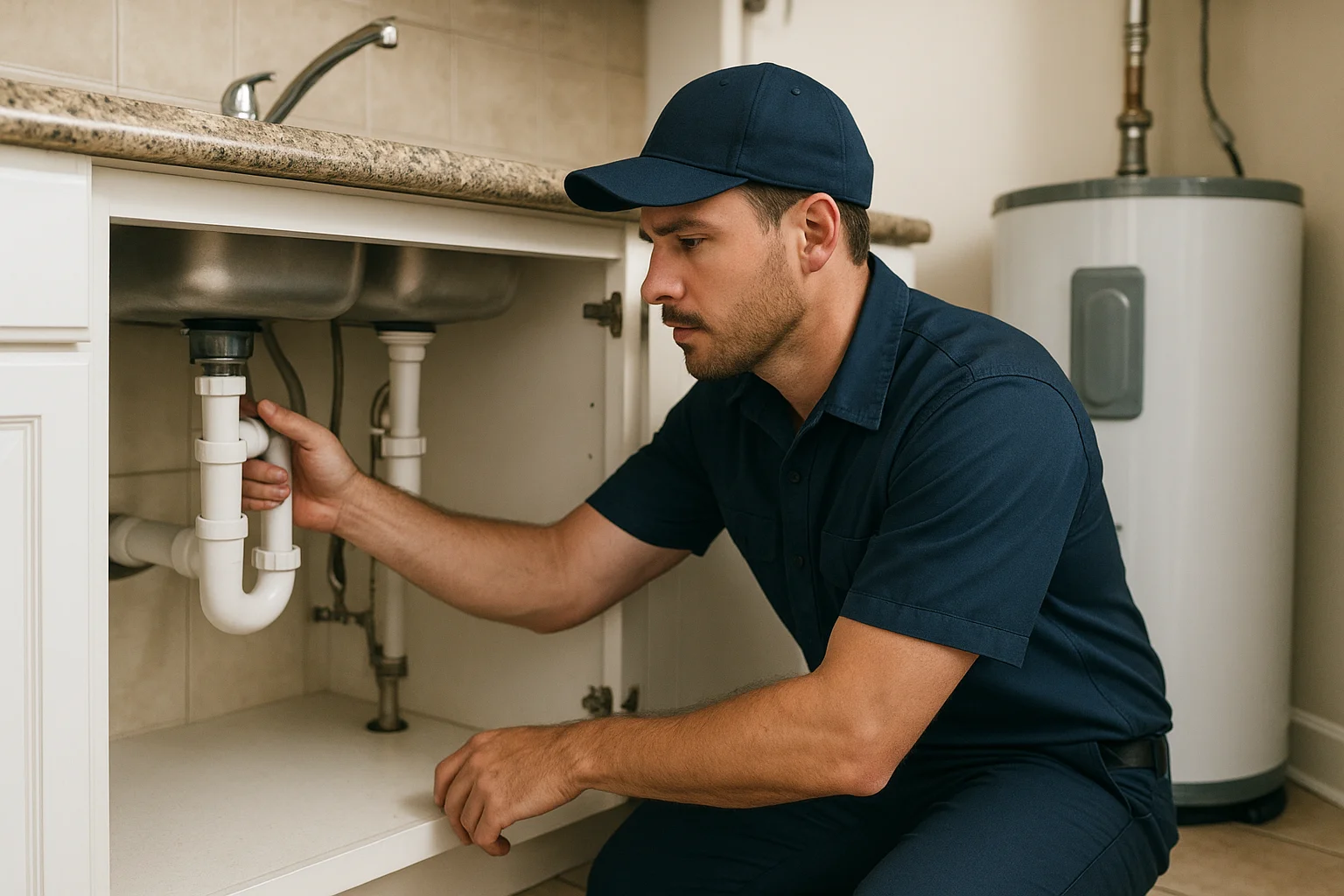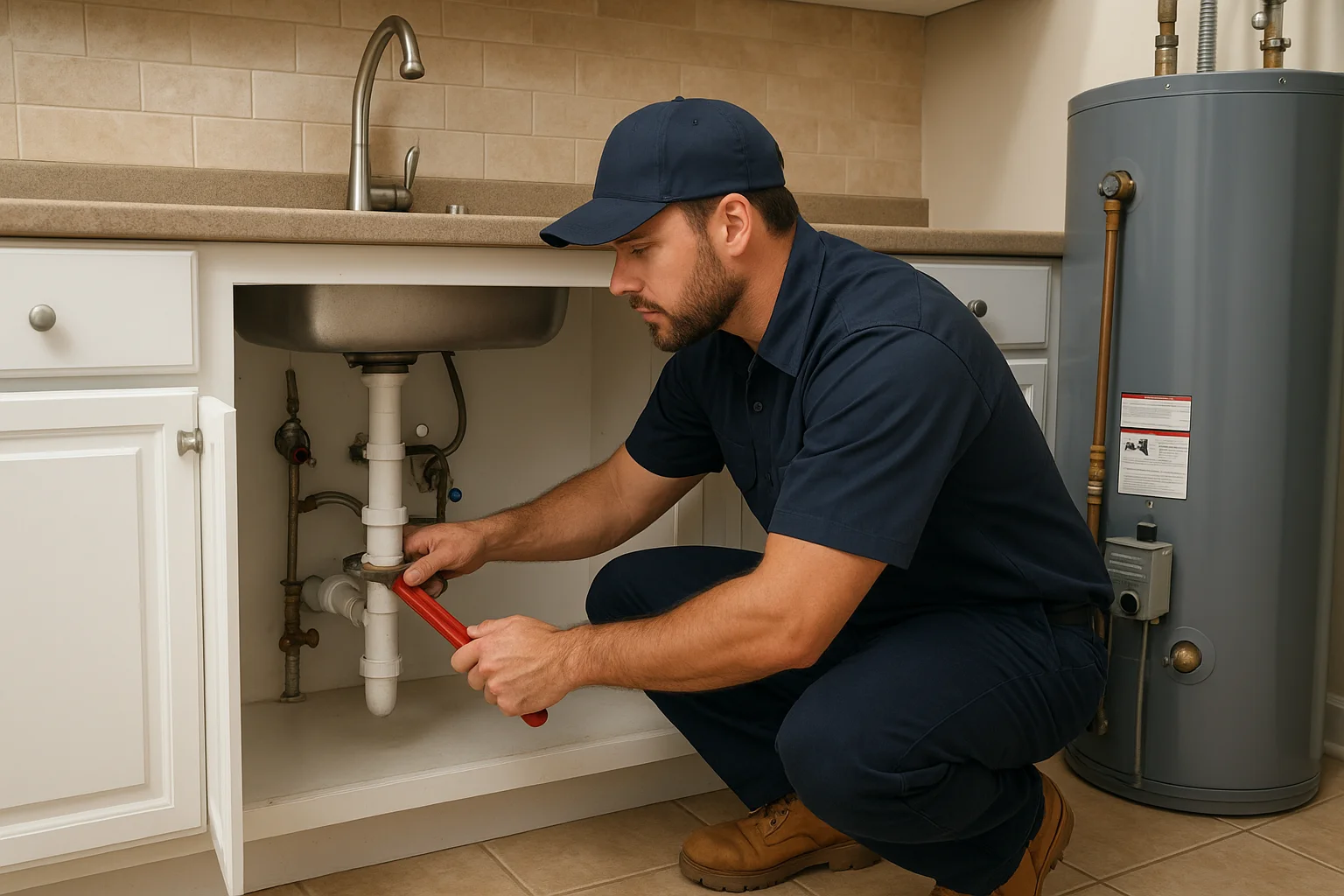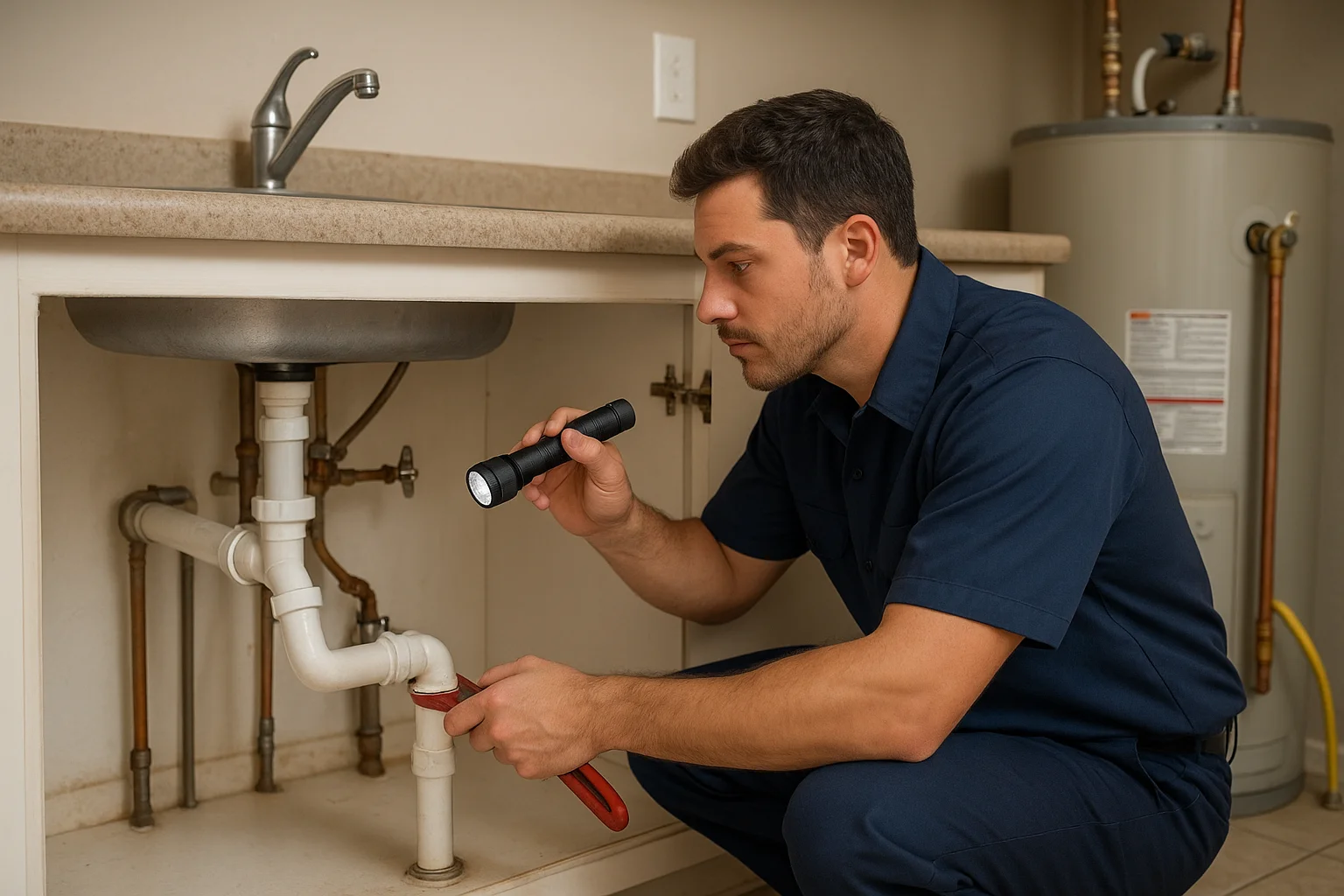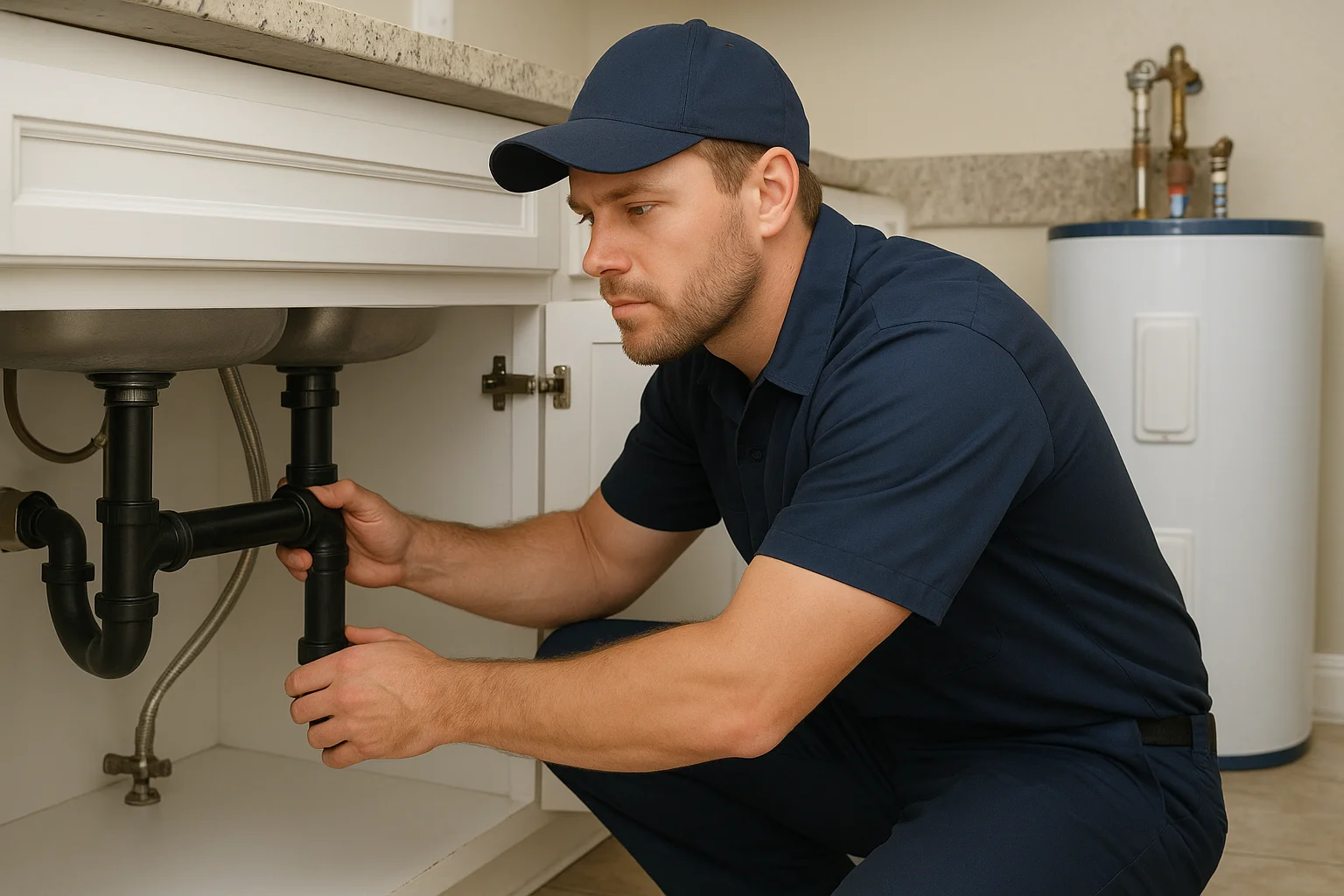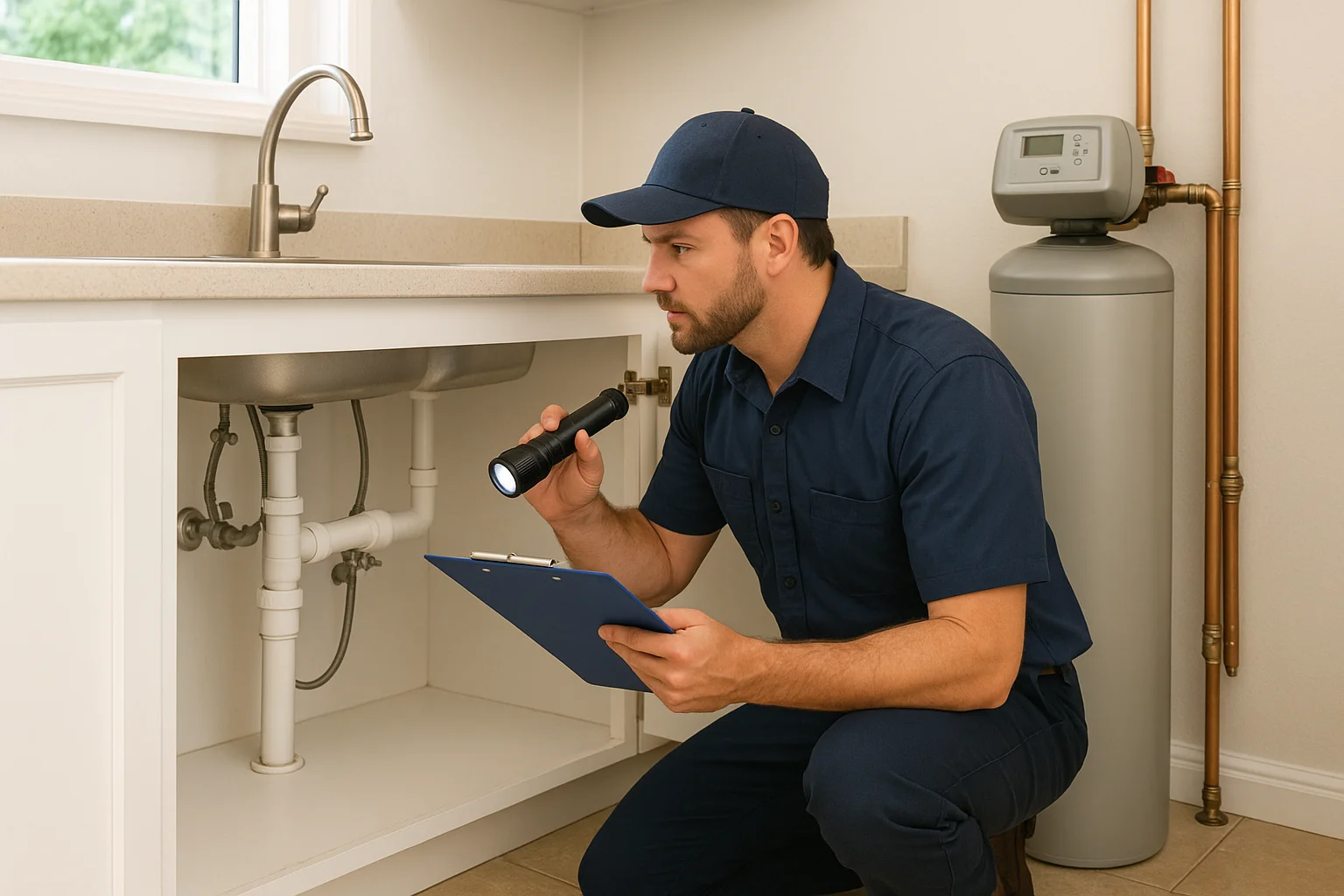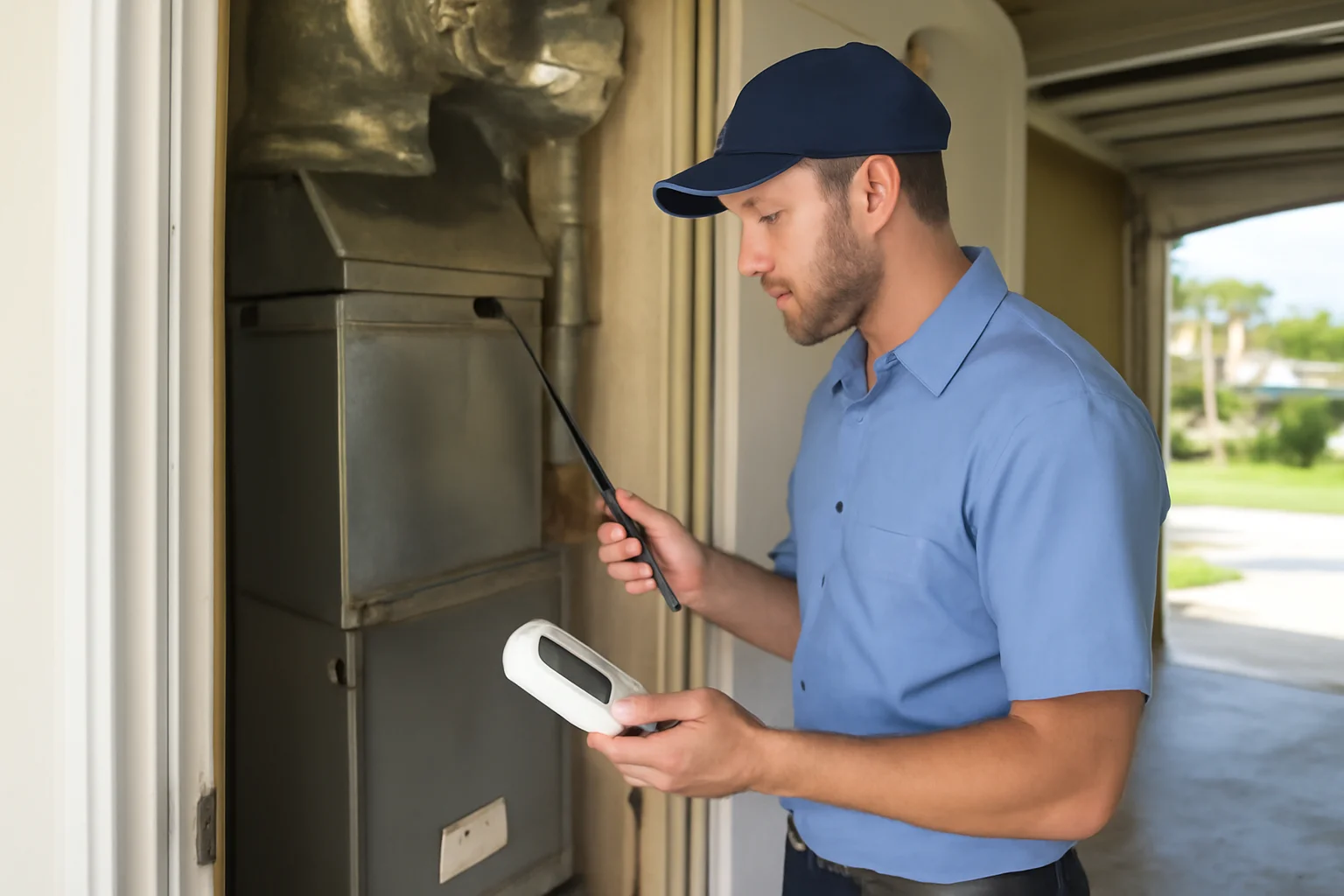
Living near the Gulf means your home has to handle heat, humidity, salt air, and frequent temperature swings. When your HVAC system struggles, indoor air quality can be the first thing to suffer. That is why homeowners in Blue Mountain Beach, FL often benefit from indoor air quality testing alongside an air conditioning inspection, especially when symptoms show up seasonally.
This guide connects common HVAC warning signs to what indoor air quality testing typically reveals. It also covers practical steps to reduce the chance of emergency cooling problems, improve airflow, and avoid costly HVAC repairs.
Why indoor air quality testing catches HVAC problems early
Most HVAC issues start quietly. Airflow changes, humidity levels drift, and contaminants build up in ductwork and equipment. Those changes can show up as comfort complaints or health symptoms before a technician would see obvious mechanical failure.
Indoor air quality testing looks at the conditions that your HVAC system creates and controls: moisture, ventilation performance, and airborne particulates. When a system is off balance, the result is often a chain reaction: higher humidity, more microbial growth risk, stale air, and increased strain on AC components. Over time, that strain can contribute to refrigerant system problems, condensate drainage issues, and thermostat or control mismatches.
If you are searching for indoor air quality testing near Blue Mountain Beach, FL, a good testing process will also help connect the dots between the air you breathe and how your air conditioning service or heat pump service is functioning.
HVAC warning signs that often point to indoor air quality issues
Here are common homeowner observations that can align with indoor air quality findings. Any one sign does not automatically mean a specific repair is needed, but they are strong reasons to pair comfort checks with HVAC evaluation.
1) Humidity that never seems to drop
In Blue Mountain Beach, Florida heat and humidity can overwhelm systems that are slightly underperforming. If your home feels damp even when the AC is running, indoor air quality testing may show elevated relative humidity or uneven moisture control. That can increase the risk of microbial growth and make odors linger.
Humidity control near me is a common search because homeowners often feel like they are doing everything right, yet the indoor environment stays muggy. In many cases, the root cause is airflow restriction, leaky ductwork, a condensate drainage problem, or a system that is short cycling due to comfort or thermostat settings.
2) Musty odors that return after the system runs
Musty smells can be linked to moisture in the air handler or evaporator coil area, slow condensate drainage, or contaminants in ductwork. Indoor air quality testing can help confirm whether airborne irritants or microbial indicators are elevated, which supports a targeted HVAC inspection.
Salt air and coastal moisture can also contribute to corrosion risk on components and can accelerate buildup if airflow is not ideal. That is why an air conditioning inspection near me is often more valuable than repeatedly changing filters without addressing the airflow and moisture pathway.
3) Hot or cold rooms that do not match the thermostat reading
Uneven temperatures often mean airflow imbalance. When supply air does not reach certain areas, those rooms can stay warmer and more humid. Testing can reveal that the home is not achieving consistent ventilation and filtration conditions.
In a coastal area with many vacation rentals and beach homes, ductwork performance matters. If you have been searching for a duct inspection, it can help identify where air is going, where it is not, and whether ductwork is contributing to indoor air quality problems.
4) Increased allergy or asthma symptoms indoors
When airborne allergens rise, occupants may notice symptoms during AC cycles, especially after long periods of disuse. Indoor air quality testing can help determine whether particulates are elevated and whether HVAC air filtration is keeping up with the home’s needs.
For homeowners looking for HVAC air filtration near me, testing can guide decisions about air filtration and airflow rather than guessing. If an air scrubber installation is considered, it should be done after the HVAC system is evaluated for airflow and moisture control so the whole system can support the air cleaning strategy.
5) Condensate drainage issues, water around the indoor unit, or frequent pan overflow risks
Condensate drainage problems are a direct HVAC warning sign. When water does not drain properly, the indoor environment can become damp around equipment. Indoor air quality testing may show conditions consistent with excess moisture, and a technician should inspect the drain line, trap, and condensate pan.
Because excess moisture can also affect airflow and filtration performance, this is one area where homeowners should not wait. Persistent drainage problems can contribute to microbial growth and can lead to system shutdowns that are especially concerning during emergency cooling concerns.
6) Short cycling or the system seems to run constantly
If your AC runs often but comfort does not improve, the system could be struggling with airflow, airflow sensors, refrigerant system performance, or thermostat/control behavior. While testing focuses on indoor conditions, it can also support the HVAC evaluation by showing whether humidity and temperature are responding as expected.
Short cycling can increase wear on components and can make indoor air quality worse because the system does not stay in the correct operating range long enough to manage moisture effectively.
What indoor air quality testing typically looks at for HVAC-related problems
A Superior Mechanical’s indoor air quality testing process is designed to help homeowners understand how indoor conditions are behaving and how the HVAC system is supporting or failing to support those conditions. While every home is different, testing commonly addresses:
- Humidity and moisture indicators that can point to condensate drainage or airflow issues
- Airborne particulate and filtration performance that can affect allergy symptoms and comfort
- Ventilation and airflow related conditions that can reveal pressure and ductwork performance concerns
- Signs of elevated contaminants that may be linked to microbial growth risk when moisture is present
Testing does not replace a hands-on HVAC diagnosis. It helps prioritize where to look first during an air conditioning service visit, a heat pump service call, or ductwork evaluation.
Common Blue Mountain Beach HVAC causes that show up during testing
Coastal living adds stressors that can make HVAC problems show up faster. These are some frequent causes behind indoor air quality concerns in Blue Mountain Beach and Walton County.
Refrigerant system strain and performance changes
When refrigerant levels or system performance are off, the indoor coil may not cool and dehumidify as effectively. That can lead to higher humidity, longer run times, and comfort issues. Testing may align with these symptoms by showing that moisture control is not keeping pace.
It is important to note that refrigerant diagnosis requires an in-person professional evaluation. Indoor air quality testing can suggest the system is not managing conditions properly, but it cannot confirm refrigerant problems by itself.
Airflow restrictions in ductwork and at registers
Florida homes can have ductwork that is undersized, poorly sealed, or obstructed by debris, insulation issues, or shifting building materials. Reduced airflow can cause uneven temperatures, poor humidity control, and increased strain on the system.
If you are noticing hot spots or persistent humidity, pairing indoor air quality testing with a ductwork services conversation can help. Ductwork performance is also why homeowners search for indoor air quality testing before comfort issues spread.
Condensate drainage problems caused by clogs, improper slope, or blocked lines
Even when the AC cools, condensate drainage can fail due to buildup or a blocked line. Moisture around the unit can contribute to musty odors and can increase microbial growth risk. Testing can support the investigation by clarifying whether indoor conditions suggest excess moisture.
Thermostat behavior and comfort setting mismatches
Thermostats that are set for aggressive temperature targets can lead to short cycling, while other settings can reduce dehumidification performance. Indoor air quality testing can help confirm whether humidity control is improving when the system operates correctly.
Because thermostat behavior is tied to how the HVAC system runs, a professional assessment can help align settings with the home’s actual airflow and moisture needs. If you are considering air conditioning services for system balancing, testing is a useful starting point.
Salt air and humidity affecting equipment cleanliness and performance
In coastal Walton County, salt air can accelerate corrosion and contribute to buildup on outdoor and indoor components. Humidity can also increase the likelihood of microbial growth risk when moisture is not controlled.
This is why preventive HVAC maintenance matters. Even a well-designed system can fall behind if airflow, coil cleanliness, and drainage are not monitored.
How to reduce the chance of costly HVAC repairs
The goal is to address the root cause behind indoor air quality issues before they escalate into major repairs. Here are practical steps homeowners can take.
Schedule HVAC tune up with indoor air quality goals in mind
An AC repair visit should not be the only time you think about performance. When you request an AC tune up, ask the technician to evaluate airflow, moisture control, and condensate drainage pathways in addition to basic operational checks.
For households that run the system heavily through hot, humid stretches, preventive maintenance helps reduce the odds of mid-season breakdowns and emergency cooling concerns. It also improves the likelihood that filtration and ventilation work as intended.
Prioritize duct inspection when rooms feel uncomfortable
If you have uneven temperatures, persistent humidity, or rooms that feel stale, ductwork inspection near me searches often point to the right place. Testing can show that indoor conditions are not stable, but ductwork evaluation can explain why.
For many Blue Mountain Beach homes, a duct inspection can also help you decide whether duct sealing or other ductwork improvements are worth considering. If you are exploring options, this duct inspection article is a helpful companion read.
Use filtration and air cleaning strategies that match your system
Homeowners searching for HVAC air filtration near me often want a quick fix. The better approach is to choose filtration and air cleaning based on the system’s airflow and the indoor conditions you are dealing with.
Indoor air quality testing can help confirm whether airborne particulates and humidity conditions are driving symptoms. If air scrubber installation is part of the plan, it should be coordinated with the HVAC setup so you are not fighting airflow limitations.
Watch condensate drainage after storms and high humidity stretches
Because coastal humidity swings can increase condensate production, drainage should be monitored. If you notice water where it should not be, gurgling sounds, or recurring shutdowns, address it promptly.
This is also a good time to ask for an air conditioning inspection near me that includes drainage checks and airflow verification.
Be cautious with DIY troubleshooting for refrigerant or equipment performance
Some homeowners try to solve indoor air quality symptoms by adjusting thermostats or swapping filters repeatedly. Those steps can help, but they can also delay the real issue if airflow, coil performance, or refrigerant system operation is behind the problem.
Indoor air quality testing can point toward HVAC performance issues. It cannot replace a licensed technician’s evaluation for refrigerant diagnosis, electrical diagnosis, or determining whether repair or system replacement is appropriate.
Testing can also inform repair vs. replacement decisions
When HVAC systems age, they can become less reliable at managing humidity, airflow, and filtration. Testing helps you understand how the home is behaving, which can be part of a larger decision process.
If you are searching for HVAC replacement near me, it helps to pair that question with an air conditioning inspection that reviews system performance, ductwork conditions, and how well the system manages indoor air quality. For some homes, fixes like ductwork improvements, drainage correction, or airflow balancing can restore comfort. For others, replacement may be the most responsible path after a full evaluation.
Only an in-person professional can determine the right direction based on system condition, airflow, and operational checks.
Special considerations for rentals, beach homes, and mixed-use properties
Blue Mountain Beach includes many second homes and rentals. Systems may sit unused during cooler months, then run intensively during peak summer. That pattern can contribute to stale air, microbial growth risk when moisture is not controlled, and sudden spikes in airborne irritants.
Indoor air quality testing can be a practical step before comfort complaints start. It can also help property managers document baseline conditions and ensure the HVAC system is prepared for summer humidity demands.
If you manage a property, consider pairing testing with HVAC service planning that includes duct inspection near me and a focused review of airflow and filtration performance.
Related reading that supports better indoor air decisions
Homeowners often find it easier to make confident choices when they understand how ductwork and indoor air quality connect.
- Why Seaside Homes Benefit From Indoor Air Quality Testing Before Comfort Issues Spread
- Why Better Indoor Air Quality Testing Matters for Upper Grand Lagoon Homes
- Indoor Air Quality Testing That Helps Inlet Beach Homes Stay Comfortable Longer
If you are exploring system configurations, you can also review ductless mini-splits for how they may affect airflow and comfort in specific spaces.
When to call A Superior Mechanical for testing and HVAC evaluation
Call a local HVAC service that offers indoor air quality testing when you notice patterns, not just temporary symptoms. In Blue Mountain Beach, that often means:
- Humidity stays high during AC operation despite normal use
- Musty odors appear after the system has been running
- All rooms do not feel the same, especially in summer heat
- Allergy symptoms intensify when the system cycles on
- You suspect condensate drainage problems or see water near the indoor unit
- You are planning preventive HVAC maintenance before peak season and want to reduce risk
A Superior Mechanical can help connect indoor air quality testing results with the HVAC factors that influence comfort, airflow, and moisture control. That local, professional approach matters in a coastal climate where humidity and salt air can accelerate performance issues.
If you want to start with testing, you can schedule through indoor air quality testing in Blue Mountain Beach. For service options across the area, visit Walton County HVAC services, and for broader local context, see Blue Mountain Beach, FL.
Find Indoor Air Quality Testing in Blue Mountain Beach, FL
If you need Indoor Air Quality Testing in Blue Mountain Beach, FL, visit our local service page or contact A Superior Mechanical today.
Map of Blue Mountain Beach, FL
Frequently Asked Questions
Can indoor air quality testing tell me what is wrong with my AC?
Testing helps identify indoor conditions like humidity and airborne irritants that can be caused by HVAC performance issues. It does not replace an in-person HVAC evaluation for refrigerant diagnosis, electrical diagnosis, or confirming the exact mechanical cause. A technician should review results alongside airflow, condensate drainage, and system operation.
How does Florida humidity affect indoor air quality and HVAC repairs?
High humidity makes it harder for an AC or heat pump to dehumidify effectively. When moisture is not controlled, it can increase microbial growth risk and create musty odors. Over time, persistent humidity and airflow problems can also increase system strain, contributing to repairs.
What does condensate drainage have to do with indoor air quality?
When condensate drainage is slow or blocked, moisture can build up near the indoor unit. That damp environment can contribute to odors and microbial growth risk. Indoor air quality testing may reflect moisture-related conditions, but a technician should inspect the drain line, trap, and pan.
Is ductwork part of indoor air quality testing?
Often, yes. Indoor air quality issues can be caused or worsened by ductwork problems such as poor airflow, leaks, or imbalanced distribution. Testing results can help prioritize a duct inspection near you, including evaluating airflow and where conditioned air is actually going.
How do I know if I should schedule preventive HVAC maintenance instead of waiting for a breakdown?
If you notice recurring humidity problems, uneven temperatures, musty odors, or allergy flare-ups during AC cycles, preventive maintenance paired with indoor air quality testing can help address underlying airflow and moisture control issues before they become emergency cooling concerns.
Related Articles
- Blue Mountain Beach Homes and the Hidden Value of a Duct Inspection
- Indoor Air Quality Testing That Helps Inlet Beach Homes Stay Comfortable Longer
- Why Seaside Homes Benefit From Indoor Air Quality Testing Before Comfort Issues Spread
- Why Better Indoor Air Quality Testing Matters for Upper Grand Lagoon Homes
Photo Gallery