Grayton Beach homes feel different from many parts of Florida. The Gulf brings salt air, coastal breezes, and a climate that is often warm and humid for much of the year. That combination can be tough on HVAC systems and even tougher on indoor air quality. When air feels stale, humidity stays high, or you notice allergies acting up, indoor air quality testing can help you move from guesswork to clear next steps.
A Superior Mechanical provides indoor air quality testing for homeowners in Grayton Beach, FL. The goal is to identify what is affecting comfort and HVAC performance, then help you choose practical solutions such as humidity control, ductwork improvements, or preventive HVAC maintenance.
Why indoor air quality testing matters in Grayton Beach
Indoor air quality is not just about “smell” or visible mold. In a coastal area like Grayton Beach, indoor air can be affected by:
- Humidity and moisture that can encourage microbial growth and make cooling feel less effective.
- Airflow issues caused by dirty or leaking ductwork, blocked returns, or system performance problems.
- Airborne contaminants such as allergens and particulates that can circulate when filtration and ventilation are not matched to the home.
- HVAC system factors including refrigerant system performance, condensate drainage, and thermostat settings that influence how the system cycles.
- Salt air exposure and outdoor conditions that can affect how equipment runs and how air is pulled into the home.
Testing helps homeowners understand which factors are most likely driving symptoms and comfort complaints. That matters because HVAC solutions that help one issue can be ineffective for another. For example, improving filtration is not the same as fixing poor airflow or fixing condensate drainage.
What indoor air quality testing typically looks at
Every home is different, but professional indoor air quality testing usually includes a combination of measurements and observations. Here are the common areas homeowners should expect to discuss with their HVAC contractor.
1) Humidity levels and moisture risk
In Florida heat and humidity, air conditioning does more than cool. It also dehumidifies. If humidity stays too high, you may feel clammy even when the temperature is set correctly. Elevated humidity can also increase the risk of mold growth in places like closets, around duct penetrations, and near condensate drainage components.
Testing can help confirm whether the home’s moisture levels match what the HVAC system is actually removing. This is especially useful for homes with:
- Frequent “too hot” complaints during the day
- Condensation around windows or on interior surfaces
- Musty odors that come and go
- Allergy flare-ups that seem tied to humidity
2) Airborne particulates and allergens
Airborne contaminants can come from outdoor air infiltration, indoor activities, and the HVAC system itself. If filtration is inadequate for the home’s needs, or if ductwork is not delivering clean, conditioned air consistently, particles and allergens can spread throughout living areas.
Indoor air quality services may include assessing filtration effectiveness, air distribution patterns, and measured conditions in occupied areas. This is where homeowners often find that “new filter” is not the same as properly matched airflow and system operation.
3) Mold and microbial concerns
Testing can help determine whether moisture-related issues are present and whether further investigation is warranted. It is important to understand that mold concerns are closely tied to moisture sources. That is why HVAC-focused testing often includes attention to condensate drainage, airflow, and how the system runs.
Professional evaluation is key. A test should not be treated as a one-and-done verdict, especially if the home’s symptoms change with seasons or weather patterns.
4) Airflow and ventilation performance
Even when a system is cooling, poor airflow can make indoor air feel uncomfortable. Airflow issues can also reduce how well the system controls humidity. Testing can help identify whether air is moving where it should, whether returns and registers are balanced, and whether ductwork is supporting proper distribution.
If you are searching for air conditioning inspection near me or duct repair near me, this is often the underlying concern. Air quality problems and comfort problems frequently share the same root causes.
5) HVAC system operation factors
Indoor air quality is connected to how the HVAC system operates. A professional assessment may include observations related to:
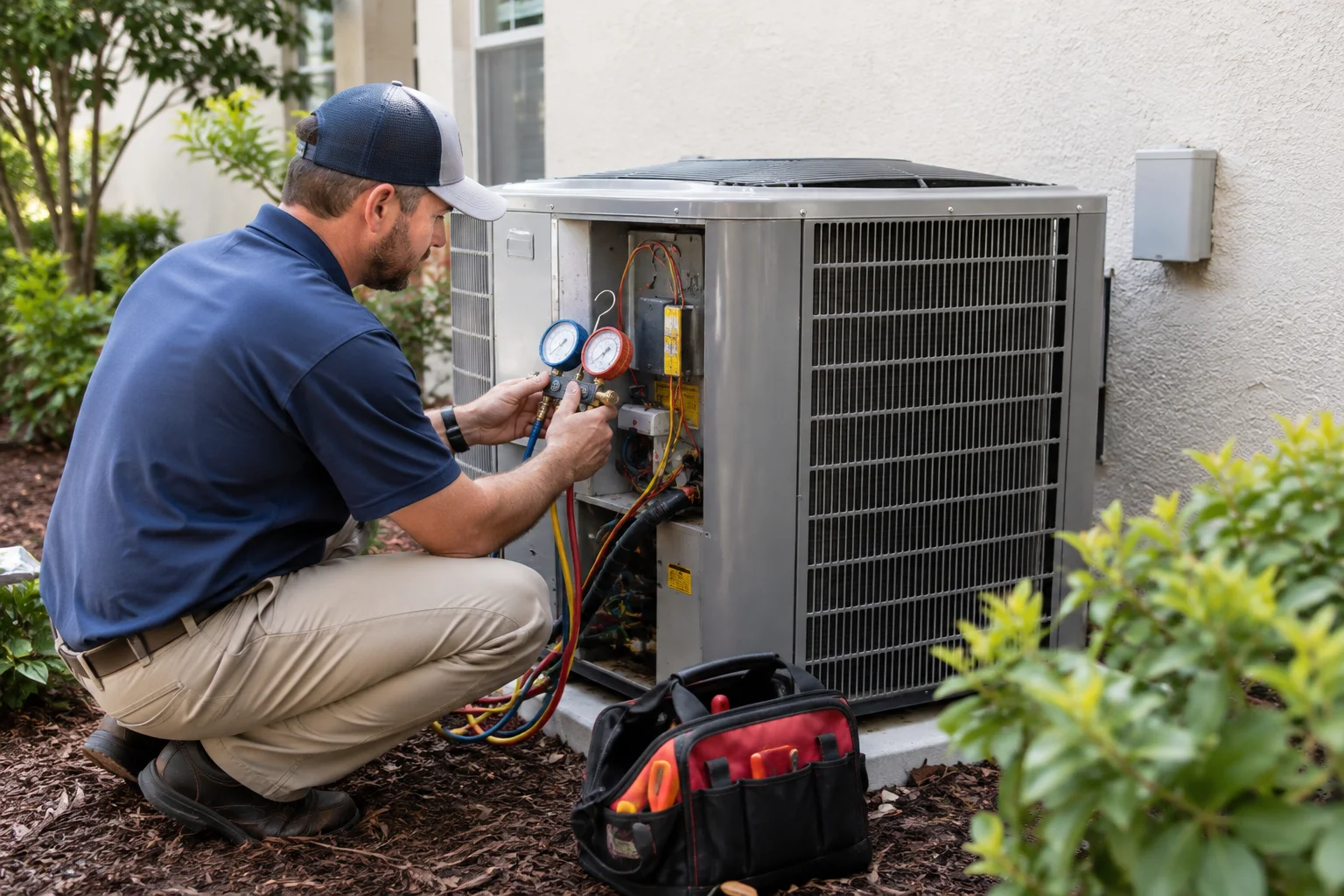
- Refrigerant systems and how the system is performing under real conditions. Refrigerant diagnosis should be performed in person by a qualified technician based on measured data.
- Condensate drainage, since clogged drain lines or poor drainage can contribute to moisture where it should not be.
- Thermostats and settings that affect cycling. Examples include continuous fan settings, temperature setpoints that do not match comfort needs, and control behavior that impacts humidity removal.
These are not “guess and replace” areas. They require real inspection and safe, accurate measurement.
Common indoor air quality issues homeowners notice in Walton County
Grayton Beach and the surrounding Walton County area present a mix of coastal conditions and residential building styles. That can lead to predictable indoor air quality complaints.
Stale air and uneven comfort
Some rooms feel stuffy while others feel fine. That often points to airflow imbalance, ductwork leaks, undersized or blocked returns, or system performance limitations that affect distribution.
Humidity that never seems to drop
In the Florida summer, humidity control is a core job of air conditioning. If the system is short cycling, not removing moisture as expected, or unable to circulate and dehumidify effectively, indoor humidity stays high. That can also increase the likelihood of condensate drainage problems.
Allergy symptoms that track with HVAC operation
Allergies can worsen when filtration is not adequate, when air distribution spreads particulates, or when the system pulls in outdoor air due to leaks. Indoor air quality testing can help confirm whether the HVAC system is part of the problem.
Musty odors or recurring dampness
Musty smells are often linked to moisture. In HVAC terms, that can mean condensate drainage issues, areas of the home where moisture collects, or poor airflow that prevents drying.
How testing leads to better HVAC decisions
Testing is most valuable when it informs practical actions. A Superior Mechanical can connect indoor air quality results to HVAC-related next steps such as:
- Humidity control improvements through system tuning, airflow adjustments, and control changes that support dehumidification.
- Ductwork evaluation when leaks, poor sealing, or airflow restrictions are likely contributing to uneven comfort and indoor air concerns.
- Filter and airflow matching so the system can move air through the correct filtration without starving airflow.
- Condensate drainage checks to ensure moisture is handled correctly and does not contribute to indoor humidity problems.
- Preventive HVAC maintenance that reduces the chance of mid-season breakdowns and keeps energy use more predictable.
If your home is due for air conditioning service, a quality indoor air quality assessment can help your technician focus on what matters most. It also helps homeowners avoid unnecessary changes that do not address the actual cause of symptoms.
Indoor air quality testing and energy use: what homeowners should expect
When HVAC systems do not control humidity and distribute air properly, the system may run longer to achieve temperature targets. That can increase energy use and lead to faster wear on components. Testing can provide clarity on whether performance issues are tied to airflow, thermostat operation, or moisture handling.
It is also worth noting that comfort problems can be mistaken for “the thermostat is wrong” when the real issue is airflow or duct leakage. If you are considering AC repair near me or an air conditioning repair near me appointment, indoor air quality testing can be a smart way to define the problem more accurately.
Heat pump homes and indoor air quality
Many coastal Florida homes use heat pumps or ducted systems that may include heat pump operation for shoulder seasons. Indoor air quality concerns still apply because comfort depends on humidity control, airflow, and proper condensate drainage during cooling.
Homeowners with heat pumps should pay attention to:
- Whether the system is maintaining comfortable humidity levels during the hottest hours
- How the thermostat controls fan speed and cycling
- Whether condensate drainage is functioning smoothly
- Whether airflow feels weak in certain rooms
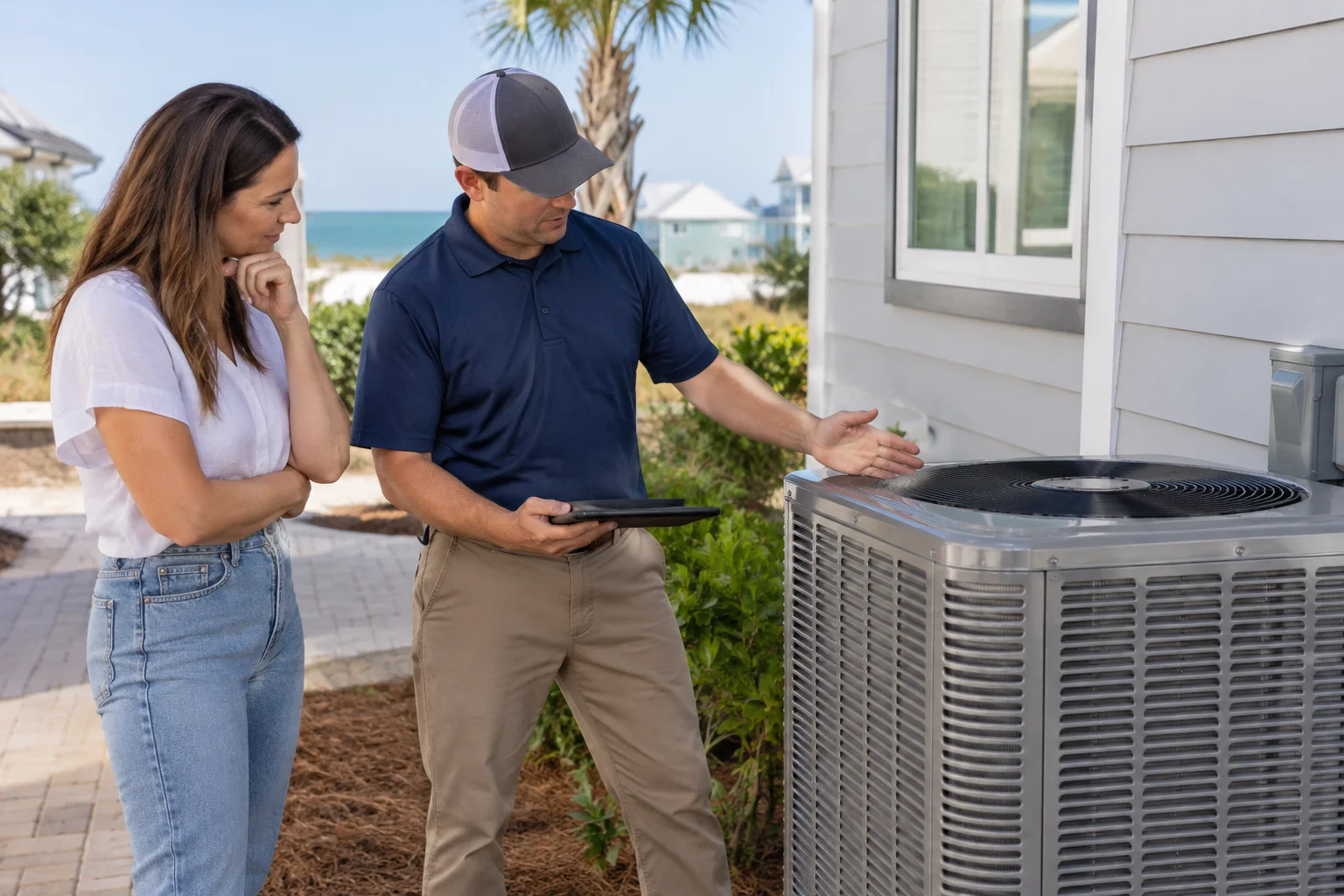
Any evaluation of refrigerant systems or refrigerant-related performance should be handled by a technician after an in-person inspection. Indoor air quality testing does not replace the need for safe HVAC diagnostics.
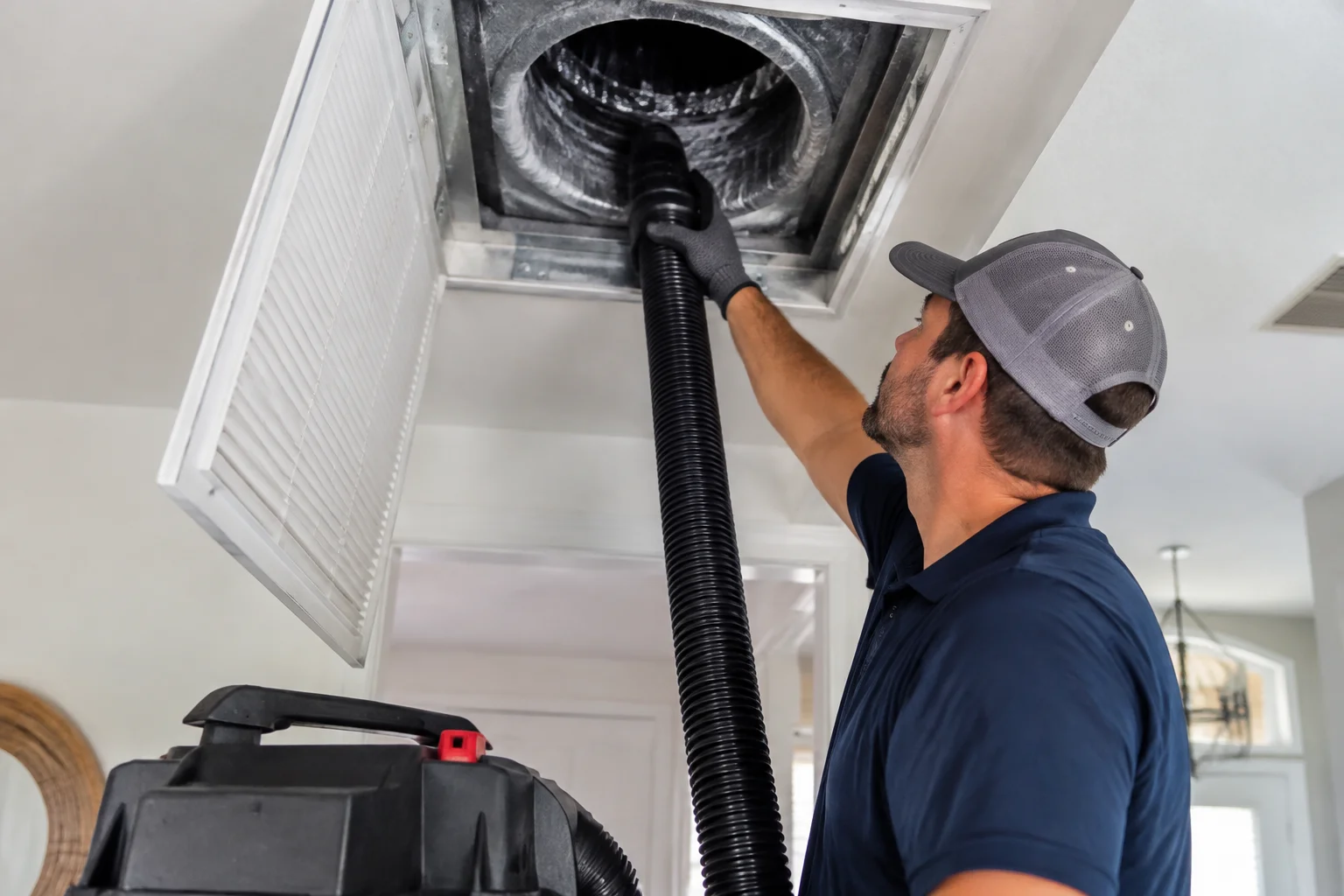
Ductwork, airflow, and why they show up in air quality results
Ductwork is the delivery system for conditioned air. When ducts are dirty, poorly sealed, or damaged, the home can experience:
- Uneven temperatures
- Higher humidity in parts of the home
- More airborne particulates circulating
- Reduced system efficiency and increased runtime
If you suspect ductwork issues, you may want an air conditioning inspection along with indoor air quality testing. Duct repair is often a key part of improving both comfort and indoor air quality, especially in homes where renovations or additions changed airflow patterns.
Thermostats and everyday habits that affect indoor air quality
Testing can reveal that indoor air problems are partly driven by how the system is being used. Common examples include:
- Continuous fan settings that keep air moving but may not support proper dehumidification cycles.
- Setpoints that create short cycling, limiting the system’s ability to remove moisture.
- Ventilation misunderstandings, such as relying on open windows during humid coastal conditions.
These are not one-size-fits-all changes. The right thermostat settings depend on your equipment, your ductwork, and your home’s layout. A professional can help you adjust settings based on real measurements.
Preventive HVAC maintenance that supports cleaner indoor air
Indoor air quality testing can help you address current issues, but preventive HVAC maintenance helps keep them from returning. In Grayton Beach, that is especially important because humidity, salt air exposure, and summer runtime can accelerate wear.
Preventive steps homeowners can plan around include:
- Seasonal system inspections and performance checks
- Filter review and ensuring filtration matches airflow needs
- Condensate drainage inspection to reduce moisture-related concerns
- Ductwork assessment when airflow seems weak or uneven
- System cleaning and component checks as recommended during maintenance
If you manage multiple properties or maintain a rental, consider property management HVAC services that support consistent comfort and indoor air quality across homes.
When indoor air quality testing is worth scheduling
Homeowners often wonder whether testing is “necessary.” It is most worth scheduling when you have ongoing symptoms or comfort issues that keep coming back, especially during peak summer humidity.
Consider testing if you notice:
- Humidity that feels high even when the home is set to a comfortable temperature
- Musty odors, damp spots, or recurring condensation
- Allergy symptoms that increase when the HVAC runs
- Visible dust buildup that seems to spread quickly after cleaning
- Rooms that never feel right due to airflow imbalance
It is also a smart step after major home changes such as renovations, ductwork modifications, or changes to insulation and air sealing. Those updates can shift airflow and moisture patterns.
Emergency cooling concerns: don’t wait if comfort turns into a safety issue
Grayton Beach summers can be intense. If you experience a sudden loss of cooling, a system that is running but not cooling, or signs of a serious performance problem, treat it as an emergency cooling concern. Indoor air quality testing is not a substitute for urgent AC repair when the home is not maintaining safe temperatures.
When cooling fails, prioritize getting the HVAC system operating again. After the immediate comfort need is addressed, indoor air quality testing can help identify whether unresolved humidity, airflow, or moisture problems are still contributing to indoor air concerns.
How to choose a local HVAC contractor for indoor air quality testing
Homeowners searching for an HVAC contractor near me should look for a team that treats indoor air quality as part of the whole HVAC system, not a standalone test. A good partner will:
- Explain what will be measured and why it matters for your home
- Connect results to HVAC factors such as humidity control, ductwork, condensate drainage, and thermostat operation
- Provide HVAC-focused recommendations you can act on
- Use an in-person evaluation before discussing refrigerant system issues, equipment replacement, or major changes
If you are considering HVAC replacement near me because your system is old or struggling to keep up, testing can still be useful. It can help confirm whether performance issues are tied to airflow, moisture handling, or system operation. Any decision about replacement should follow a full assessment and safe diagnostic work.
Related reading for Grayton Beach and nearby areas
If you want more local context on how indoor air quality testing helps coastal homes stay comfortable, these posts may be useful:
- Indoor Air Quality Testing That Helps Inlet Beach Homes Stay Comfortable Longer
- Why Seaside Homes Benefit From Indoor Air Quality Testing Before Comfort Issues Spread
- Why Better Indoor Air Quality Testing Matters for Upper Grand Lagoon Homes
- What Miramar Beach Homeowners Often Miss About Indoor Air Quality Testing
You can also explore more services for your area on the Grayton Beach service page and see how A Superior Mechanical supports indoor air quality services across Walton County at /service-areas/walton-county.
Get started with indoor air quality testing in Grayton Beach
Indoor air quality testing is a practical step for homeowners who want their HVAC system to do its full job: cool effectively, control humidity, move clean air through ductwork, and handle condensate drainage properly. In Grayton Beach, that can mean fewer comfort complaints, better moisture control, and a clearer plan for AC repair, air conditioning service, and preventive HVAC maintenance.
If you are dealing with humidity, airflow concerns, or recurring indoor air symptoms, schedule an indoor air quality evaluation with A Superior Mechanical. You can also review air conditioning systems and related HVAC support to understand how your equipment and ductwork work together.
For homeowners considering ductless comfort, pair indoor air quality goals with an HVAC plan. If you are searching for ductless mini split installation near me, ask how the system will affect humidity control and air distribution in your specific home layout.
Find Indoor Air Quality Testing in Grayton Beach, FL
If you need Indoor Air Quality Testing in Grayton Beach, FL, visit our local service page or contact A Superior Mechanical today.
Map of Grayton Beach, FL
Frequently Asked Questions
How do I know indoor air quality testing will help my Grayton Beach home?
If you have persistent humidity, musty odors, allergy flare-ups, uneven comfort, or visible dust buildup that returns quickly, testing can help identify whether HVAC airflow, moisture handling, filtration, or ductwork are contributing.
Will indoor air quality testing replace AC repair or HVAC diagnostics?
No. Testing can clarify indoor air concerns, but it does not replace in-person HVAC diagnostics. If your system is not cooling properly or you have emergency cooling concerns, prioritize HVAC repair first, then address indoor air quality factors.
What role does humidity control play in indoor air quality?
In Florida heat and humidity, humidity control is central. When an AC system removes moisture effectively, indoor air often feels more comfortable and the risk of moisture-related issues can decrease. Testing helps confirm whether humidity levels match what the HVAC system is actually achieving.
Can ductwork problems affect indoor air quality even if the temperature feels right?
Yes. Duct leaks, restrictions, and poor airflow can spread particulates, create uneven humidity, and reduce how well filtration and air distribution work. That is why indoor air quality testing often connects to ductwork and airflow evaluation.
How often should homeowners schedule indoor air quality testing?
There is no single schedule for every home. Many homeowners test when symptoms persist, after renovations, or when comfort and humidity issues start. A Superior Mechanical can recommend timing based on your HVAC system, ductwork, and observed indoor conditions.
Related Articles
- Indoor Air Quality Testing That Helps Inlet Beach Homes Stay Comfortable Longer
- Why Seaside Homes Benefit From Indoor Air Quality Testing Before Comfort Issues Spread
- Why Better Indoor Air Quality Testing Matters for Upper Grand Lagoon Homes
- What Miramar Beach Homeowners Often Miss About Indoor Air Quality Testing
Photo Gallery