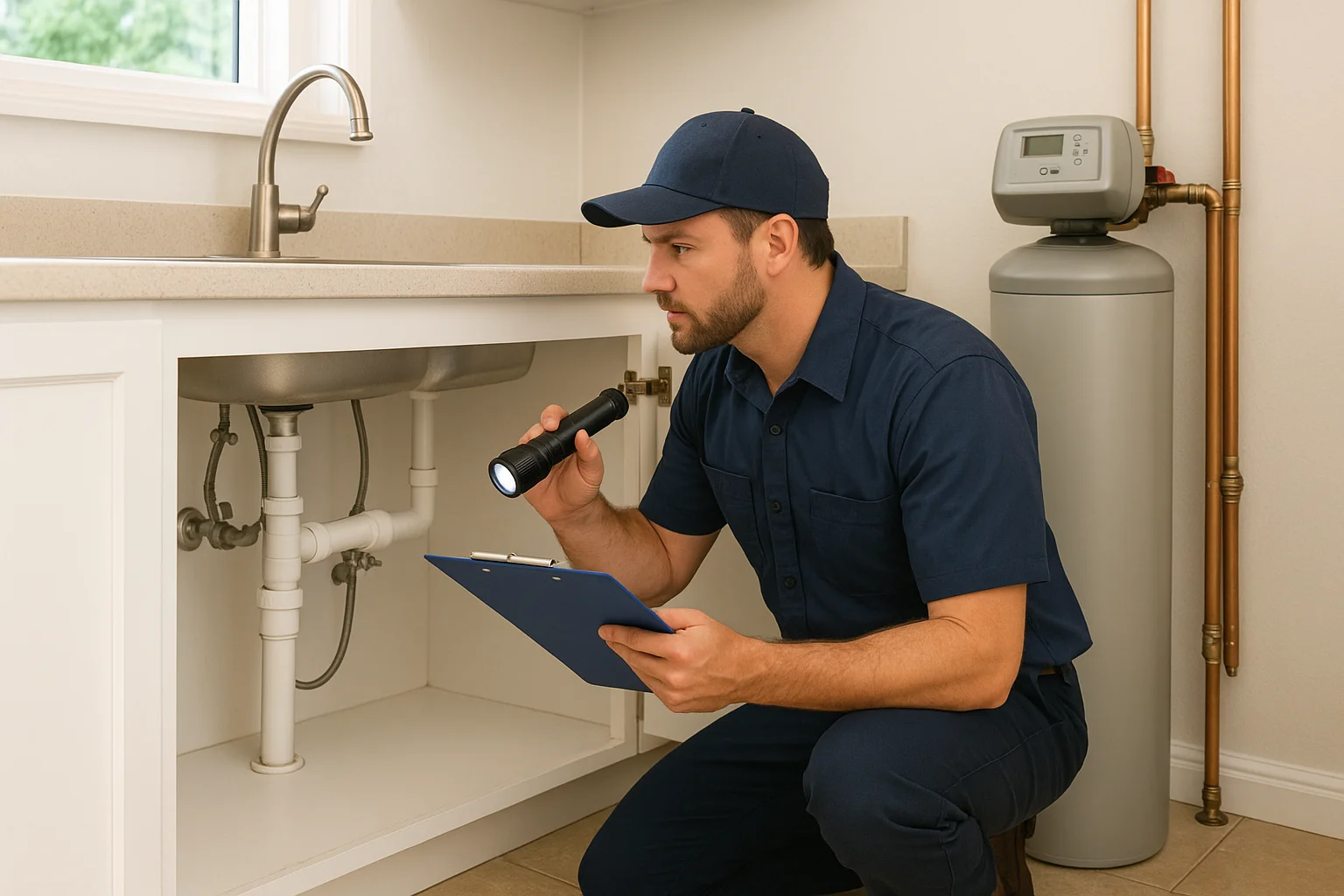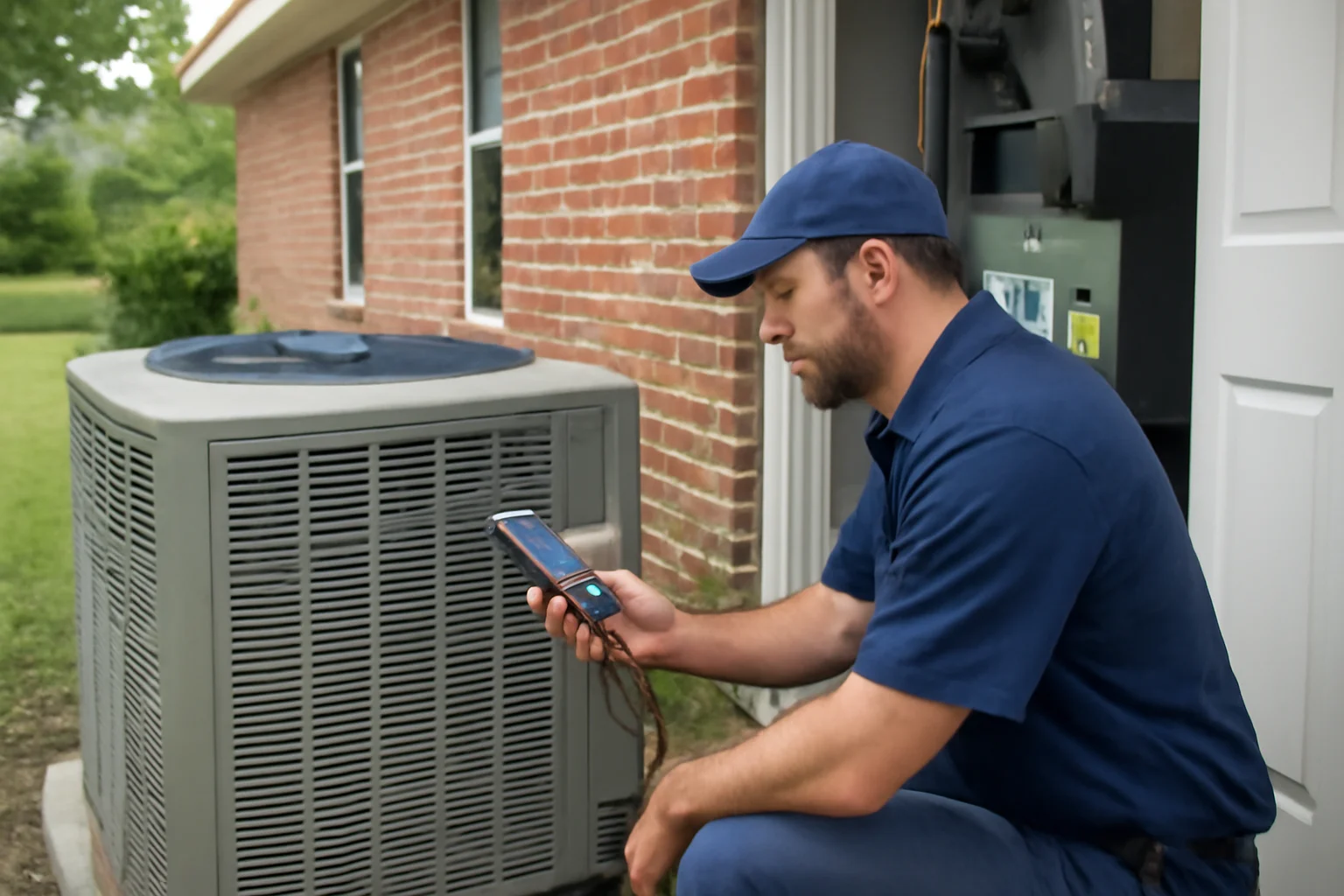
Lynn Haven homes feel the difference when the air is right. When humidity is controlled, airflow is steady, and filtration is doing its job, your AC and heat pump system tends to run smoother. When those pieces fall out of balance, it can show up as odors, persistent hot or cold rooms, allergy flare-ups, or even an unexpected cooling failure on a humid Florida day.
That is why indoor air quality testing matters locally. A Superior Mechanical provides professional indoor air quality testing in Lynn Haven, FL with an HVAC-first approach, helping homeowners understand what is happening in their ducts, return air, condensate drainage path, and overall comfort conditions. If you are searching for indoor air quality testing because you want fewer HVAC emergencies, this guide explains what testing reveals and how it connects to AC repair, air conditioning service, and preventive HVAC maintenance.
Why Lynn Haven indoor air quality issues can turn into HVAC emergencies
Lynn Haven sits in Bay County, and the local climate is hard on HVAC systems. Hot, humid Florida air increases the workload on cooling and dehumidification. Add salt air exposure and coastal moisture, and you can see faster wear on components and faster buildup in places you cannot easily inspect, like ductwork and return pathways.
Indoor air quality problems often share root causes with HVAC performance problems. For example:
- High humidity can lead to condensation where it should not be, including around evaporator coils and in areas tied to ductwork and condensate drainage.
- Weak airflow can cause the system to run longer, struggle to remove moisture, and create comfort complaints that lead to repeat calls for AC repair.
- Filtration gaps can allow dust and particulates to circulate, which can reduce system efficiency and worsen odors.
- Ventilation imbalance can pull in stale air or push out conditioned air, making thermostats seem “off” even when the thermostat itself is functioning.
When those issues combine, homeowners may experience emergency cooling concerns, especially during peak summer conditions when the system is already working near its limits. Indoor air quality testing is a way to identify the hidden drivers before they escalate into a breakdown.
What indoor air quality testing actually evaluates in local homes
Professional testing is not just about taking a single reading. In a Lynn Haven home, an HVAC-focused indoor air quality evaluation typically looks at comfort and air movement patterns across the system, then connects them to likely causes.
Common areas of focus include:
1) Humidity and moisture behavior
Florida humidity can overwhelm a system that is not dehumidifying well. Testing helps confirm whether indoor moisture levels are staying in a healthy range and whether the AC or heat pump is managing condensate effectively. Moisture that lingers can increase musty odors, encourage microbial growth, and contribute to poor comfort that makes homeowners call for air conditioner service near me during the hottest stretches.
2) Airflow and pressure balance
Airflow is the bridge between equipment performance and what you feel in each room. Testing can reveal whether supply air is reaching where it should and whether returns are pulling air back efficiently. If airflow is restricted by ductwork issues, blocked returns, or inadequate system balance, the system can run longer, use more energy, and struggle to maintain stable temperatures on the thermostat.
If you are considering ductwork work, it helps to start with data. You can also explore duct inspection for a closer look at where airflow may be compromised.
3) Filtration and particulate control
Indoor air quality is affected by what your system filters and where air bypasses occur. Testing can help identify whether filtration and airflow pathways are aligned, which matters for dust, allergens, and general air cleanliness.
Some homeowners ask about whole home solutions like a whole home air purifier near me or an air scrubber installation. Testing helps determine whether those upgrades are appropriate for your specific comfort and contamination concerns, rather than guessing.
4) Odors, contaminants, and ventilation concerns
Odors can come from many sources, including dampness, cooking, pet dander, or dust trapped in HVAC components. An indoor air quality testing visit helps separate “what you smell” from “where the air system is contributing.” That can reduce unnecessary parts swapping and support more targeted HVAC service planning.
5) Condensate drainage and moisture pathways
During cooling, condensate drainage is part of the system’s moisture control. If condensate drainage is slow, blocked, or not draining correctly, humidity can stay higher than it should and microbial growth risks increase. Testing and a professional inspection can help connect comfort symptoms to the condensate path without jumping to conclusions.
How air quality problems affect HVAC performance and energy use
Indoor air quality and HVAC performance are linked. When airflow is off, filtration is mismatched, or humidity control is inadequate, the system has to work harder. That can show up as higher energy use, reduced comfort, and more frequent service needs.
Here is what homeowners often notice in Lynn Haven when indoor air quality is being compromised:
- Hot and cold rooms that do not match thermostat settings
- Long run times where the AC seems to run continuously without improving comfort
- Musty or stale smells that appear more often after rain or during high humidity
- Allergy flare-ups that coincide with increased dust or seasonal humidity changes
- More frequent cycling that can feel like the system is “struggling”
Testing helps you understand whether the root issue is airflow, filtration, humidity behavior, or ventilation balance. That matters for planning AC repair, AC tune up near me services, and preventive HVAC maintenance.
Common local causes behind indoor air quality complaints
Every home is different, but Lynn Haven homeowners often experience similar patterns because of the region’s climate and common housing characteristics.
Coastal humidity and salt air exposure
Salt air and moisture can contribute to corrosion and faster aging of HVAC components. Over time, that can affect performance, airflow consistency, and how effectively the system manages moisture. Indoor air quality testing can help confirm whether comfort problems are tied to HVAC operation, not just outdoor conditions.
Leaky or aging ductwork
Ductwork can develop leaks, poorly sealed joints, or areas that collect dust and moisture. Even when a system is sized correctly, ductwork problems can reduce airflow and worsen air quality. If you suspect duct issues, consider pairing indoor air quality testing with duct replacement discussions if the condition warrants it.
Thermostat settings that do not match the comfort problem
Homeowners sometimes adjust thermostats repeatedly when the actual issue is airflow or humidity control. A thermostat can be set correctly, yet the home still feels uncomfortable if the system cannot move air the way it should. Testing can help clarify whether the problem is truly thermostat related or tied to system performance and ventilation balance.
Condensate drainage issues
When condensate drainage is not working as intended, moisture can remain in areas connected to the HVAC system. That can lead to persistent humidity and odor concerns, which then increase the chance of emergency cooling concerns during the peak season.
When homeowners should schedule indoor air quality testing
Indoor air quality testing is especially valuable when you see comfort patterns that keep returning. Consider scheduling a professional evaluation if you notice:
- Humidity feels high even when the AC is running
- Odors persist or return after the system has been off for a while
- Allergy symptoms spike indoors
- Some rooms feel stuffy while others feel overly cold or dry
- You frequently need air conditioning repair and the comfort problem keeps coming back
Testing is also useful when you are planning larger changes, such as HVAC replacement near me conversations. Understanding airflow and humidity behavior before equipment decisions can help ensure the system replacement supports the indoor air quality goal, not just temperature control.
How testing supports preventive HVAC maintenance and fewer breakdowns
Preventive HVAC maintenance is not only about replacing filters or checking system components. It is about making sure the whole system delivers the air quality and comfort your home needs.
Indoor air quality testing can make maintenance more useful because it identifies what to focus on. For example, if testing shows airflow imbalance or humidity behavior that does not match expectations, maintenance can be tailored toward ductwork performance, condensate drainage verification, filtration strategy, and airflow corrections.
If you want to connect testing to ductwork care, these resources may help:
- Why Better HVAC Maintenance Makes Duct Inspection More Useful for Lynn Haven Homes
- Getting Better Long Term Results from Indoor Air Quality Testing in Lynn Haven Homes
Also, if you are dealing with older ductwork or suspect airflow restrictions, consider duct repair near me options as part of a broader indoor air quality plan.
What to ask during an indoor air quality testing appointment
If you are comparing an HVAC company near me options, it helps to know what questions lead to useful answers. You can ask:
- How will you evaluate humidity and airflow behavior across the home?
- What do you look for in ductwork and return air pathways?
- How do you assess condensate drainage and moisture control?
- How do you connect indoor air quality findings to system performance and energy use?
- What practical steps would you recommend based on the results?
A professional HVAC service approach should stay grounded in what is observed during the visit. It should not jump to refrigerant diagnosis, electrical diagnosis, or equipment replacement without an in-person evaluation of conditions, airflow, and system operation.
How testing relates to AC repair, heat pump service, and system replacement
Indoor air quality testing does not replace the need for heating and cooling repairs. Instead, it helps homeowners understand why a system may be underperforming and why comfort issues persist.
AC repair and air conditioning service
If you are searching AC repair near me because the system is not keeping humidity under control or rooms feel uncomfortable, testing can help clarify whether the issue is airflow, filtration, or moisture pathways tied to the HVAC system. That can also reduce the chance of repeated service visits for the same symptom without addressing the underlying comfort drivers.
Heat pump service in humid Florida conditions
Heat pumps still need effective airflow and humidity control. In Lynn Haven, where summer humidity is intense, a heat pump that is not performing well can create indoor air quality issues that feel like “the air is not right.” A local HVAC professional can evaluate system operation and comfort behavior so you can plan appropriate heat pump service rather than guessing.
When HVAC replacement near me conversations come up
Sometimes, homeowners consider system replacement after repeated comfort problems or aging equipment. Testing can support better planning by showing whether ductwork performance, airflow balance, and humidity behavior are contributing factors that should be addressed alongside any new system. For certain multi-zone setups, you may also want to review VRF Multi-Zone Systems options, depending on your home layout and comfort goals.
Protecting your home from emergency cooling concerns
Emergency cooling concerns often happen when multiple issues compound. High humidity increases the system’s load, restricted airflow can make the system run longer, and moisture pathways tied to condensate drainage can create conditions that make comfort worse. When the system is pushed harder than it should be, the chance of an unexpected failure increases during peak summer demand.
Indoor air quality testing is a preventive step because it helps identify the patterns that lead to breakdowns: airflow restrictions, humidity control problems, and moisture contributions that can strain refrigerant systems and overall HVAC operation. While testing cannot guarantee that an emergency never happens, it can help homeowners address the comfort and performance factors that commonly drive urgent service calls.
If you want additional guidance on emergency planning, read What Lynn Haven Homeowners Should Know About 24/7 Emergency HVAC Service.
Why working with a local licensed HVAC contractor matters
Indoor air quality is influenced by how your home is built, how ducts are routed, and how the system is set up to handle Lynn Haven’s humidity and airflow demands. A licensed HVAC contractor who understands Bay County homes can take a more practical approach than a one-size-fits-all checklist.
A Superior Mechanical focuses on HVAC performance and indoor air quality together, so homeowners are not left guessing. That matters whether you need indoor air quality testing, HVAC maintenance, ductwork attention, or air conditioning service for comfort issues tied to humidity and airflow.
If you are ready to evaluate your home’s indoor air quality, you can review indoor air quality testing for Lynn Haven. You can also explore the full Lynn Haven service area to see additional HVAC options across Bay County. For broader coverage, visit the Bay County HVAC service area.
Local next steps you can take before testing
While professional testing should be done by an HVAC team, you can prepare in ways that help the appointment go smoothly:
- Note when humidity or odors feel worst, such as after rain or during certain times of day.
- Track which rooms feel most uncomfortable and whether those rooms share similar duct runs or return locations.
- Check air filter type and whether it has been replaced on schedule.
- Write down any recent thermostat changes or recent AC repair history.
These details help your technician connect indoor air quality symptoms to HVAC operation, airflow, and moisture behavior.
Related topics Lynn Haven homeowners often pair with indoor air quality testing
Some homeowners start with indoor air quality testing and then realize ductwork or filtration strategy needs attention. If you are exploring upgrades, these service pages may align with your goals:
A quick read on what testing can mean for your next HVAC decision
If you have been battling humidity, odors, allergens, or uneven temperatures, indoor air quality testing gives you a clearer picture of how the HVAC system is performing in your specific Lynn Haven home. That clarity can support better maintenance choices, more targeted ductwork planning, and more confident HVAC service decisions when you need air conditioning service or heat pump service.
For homeowners searching for licensed HVAC contractor near me, the goal is simple: identify the real comfort drivers so your system is not constantly reacting to problems it could have prevented.
Find Indoor Air Quality Testing in Lynn Haven, FL
If you need Indoor Air Quality Testing in Lynn Haven, FL, visit our local service page or contact A Superior Mechanical today.
Map of Lynn Haven, FL
Frequently Asked Questions
How does indoor air quality testing help with humidity problems in Lynn Haven homes?
Indoor air quality testing helps evaluate how humidity behaves indoors and whether HVAC airflow and moisture control are working as intended. In a humid Florida climate, that can point to airflow issues, filtration problems, or moisture pathways tied to the system, including condensate drainage.
If my AC is running, why does the air still feel uncomfortable?
Comfort issues can happen even when the system runs because airflow, ventilation balance, and filtration may not be supporting effective dehumidification. Testing can help connect what you feel in different rooms to the HVAC system’s performance, rather than assuming the thermostat is the only problem.
Can indoor air quality testing replace AC repair or refrigerant service?
No. Testing supports HVAC decisions, but it does not replace proper diagnosis and repair when equipment needs service. A technician should evaluate system operation in person before recommending any refrigerant-related work or any equipment replacement.
What should I expect after indoor air quality testing at my home?
You should receive practical findings connected to HVAC performance, including comfort factors like humidity, airflow, filtration, and moisture behavior. Recommendations may include preventive HVAC maintenance, ductwork attention, or indoor air quality upgrades that fit your specific situation.
Related Articles
Photo Gallery