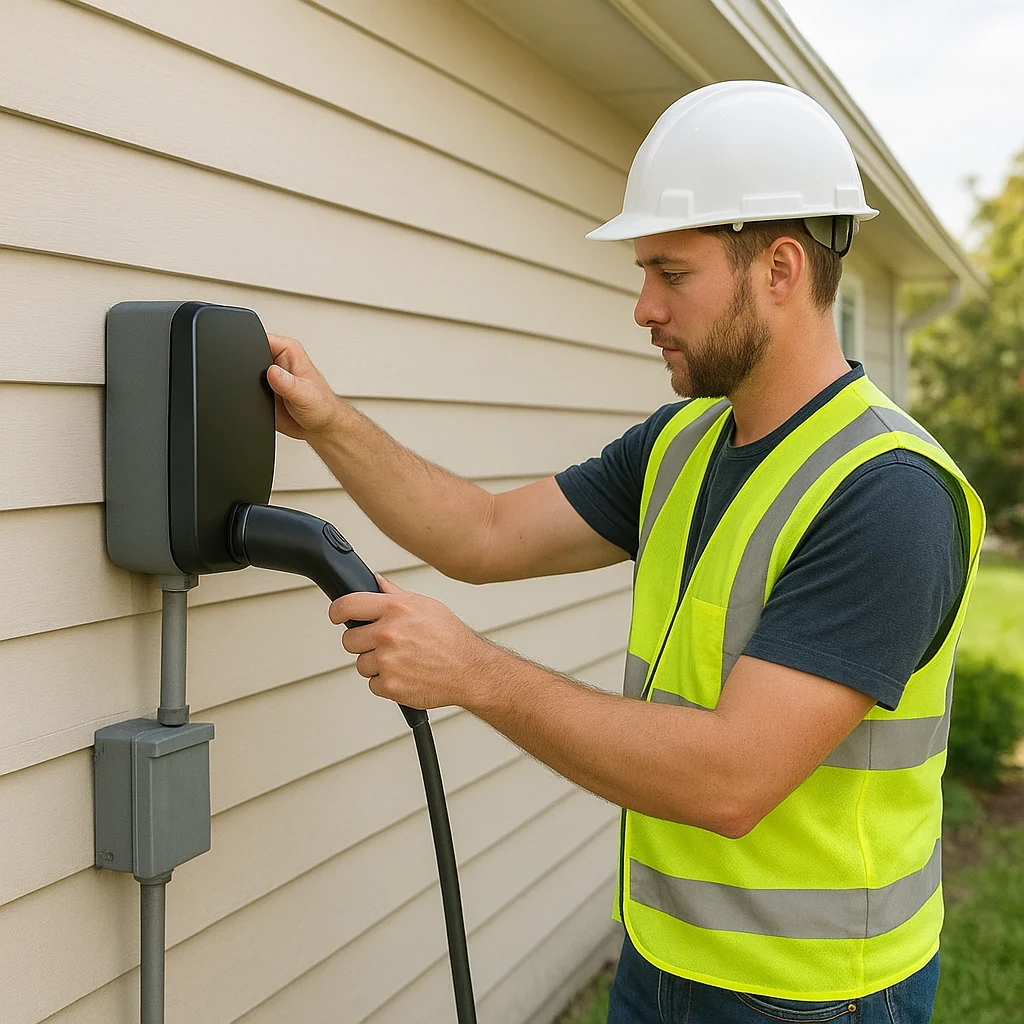
More Hammock Bay homeowners are adding electric vehicles to their driveways, garages, and carports. That shift is good news for convenience, but it also puts new pressure on a home’s electrical system. EV charger installation is not just about mounting a unit on the wall. It is about making sure the panel, breaker, wiring, grounding, and outlet or hardwired connection can handle the load safely day after day.
In a coastal community like Hammock Bay, FL, local conditions matter. Salt air, humidity, storms, and power fluctuations can all affect electrical equipment over time. Homes in Walton County range from newer builds with modern panels to older properties, remodels, and additions that may have mixed wiring or limited spare capacity. That is why homeowners looking for EV charger installation in Hammock Bay, FL should think beyond the charger itself and look at the whole electrical system.
A Superior Mechanical helps homeowners avoid emergency calls by planning EV charging the right way from the start. A careful installation can reduce nuisance breaker trips, overheated connections, outlet damage, and the kind of hidden issues that often show up later as electrical repair near me searches.
Why local homes need a closer look before charging starts
EV chargers draw a steady, high electrical load for long periods. That is very different from a lamp, television, or small appliance. If the home’s panel is already near capacity, or if older wiring has been patched and expanded over time, adding an EV charger can expose weak points fast.
In Hammock Bay, some homes were built with room for future upgrades, while others may have had additions, outdoor living spaces, or garage improvements that changed the original electrical layout. A charger may need a dedicated circuit, a larger breaker panel, upgraded grounding, or GFCI protection depending on the setup and local code requirements. That is why an electrical inspection is so important before installation begins.
Homeowners who have already searched for electrical services in Hammock Bay often discover that the real issue is not the charger. It is the panel, the branch circuit, or a worn connection somewhere else in the home.
The electrical problems that can appear after a rushed install
When EV charger installation is handled without enough planning, the problems are usually easy to spot once the system is under load. Breakers may trip during charging. Outlets may feel warm. Lights may dim when the charger starts up. In some homes, a charger can reveal loose neutrals, undersized conductors, or aging breaker components that were already close to failure.
These issues are more than inconvenient. They can create real safety concerns, especially in homes with older panels, mixed wiring, or moisture exposure from coastal weather. If a breaker keeps tripping, it may be protecting the circuit from overload. If an outlet shows signs of discoloration, that can point to heat buildup or a loose connection. If a home has frequent surges after storms, surge protection may be needed before an EV charger is added.
For homeowners comparing EV charger options with other upgrades like circuit breaker panels and rewiring, the safest path is often to treat the charger as part of a larger electrical plan, not a standalone project.
What a safer installation usually includes
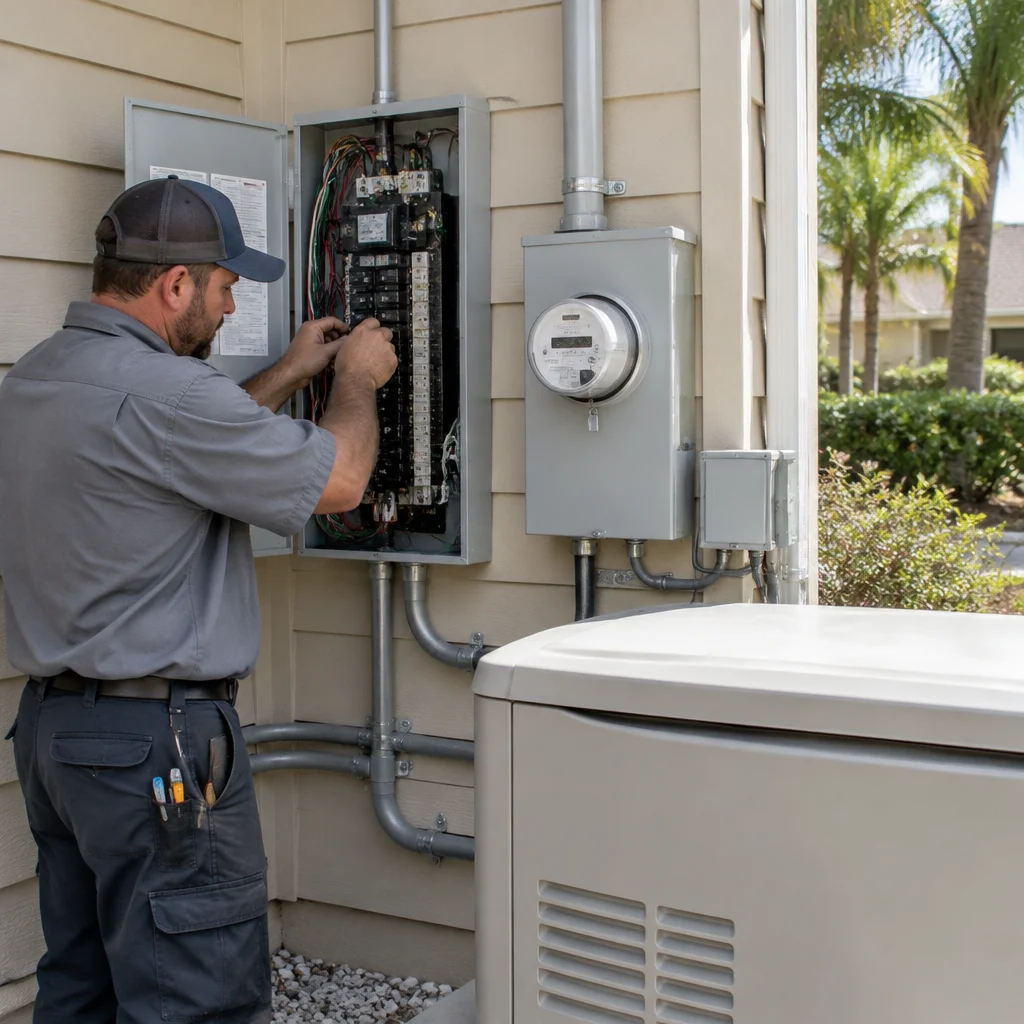
A reliable EV charger setup starts with a panel check. The electrician should confirm whether the existing service has enough capacity for the charger and the rest of the home’s loads. That includes HVAC, appliances, lighting, ceiling fans, outlets, and any future upgrades the homeowner may be planning.
In many homes, the best solution is a dedicated circuit sized for the charger. Dedicated circuits reduce the chance of overloads and help keep charging performance stable. In other homes, the panel may need breaker upgrades or a full panel replacement before the charger can be added safely. When the installation involves an outdoor location or a garage with moisture exposure, proper GFCI protection and weather-rated components become even more important.
Grounding also matters. A charger depends on a stable, properly grounded system to operate as intended. If the home has grounding concerns, loose bonding, or outdated service equipment, those issues should be corrected before the charger is turned on. That is especially true in older homes or properties that have been remodeled in stages.
Homeowners who are also considering Smart Electrical Planning for Hammock Bay Homes Built for Today and Ready for Tomorrow may find it helpful to think of EV charging as part of the larger electrical future of the home.
How Hammock Bay weather affects charging equipment
Coastal Northwest Florida weather can be hard on electrical systems. Humidity, wind-driven rain, lightning, and salt exposure all take a toll on metal components, exterior outlets, and wiring connections. Even when an EV charger is installed indoors, the feeder path, panel, and nearby electrical devices still need to be protected from weather-related wear.
Storm season also brings power quality issues. Voltage swings and outages can stress sensitive electronics, including charging equipment. Adding surge protection can help reduce the risk of damage to the charger and the rest of the home. In neighborhoods where outages are common after severe weather, some homeowners also ask about generator planning. While a generator will not charge an EV the same way a utility-fed circuit will, whole-home backup and portable generator hookup planning can help protect essential circuits during an outage.
If a homeowner is already researching Hammock Bay electrical services, it often makes sense to ask about surge protection, generator installation, and panel condition at the same time.
Warning signs that the home needs electrical attention first
Before installing an EV charger, it helps to look for signs that the electrical system may need service. Frequent breaker trips are one of the most common clues. So are buzzing panels, flickering lights, outlets that feel loose, or switches that work inconsistently. A warm breaker cover, scorch marks, or a breaker that will not reset properly should be treated as a priority.
Some homes also have older wiring that should be evaluated before a new high-demand appliance is added. In older properties, homeowners may uncover outdated circuits, undersized conductors, or even knob and tube wiring replacement needs during an inspection. In newer homes, the issue may be a panel that was sized for a smaller load profile and has not been updated for EV charging, hot tub wiring, or future additions.
If a homeowner has already been searching for A Homeowner’s Guide to EV Charger Installation in Camp Creek, FL: Panels, Wiring, and Safer Power Planning, the same basic principle applies in Hammock Bay: check the system first, then add the charger.
Why code compliance is part of emergency prevention
Electrical code exists for a reason. It helps reduce fire risk, shock risk, and equipment failure. For EV charger installation, code compliance may involve the right breaker size, proper conductor sizing, approved equipment locations, clear working space at the panel, and the correct type of disconnect or protection device depending on the charger and setup.
Homeowners sometimes assume a charger can be connected to an existing outlet and called good. That approach can create problems if the outlet was not intended for continuous high load. A range outlet installation near me search or a bathroom lighting installation near me search may point to a different project, but EV charging deserves its own dedicated plan. If the home needs outlet repair, light switch installation, dimmer switch installation, or wiring repair, those items should be addressed before the charger is added to the load.
An electrical code inspection near me search is often a smart next step for homeowners who are unsure whether their system is ready. That is especially true in remodels, additions, rental properties, and homes that have had multiple electricians work on them over the years.
Planning the charger around the rest of the house
An EV charger should fit into the home’s overall power demand. That means considering HVAC starting loads, kitchen appliances, laundry equipment, garage tools, ceiling fans, and any outdoor systems tied to the same panel. If the panel is already crowded, a homeowner may need a service upgrade or a more efficient load plan before the charger is installed.
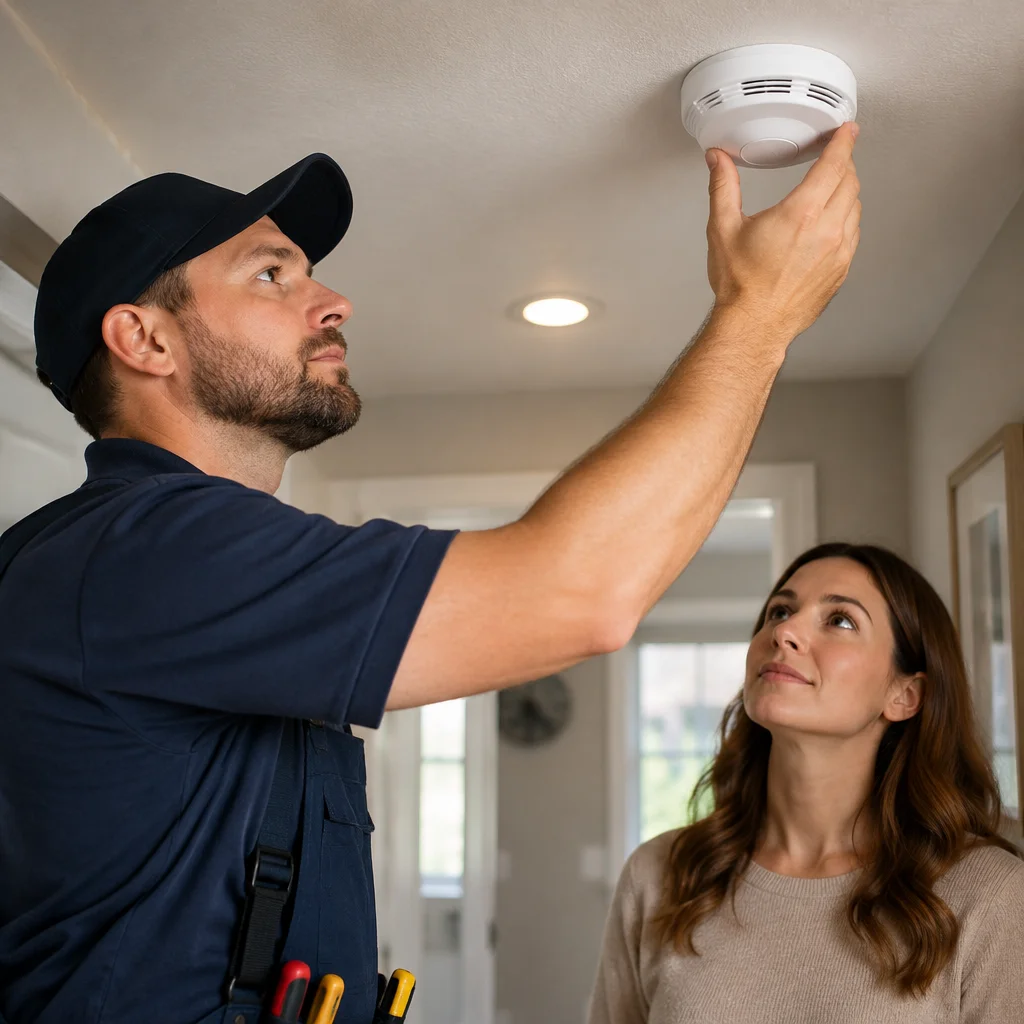
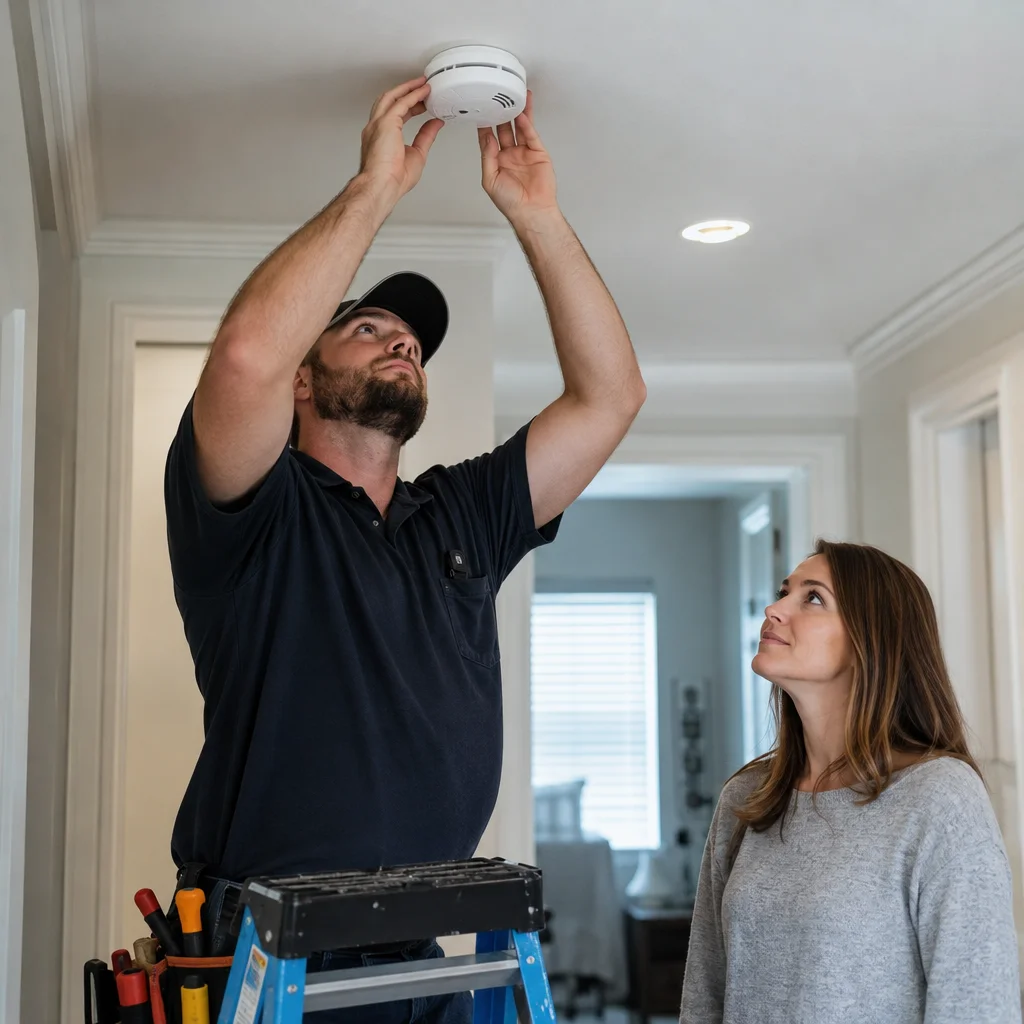
That broader view is also useful for homeowners who are weighing other projects like smart home integration, smoke detector installation, or lighting installation. A well-organized panel and properly labeled circuits make future work easier and safer. They also help an electrician diagnose problems faster when a breaker trips or a device stops working.
For homes with garages or workshops, it is worth asking whether the charger should share space with other high-demand equipment. A dedicated circuit is usually the cleaner solution. It reduces the chance that a tool, freezer, or garage outlet will interfere with charging performance.
When a professional electrician should step in
EV charger installation is not the right job for guesswork. If the panel has no open capacity, if the wiring is outdated, if the home has moisture-related corrosion, or if the charger location requires new conduit and weather protection, a licensed electrician should handle the work. The same is true if a homeowner is dealing with persistent breaker issues, a damaged outlet, or a panel that has never been inspected after a remodel.
Homeowners searching for residential electrician near me or electrician near me often need more than a quick fix. They need someone who can evaluate the full system, identify code corrections, and make sure the charger will not create emergency electrical concerns later.
A Superior Mechanical can help with electrical panel upgrade near me searches, breaker repair, rewiring, surge protection, smoke detector installation, and related electrical maintenance so the charger is installed on a solid foundation. For homeowners in Walton County, that local knowledge matters because home construction styles, weather exposure, and utility demands can vary from one neighborhood to the next.
Keeping the installation reliable after it is complete
Once the charger is installed, a little maintenance goes a long way. Homeowners should keep the area around the charger clear, watch for heat, listen for unusual buzzing, and have the panel checked if breakers start tripping. If storms hit the area or the home experiences a power surge, it is smart to have the system inspected before heavy charging resumes.
It is also helpful to keep an eye on other electrical devices in the home. A charger problem can sometimes be the first clue that the panel needs attention, but the reverse is also true. If lights flicker, outlets stop working, or a ceiling fan changes speed when the charger runs, the system should be reviewed right away.
For homeowners who want to avoid emergency calls, the best strategy is simple: plan the EV charger carefully, protect the panel, verify grounding, use the right dedicated circuit, and work with a local electrician who understands Hammock Bay homes and Walton County weather.
That approach helps keep charging convenient and the rest of the home safe, whether the property is a newer build, a remodel, or an older home that needs a closer look before the next upgrade.
Homeowners who want to compare EV charging with other electrical improvements can also review Why Hammock Bay Homes Are Built to Benefit From Better Whole Home Wiring and Planning Ahead for Cleaner Water and Fewer Plumbing Surprises in Hammock Bay for a broader look at proactive home maintenance.
Find EV Charger Installation in Hammock Bay, FL
If you need EV Charger Installation in Hammock Bay, FL, visit our local service page or contact A Superior Mechanical today.
Map of Hammock Bay, FL
Frequently Asked Questions
Do I need a panel upgrade before EV charger installation in Hammock Bay?
Not always, but many homes do. The answer depends on your available service capacity, the condition of the panel, and whether the charger will be on a dedicated circuit. A load calculation and inspection can show whether the existing setup is enough.
Can an EV charger share a circuit with other outlets or appliances?
In most homes, it should not. EV chargers usually need a dedicated circuit so charging does not overload the wiring or trip breakers when other devices are running.
What electrical problems should I fix before adding an EV charger?
Breaker trips, loose outlets, outdated wiring, panel corrosion, grounding issues, and signs of overheating should all be addressed first. If your home needs outlet repair, breaker repair, or wiring repair, those issues can affect charger safety and performance.
Is surge protection worth adding with an EV charger in coastal Florida?
Yes. Hammock Bay weather can bring storms, lightning, and voltage fluctuations. Whole-home surge protection can help protect the charger, panel, and other sensitive equipment.
Related Articles
- Smart Electrical Planning for Hammock Bay Homes Built for Today and Ready for Tomorrow
- Planning Ahead for Cleaner Water and Fewer Plumbing Surprises in Hammock Bay
- Why Hammock Bay Homes Are Built to Benefit From Better Whole Home Wiring
- A Homeowner’s Guide to EV Charger Installation in Camp Creek, FL: Panels, Wiring, and Safer Power Planning
Photo Gallery