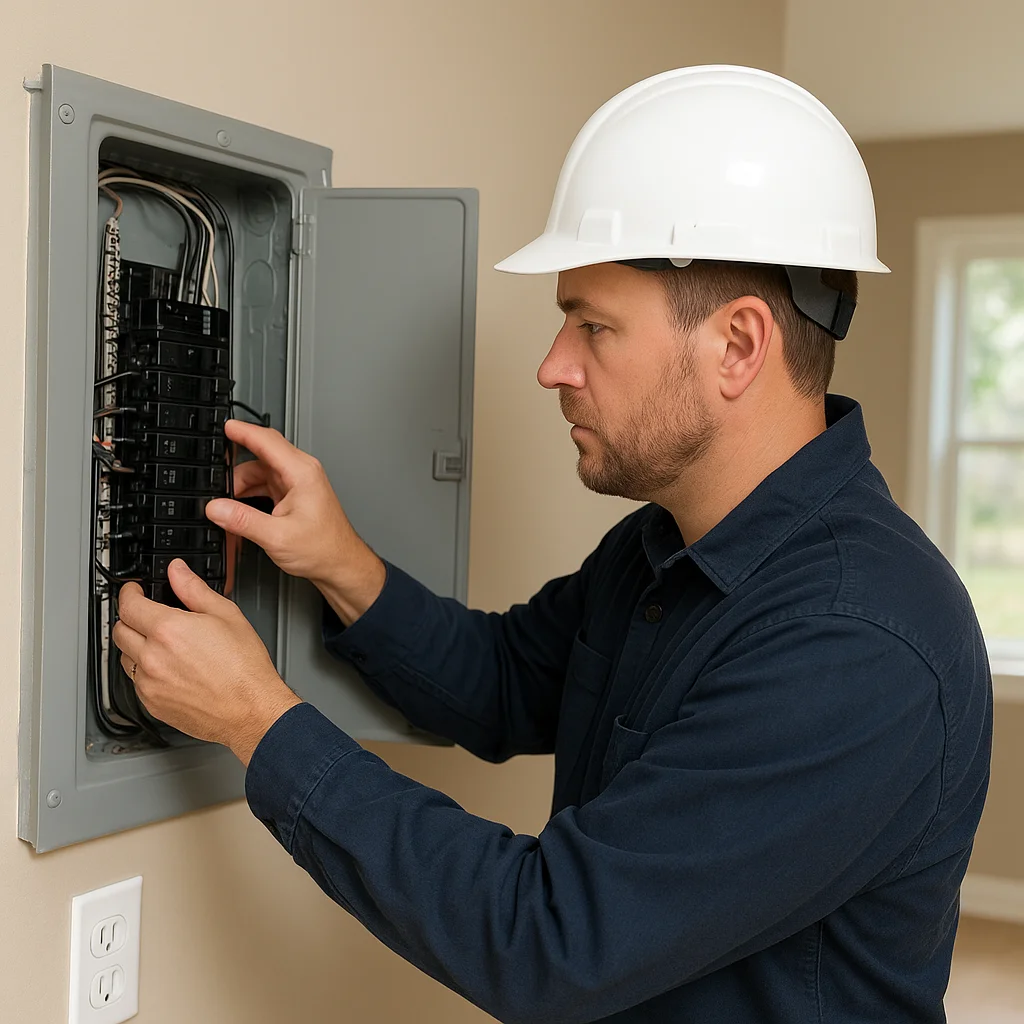
Power outages in DeFuniak Springs can happen for more reasons than one. Summer storms, wind, lightning, aging utility equipment, and overloaded home systems can all leave a house without power when it matters most. For families who rely on backup power, the generator is only part of the solution. The electrical system behind it has to be sized, grounded, protected, and maintained correctly.
That is why homeowners searching for an electrician in DeFuniak Springs often need more than a quick fix. A backup generator should work with the panel, breakers, circuits, and essential loads in the home. When the system is planned well, it can keep refrigerators, lights, outlets, internet equipment, medical devices, and critical appliances running during an outage without creating extra electrical stress.
A Superior Mechanical helps homeowners across Walton County protect their homes with dependable generator service and electrical work that supports the whole system. If you are considering a new unit or trying to improve an existing setup, it helps to know where generator problems usually start and how to prevent them before storm season arrives.
Why backup power matters in DeFuniak Springs
Homes in DeFuniak Springs deal with a mix of older construction, newer builds, remodels, additions, and rental properties. Each one has different electrical demands. A home built years ago may still have a smaller panel, limited dedicated circuits, or older wiring that was never designed for today’s appliances and electronics. Newer homes may have more capacity, but they can still run into issues if the generator is not matched to the load.
Local weather makes the case for backup power even stronger. Thunderstorms and coastal moisture can affect service equipment, outdoor connections, and sensitive electronics. Brief outages can damage food, disrupt remote work, and reset devices. Longer outages can create more serious safety concerns, especially if a home depends on sump equipment, medical devices, or refrigeration for medication.
That is where professional electrical planning matters. A properly installed generator is not just a convenience. It is part of a home protection strategy that includes surge protection, grounding, panel coordination, and safe transfer equipment.
What keeps a generator system from working the way it should
Most generator issues are not random. They usually come from a few predictable causes that homeowners can address early.
Undersized electrical capacity
If a generator is too small for the circuits it is meant to support, it may trip, stall, or fail to carry the load during startup. Large appliances, well pumps, water heaters, and HVAC equipment can draw more power than expected when they first cycle on. Even if a generator seems fine during a test, it may struggle during a real outage when several loads start at once.
Panel and breaker problems
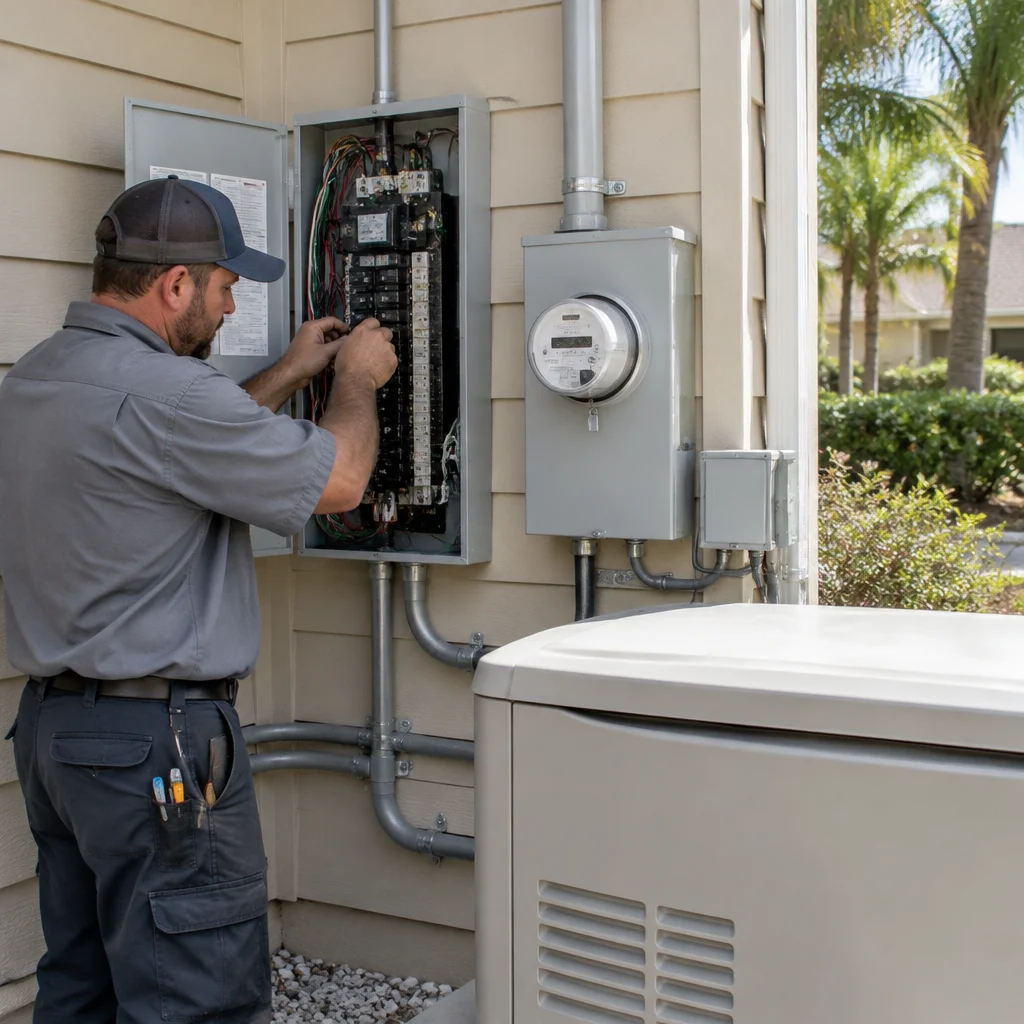
Generators depend on a healthy electrical panel. Loose breaker connections, corrosion, worn components, or outdated equipment can interfere with safe transfer and load management. Homeowners searching for power backup generators in DeFuniak Springs often discover that the panel needs attention before a new unit can be installed correctly.
Old or damaged wiring
Wiring repair is often part of generator readiness. If branch circuits have damaged insulation, loose splices, or outdated connections, the generator can only mask a bigger problem. A home with aging wiring may also be more vulnerable to voltage drops, tripped breakers, and heat buildup under load.
Poor grounding and surge protection
Lightning and utility switching can create voltage spikes that harm appliances and electronics. A generator should be part of a broader protection plan that includes grounding and surge protection. Without those safeguards, backup power may keep the lights on but still leave the home exposed to equipment damage.
Weak maintenance habits
Generators need regular attention just like other electrical systems. Batteries weaken, fuel systems clog, transfer switches wear, and wiring connections loosen over time. Skipping maintenance can turn a reliable unit into a problem right when a storm system moves through Walton County.
How to keep a backup generator ready before the next outage
Preventing generator trouble starts with a full look at the home’s electrical system, not just the generator itself. That includes the panel, the transfer switch, the circuits you want to support, and the condition of the wiring feeding those loads.
Start with a load check
A load assessment helps determine which appliances and circuits are most important during an outage. Some homes only need a few essentials. Others need more support because of remote work, medical equipment, or larger family needs. The goal is to avoid overloading the unit while still covering the most important parts of the home.
This is also the right time to decide whether the home needs dedicated circuits for refrigerators, freezers, sump equipment, or sensitive electronics. Dedicated circuits can reduce nuisance trips and make generator operation more predictable.
Inspect the panel before storm season
If the panel is crowded, outdated, or showing signs of heat damage, it may be time for a panel-focused electrical upgrade or other corrective work. Homeowners searching for electrical services near me often need a panel inspection before generator installation can move forward. A healthy panel helps the generator transfer power safely and reduces the chance of breaker issues during an outage.
In some older DeFuniak Springs homes, a 200 amp panel upgrade near me search is really about making room for safer, more modern electrical support. That can matter when the house has added square footage, a remodeled kitchen, new appliances, or an EV charger.
Test the transfer switch and controls
The transfer switch is what separates utility power from generator power. It must operate cleanly and safely. If it sticks, hums, or fails to transfer, the generator cannot do its job. Regular testing helps catch those problems early, before a storm makes them urgent.
Protect the home from surges
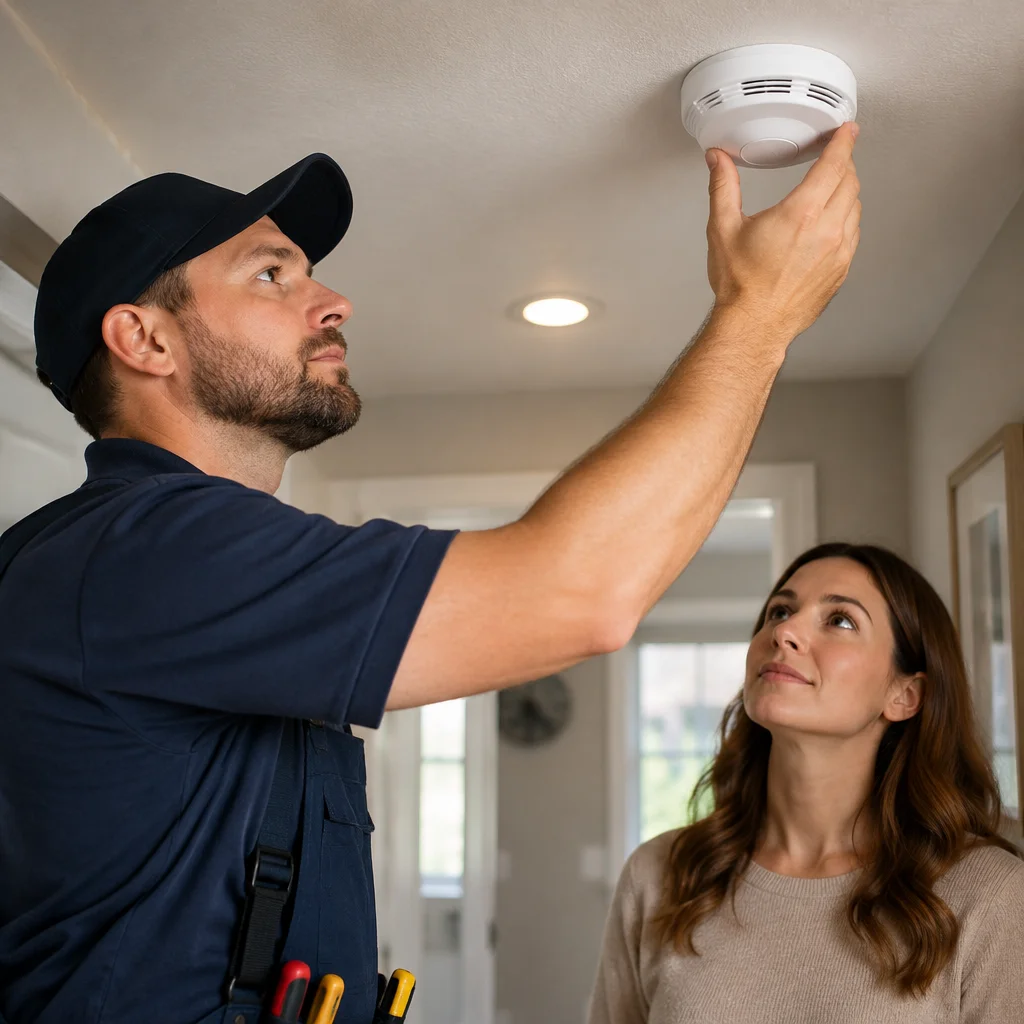
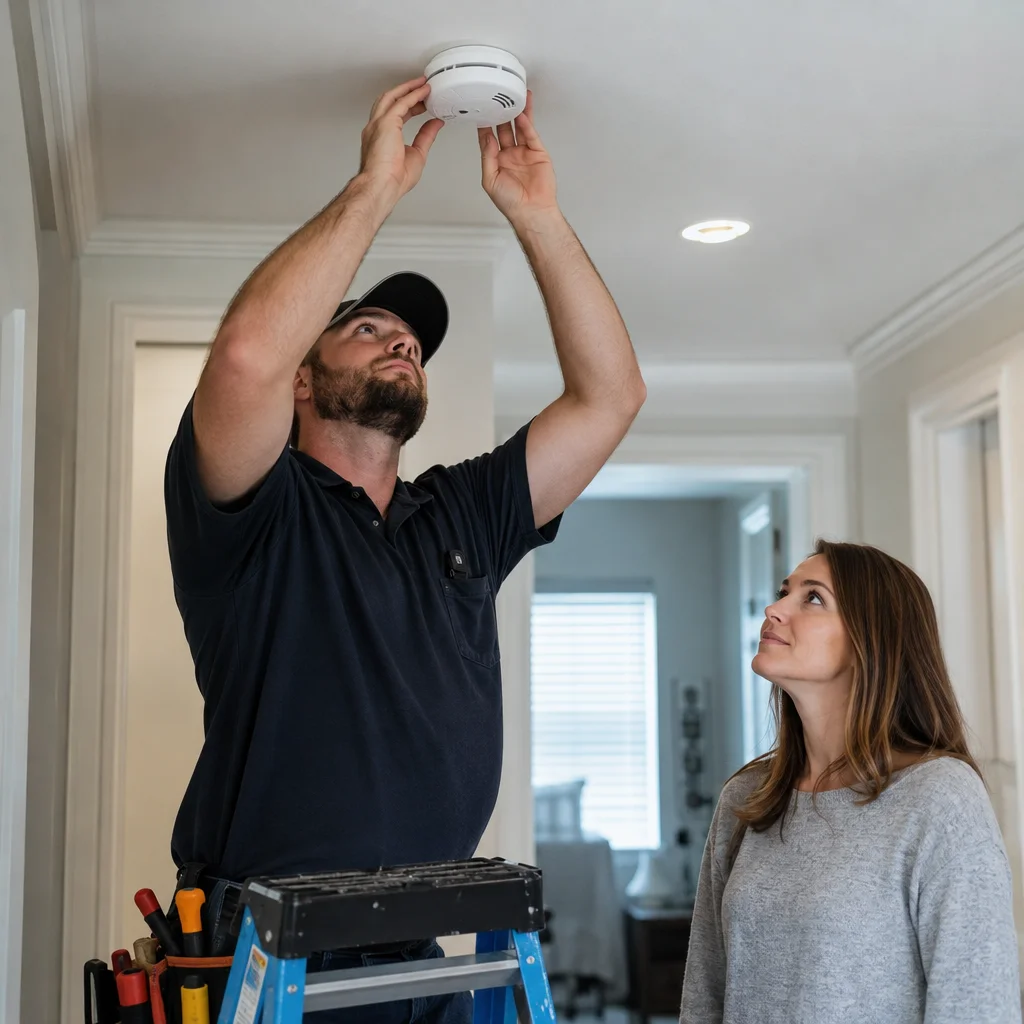
Generator systems and surge protection work well together. A whole-home surge device can help shield the panel, appliances, and electronics from lightning and utility spikes. Families who have already searched for carbon monoxide detector installation near me or smoke detectors and carbon monoxide detectors should also think about generator safety, since backup power should never create hidden hazards inside the home.
Keep outlets, switches, and fixtures in good shape
Generator power is only useful if the home’s everyday electrical parts are in good condition. Loose receptacles, worn switches, and damaged fixtures can all become more noticeable when the system is under stress. A homeowner who starts with a repair-first approach often avoids bigger problems later. That can include indoor lighting updates, light switch installation near me searches, or usb outlet installation near me requests tied to a broader electrical refresh.
Local homes, local weather, local electrical needs
DeFuniak Springs homes face conditions that matter to electrical equipment. Humidity can affect outdoor connections and generator enclosures. Storms can bring sudden outages and voltage fluctuations. Older homes may have fuse boxes, mixed wiring types, or limited grounding. Newer homes may have more appliances, more electronics, and higher demand from charging stations, smart devices, and larger kitchen loads.
That is why local electrical service matters. A generator installation in Walton County should be planned by someone who understands how homes here are built and how weather affects the system. A homeowner in the city may need different solutions than someone in a rural part of the county or a property owner managing a rental. For broader electrical support in the area, the Walton County service area page is a helpful starting point.
Generator planning also overlaps with other electrical upgrades. If a family is adding a workshop, finishing a garage, or remodeling a kitchen, the home may need new circuits, outlet repair, ceiling fan wiring, or lighting installation to stay balanced. Those changes can affect how much backup power the home needs and how the generator should be configured.
Electrical upgrades that make generator ownership easier
Some homes are ready for generator service right away. Others need a few electrical improvements first. Common upgrades include:
- Panel replacement or breaker repair
- Dedicated circuits for major appliances
- GFCI protection in kitchens, baths, garages, and outdoor areas
- Grounding improvements
- Outlet repair and switch repair
- Whole-home surge protection
- Smoke detector and carbon monoxide detector updates
Families searching for electrical financing may find it easier to handle these improvements in a practical order. That can be especially helpful when the project includes generator installation, panel work, or a large repair list.
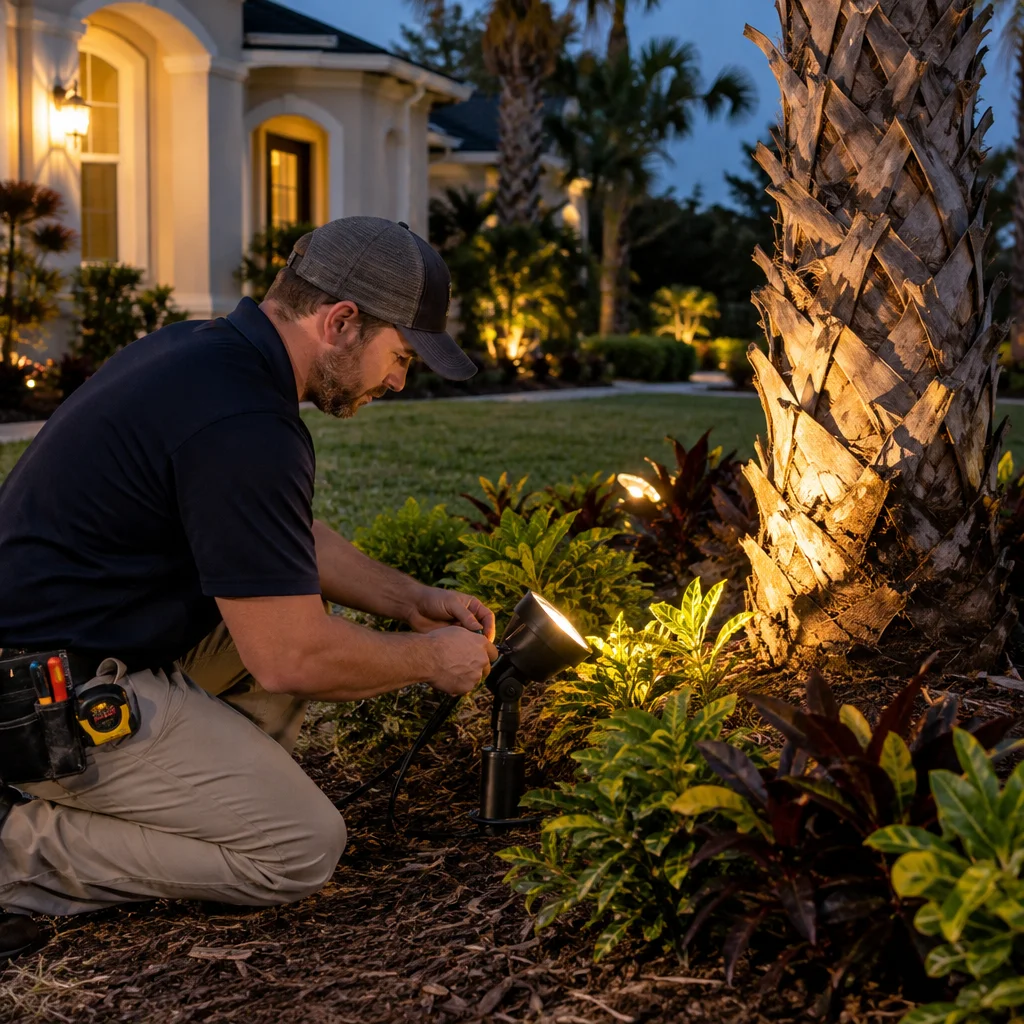
Outdoor systems matter too. If the home has porch lighting, landscape lighting, or a detached garage, those areas should be checked for weather exposure and safe wiring. Homeowners looking for outdoor lighting installation near me or landscape lighting installation near me often benefit from a broader electrical inspection that includes generator readiness.
When generator trouble points to a bigger electrical issue
Sometimes a backup power problem is not really a generator problem at all. If breakers trip repeatedly, outlets feel warm, lights flicker, or the panel makes unusual noises, the home may have a wiring or load issue that needs attention first. That is especially true in older houses where previous repairs were done in stages or additions were added later.
Homeowners who search for maintenance before replacement often save money because small issues are easier to fix than a system-wide failure. A careful inspection can reveal whether the home needs a simple breaker repair, a new circuit, a ceiling fan installation near me project tied to rewiring, or a more complete correction to bring the system up to code.
It is also worth noting that some problems are urgent. Burning smells, visible arcing, repeated breaker trips, or a generator that will not transfer properly should be treated as emergency electrical concerns. In those situations, a 24 hour electrician near me search is often the right move, especially after a storm.
Why code compliance matters for backup power
Generator installations have to meet electrical code requirements for safety and performance. That includes proper disconnects, correct transfer equipment, load calculations, grounding, and safe circuit integration. A system that seems to work today can still be unsafe if it was not installed with code compliance in mind.
This is one reason homeowners often bring in a local electrician near me before storm season. A trained electrician can verify that the generator, panel, outlets, detectors, and protection devices all work together. That same inspection may uncover issues that affect future projects too, such as ev charger installation near me plans, a future remodel, or a switch upgrade in the kitchen or laundry room.
What a good maintenance routine looks like
Generator maintenance does not have to be complicated. It just has to be consistent. A sensible routine includes periodic testing, visual checks for corrosion or loose connections, keeping the area around the unit clear, and scheduling professional service before the heavy storm months arrive.
Homeowners should also keep an eye on the rest of the electrical system. If the panel has changed, the family has added appliances, or the home has had a remodel or addition, the generator settings may need to be reviewed. Even a small change in load can affect how long the unit can support the house during an outage.
For homes that also need repairs or modernization, it can help to coordinate generator work with other electrical service. That may include financing for electrical improvements, outlet upgrades, or indoor lighting changes that improve comfort and safety year-round.
Families who want dependable backup power in DeFuniak Springs should think beyond the generator itself. The panel, breakers, circuits, grounding, surge protection, and wiring all play a part in how well the system performs when the power goes out. A careful inspection and the right electrical repairs can make the difference between a generator that just exists and one that actually protects the home.
Find Power Backup Generators in DeFuniak Springs, FL
If you need Power Backup Generators in DeFuniak Springs, FL, visit our local service page or contact A Superior Mechanical today.
Map of DeFuniak Springs, FL
Frequently Asked Questions
How often should a backup generator be serviced in DeFuniak Springs?
Most homeowners should schedule professional generator maintenance at least once a year, and more often if the unit runs frequently during storm season. A service visit should include testing, connection checks, and a review of the panel and transfer equipment.
Can an older home in Walton County still use a backup generator?
Yes, but older homes often need electrical updates first. That can include panel repairs, grounding improvements, dedicated circuits, GFCI protection, or wiring corrections so the generator can operate safely and reliably.
Why does my generator trip breakers when several appliances start at once?
That usually means the generator is carrying too much load or the home has an electrical issue that needs attention. An electrician can check the panel, circuit sizing, and transfer setup to find the cause.
Do I need surge protection with a backup generator?
Yes. A generator keeps power on during an outage, but surge protection helps guard against lightning, utility spikes, and equipment damage. It is a smart layer of protection for homes in storm-prone areas like DeFuniak Springs.
Related Articles
- How Electrical Financing Helps DeFuniak Springs Homeowners Protect Panels, Wiring, and Outlets
- Safer Power in DeFuniak Springs Starts With the Right Electrical Repairs
- Better Electrical Maintenance Makes Electrical Replacement Easier for DeFuniak Springs Homes
- Staying Ahead of Plumbing Problems in DeFuniak Springs Homes
Photo Gallery