Florida weather does not wait. In Cinco Bayou, the mix of heat, humidity, and salt air can push commercial HVAC systems hard, especially when installation details are rushed or overlooked. When airflow is off, ductwork is mismatched, condensate drainage is wrong, or controls are poorly set, problems can build quietly until the day you need emergency cooling.
This guide breaks down practical, homeowner friendly steps that help commercial property managers and building owners reduce HVAC emergencies. It also explains what to look for during commercial HVAC installation, why preventive HVAC maintenance matters, and when to call a licensed HVAC contractor.
Why emergency HVAC calls spike in Cinco Bayou
Commercial HVAC systems in Okaloosa County operate in a demanding environment. Summers bring long stretches of high temperatures and high indoor humidity. Coastal influences can add corrosive stress from salt air. Over time, these factors can expose installation problems that might not show up during mild weather.
Common emergency cooling concerns tend to fall into a few categories:
- Airflow problems that cause uneven temperatures, hot rooms, and short cycling.
- Humidity and condensate drainage issues that lead to water problems and comfort complaints.
- Control and thermostat settings that do not match the building load or airflow design.
- Refrigerant system strain caused by improper airflow or setup, which can trigger shutdowns and safety responses.
- Ductwork leakage or restrictions that reduce system efficiency and increase energy use.
When these issues are present, the system can struggle to keep up during peak demand. That is when emergency AC repair near me searches often start, because comfort failures become urgent for tenants, customers, and staff.
Start with the building load, not the equipment size
A frequent installation mistake is selecting equipment based on rough rules instead of a real building assessment. Commercial HVAC installation should begin with load calculations that consider:
- Square footage and occupancy patterns
- Sun exposure and window types
- Insulation levels and air sealing quality
- Indoor humidity targets and moisture sources
- Air distribution needs by zone or tenant area
In humid Florida climates, comfort depends on more than temperature. If the system is not matched to the actual load and airflow requirements, it may run longer than expected, cycle improperly, or fail to dehumidify. That can create a chain reaction: humidity rises, condensate drainage can become stressed, filters foul faster, and indoor air quality suffers.
If you are comparing commercial HVAC installation options in Cinco Bayou, ask how the design accounts for the local heat and humidity profile, not just cooling capacity.
Airflow is the hidden driver of many AC emergencies
Airflow issues rarely show up as a single “broken part.” More often, they appear as symptoms that keep getting worse: weak cooling, hot spots, rising humidity, and higher energy use. Poor airflow can also push refrigerant systems out of their intended operating conditions, which can lead to safety trips and eventual breakdowns.
During installation, the HVAC contractor should address airflow as a system, including:
- Supply and return air paths that match the design
- Correct ductwork sizing and layout to prevent restrictions
- Proper fan speed and air handler settings for the application
- Filter selection and placement that supports both airflow and indoor air quality goals
If you later notice uneven temperatures or comfort complaints, do not assume “it is just dirty filters.” It could be airflow balancing, ductwork restrictions, or airflow pressure issues that were missed during installation. Homeowners searching for duct repair near me often find the problem after comfort has already slipped.
Ductwork and airflow leaks: small gaps, big consequences
Commercial ductwork can develop problems over time, but installation quality matters just as much. Leaky ducts and poorly sealed joints can send conditioned air where it is not needed, forcing the system to work harder. That extra runtime increases energy use and can accelerate wear on components.
In humid Florida air, duct leaks can also contribute to moisture problems. When moist air enters the duct system, it can worsen humidity levels indoors and increase the risk of condensate drainage concerns depending on the setup.
For property owners, the best prevention is to insist on careful ductwork planning and sealing practices during installation. If you are evaluating ductwork service after installation, consider reading about the details that are often overlooked in similar projects, such as the details that get missed in commercial HVAC installation in Freeport, FL.
Condensate drainage must be right for Florida humidity
When air conditioning removes humidity, condensate forms. In Cinco Bayou, those moisture loads can be significant during long summer stretches. If condensate drainage is improperly installed or not maintained, you can see symptoms like:
- Water pooling near equipment
- Musty odors or damp areas
- Repeated shutdowns related to water management
- Indoor humidity that does not improve as expected
Professional commercial HVAC installation should include proper condensate drainage routing, correct slope, and safe termination practices. It should also consider how the drainage system interacts with the rest of the equipment layout. If drainage is an afterthought, emergency cooling calls can follow because the system may not operate reliably under high humidity conditions.
Salt air and corrosion resistance: plan for coastal stress
Okaloosa County’s coastal environment can expose outdoor components to corrosive influences. That does not mean equipment will fail quickly, but it does mean installation should be thoughtful about protecting components and selecting appropriate materials and mounting practices.
During installation, your contractor should consider:
- Outdoor unit placement and airflow around the equipment
- Drainage and protection around the base and connections
- How the system will handle ongoing humidity and salt exposure
Corrosion issues can start subtle and worsen over time. Preventive HVAC maintenance helps catch early signs before they turn into an emergency AC repair scenario during peak heat.
Thermostats and controls should match how the building is used
A commercial thermostat is not just a comfort dial. It is part of the control strategy that governs how the system cycles, how it handles humidity, and how it responds during demand spikes.
Installation problems can include incorrect thermostat placement, mismatched zoning controls, or settings that do not reflect actual occupancy and schedules. In Florida, these mismatches can lead to:
- Short cycling and uneven temperatures
- Higher humidity indoors
- Increased energy use from continuous re-cooling
- More frequent service calls because comfort complaints keep returning
If you are planning a new system or evaluating HVAC financing to support a proper installation, be sure the design includes controls that fit your operations. A licensed HVAC contractor near me should be able to explain how the thermostat and control system align with the building’s airflow and humidity goals.
Refrigerant systems depend on correct airflow and setup
Refrigerant systems are designed to operate under specific conditions. While homeowners should not attempt refrigerant diagnosis, it is still important to understand why refrigerant related problems can show up after a bad installation.
Many refrigerant system issues are tied to factors like airflow restrictions, incorrect system setup, or ductwork problems that cause the system to run outside normal performance. That is why “it worked for a week” can turn into an emergency cooling situation later in the season.
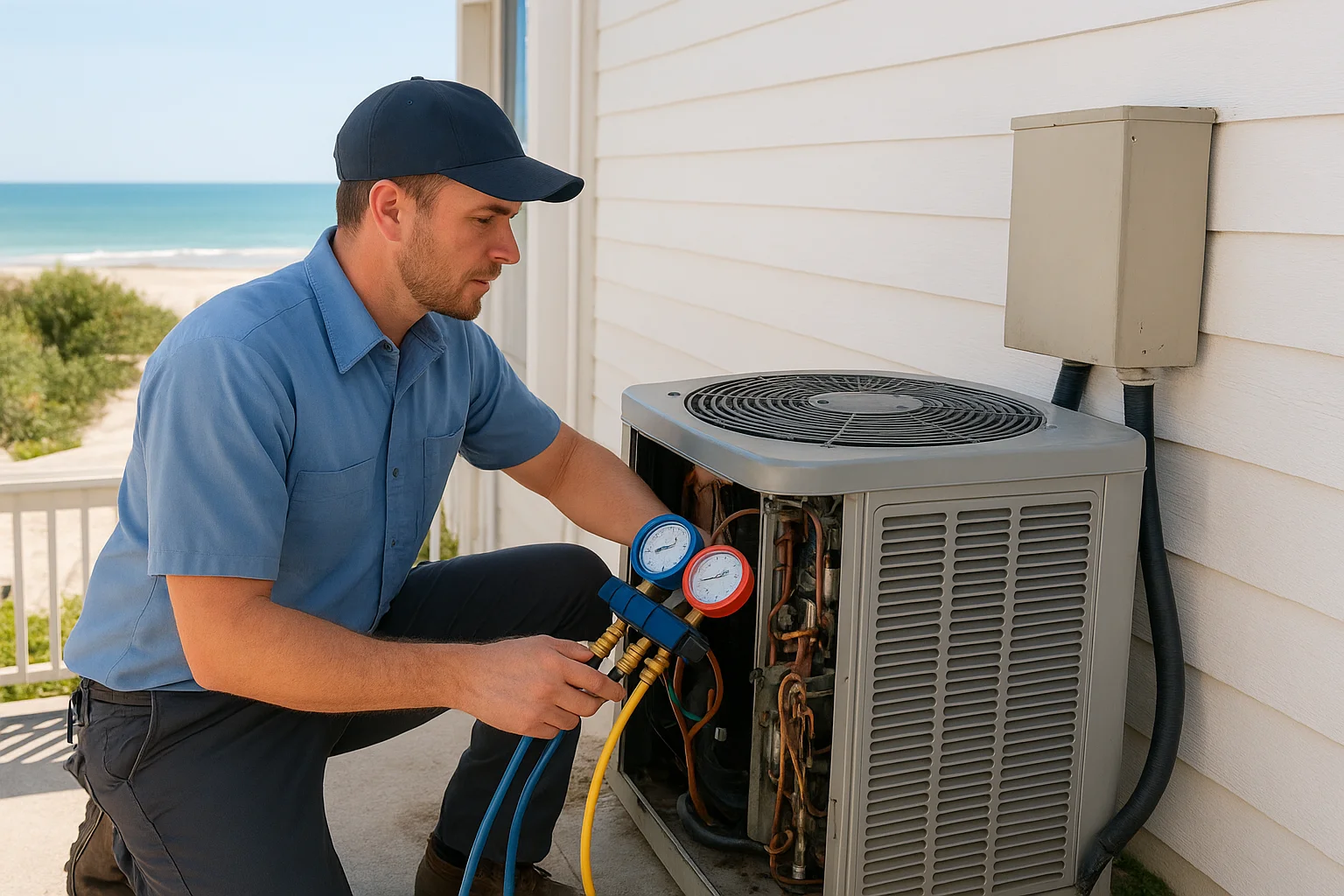
If you ever suspect refrigerant problems, the right move is an in-person evaluation by a professional. A technician can inspect the system as a whole, including airflow, electrical and control inputs, and operating conditions. Avoid DIY attempts that could create safety risks or lead to further damage.
Preventive HVAC maintenance that actually reduces emergencies
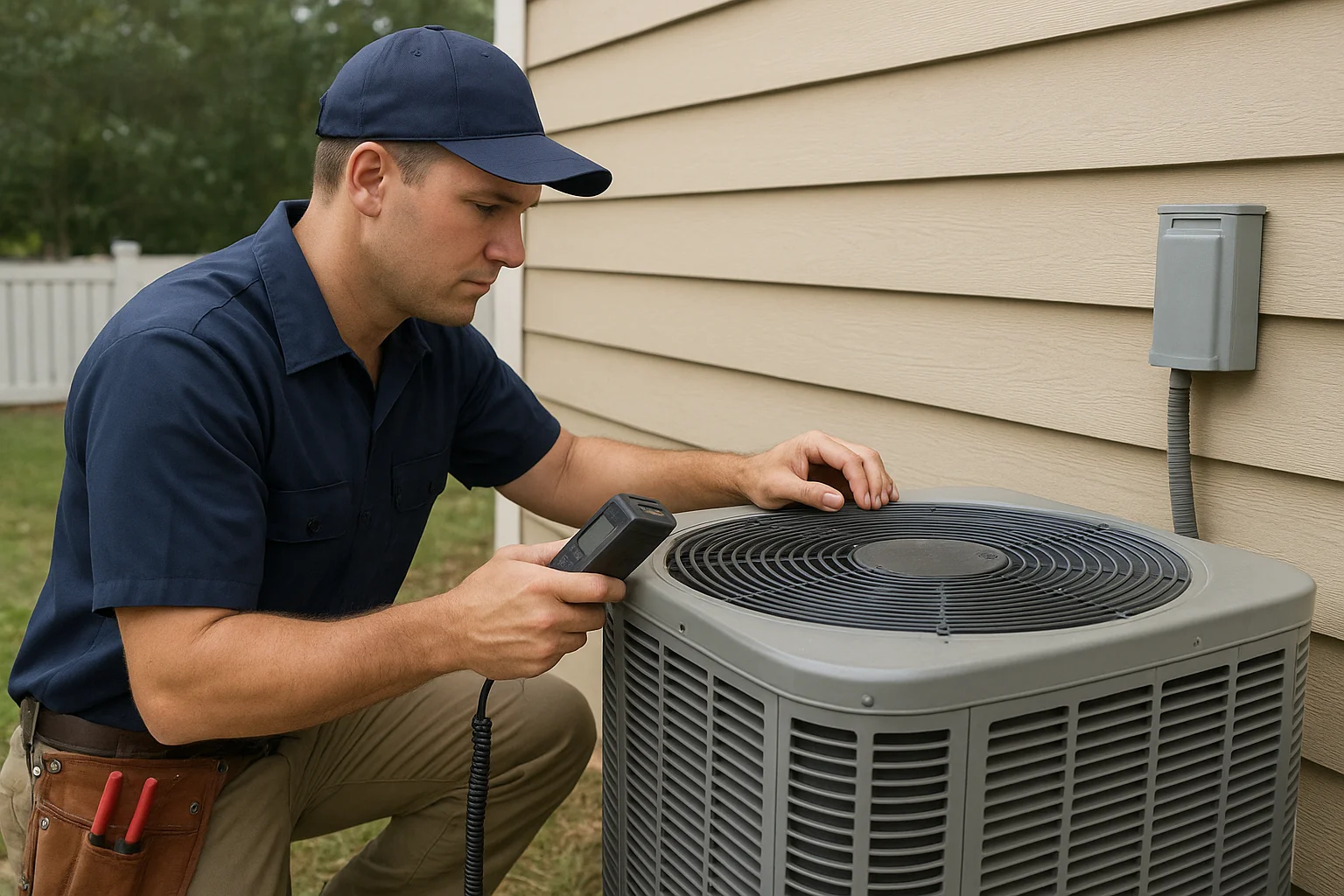
Installation is the foundation, but preventive HVAC maintenance is what keeps the system stable through Florida’s demanding months. A strong maintenance routine helps avoid sudden breakdowns by addressing issues before they trigger shutdowns or major comfort failures.
A good commercial maintenance plan typically includes:
- Filter checks and changes based on airflow and indoor air quality needs
- Inspecting blower operation and airflow performance
- Checking condensate drainage and related components
- Reviewing thermostat and control operation
- Monitoring system performance and noting early warning signs
For many Cinco Bayou buildings, indoor air quality is a major comfort driver. When filters are neglected or airflow is restricted, airborne particles and humidity can build up. That is where services like indoor air quality and air filtration and purifiers can support healthier, more stable operation.
Watch for early warning signs before the system “fails loudly”
Emergency AC repair near me searches often happen after the system stops meeting comfort needs. You can reduce the odds of that by acting on early indicators.
Common signs a commercial system is heading toward a breakdown include:
- Cooling that feels weaker in certain areas
- Humidity staying high even when the thermostat is set properly
- Frequent cycling or the system running longer than usual
- Rattling, unusual vibration, or airflow noises
- Water-related signs around condensate drains
- Visible dust buildup around supply vents or return grilles
If you notice any of these, schedule a professional inspection rather than waiting for a full failure. Many issues that end in emergency cooling concerns start as airflow or drainage problems that can be corrected before they escalate.
How to choose a commercial HVAC contractor for installation quality
Not every HVAC contractor installs commercial systems with the same level of attention to airflow, ductwork, and controls. Choosing the right team can reduce the likelihood of future emergencies.
Look for a contractor who:
- Talks through the design process, including airflow and humidity goals
- Explains how ductwork and condensate drainage will be handled
- Uses proper commissioning and verification practices after installation
- Understands how Florida heat and humidity affect comfort and energy use
- Offers preventive HVAC maintenance options suited to commercial needs
If you are comparing approaches, it can help to review other local installation insights, such as commercial HVAC installation in Laguna Beach, FL and keeping Sandestin buildings comfortable starts with smarter commercial HVAC installation.
For more local context across Okaloosa County, visit /service-areas/okaloosa-county and the Cinco Bayou overview at /service-areas/okaloosa-county/cinco-bayou.
When a system replacement becomes part of emergency prevention
Sometimes emergencies are not only about installation quality. Older systems can struggle with efficiency, airflow stability, and humidity control, especially as filters, ductwork, and building conditions change over time.
If you are considering a new AC installation near me for a commercial property, focus on a full evaluation rather than a quick estimate. A reliable process includes:
- Reviewing current performance and comfort complaints
- Assessing ductwork and airflow limitations
- Evaluating condensate drainage setup
- Confirming thermostat and control compatibility
- Discussing energy use priorities and indoor air quality goals
For businesses comparing options, you may also want to request an AC replacement estimate near me that accounts for the full system and distribution design, not just the equipment price. Your contractor should not rush you into replacement without a thorough in-person assessment.
Practical steps to reduce emergency calls after installation
Once your commercial HVAC installation is complete, a few habits can prevent many avoidable emergencies:
- Keep filters maintained based on your building’s occupancy and indoor air quality needs.
- Report airflow complaints early so ductwork or balancing issues can be addressed before they cause shutdowns.
- Monitor humidity during peak Florida heat to catch condensate drainage or dehumidification problems early.
- Schedule preventive HVAC maintenance before the hottest months hit.
- Document thermostat schedules and changes so control settings do not drift away from the design intent.
If your building has dust buildup, recurring comfort complaints, or noticeable airflow resistance, ask about duct cleaning and ductwork inspection. Duct cleaning near me searches often come from the same place: a need to restore airflow and improve indoor air quality.
How A Superior Mechanical supports dependable commercial cooling in Cinco Bayou
Professional commercial HVAC installation is more than setting equipment in place. It is about designing airflow, managing condensate drainage, aligning thermostats and controls with the building, and verifying that refrigerant systems operate as intended under real conditions.
If you are planning a new installation, upgrading an existing system, or trying to reduce emergency cooling concerns for your commercial property, start with the right service scope. Learn more about commercial HVAC installation in Cinco Bayou and how it connects to long-term comfort across Okaloosa County.
Find Commercial HVAC Installation in Cinco Bayou, FL
If you need Commercial HVAC Installation in Cinco Bayou, FL, visit our local service page or contact A Superior Mechanical today.
Map of Cinco Bayou, FL
Frequently Asked Questions
What are the most common causes of emergency AC repair in commercial buildings in Cinco Bayou?
The most common triggers are airflow problems, condensate drainage issues, control or thermostat mismatches, and ductwork restrictions or leaks that cause the system to work harder than it should. Addressing these during installation and through preventive HVAC maintenance helps reduce emergency cooling concerns.
How does humidity in Cinco Bayou affect commercial HVAC installation?
High humidity increases the moisture load on air conditioning equipment. If the system is not matched to the building’s load and airflow, it may struggle to dehumidify. That can lead to comfort complaints, faster filter loading, and condensate drainage stress. A proper design accounts for humidity, condensate drainage, and indoor air quality goals.
Should homeowners try to troubleshoot refrigerant or electrical issues before calling a professional?
No. Refrigerant diagnosis and electrical diagnosis require an in-person inspection and safe testing. Homeowners can watch for comfort and airflow symptoms, but the right next step for suspected refrigerant or electrical problems is to schedule a licensed HVAC contractor evaluation.
What preventive HVAC maintenance steps reduce the chances of a mid-summer breakdown?
Commercial preventive maintenance typically includes filter service, inspection of airflow performance, checking condensate drainage, reviewing thermostat and control operation, and monitoring system performance. These steps help catch early warning signs before they turn into emergency AC repair needs.
How can I tell if ductwork problems are contributing to uneven cooling?
Uneven temperatures, weak airflow from certain vents, and comfort issues that persist after routine filter changes can point to ductwork restrictions or leaks. A professional inspection can verify airflow and duct performance so the issue can be corrected before it escalates.
Related Articles
- The Details That Get Missed in Commercial HVAC Installation in Freeport, FL
- Commercial HVAC Installation in Laguna Beach, FL: The Issues Local Property Owners Should Not Overlook
- Keeping Sandestin Buildings Comfortable Starts With Smarter Commercial HVAC Installation
- What Panama City Beach Property Owners Should Know Before a Commercial HVAC Installation
Photo Gallery