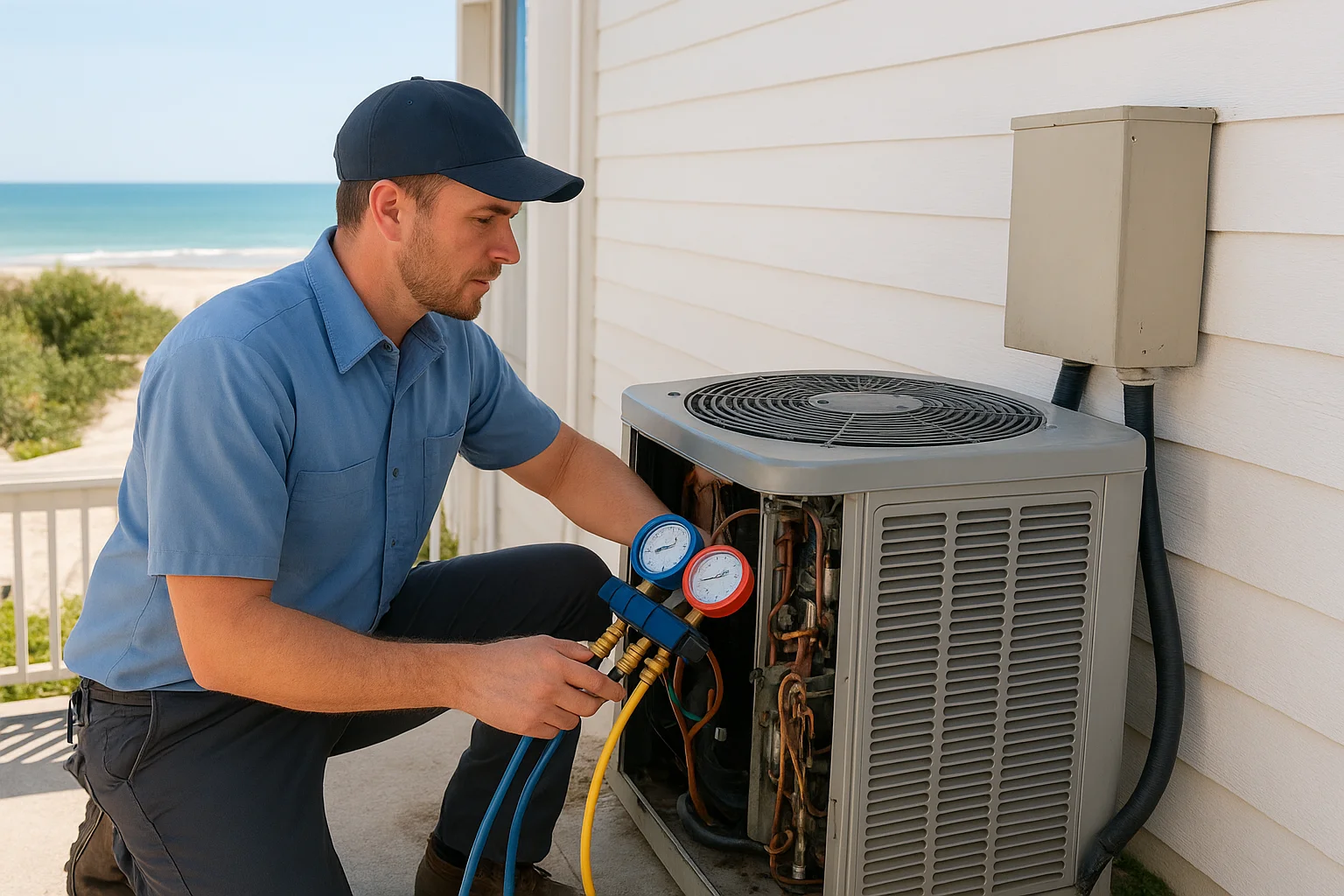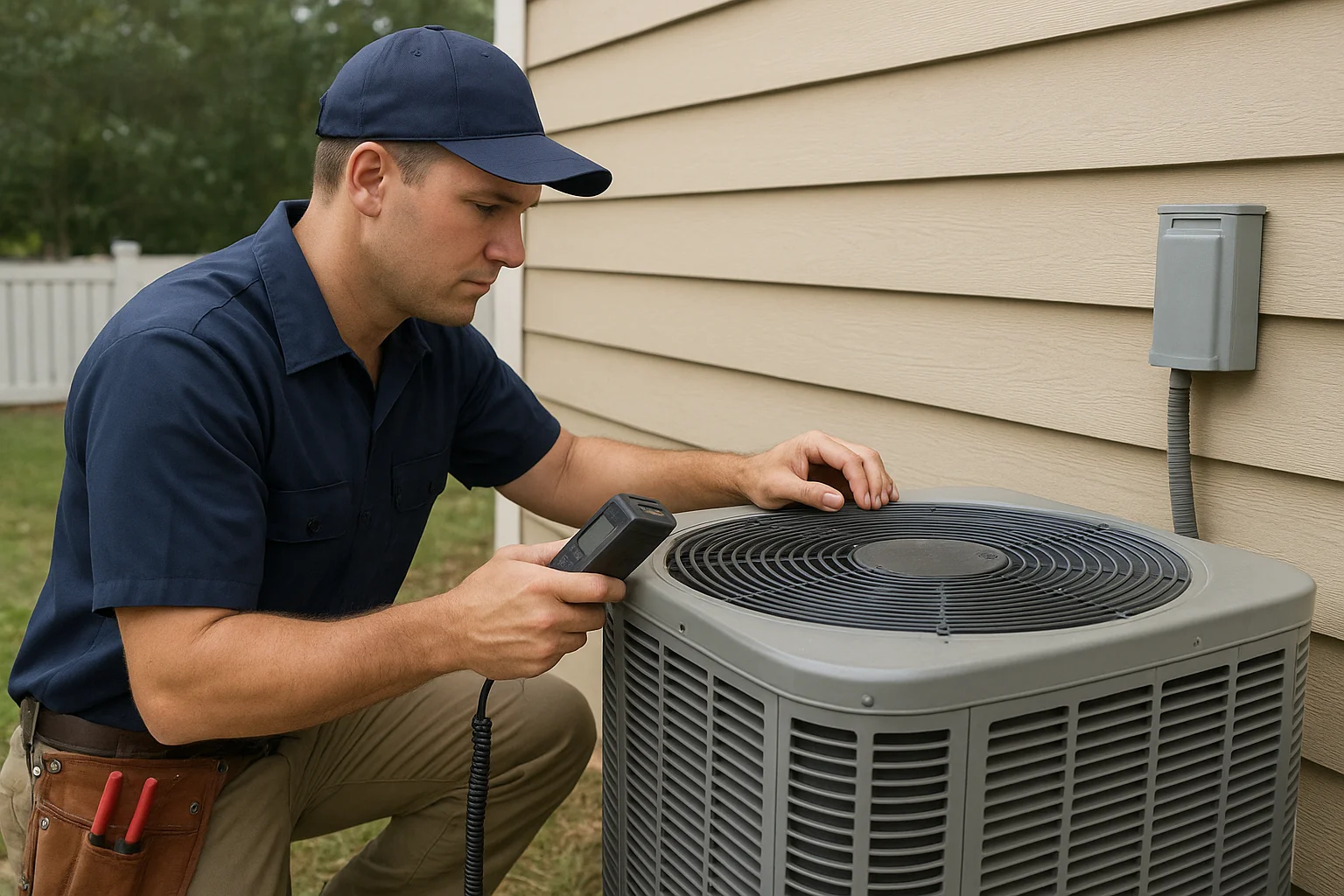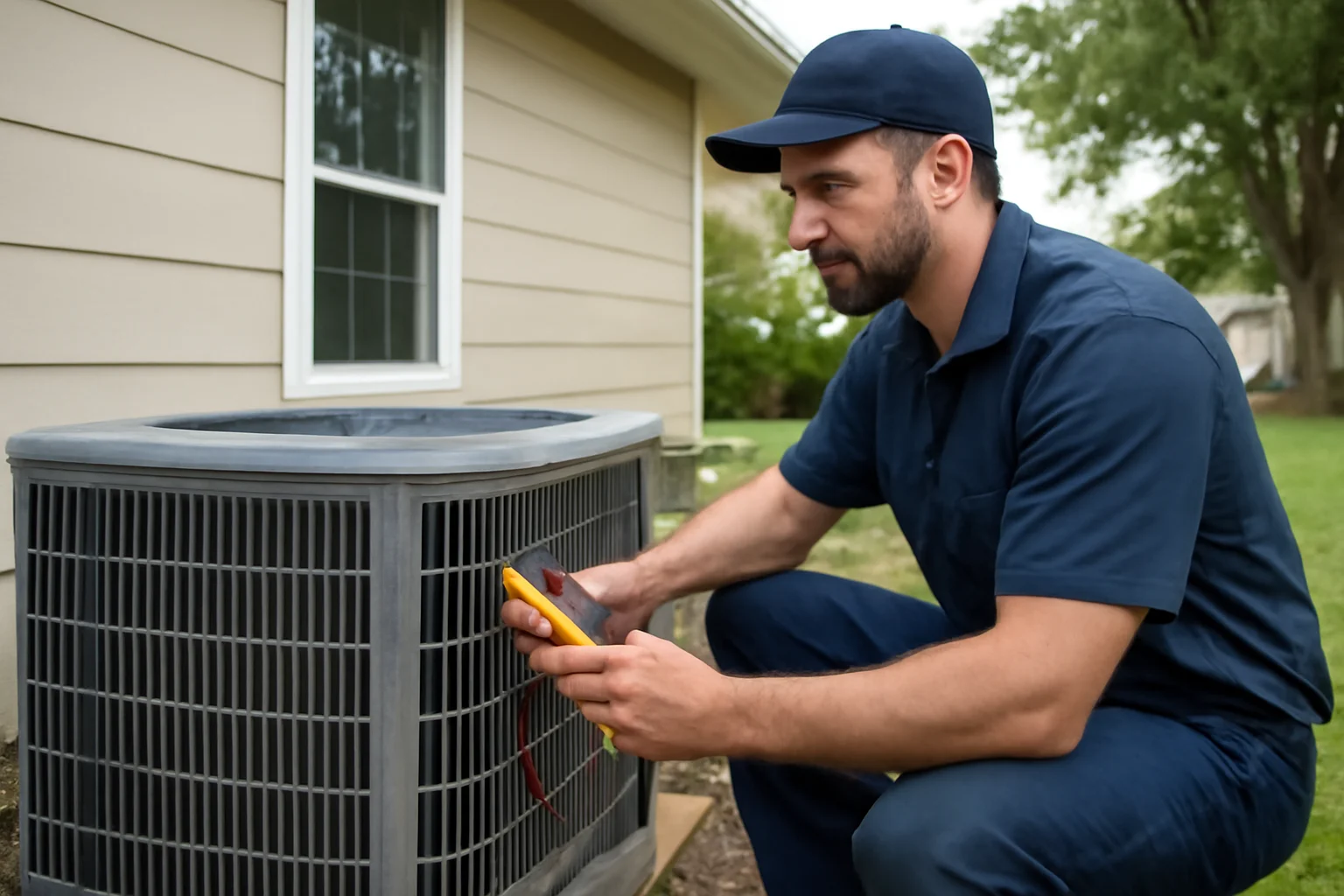
Commercial HVAC emergencies can be expensive, disruptive, and hard to plan around. In Cinco Bayou, FL, long stretches of heat and humidity, plus the area’s coastal salt air, can push air conditioning systems and heat pump systems beyond their comfort zone. The good news is that many emergency cooling calls are preventable with better airflow, consistent humidity control, and routine commercial HVAC maintenance.
This guide focuses on commercial HVAC repair and the everyday steps property owners can take to manage heat and humidity before a small problem becomes an all-day emergency AC repair situation. If you manage a retail space, office, warehouse, or multi-tenant building, these are the checks and habits that help keep systems stable.
Why Cinco Bayou heat and humidity turn minor issues into emergencies
In Okaloosa County, summer weather often means warm outdoor air plus high indoor moisture. When humidity rises, comfort drops fast, but the bigger risk is to the HVAC system’s ability to cool and dehumidify. Air conditioners and heat pumps are designed to move heat out of the building while also helping control moisture. When airflow is restricted or condensate drainage is impaired, the system can struggle to remove humidity efficiently.
Coastal exposure adds another layer. Salt air can contribute to corrosion on metal components and accelerate wear on parts exposed to the elements. Over time, that can lead to reduced performance in refrigerant systems, dirty coils, and airflow problems that show up first as “it’s not cooling like it should” and later as a full failure.
Emergency cooling concerns often happen during peak demand. The system has to work harder, run longer, and recover faster. If the building has airflow issues, a failing thermostat strategy, or drainage problems, the system can trip safety controls or shut down to protect itself.
Common commercial HVAC problems that trigger emergency AC repair calls
Many emergency calls start with predictable patterns. Here are the issues that most often lead to sudden loss of cooling, poor humidity control, or repeated shutdowns.
1) Airflow restrictions in ductwork or air handling equipment
When supply air does not reach the right areas, the system can short-cycle or run continuously without achieving stable temperatures. Dirty filters, blocked returns, undersized ductwork, or duct leaks can all reduce airflow. In commercial buildings, this can show up as hot spots near ceilings, uneven cooling across tenant spaces, and complaints that “the thermostat says it should be cool, but it isn’t.”
Airflow problems also impact indoor air quality. Poor circulation can allow dust, allergens, and moisture to linger, increasing occupant discomfort and sometimes worsening respiratory irritation.
2) Condensate drainage issues and moisture buildup
During humid weather, air conditioners create condensate as they remove moisture from indoor air. If condensate drainage is partially blocked, the system can struggle to drain properly. That can lead to water backing up, increased humidity around equipment, and safety shutdowns.
Moisture problems rarely stay isolated. Standing water or recurring drainage issues can contribute to corrosion and can worsen indoor humidity levels, which then drives the HVAC system to work harder.
3) Thermostat settings that do not match commercial usage
Commercial buildings often have variable occupancy schedules. If thermostats are set to run too aggressively, or if schedules do not match actual usage, the system may cycle inefficiently or fail to manage humidity during occupied hours. Some systems also rely on control strategies that require accurate sensors and proper setup.
Even when the thermostat is technically functioning, the settings and control approach can still lead to poor dehumidification and higher energy use. That can put additional stress on refrigerant systems and airflow components.
4) Refrigerant system strain due to dirty coils or airflow mismatch
Refrigerant systems depend on stable airflow and clean heat exchange surfaces. When coils are dirty or airflow is restricted, the system can operate outside ideal conditions. This can lead to performance issues and repeated shutdowns. While refrigerant-related concerns should always be evaluated in person, it is still important to recognize that airflow and cleanliness often contribute to refrigerant system problems.
5) Salt air corrosion and component wear
In coastal areas, outdoor units can experience accelerated corrosion. That can affect fans, coil surfaces, and electrical components. Over time, corrosion and buildup can contribute to reduced efficiency, noisy operation, and more frequent service needs.
Proactive commercial HVAC maintenance near me is not just about replacing parts. It is also about catching the early signs of corrosion and buildup before the system fails during the hottest weeks.
Heat and humidity management starts with airflow and filtration
To avoid emergency cooling calls, focus on the basics that control both comfort and equipment stress.
Keep filters and air paths clean
Dirty filters and blocked returns reduce airflow. That can raise indoor humidity and make the system run longer to reach setpoints. For commercial buildings, filter changes should align with occupancy, dust conditions, and the type of HVAC equipment. If your building has high foot traffic, frequent deliveries, or dusty storage areas, schedule filter checks more often.
If you suspect duct repair near me is needed due to leaks or disconnected sections, address it promptly. Leaky or damaged ductwork can reduce airflow where it matters most and increase humidity issues.
Confirm airflow balance across zones
Many commercial systems serve multiple zones or sections of a building. If one zone is consistently warmer or more humid, the root cause may be a damper issue, duct leak, or airflow imbalance. That imbalance can force the rest of the system to compensate, increasing wear.
Ask your HVAC company to evaluate airflow performance during routine service. For homeowners searching for HVAC help, the same principle applies: comfort issues are rarely “just the thermostat.” Airflow patterns are often the real driver.
Prevent condensate drainage problems before they shut systems down
Humidity control is not only about cooling. It is also about managing condensate drainage so the system can remove moisture reliably.
Watch for moisture signs around equipment
Some drainage issues show up visually or by smell. Look for water staining near indoor air handlers, damp areas around drip pans, or recurring musty odors that suggest moisture retention. If you notice these, document when it happens and how often, then schedule commercial HVAC repair.
Include drainage checks in maintenance
During preventive HVAC maintenance, technicians typically inspect condensate lines, drain pans, and related components. Keeping drainage clear helps the system dehumidify without backing up. This can reduce emergency AC repair concerns during peak humidity.
If your facility uses a ducted system or has air handling units with condensate drainage, treat drainage maintenance as a seasonal priority, not a “later” task.
Set thermostats and schedules to support dehumidification
For commercial buildings, thermostats are part of the comfort system. Humidity management improves when the HVAC runtime matches occupancy patterns.
Align schedules with real business hours
If the system starts too late, it may struggle to cool and dehumidify the building before peak occupancy. If it runs too long with inefficient schedules, energy use rises and indoor humidity control can still be inconsistent.
Use control settings designed for humidity and comfort
Some systems and thermostats allow adjustments that influence how the equipment cycles and how the fan operates. A proper setup can help maintain comfort without overworking the system. If you are unsure whether your current thermostat strategy is appropriate for your building, an in-person evaluation is the safest way to confirm what needs adjustment.
For homeowners and property managers looking for HVAC service near me, the goal is the same: make the system operate in a way that supports stable temperatures and manageable humidity, not just a quick temperature drop.
Coastal exposure means maintenance should be more frequent, not less
Salt air is a real factor in coastal Florida. It can contribute to corrosion on outdoor units and accelerate buildup on coils. That is one reason commercial HVAC maintenance near me should be planned with local conditions in mind.
Routine service typically includes cleaning and inspecting components that affect airflow and heat transfer, plus checking equipment condition so you can address issues early. When you are planning for commercial AC repair near me, choose a company that understands how Florida heat, humidity, and coastal exposure affect system performance.
Indoor air quality and humidity control go hand in hand
When humidity is high, indoor air quality can suffer. Moisture can increase dust settling, encourage microbial growth in damp areas, and intensify odors. Poor airflow can also keep contaminants circulating longer.
If your building’s occupants complain about stuffiness, frequent headaches, or worsening allergies, humidity and ventilation may be contributing factors. That is where indoor air quality services can help. You can explore Indoor Air Quality options to support better comfort for employees, customers, and residents.
Good indoor air quality also supports energy efficiency. When the system dehumidifies and circulates air properly, it does not have to run as long to achieve comfort.
How to spot early warning signs before a system fails
Emergency cooling concerns are easier to prevent when you catch changes early. Here are practical signs that a commercial HVAC system needs attention.
- Cooling feels uneven, with hot spots or persistent warm areas even when the thermostat is set correctly.
- Humidity feels “sticky” indoors, especially during humid afternoons.
- Condensate drainage seems inconsistent, such as recurring moisture around equipment or repeated drain-related interruptions.
- Airflow is weak from vents, or supply air feels warmer than usual.
- Frequent cycling or unusual noises occur, including rattling, buzzing, or fan irregularities.
- New odors appear when the system runs, which may indicate moisture retention or buildup.
If you notice these patterns, you do not need to wait for a full failure. Scheduling HVAC repair before the peak stress period can help protect your building and reduce emergency calls.
Preventive maintenance that reduces emergency calls for commercial buildings
Preventive HVAC maintenance is more than routine checklists. It is how you keep airflow, humidity control, and refrigerant system performance aligned with real operating conditions in Cinco Bayou.
Plan maintenance around seasonal demand
Florida heat and humidity ramp up quickly. Many commercial buildings benefit from planned service before the hottest weeks, then follow-up checks during peak season. That approach helps ensure ductwork, condensate drainage, and indoor air comfort are ready for heavy use.
Include both indoor and outdoor system inspections
Even if the problem seems “indoor,” outdoor conditions and outdoor unit condition can affect performance. A balanced inspection helps identify issues that influence airflow, heat transfer, and humidity control.
Document recurring comfort complaints
If tenants or occupants report recurring issues, keep notes: when it happens, which areas are affected, and whether it correlates with weather changes. This information helps technicians focus on the likely causes, such as airflow imbalance, ductwork leakage, or drainage problems.
For property managers doing their own triage, this is often the difference between calling for emergency AC repair near me after a shutdown and scheduling the right commercial HVAC maintenance near me before a failure.
When heat pump systems need attention, humidity is part of the story
Some commercial buildings use heat pumps for cooling and heating. In humid conditions, heat pumps still need proper airflow, clean coils, and reliable condensate drainage during cooling mode. If the system is not dehumidifying well, comfort can suffer even if temperatures look acceptable on a thermostat.
If you are searching for Heat Pump Services, look for a provider that can evaluate overall system performance rather than focusing on one symptom. An in-person professional evaluation is important before making decisions about refrigerant systems or equipment changes.
Repair versus replacement: what to consider for commercial HVAC replacement near me
Some buildings eventually need system replacement. But the decision should be based on verified condition and performance, not on a single malfunction.
When considering HVAC replacement near me, ask your contractor to review equipment age, comfort history, frequency of repairs, and how the system handles humidity control and airflow. If a system repeatedly struggles during peak humidity, it may be time to discuss options. Still, replacement should be grounded in an on-site assessment of the refrigerant system, airflow components, ductwork condition, and overall equipment health.
For facilities that want to explore new equipment, you can review Air Conditioning Replacement to understand how replacement planning is typically approached in the area.
Choose local commercial HVAC repair that understands Cinco Bayou conditions
Cinco Bayou is in Okaloosa County, and local weather patterns matter. A commercial HVAC contractor that routinely services the area will be more familiar with common humidity-related performance issues, coastal exposure effects, and the comfort expectations of local businesses.
For commercial HVAC repair in Cinco Bayou, FL, you can start with this service page. It is a practical place to begin if you are dealing with cooling failures, humidity complaints, or recurring airflow problems. If you are comparing needs across nearby areas, you can also review Cinco Bayou HVAC services for broader guidance. For additional context about the county and regional conditions, visit Okaloosa County HVAC service areas.
How to reduce emergency calls long term
If you want fewer emergency cooling concerns, build a maintenance rhythm and treat humidity control as a key performance goal. When ductwork, condensate drainage, and thermostats are set up correctly, the system can cool and dehumidify efficiently even during Florida’s most demanding weeks.
Property owners also benefit from learning how weather and local conditions affect repairs. These reads can help you plan ahead: How Local Weather Affects Commercial HVAC Repair in Destin, FL and Commercial HVAC Repair in Fort Walton Beach: What Property Owners Should Pay Attention To Before Small Problems Grow.
If your building has multiple zones or you are considering an upgrade path, you may also want to explore air distribution strategies like ductless systems. For facilities that do not have ductwork flexibility, Air Conditioning Installation can be part of a long-term comfort plan. For some buildings, ductless mini split installation can support targeted cooling and better control of airflow, but it should be evaluated based on the building layout and comfort goals.
Practical checklist you can use before peak humidity
Use this quick list to prepare your commercial HVAC system for the hardest weeks in Cinco Bayou.
- Confirm filters have been changed and returns are not blocked.
- Review comfort complaints by area and note when they occur.
- Ask for an inspection focused on airflow, ductwork condition, and vent performance.
- Request a condensate drainage inspection and confirm drainage is clear.
- Check thermostat schedules against occupancy and verify sensors are operating as intended.
- Plan outdoor unit inspection with coastal corrosion in mind.
- Discuss indoor air quality goals if humidity or odors are recurring.
These steps do not replace professional service. They help you prepare for it, reduce downtime risk, and make it more likely you will catch issues early instead of dealing with an emergency AC repair event during the hottest part of the day.
Find Commercial HVAC Repair in Cinco Bayou, FL
If you need Commercial HVAC Repair in Cinco Bayou, FL, visit our local service page or contact A Superior Mechanical today.
Map of Cinco Bayou, FL
Frequently Asked Questions
What are the most common reasons commercial AC systems stop cooling during humid weather in Cinco Bayou?
In humid Florida conditions, cooling problems often relate to restricted airflow, dirty coils, thermostat control issues, or condensate drainage problems. Coastal salt air can also contribute to corrosion and faster wear on components. A professional inspection is needed to identify the exact cause.
How does humidity management affect energy use in a commercial building?
When humidity is not controlled well, the HVAC system may run longer to maintain comfort. That increases energy use and can add stress to refrigerant systems, fans, and heat exchange surfaces. Fixing airflow and drainage issues can improve both comfort and efficiency.
Can I prevent emergency cooling calls with filter changes and thermostat adjustments alone?
Filter changes and thermostat schedules can help, but they are not enough for many commercial systems. Ductwork condition, condensate drainage, coil cleanliness, and equipment wear all affect performance. Preventive commercial HVAC maintenance near me should include inspections beyond basic upkeep.
Are refrigerant problems something I should try to diagnose myself?
No. Refrigerant system concerns require an in-person evaluation by a qualified technician. If you suspect a refrigerant-related issue, focus on documenting comfort symptoms and schedule commercial HVAC repair so the technician can assess the system safely and accurately.
What should I tell my HVAC technician when scheduling commercial HVAC repair for humidity issues?
Share when the problem happens, which areas feel too warm or too humid, whether you notice moisture around equipment, and how the thermostat is set during occupied hours. These details help the technician evaluate airflow, condensate drainage, ductwork, and control strategy more efficiently.
Related Articles
- Why Commercial HVAC Repair Matters to Home Comfort in Miramar Beach
- Commercial HVAC Repair in Fort Walton Beach: What Property Owners Should Pay Attention To Before Small Problems Grow
- How Local Weather Affects Commercial HVAC Repair in Destin, FL
- How Better Commercial HVAC Repair Helps Seagrove Beach Homes Stay Protected
Photo Gallery