Blue Mountain Beach feels like a vacation year-round, but the climate is hard on HVAC equipment. For homeowners with VRF multi-zone systems, everyday wear and tear is shaped by Florida heat, high humidity, and the salt air that comes with life near the Gulf. Over time, that combination can affect airflow, refrigerant system performance, condensate drainage, and indoor air quality.
This guide explains how wear and tear shows up in VRF multi-zone systems in Blue Mountain Beach, what homeowners can watch for, and why professional HVAC care from a local team like A Superior Mechanical matters for steady comfort and dependable cooling when you need it most.
Why Blue Mountain Beach conditions accelerate HVAC wear
VRF multi-zone systems are designed for flexible comfort, with refrigerant flowing through multiple indoor units and control zones. That design can be very efficient and precise, but it still relies on components staying clean, properly balanced, and correctly operating under local conditions.
In Blue Mountain Beach, three factors tend to intensify HVAC wear:
- Heat loads that spike fast: Afternoon temperatures and strong sun can push cooling demand higher than many systems see in milder climates.
- Humidity that stays high: Moist air increases the likelihood of condensation problems and can contribute to microbial growth when airflow or drainage is off.
- Salt air exposure: Coastal air can accelerate corrosion on outdoor components and contribute to grime buildup on surfaces that transfer heat.
When these forces combine with normal aging, VRF systems can develop performance issues that look small at first, then grow into bigger comfort and energy use problems.
Where wear and tear hits VRF multi-zone systems first
VRF systems include outdoor heat pump or heat recovery components, indoor units for each zone, refrigerant piping, controls, and often ductwork tied to airflow distribution. Wear can show up across that network.
1) Airflow problems in indoor units and ductwork
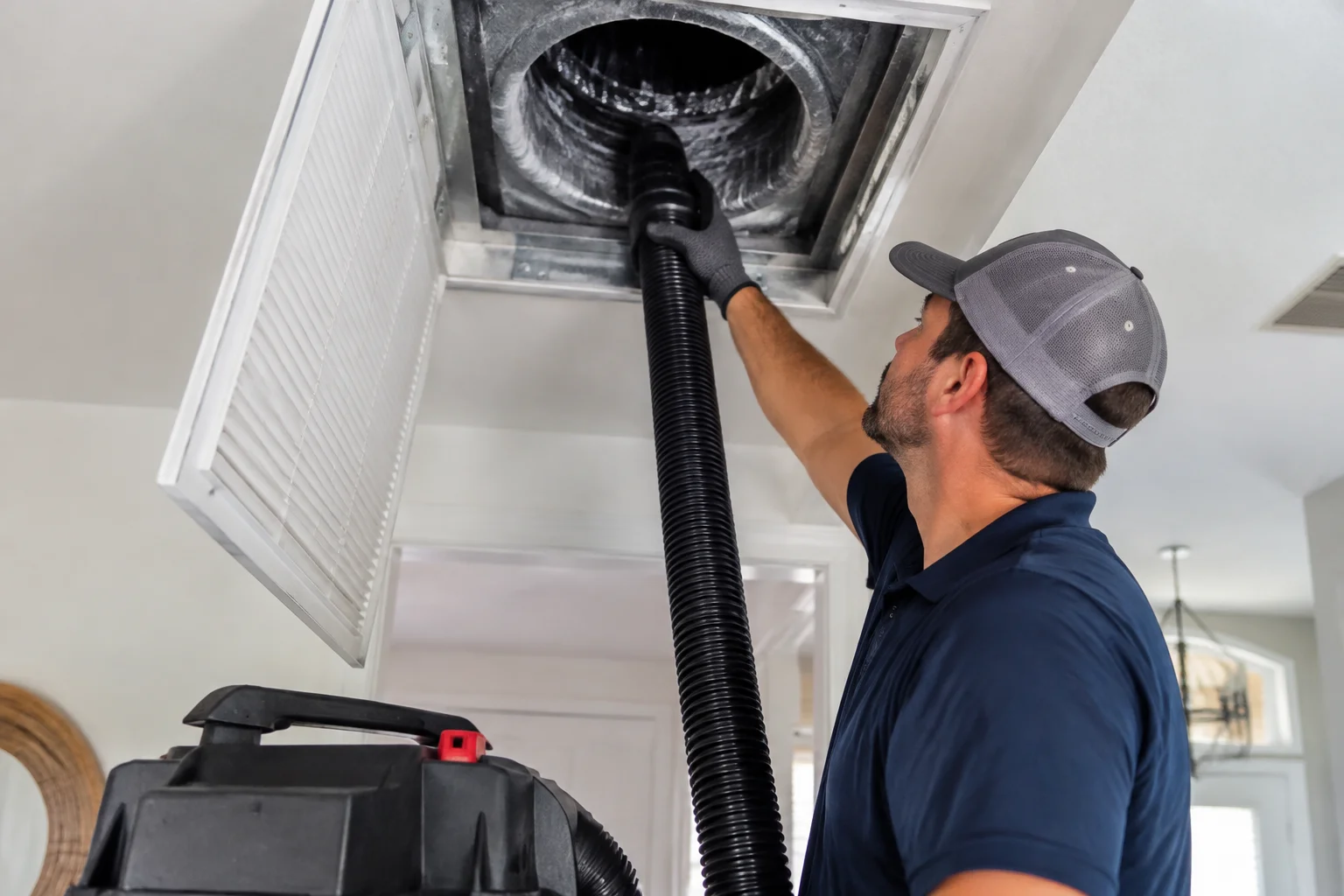
Airflow is the foundation of comfort. In VRF multi-zone systems, each indoor unit needs airflow to match its cooling or heating demand. Over time, dust, pollen, and debris can reduce airflow through filters, coils, and blower sections. If your home has ductwork, the distribution system can also accumulate buildup or develop leaks.
When airflow drops, the system may:
- Struggle to cool specific rooms consistently
- Cycle more frequently to maintain temperature
- Feel like it cools “sometimes” but not evenly
If you are noticing uneven temperatures between zones, it is worth reviewing airflow and duct performance. For homeowners in the area, you may find value in reading Blue Mountain Beach Homes and the Hidden Value of a Duct Inspection to understand how duct issues can affect comfort and indoor air quality.
2) Refrigerant system strain from everyday conditions
VRF relies on refrigerant moving through a network of piping to serve different zones. Wear and tear does not always mean a “refrigerant leak,” but it can still affect refrigerant system performance through clogged filters, restricted airflow across heat exchangers, or control responses that do not match real conditions.
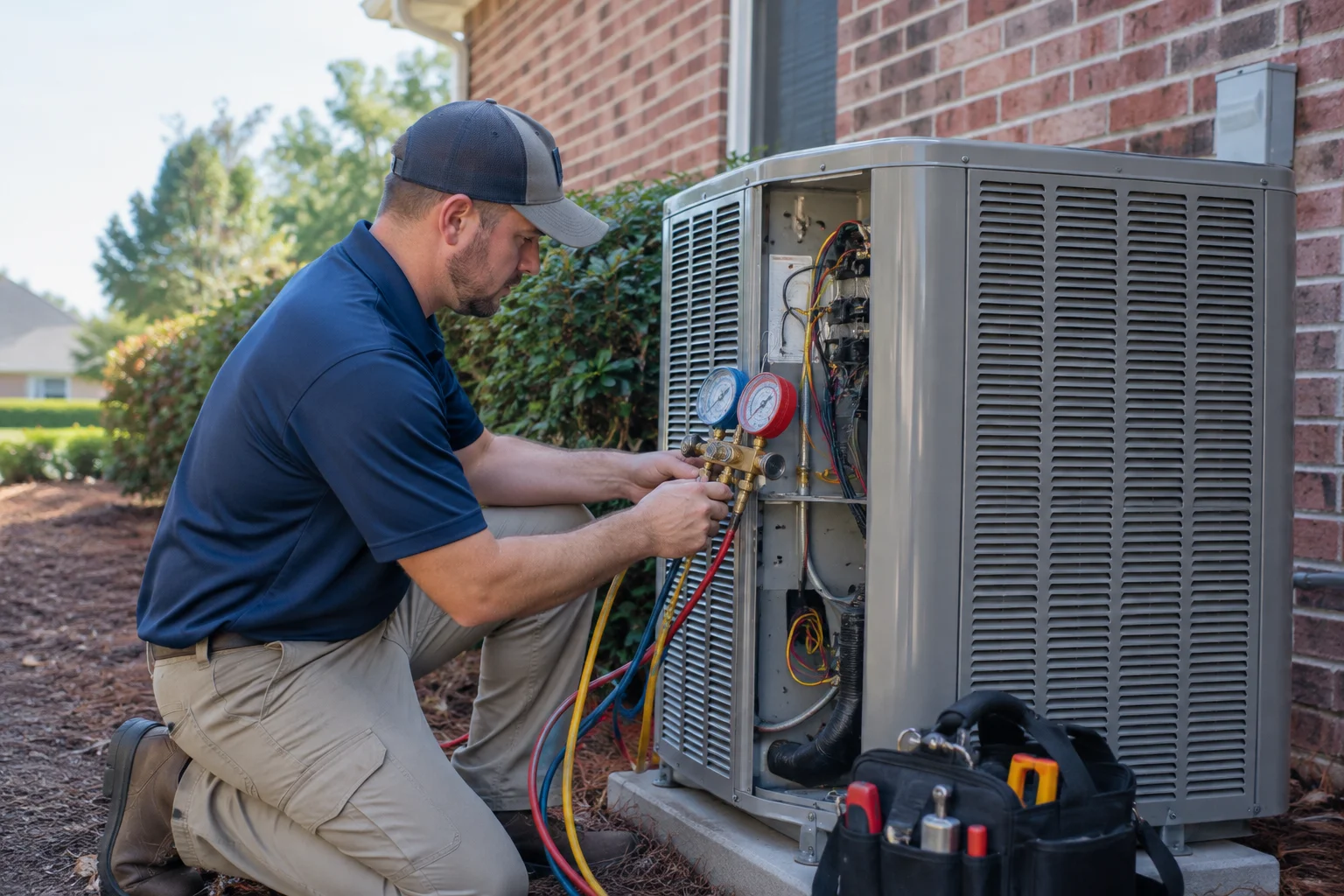
It is important to note that refrigerant issues should be evaluated by a licensed professional on-site. Homeowners should not attempt DIY refrigerant work or try to diagnose refrigerant problems based on symptoms alone. A qualified technician can inspect the system, verify operating conditions, and determine what is actually happening.
3) Condensate drainage and humidity-related buildup
In a humid Florida environment, condensate drainage is a major wear point. VRF indoor units remove moisture as they cool. If drainage is restricted, improperly sloped, or clogged with debris, condensate can back up.
That can lead to:
- Water-related issues around indoor units or ceilings
- Musty odors that worsen indoor air quality
- Increased risk of microbial growth when surfaces stay wet
Even if you do not see visible water, blocked or slow drainage can still contribute to comfort problems and air quality concerns. Keeping condensate drainage functioning correctly is part of preventive HVAC maintenance.
4) Thermostat and zone control wear
VRF multi-zone systems often manage comfort through thermostats and zoning logic. Over time, thermostat calibration can drift, sensors can get dirty, or communication can become less reliable.
Homeowners may notice:
- Temperature setpoints that do not match the room feel
- Zones that lag behind others
- Frequent changes that look like the system is constantly adjusting
Thermostat installation and configuration should be handled by a professional who understands how your VRF system is meant to control multiple zones. If you are searching for thermostat installation near me, choose a licensed HVAC contractor familiar with VRF controls.
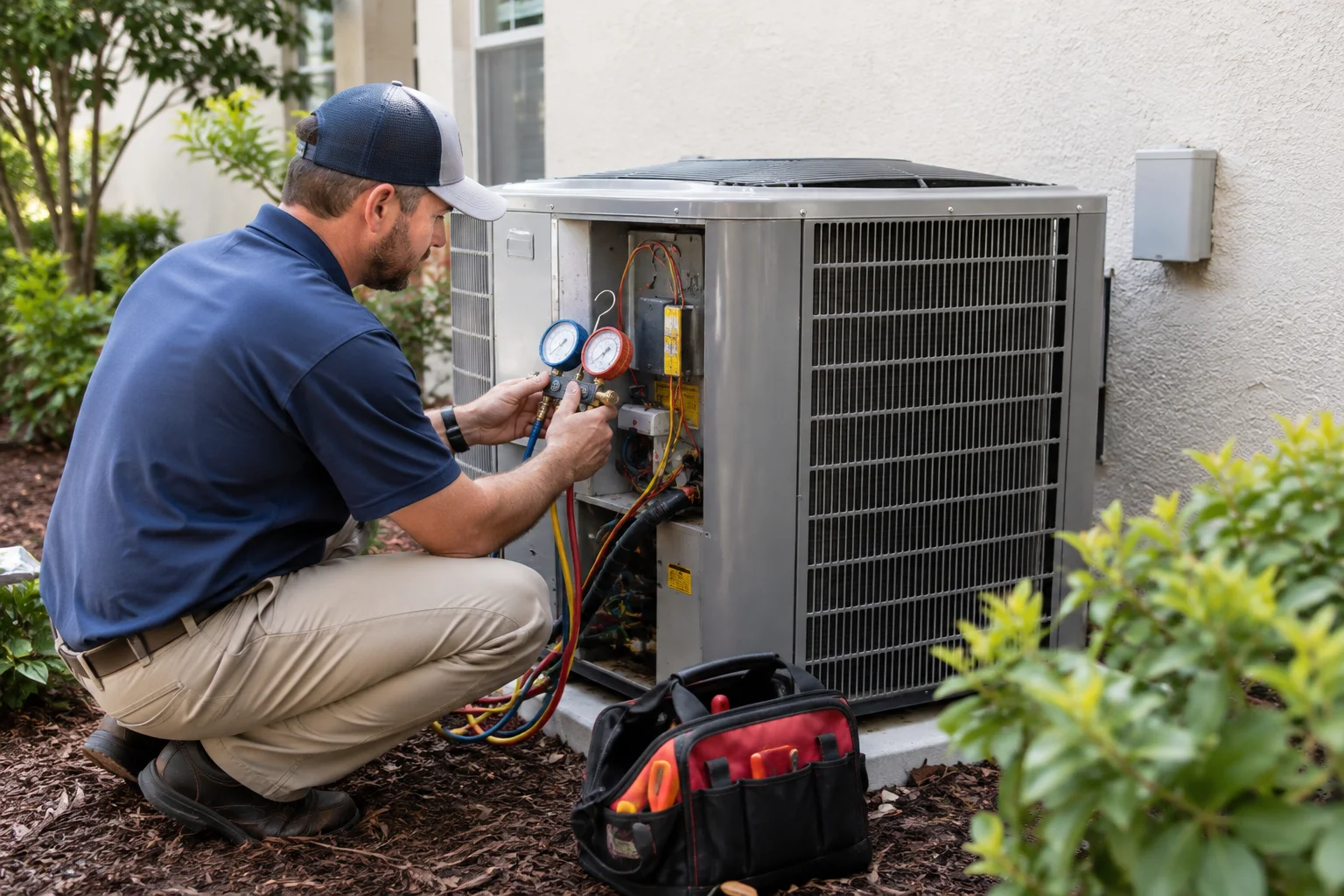
5) Outdoor unit exposure and coil performance
Coastal air means outdoor components can gather salt residue and corrosion byproducts. That does not always cause instant failure, but it can reduce heat transfer over time.
When outdoor coils and surfaces do not shed heat effectively, the system can:
- Run longer to reach comfort targets
- Increase energy use during humid summer conditions
- Struggle during peak cooling hours
Regular cleaning and inspection of outdoor components, along with careful attention to airflow clearance around the unit, helps protect performance.
Common VRF multi-zone symptoms homeowners notice
Wear and tear rarely announces itself as a single dramatic failure. More often, homeowners see patterns.
Uneven cooling between zones
One room feels cold while another stays warm, even when both are set to similar temperatures. This can point to airflow restrictions, ductwork issues, indoor unit cleanliness, or control imbalance across zones.
Long run times and higher energy use
If your VRF system runs more than usual, it can be a sign that coils or filters are dirty, airflow is restricted, or outdoor heat transfer is reduced. In Florida heat and humidity, those issues can become noticeable quickly.
Strange noises or vibration from indoor units
Fans and blowers move air through each zone. Worn bearings, debris in blower sections, or airflow imbalance can create unusual sounds. Addressing these early can prevent more expensive repairs later.
Moisture smells or signs of drainage issues
Musty odors, dampness near indoor units, or recurring humidity complaints can be tied to condensate drainage performance. Indoor air quality services may also be needed if moisture has affected air handling components.
Thermostat behavior that seems “off”
Frequent cycling, inaccurate temperature readings, or zones that do not respond as expected can be related to thermostat sensors, control settings, or system communication.
Why preventive HVAC maintenance matters for VRF systems
VRF multi-zone systems are complex, but preventive maintenance can reduce the likelihood of comfort interruptions. In Blue Mountain Beach, preventive care is especially valuable because humidity and salt air can make minor issues progress faster.
During an AC tune up near me or a scheduled HVAC maintenance near me visit, a professional should typically focus on system-wide performance and the specific wear points that affect VRF operation, such as:
- Indoor airflow checks for each zone, including filter and coil condition
- Verification of condensate drainage and moisture control
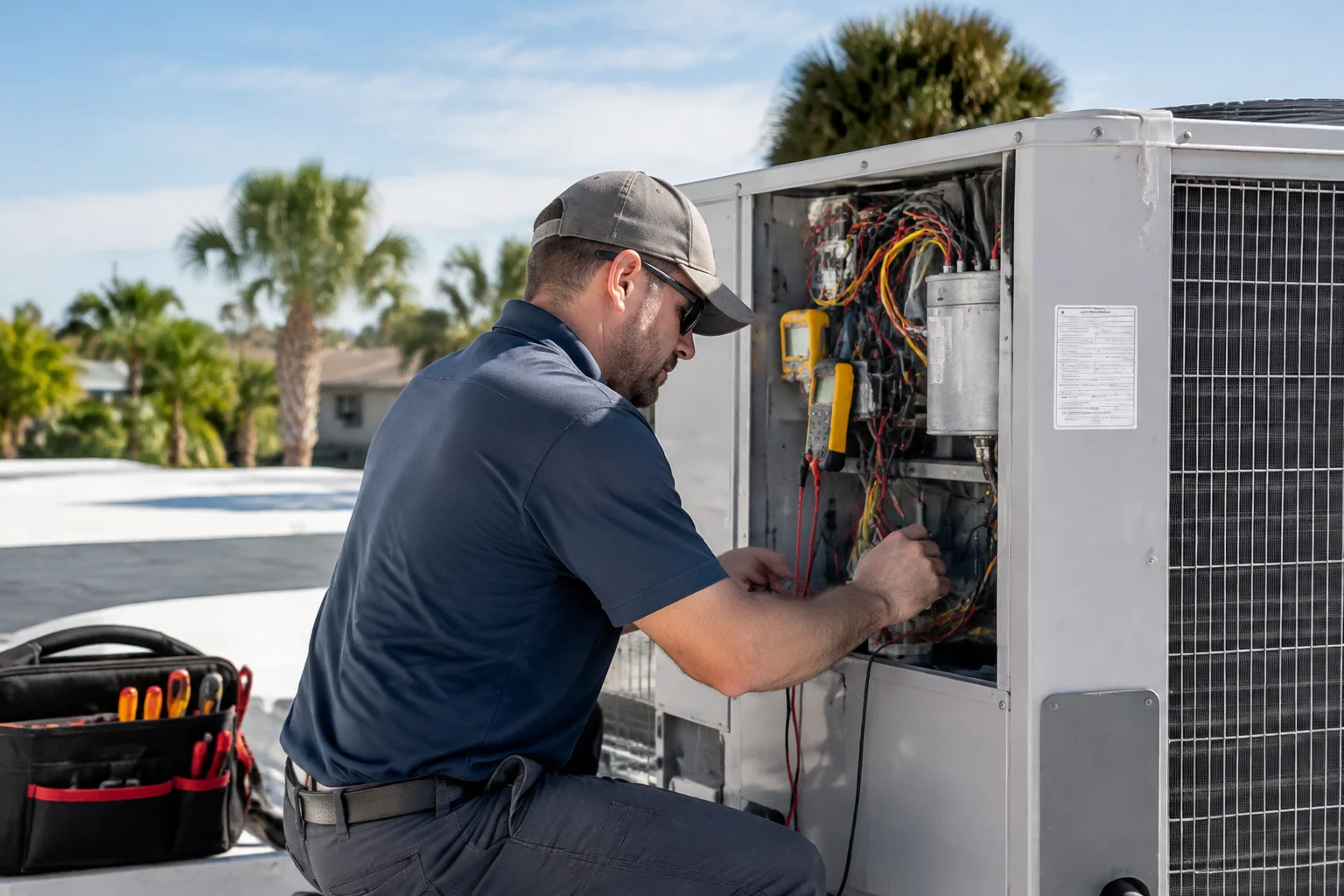
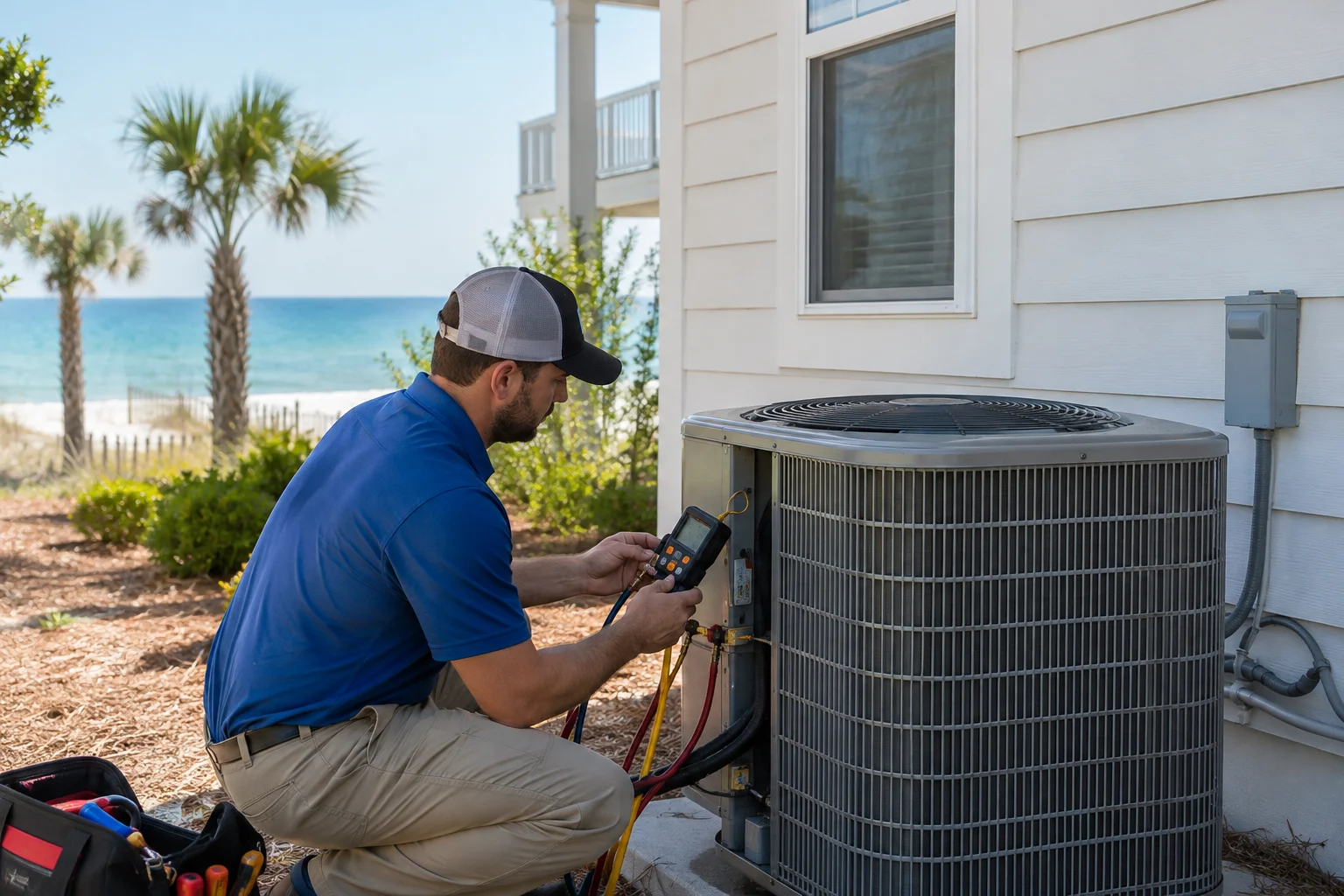
- Outdoor unit inspection for airflow clearance, coil condition, and corrosion-related wear
- Thermostat and control checks to confirm zone operation matches settings
- Airflow and comfort evaluation to support consistent temperatures
Homeowners may also benefit from pairing VRF maintenance with attention to ductwork. If your home has ductwork that serves or supports airflow distribution, duct performance can influence comfort and indoor air quality. You can explore related guidance in A Practical Look at VRF Multi-Zone Systems for Miramar Beach Homes and Why VRF Multi-Zone Systems Deserve a Closer Look in Sandestin Homes.
How ductwork and airflow connect to indoor air quality
Humidity is not the only issue. When airflow is reduced or moisture is not managed correctly, indoor air quality can suffer. In coastal Northwest Florida, homes may also collect pollen and airborne particles that enter the HVAC system.
For homeowners searching for duct cleaning near me or indoor air quality services near me, it helps to understand the relationship between VRF operation and air quality:
- Clogged filters and dirty coils can reduce airflow and increase dust circulation.
- Poor drainage can contribute to musty odors and microbial growth risk.
- Leaky or poorly balanced ductwork can bring uneven comfort and higher humidity in some rooms.
If you suspect indoor air quality issues, start with an air conditioning inspection that reviews airflow, moisture control, and how your VRF system is performing across zones. That is often more effective than guessing.
When problems start affecting safety and emergency cooling
Blue Mountain Beach summers can be intense, and when a VRF system is not keeping up, it can quickly become uncomfortable and potentially unsafe for vulnerable household members.
Look out for emergency cooling concerns such as:
- Multiple zones failing to cool during peak heat
- Repeated shutdowns or system lockouts
- Rapid temperature rise in bedrooms or occupied areas
- Visible water leakage associated with indoor units
If you are dealing with emergency AC repair near me needs, you want a licensed HVAC contractor that can evaluate the system promptly and recommend the right next step. VRF systems have many moving parts, so a careful on-site assessment is essential.
Repair versus replacement: what homeowners should know
Wear and tear can lead to repairs, but it can also reveal deeper system performance limitations. Deciding between repair and HVAC replacement near me is not something homeowners should try to estimate from symptoms alone.
A Superior Mechanical can evaluate system condition during an in-person visit, considering:
- How many zones are affected and whether the issue is localized or system-wide
- Whether airflow and moisture control problems are driving repeated comfort failures
- How the outdoor unit is handling heat transfer in coastal conditions
- Thermostat and control behavior across zones
- Whether ductwork performance is limiting comfort
For homeowners exploring long-term options, it can also help to review How DeFuniak Springs weather can wear on VRF multi-zone systems over time to understand how local climate patterns can influence system aging across Walton County.
Small maintenance habits homeowners can do between service visits
Homeowners cannot replace professional care, but a few practical steps can reduce strain on VRF multi-zone systems:
- Keep indoor unit areas clear: Avoid blocking vents or airflow pathways near indoor units.
- Replace filters as recommended: Dirty filters reduce airflow and can worsen humidity control.
- Watch for moisture signs: Musty smells, damp spots, or recurring condensation around indoor units should be addressed promptly.
- Maintain thermostat settings consistently: Frequent changes can complicate zoning behavior, especially if the system is already struggling with airflow.
- Schedule seasonal checkups: A practical plan for HVAC maintenance near me helps catch issues before the hottest weeks.
These steps support comfort and air quality, but they do not replace a full inspection of refrigerant systems, condensate drainage, and airflow performance.
Why choosing a local HVAC team matters in Walton County
VRF multi-zone systems require expertise because the system is designed to manage multiple zones through coordinated refrigerant and airflow control. In a coastal area like Blue Mountain Beach, local experience also helps technicians understand how salt air and humidity can accelerate wear on outdoor and indoor components.
When you work with a licensed HVAC contractor near me, you are more likely to get:
- Inspections tailored to humidity, airflow, and drainage realities in the area
- Comfort-focused troubleshooting across zones rather than isolated fixes
- Clear recommendations based on an on-site evaluation, not guesses
If your system needs service, you can explore options like VRF multi-zone systems for Blue Mountain Beach homes, and you can also browse the broader service area at the Blue Mountain Beach HVAC page and Walton County HVAC services.
For homeowners considering upgrades, it may also help to compare installation and performance pathways through Air Conditioning Installation. And if ductwork is part of your comfort challenge, review Duct Replacement when duct performance is limiting airflow.
VRF systems can deliver precise comfort and efficient operation when they are maintained properly. With the right care, your zones can stay comfortable even as Florida heat, humidity, and coastal air push your system through another season.
Find VRF Multi-Zone Systems in Blue Mountain Beach, FL
If you need VRF Multi-Zone Systems in Blue Mountain Beach, FL, visit our local service page or contact A Superior Mechanical today.
Map of Blue Mountain Beach, FL
Frequently Asked Questions
How does humidity in Blue Mountain Beach affect VRF multi-zone systems?
Humidity increases condensate production during cooling. If condensate drainage is restricted or indoor airflow is reduced, moisture can build up, contributing to musty odors, comfort issues, and indoor air quality problems.
Why do some rooms stay warmer than others in a VRF multi-zone home?
Uneven cooling often relates to airflow restrictions, dirty filters or coils, ductwork performance, or zone control settings. A technician should inspect each zone because the cause can differ from room to room.
Can I tell if my VRF system has a refrigerant problem from symptoms alone?
Symptoms can overlap with airflow or control issues. A refrigerant diagnosis requires an on-site professional evaluation. Homeowners should avoid DIY refrigerant work and focus on scheduling an air conditioning inspection.
What should I include in preventive HVAC maintenance for VRF systems?
Ask a licensed HVAC contractor to check indoor airflow and coil condition for each zone, verify condensate drainage and moisture control, inspect the outdoor unit for airflow clearance and coastal corrosion-related wear, and confirm thermostat and zone control operation.
When is emergency AC repair necessary?
If multiple zones fail to cool during extreme heat, the system repeatedly shuts down, or you notice water leakage tied to indoor units, treat it as an urgent cooling concern and contact an HVAC professional promptly.
Related Articles
Photo Gallery