Grayton Beach homes handle a unique mix of Florida heat, high humidity, and salt air. Your air conditioner has to cool efficiently while also managing moisture and keeping airflow steady through ductwork. A smart air conditioning inspection goes beyond a quick look at the thermostat. It checks how your refrigerant system operates, how air moves, how condensate drainage performs, and whether indoor air quality is being protected.
If you are searching for an air conditioning inspection in Grayton Beach, FL, this guide will help you understand what a thorough inspection includes and why it matters for reliable cooling through summer in Walton County.
Why Grayton Beach AC inspections need a different focus
In Grayton Beach, the weather can turn humid quickly, and coastal air can add corrosive stress to HVAC components over time. That means inspection priorities often include corrosion risk, airflow restrictions, and moisture management. Even when your system is “running,” it may not be cooling evenly, removing humidity properly, or operating at the efficiency you expect.
Many homeowners start with an HVAC company near me search when they notice comfort problems such as:
- Rooms that feel warmer than others
- Air that feels cool but not “dry”
- Uneven airflow from vents or weak returns
- Musty odors when the system cycles
- Frequent cycling or short run times
- Water around the indoor unit or signs of condensate overflow
Those symptoms can point to airflow issues, ductwork problems, humidity control breakdowns, or refrigerant system concerns. A professional inspection helps sort out which issue is most likely, instead of guessing.
Cooling performance: what a smart inspection evaluates
A proper inspection looks at how your air conditioner handles cooling demand in Florida heat. Cooling performance is not only about temperature. It also includes system stability, airflow delivery, and moisture removal.
1) Thermostat behavior and cooling demand
Start with the thermostat. The inspection should confirm that the thermostat is reading correctly and that it is calling for cooling as expected. Homeowners often assume a thermostat is “fine” because it turns the system on. But if temperature sensing is off, or if settings are preventing the system from running long enough, humidity removal can suffer.
Ask your technician to review thermostat operation, including fan settings and how the system responds during cooling cycles. If you have a heat pump, the inspection should also confirm correct mode operation.
2) Refrigerant system operation and airflow matching
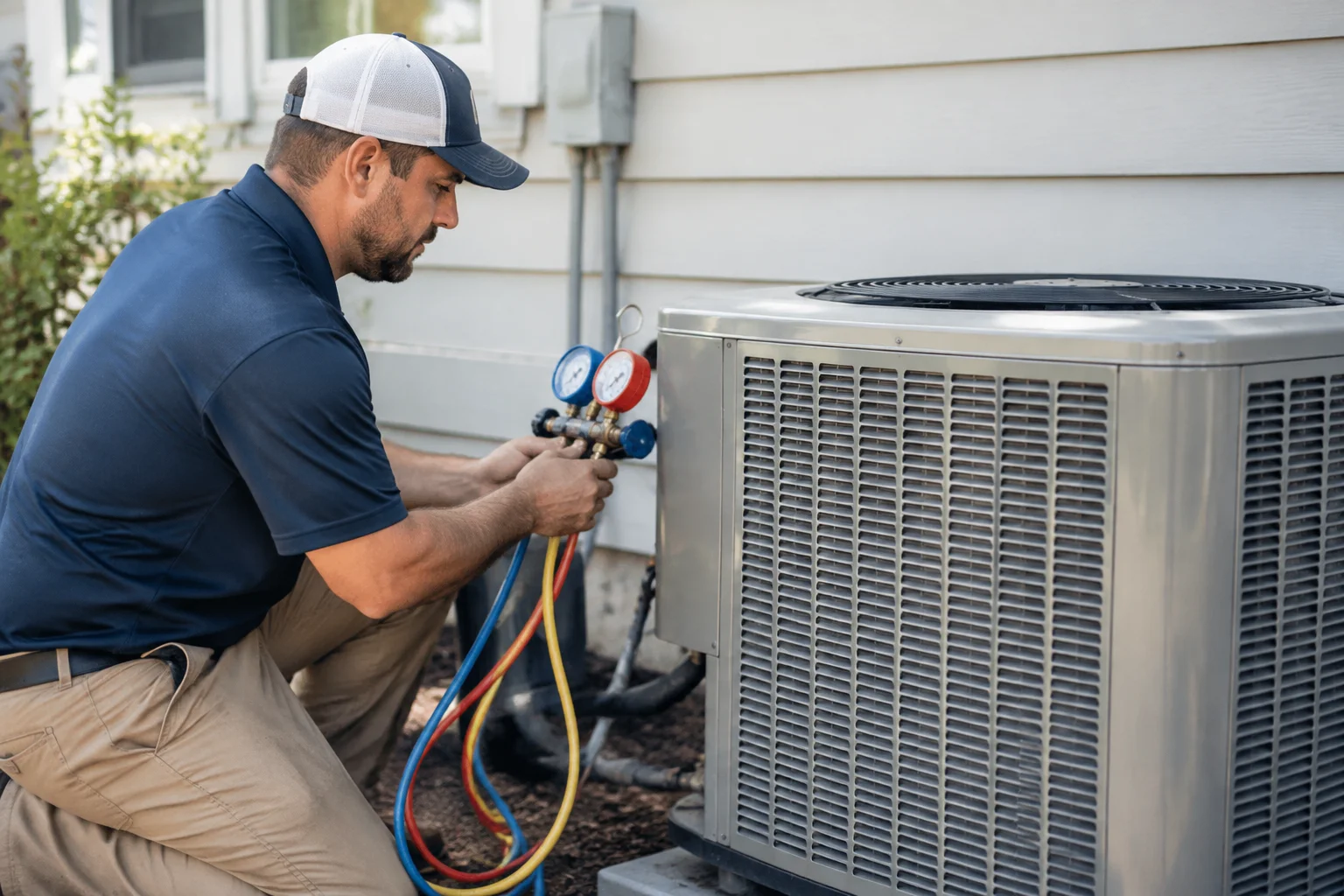
Your refrigerant system and your airflow need to work as a matched team. If airflow is restricted, the system can struggle to exchange heat properly. A thorough inspection will check for airflow-related causes before drawing conclusions about refrigerant.
Important note for homeowners: refrigerant issues should not be diagnosed or “fixed” through guesswork. Only an in-person professional evaluation can determine whether refrigerant service is appropriate. The right inspection process focuses on system operation, component condition, and airflow first.
3) Condensate drainage and moisture management
In humid coastal Florida, condensate drainage matters. When the indoor coil sweats, condensate must drain correctly. If condensate drainage is partially blocked, the system can back up water, increase indoor humidity, or contribute to odors and comfort problems.
A smart inspection includes checking condensate drainage paths and ensuring the system is handling moisture as intended. If you notice water near the indoor unit, signs of leaks, or recurring dampness, those are strong reasons to schedule an air conditioning service inspection promptly.
Airflow: the most common “it runs but it does not cool well” problem
Many Grayton Beach comfort complaints trace back to airflow. Airflow affects cooling, humidity control, and energy use. If air cannot move through the system efficiently, the air conditioner may run longer, feel less comfortable, and wear out components faster.
What an inspection should cover in ductwork and vents
Airflow inspection often includes:
- Checking supply and return airflow paths
- Inspecting ductwork for visible issues such as loose connections or damaged sections
- Reviewing whether some rooms consistently receive less airflow
- Assessing filter condition and filter compatibility
- Confirming that indoor blower operation supports proper air movement
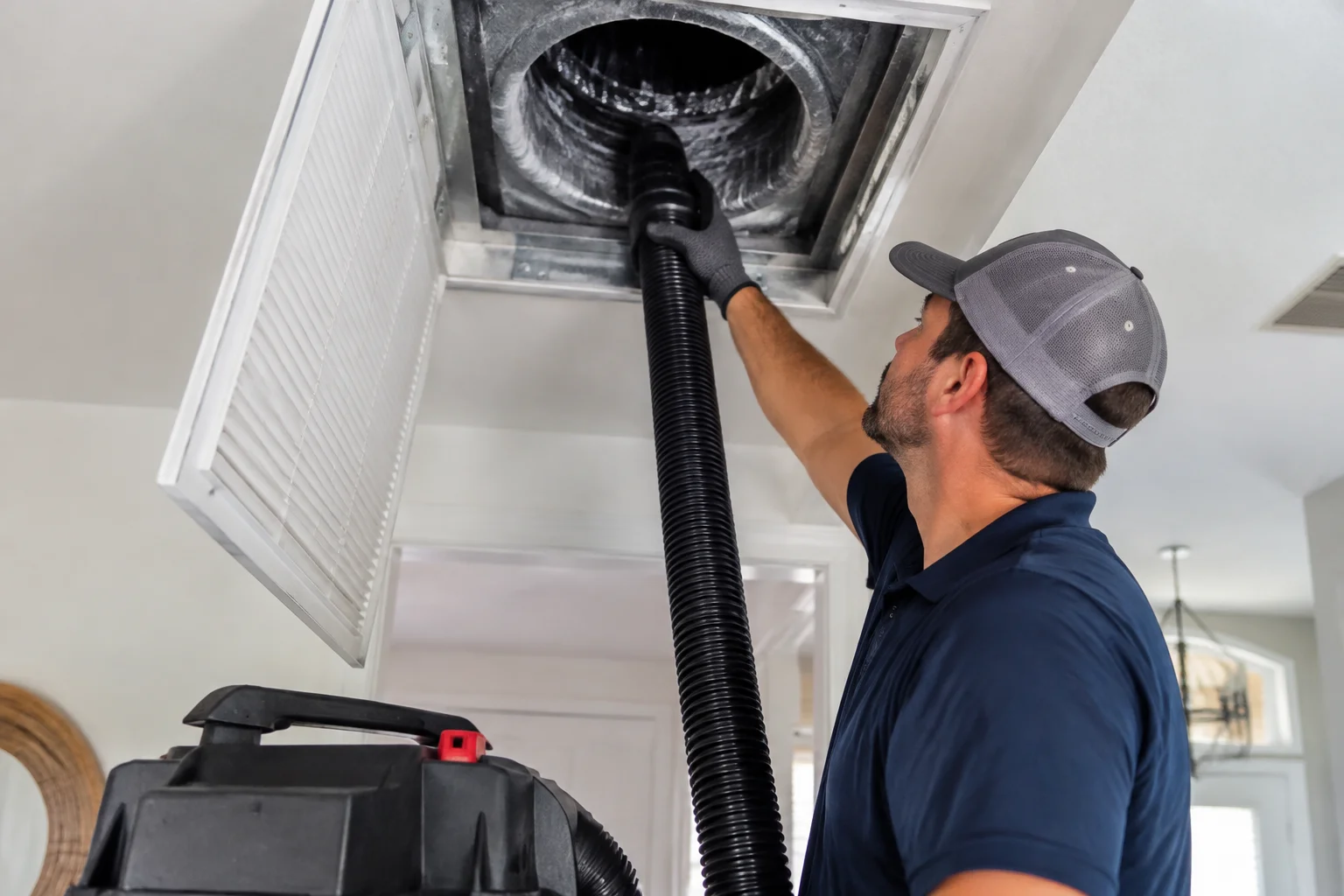
If you have recurring hot spots or weak airflow, consider reading about duct cleaning and, when appropriate, duct replacement options. Ductwork problems can be subtle, and they are often missed when the focus is only on the outdoor unit.
Airflow and energy use in Florida heat
When airflow is restricted, the system can spend more time trying to reach the thermostat set point. That can increase energy use and push the system toward wear. A professional inspection helps identify whether the issue is airflow, humidity removal, or another part of the system.
Humidity control: comfort is not just temperature
Grayton Beach humidity can make indoor air feel sticky even when the thermostat shows a “cool” temperature. A well-functioning air conditioner should remove moisture as it cools. If humidity control is failing, you may notice condensation on windows, a damp feel, or musty smells.
How humidity problems show up
Homeowners often describe:
- Air that feels cold but not comfortable
- Higher indoor humidity than expected
- Condensation where it should not be forming
- Drywall or trim that seems to hold moisture
- Allergies or respiratory irritation that worsens during cooling season
These symptoms can connect to airflow restrictions, condensate drainage issues, thermostat settings, or coil performance. A professional inspection helps identify the most likely cause.
Indoor air quality connections
Humidity and airflow affect indoor air quality. If your system is not removing moisture and filtering air effectively, you may need stronger filtration support. You can also explore air filtration and purifiers as part of a broader indoor air quality plan.
During an inspection, ask how your current filtration setup performs and whether your system is properly moving air through the filter. Indoor air quality services near me searches often lead homeowners to filtration, but filtration works best when the HVAC system airflow is correct.
Salt air and coastal corrosion: what to look for during inspection
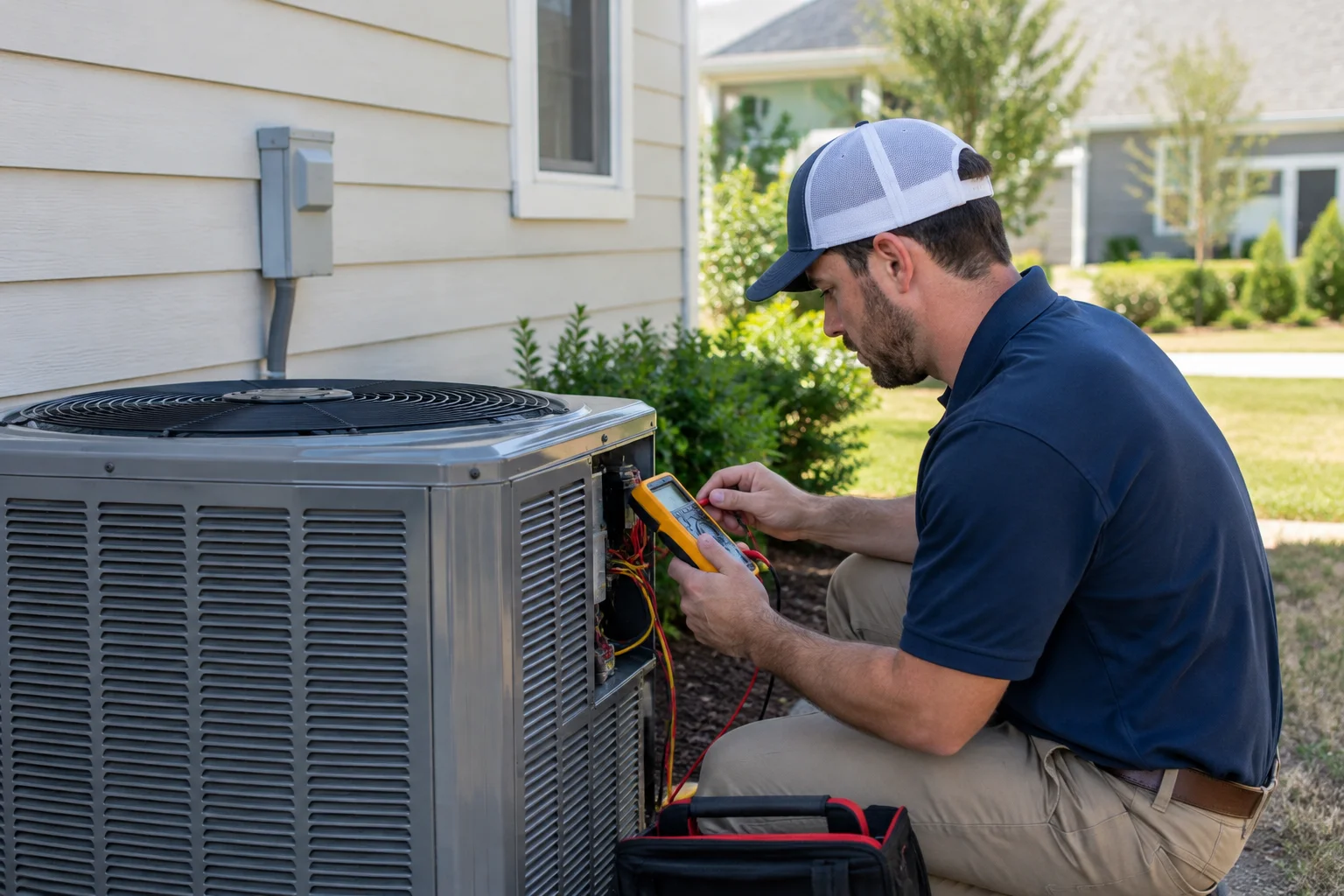
Salt air can accelerate corrosion on outdoor components. Over time, that can impact airflow across the coil, fan performance, and overall system reliability. A smart inspection includes checking for corrosion, coating condition, and whether airflow around the outdoor unit is being blocked.
Homeowners can help by ensuring shrubs and landscaping do not crowd the outdoor unit and by keeping the area around it clear. Still, corrosion is best assessed by a technician during an air conditioning inspection in Walton County.
Common AC inspection findings in Grayton Beach homes
While every home is different, these findings show up frequently in coastal Florida:
- Dirty or obstructed airflow paths that reduce cooling and humidity removal
- Filter and airflow mismatch that can cause poor performance
- Condensate drainage concerns that lead to moisture issues
- Ductwork leaks or imbalances that create hot spots and uneven comfort
- Thermostat or control settings that prevent proper cycle timing for moisture removal
- Coastal corrosion affecting outdoor components
If your home has a heat pump, inspection priorities can also include verifying correct mode operation and ensuring airflow supports both cooling and heating performance. For homeowners thinking about pairing comfort improvements with HVAC maintenance, it can also help to review heating control systems to ensure your thermostat and controls are working together with your equipment.
Prevention: what homeowners can do between inspections
You can reduce the odds of a mid-summer breakdown with small, consistent steps. Preventive HVAC maintenance is not only about calling for service. It is also about protecting airflow, cleanliness, and moisture control.
Airflow and filtration habits that help
- Change or clean filters on schedule and use the correct filter type and size.
- Keep registers and returns unobstructed by furniture, curtains, or storage.
- Watch for recurring hot spots or weak airflow in specific rooms.
Humidity and moisture observations
- Check for water near the indoor unit or signs of condensate overflow.
- Look for musty odors that appear when cooling starts.
- Monitor comfort during humid stretches. If it feels clammy, schedule an inspection.
Outdoor unit protection in coastal conditions
- Keep landscaping trimmed so air can move freely around the outdoor unit.
- Remove debris that can block airflow.
- Do not paint or cover components unless a technician recommends it for your specific situation.
If you are planning energy-conscious upgrades, remember that airflow and humidity control directly affect energy use. An inspection can show whether your system is operating efficiently or struggling due to airflow restrictions or moisture-related issues.
When to call for AC repair or emergency cooling help
Some issues are safe to schedule during normal hours, while others can become an emergency cooling concern, especially during peak heat and humidity.
Call for AC repair soon if you notice
- Weak airflow with unchanged thermostat settings
- Frequent cycling or short run times
- Warm air blowing from vents
- Rattling, buzzing, or grinding noises during operation
- Musty odors or signs of moisture around indoor equipment
- Visible water leakage or condensate overflow
Consider emergency AC repair near me if
- The system stops cooling entirely during extreme heat
- There is active water leakage or equipment failure that prevents safe operation
- Air quality concerns escalate quickly due to system malfunction
Even if the problem seems “small,” a malfunctioning air conditioner can become more costly as it affects comfort, humidity, and indoor air quality. An HVAC contractor near me can help you prioritize the most immediate risks.
How a pro inspection can prevent bigger problems later
Preventive HVAC maintenance can catch issues before they turn into major failures. A thorough air conditioning inspection helps identify performance problems such as airflow restrictions, humidity control breakdowns, and moisture drainage concerns. It also helps protect the refrigerant system by ensuring airflow and operating conditions are stable.
For homeowners who want to understand the process in more detail, these guides may be helpful:
- Protecting 30A Homes Starts With a Better Air Conditioning Inspection
- Seagrove Beach Comfort Clues That Point to a Better Air Conditioning Inspection
- What to Expect From Air Conditioning Inspection in Parker, FL
- What Laguna Beach Homeowners Should Know About Air Conditioning Inspections and Catching Problems Early
If your system is older or you are considering HVAC replacement near me options, inspections also help you understand whether repairs are likely to restore comfort and efficiency or whether a replacement conversation makes sense after an in-person evaluation. Only a technician who inspects the system can guide that decision appropriately.
Choosing A Superior Mechanical for air conditioning inspection in Grayton Beach
Local residential HVAC service matters because coastal conditions in Walton County change how equipment performs over time. An inspection should be tailored to your home’s comfort symptoms, ductwork layout, humidity challenges, and equipment type, including heat pumps when applicable.
To schedule or learn more, visit A Superior Mechanical’s AC inspection page for Grayton Beach. You can also explore services across Grayton Beach and browse options at the broader Walton County service area level.
When you are dealing with Florida heat, humidity, and salt air, a smart inspection can be the difference between steady comfort and repeated AC repair calls.
Find Air Conditioning Inspection in Grayton Beach, FL
If you need Air Conditioning Inspection in Grayton Beach, FL, visit our local service page or contact A Superior Mechanical today.
Map of Grayton Beach, FL
Frequently Asked Questions
How often should a Grayton Beach home get an air conditioning inspection?
Many homeowners schedule an inspection before peak cooling season and again if they notice comfort problems such as poor airflow, high humidity, or musty odors. If your system has struggled during humid weeks, an inspection sooner can help prevent escalation.
Can airflow problems cause humidity and indoor air quality issues?
Yes. When airflow is restricted, the system may not remove moisture effectively, which can leave rooms feeling clammy and can contribute to indoor air quality concerns. A professional inspection checks airflow paths, ductwork, and system operation together.
What should technicians check for condensate drainage during an inspection?
A thorough inspection looks at whether condensate drains properly through the correct pathways and whether drainage issues could be causing water around the indoor unit or elevated indoor humidity. If you see leaks or overflow, get it evaluated promptly.
Is it safe to add refrigerant if the AC does not seem to cool well?
Refrigerant should not be added based on guesswork. An in-person professional evaluation is needed to determine whether refrigerant service is appropriate and to confirm that airflow and system operation do not have another root cause.
When should I treat AC problems as an emergency cooling concern?
If the system stops cooling entirely during extreme heat, or if you have active water leakage or equipment failure that prevents safe operation, emergency cooling help may be necessary. Otherwise, schedule AC repair or an inspection as soon as possible when you notice recurring comfort issues.
Related Articles
- Seagrove Beach Comfort Clues That Point to a Better Air Conditioning Inspection
- What to Expect From Air Conditioning Inspection in Parker, FL
- What Laguna Beach Homeowners Should Know About Air Conditioning Inspections and Catching Problems Early
- Protecting 30A Homes Starts With a Better Air Conditioning Inspection
Photo Gallery