Ceiling fans work hard in Lower Grand Lagoon homes. They help move humid air, support comfort during long Florida summers, and reduce strain on cooling systems. But fans also depend on safe wiring, solid boxes, proper switches, and a panel that can handle the load. When any of those parts start to fail, a small annoyance can turn into an emergency electrical call.
For homeowners in Lower Grand Lagoon, smarter electrical maintenance starts with the fan itself and the system behind it. Salt air, storms, older wiring, remodels, and added living spaces can all affect how ceiling fans perform. A little attention now can help avoid breaker trips, buzzing switches, loose mounts, and unsafe wiring later.
Why ceiling fans deserve regular electrical attention
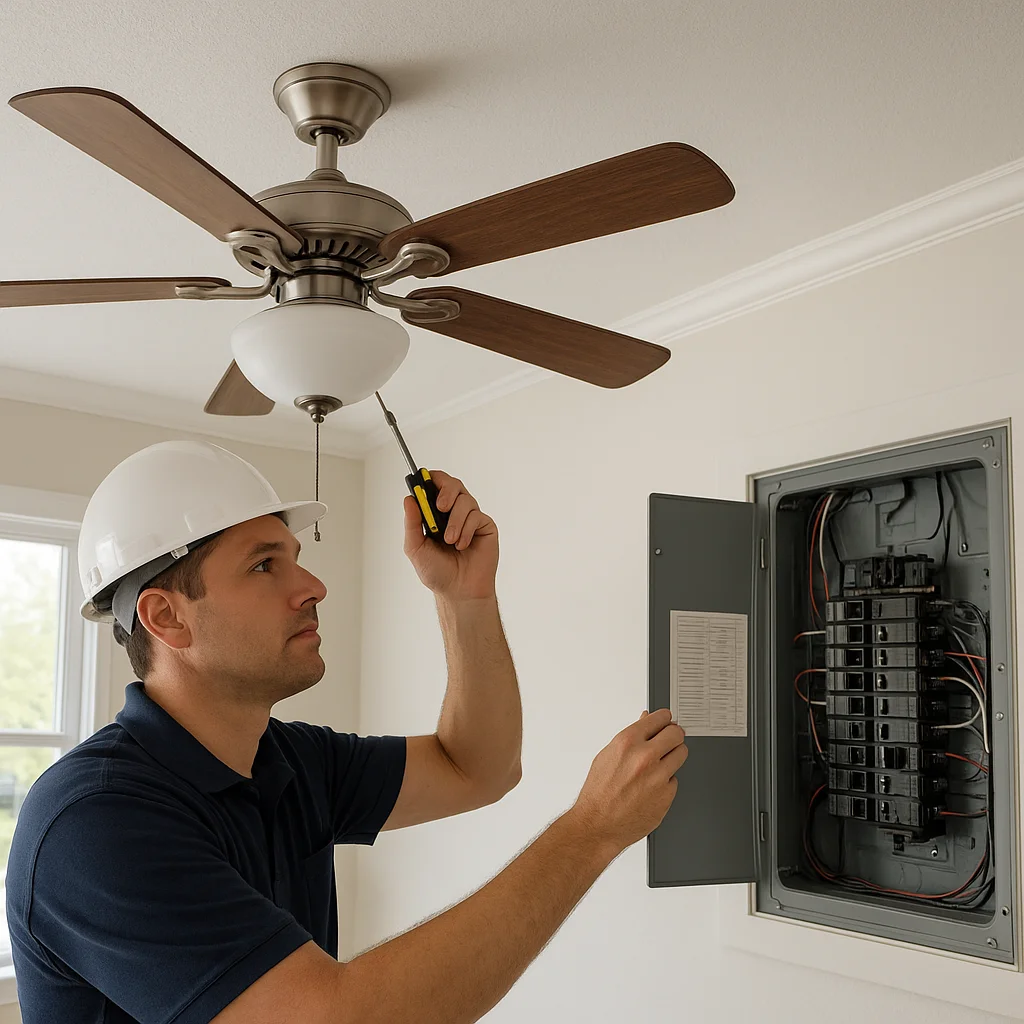
Many people think of ceiling fans as simple fixtures, but they rely on several electrical components working together. The fan needs a properly rated ceiling box, correct support, secure wiring connections, the right switch, and enough circuit capacity. If one part is undersized or worn out, the fan can wobble, hum, flicker lights, or stop working completely.
That matters even more in coastal Bay County homes. Moisture and salt can wear on fixtures faster than in inland areas. In older homes, fans may also be tied into aging circuits, outdated switches, or wiring that was never intended for today’s electrical demand. In newer homes and remodels, a fan may be installed where a light fixture once was, but the box or wiring may not be rated for the weight and movement of a fan.
If you are comparing local electrical help, it is smart to work with an electrical services team that understands how ceiling fans fit into the larger electrical system. That is especially important when a fan issue may really point to a breaker, outlet, switch, or wiring problem elsewhere in the home.
Small warning signs that often come before a bigger repair
Ceiling fan problems do not usually start with a complete failure. They often begin with subtle changes that homeowners notice and then ignore. A fan that starts slowly, hums louder than usual, flickers when the lights are on, or needs the pull chain tugged several times may have a loose connection or a failing control.
Other clues include a burning smell, a warm switch plate, a fan that wobbles after a seasonal cleaning, or a breaker that trips when the fan and other fixtures run together. If your fan is on the same circuit as several lights or outlets, that added demand can expose an overloaded branch circuit. In some homes, especially where additions or rental updates were done over time, the issue may be deeper than the fixture itself.
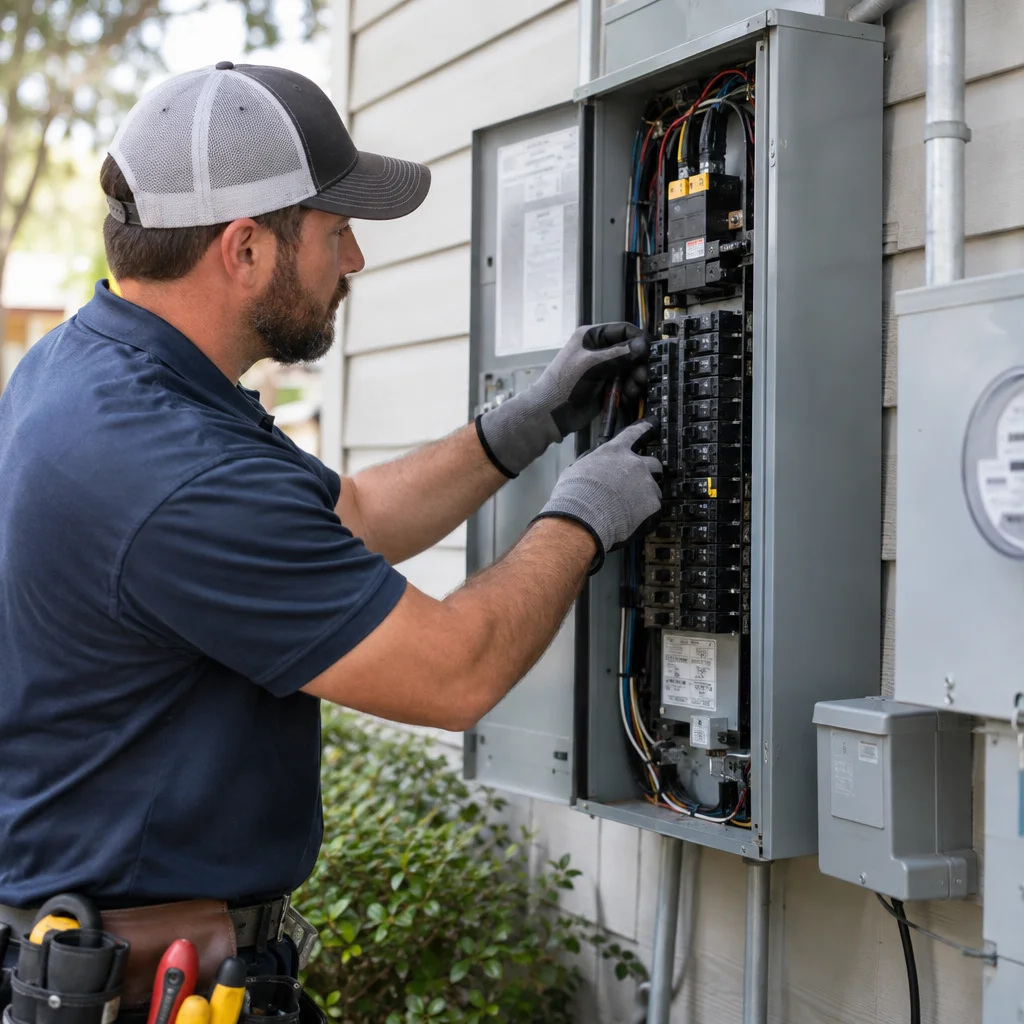
When a ceiling fan problem appears alongside outlet trouble, dimming lights, or breaker issues, homeowners searching for electrical panel replacement near me or electrical repair near me may be dealing with a larger capacity or wiring concern. A local electrician can test the circuit, inspect the fan box, and confirm whether the problem is isolated or part of a broader electrical issue.
What coastal weather does to ceiling fan wiring and controls
Lower Grand Lagoon weather can be tough on electrical equipment. High humidity, storms, power surges, and salt exposure can shorten the life of switches, remote receivers, and fan controls. Even if the fan itself looks fine, the wiring above the ceiling can loosen over time from vibration or settling. That can create intermittent problems that show up only when the fan is running at higher speeds or when the lights are switched on.
Storm season also brings another layer of risk. Power flickers and surges can damage fan motors, wall controls, and smart receivers. If your home has not been evaluated for surge protection, the same storm that causes fan trouble can also affect appliances, outlets, and sensitive electronics. That is why many homeowners pair fan maintenance with whole-home protection and an electrical inspection near me search when they want a broader safety check.
In some cases, a fan issue may reveal that the home needs better grounding, updated GFCI protection, or a circuit correction. Those details matter in a coastal area where moisture and weather can increase electrical risk.
Simple maintenance that helps keep fans out of emergency territory
Most ceiling fan maintenance is straightforward, but it should be done carefully. Start by turning the fan off and checking for dust buildup on the blades. Heavy dust can throw off balance and strain the motor. Look at the mounting hardware for looseness, and make sure the fan does not sway excessively when running.
Check wall controls and remote functions too. If the fan only works at certain speeds, reacts slowly, or the light kit flickers, the issue may be in the switch, receiver, or wiring connections. Homeowners who search for ceiling fan wiring near me often discover the problem is not the motor at all, but a loose splice or an outdated control that needs replacement.
It also helps to pay attention after seasonal changes, storms, or home projects. A fan that was fine before a remodel might not be fine after new lighting, a wall moved, or a circuit changed. If you have recently updated a room, added recessed lighting, or replaced switches, the fan may need a wiring review to make sure the circuit is still balanced and code compliant.
When a fan should be checked by a professional
Call a licensed electrician if the fan wobbles after basic cleaning, trips the breaker, buzzes, smells hot, or has a switch that feels warm. You should also get help if the fan was installed on a box that was meant for a light fixture only, or if the fan is mounted in a room that has been remodeled without a clear record of the wiring changes.
That is especially true in homes where an outlet repair near me search or a light switch installation near me request is paired with fan trouble. Those symptoms can point to a shared circuit issue, a damaged conductor, or an overloaded control. A professional can test the branch circuit, verify box support, and confirm that the fan is safe to keep using.
Why panel capacity and circuit planning matter for fans
Ceiling fans do not use much power by themselves, but they are part of the overall electrical load in the home. In Lower Grand Lagoon, that load often includes lighting, kitchen appliances, laundry equipment, pool equipment, and outdoor systems. When older panels are already near capacity, even a small fixture issue can expose a larger problem.
If your home has added fans, new lighting, or a room addition, it may be time to look at the panel and circuits together. Homeowners searching for electrical panel upgrade near me are often trying to solve nuisance tripping, outdated breaker sizing, or room additions that outgrew the original service. A panel review can also help determine whether the fan should be moved to a dedicated circuit or tied into a different branch that better matches the load.
That same planning is useful for homeowners considering Dedicated Circuits for Appliances elsewhere in the home. When the electrical system is organized well, ceiling fans, lights, outlets, and major appliances are less likely to compete for power.
Ceiling fans and code compliance in older and newer homes
Older homes in Bay County may have original wiring that was never designed for today’s fan controls or heavier fan fixtures. In those homes, an old box, shared neutral, or outdated switch can create problems that do not show up until the fan is used regularly. In some cases, knob and tube wiring replacement or old wiring replacement near me searches are really about more than one fixture. They are about bringing the entire home up to a safer standard.
Newer homes can also have issues if fans were added during a remodel or if a contractor used the wrong box or skipped a proper fan-rated support bracket. That is why code compliance matters. A ceiling fan should be anchored correctly, wired with approved connections, and matched to the room’s circuit and control type. If the home has smart controls, dimmers, or integrated LED lighting, the electrician should confirm compatibility before the fan is put into regular use.
For homeowners who want a broader home safety check, a local home safety inspection electrician near me search can uncover fan issues, outlet concerns, loose switches, missing GFCI protection, and other hazards before they become urgent.
Local upgrades that make ceiling fan problems less likely
Ceiling fan maintenance often makes more sense when it is part of a larger electrical plan. In Lower Grand Lagoon, that may include surge protection for storm season, updated smoke detector installation, lighting installation, outlet repair, and wiring repair in rooms that have been renovated or expanded. If your home uses remote-controlled fans, smart switches, or integrated lighting, it is worth checking whether the control system is still a good fit for the fixture.
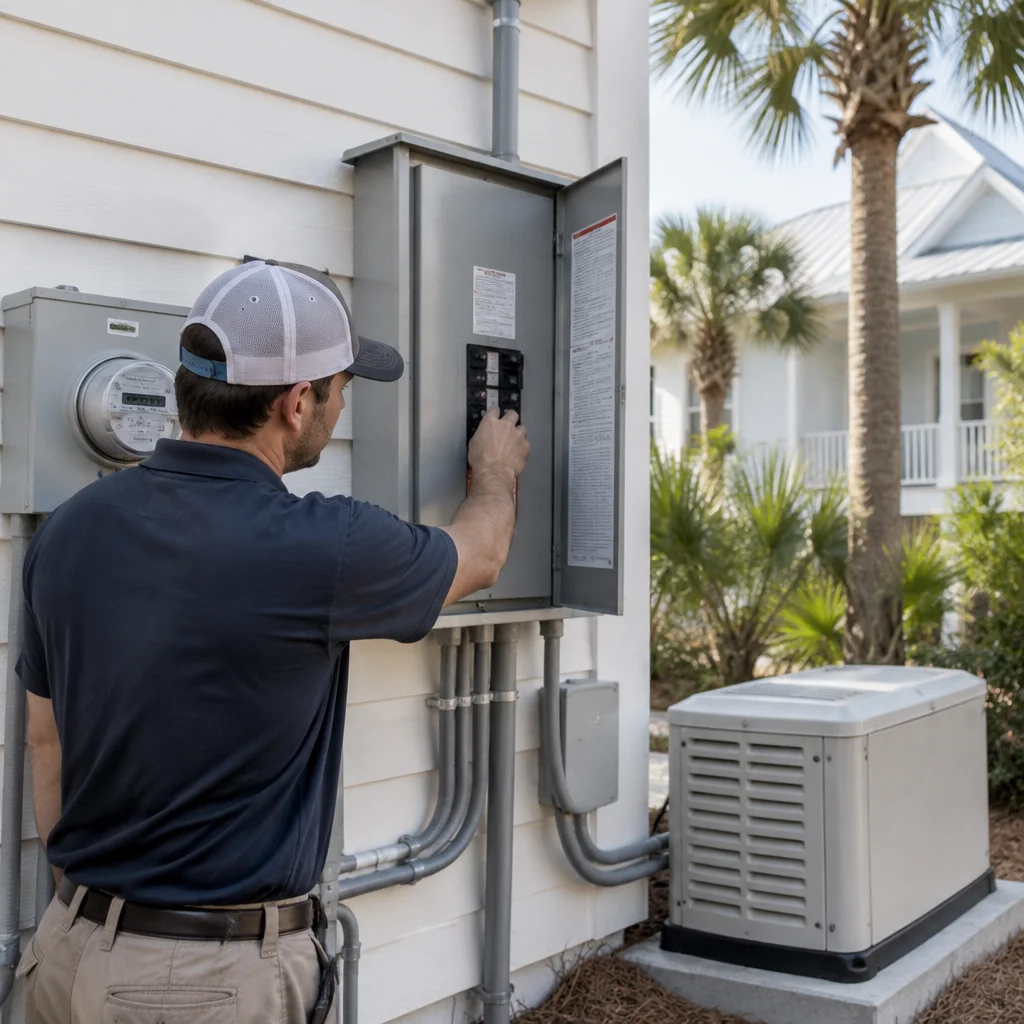
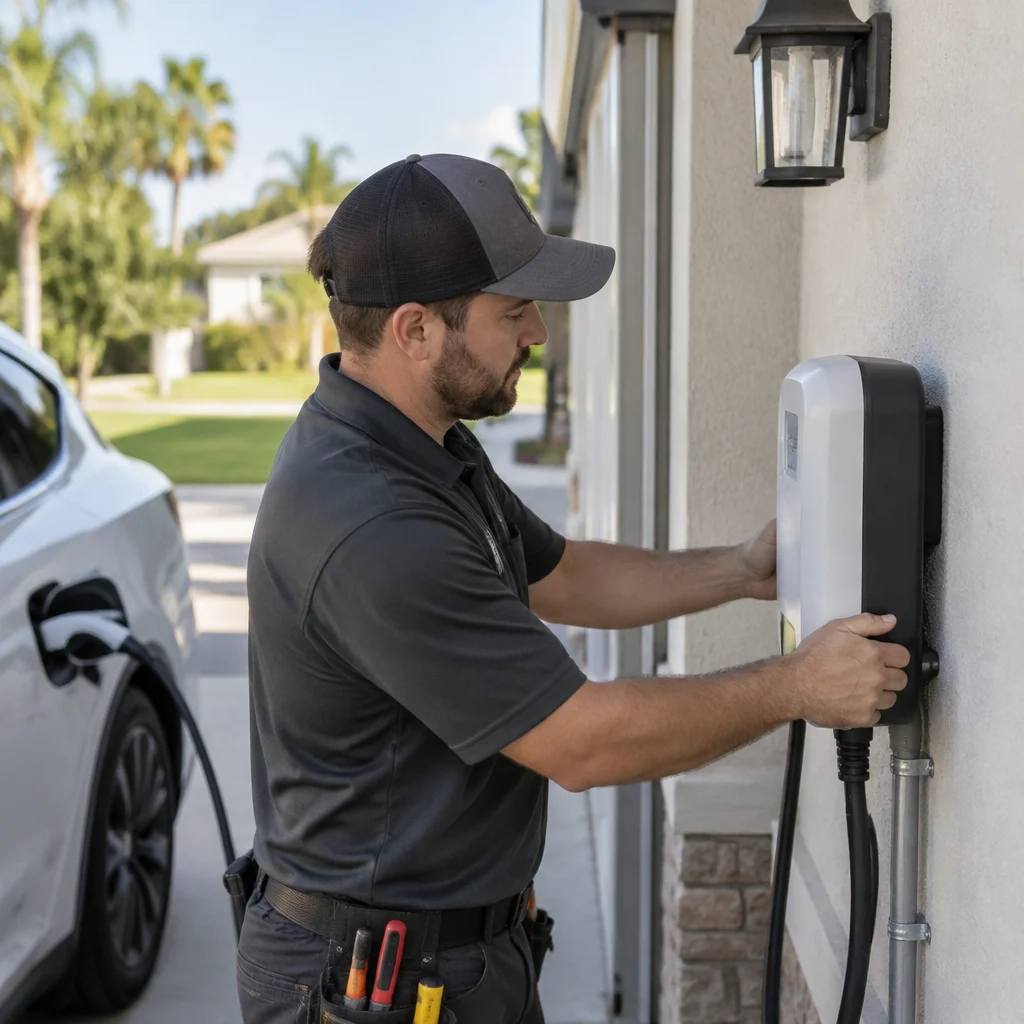
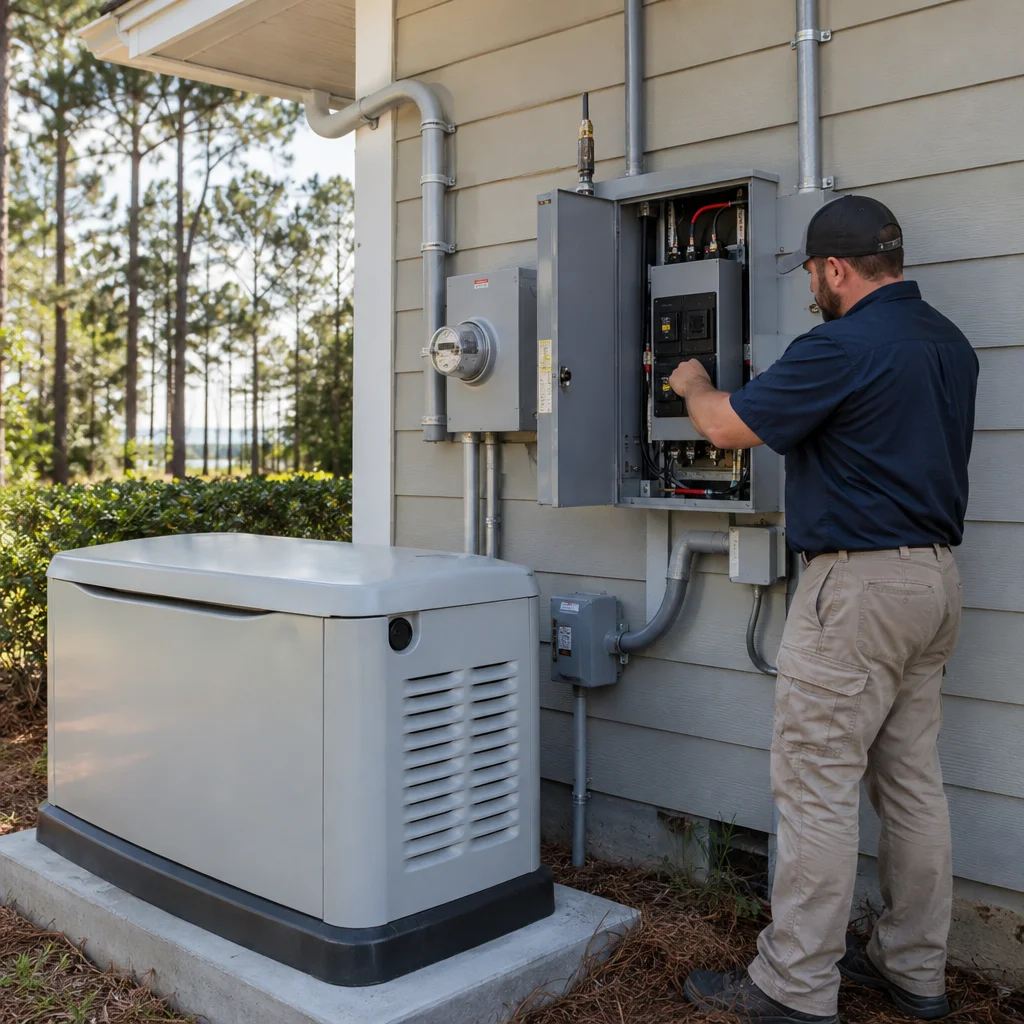
Some homeowners also add EV charging, backup power, or outdoor lighting and then notice the electrical system feels more strained. That is a good time to review the panel, grounding, and circuit layout. If you have searched for whole home generator installation near me, ev charger installation near me, or garage ev charger wiring near me, the electrician should also look at how those upgrades affect the circuits that serve fans and lighting.
In homes with kitchens, laundry rooms, or remodeled spaces, related work such as dryer outlet installation near me, range outlet installation near me, or usb outlet installation near me can reveal whether the panel has enough room and whether the wiring is still organized properly. When the system is balanced well, ceiling fans are less likely to suffer from voltage dips, nuisance tripping, or control failures.
Where local service makes the difference
Lower Grand Lagoon homeowners benefit from electricians who understand the area’s housing mix, weather, and electrical demands. Vacation rentals, older beach homes, updated condos, and year-round residences all present different fan and wiring challenges. A local electrician knows how to work around salt air wear, storm damage, and the electrical changes that often come with remodels and additions.
If your ceiling fan is acting up, or if you want a safer plan for fan installation and maintenance, start with the service page for Ceiling Fans. For broader electrical support in the area, the city page for Lower Grand Lagoon and the county page for Bay County can help homeowners connect fan work with panel upgrades, breaker repair, outlet repair, lighting installation, generator service, and electrical inspections.
A Superior Mechanical provides ceiling fan installation, replacement, and repair for homes, rentals, and businesses in Lower Grand Lagoon. If your fan is wobbling, buzzing, tripping a breaker, or tied to older wiring, getting it checked early can prevent a small issue from becoming an emergency electrical call.
Useful related electrical maintenance to keep on your radar
Ceiling fan problems sometimes show up alongside other warning signs in the home. If a fan issue comes with flickering lights, dead outlets, or a breaker that will not stay reset, the real fix may involve breaker repair near me, electrical troubleshooting near me, or a more complete inspection of the circuit. If your home has outdoor lighting, pool equipment, or a generator connection, those systems should also be reviewed for grounding, GFCI protection, and weather resistance.
Homeowners often find that staying ahead of fan issues also helps them spot other needed work, such as keeping outlets and switches reliable, correcting outdated wiring, or planning for future upgrades. That is especially helpful in Lower Grand Lagoon, where coastal weather and changing power demand can push older electrical systems harder than expected.
For homeowners who want to stay ahead of repairs, a proactive approach is usually simpler and less expensive than waiting for a fan to fail during peak summer heat or after a storm.
Find Ceiling Fans in Lower Grand Lagoon, FL
If you need Ceiling Fans in Lower Grand Lagoon, FL, visit our local service page or contact A Superior Mechanical today.
Map of Lower Grand Lagoon, FL
Frequently Asked Questions
Can a ceiling fan cause a breaker to trip?
Yes. A ceiling fan can trip a breaker if the circuit is overloaded, the fan motor is failing, or the wiring or switch has a fault. If the breaker trips repeatedly, the circuit should be inspected.
Why does my ceiling fan wobble or make noise?
Wobble and noise can come from loose mounting hardware, unbalanced blades, worn bearings, or a ceiling box that is not rated for a fan. In coastal homes, vibration and humidity can make those issues show up sooner.
Do ceiling fans need special wiring or boxes?
Yes. Ceiling fans should be mounted to a fan-rated box with secure support and properly sized wiring. A light fixture box is not always safe for a fan, especially if the fan is heavy or has a light kit.
Should I replace a ceiling fan after storm damage or a power surge?
If a fan stopped working after a storm, flickers, smells hot, or behaves erratically after a surge, it should be checked before continued use. The motor, controls, or wiring may have been damaged.
Related Articles
- Keeping Lower Grand Lagoon Homes Ready for the Next Electrical Upgrade
- Outdoor Landscape Lighting and the Electrical Clues Lower Grand Lagoon Homeowners Should Not Ignore
- Keeping Pool, Spa, and Hot Tub Wiring Safe in Lower Grand Lagoon Homes
- Keeping Outlets and Switches Reliable in Lower Grand Lagoon Homes
Photo Gallery