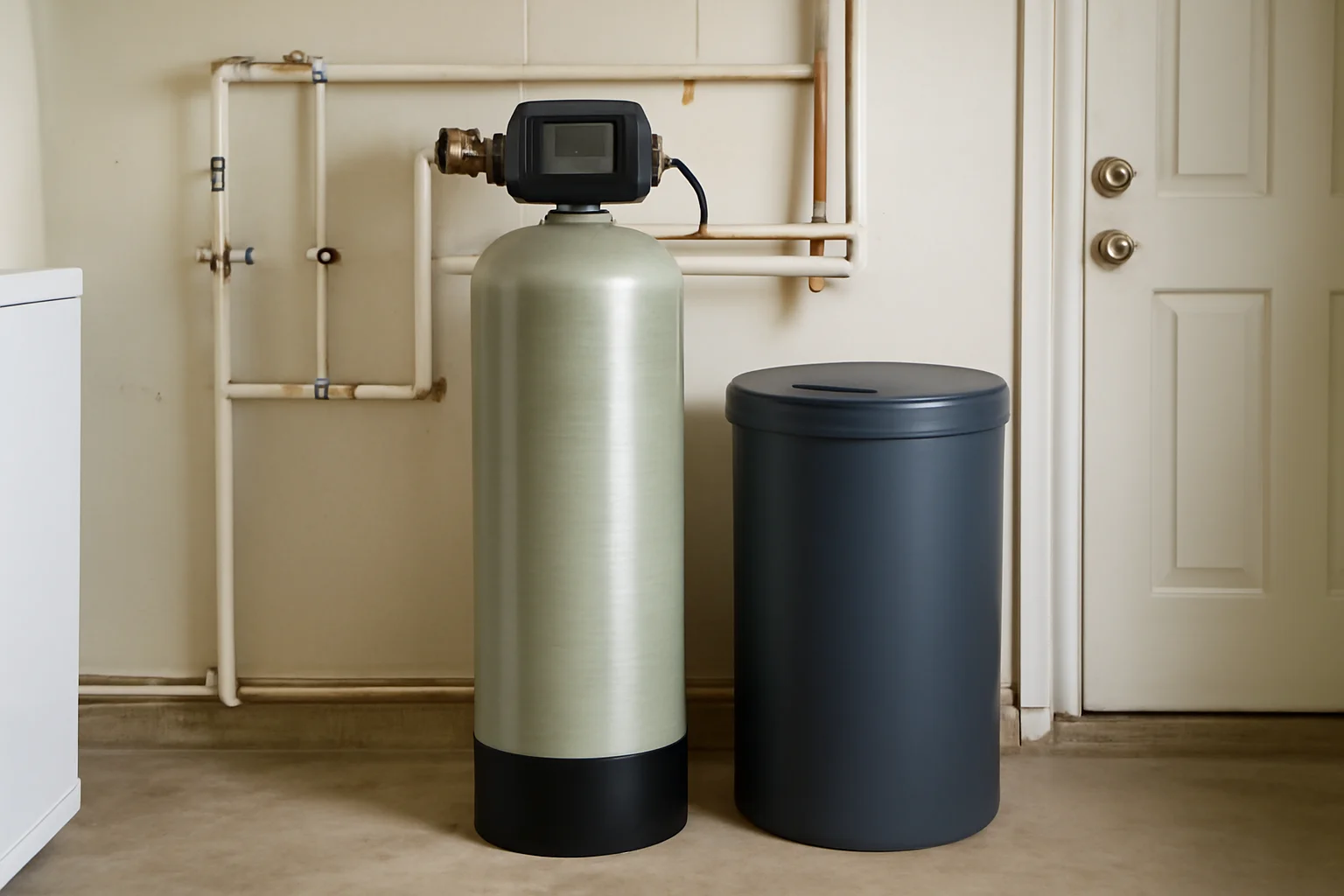
If you live in Seagrove Beach, you have probably noticed how quickly water issues show up in everyday life. Glassware can look cloudy, faucets can develop stubborn scale, and laundry sometimes feels rough even when you use the right detergent. These are common frustrations of hard water, and they tend to get worse as scale builds up inside plumbing and appliances.
The good news is that water softening and other clean water systems can make a noticeable difference for bathing, cooking, drinking water, and appliance performance. This guide walks through what hard water does, what to look for in your home, and how water softening in Seagrove Beach, FL fits into a complete water treatment plan.
What hard water is doing to your home in Seagrove Beach
Hard water contains high levels of minerals, mainly calcium and magnesium. When hard water heats, evaporates, or sits on surfaces, those minerals leave behind residue. In a coastal area like Seagrove Beach, where many homes rely on consistent water quality for both everyday comfort and rental turnover, even small changes in water chemistry can feel like a big nuisance.
Everyday signs you are dealing with hard water
Hard water frustrations usually show up in several places at once. Look for:
- Hard water spots on glass and shower doors that never seem to fully wipe clean.
- Hard water spots on dishes, including dull film that makes plates look washed but not truly clean.
- Scale buildup around faucets, showerheads, and plumbing, especially near hot water lines.
- Dry skin or dull hair after bathing, along with that tight, itchy feeling that can show up when soap does not rinse well.
- Soap does not lather as easily and does not rinse clean, leaving a slippery or chalky feel.
- Metallic, chlorinated, or unpleasant taste in drinking water, plus concerns about odor.
- Cloudy ice cubes that look milky instead of clear.
- Poor tasting coffee and cooking water, even when you use quality beans and recipes.
- Visible sediment, discoloration, and odor issues that make water feel less reliable.
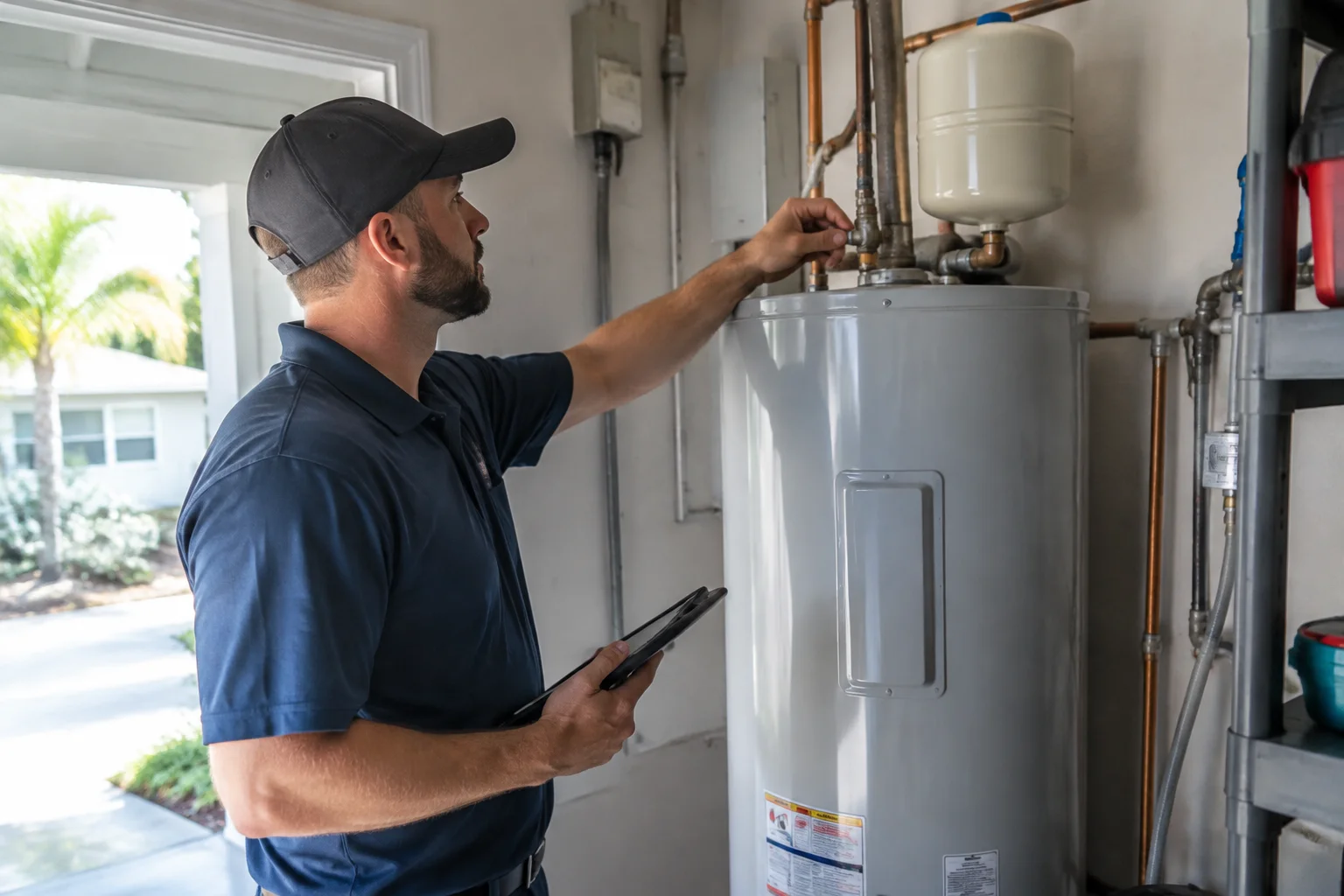
- Appliances wearing out faster, including water heaters, dishwashers, and washing machines that struggle with scale.
Why water softening works for hard water
Water softening reduces the mineral hardness that causes scale and soap scum. Most whole home water softeners use a process called ion exchange. Instead of letting calcium and magnesium build up, the system swaps those minerals with softer ions so they do not leave the same residue on surfaces or inside pipes.
When you soften your water, you typically see improvements in:
- Shower and faucet performance, including fewer clogged heads and less mineral buildup.
- Cleaning results, including fewer hard water spots on glass and dishes.
- Bathing comfort, including better soap rinse and less dryness.
- Appliance efficiency, including slower scale accumulation that can extend service life.
What softened water changes in daily routines
Think about a typical Seagrove Beach morning. Kids hop in the shower before the beach, someone runs a load of towels, and coffee gets started before everyone is out the door. With hard water, soap and shampoo can struggle to rinse, and scale can build where water runs hot. With softened water, you usually get a cleaner rinse, improved lathering, and less residue on fixtures.
In the kitchen, softened water often helps with consistent cooking water and better results when you use a water filter or reverse osmosis system for drinking. For many homeowners, the goal is not just “better water,” but water that tastes right and behaves predictably across the home.
Water softener vs. water filtration: how to choose the right mix
Hardness is one part of water quality. Taste, odor, and sediment concerns are another. That is why many people benefit from combining water softening with whole home water filtration or point of use filtration.
When water softening is the priority
Water softening is usually the core solution when you see:
- Hard water spots on glass and dishes
- Scale buildup around faucets and showerheads
- Soap does not lather or rinse well
- Dry skin or dull hair after bathing
- Signs of scale in plumbing and appliance interiors
When to add whole home water filtration or AO Smith water filtration
If you also notice cloudy ice cubes, metallic or unpleasant taste, visible sediment, discoloration, or odor concerns, filtration may be just as important as softening. Whole home water filtration helps protect plumbing and fixtures from particles and can improve the consistency of clean water systems throughout the house.
Many homeowners explore AO Smith water filtration options as part of a layered approach, especially when they want reliable performance across the entire home. Pairing filtration with a softener can help address both mineral hardness and additional water quality problems.
Where reverse osmosis fits for drinking water
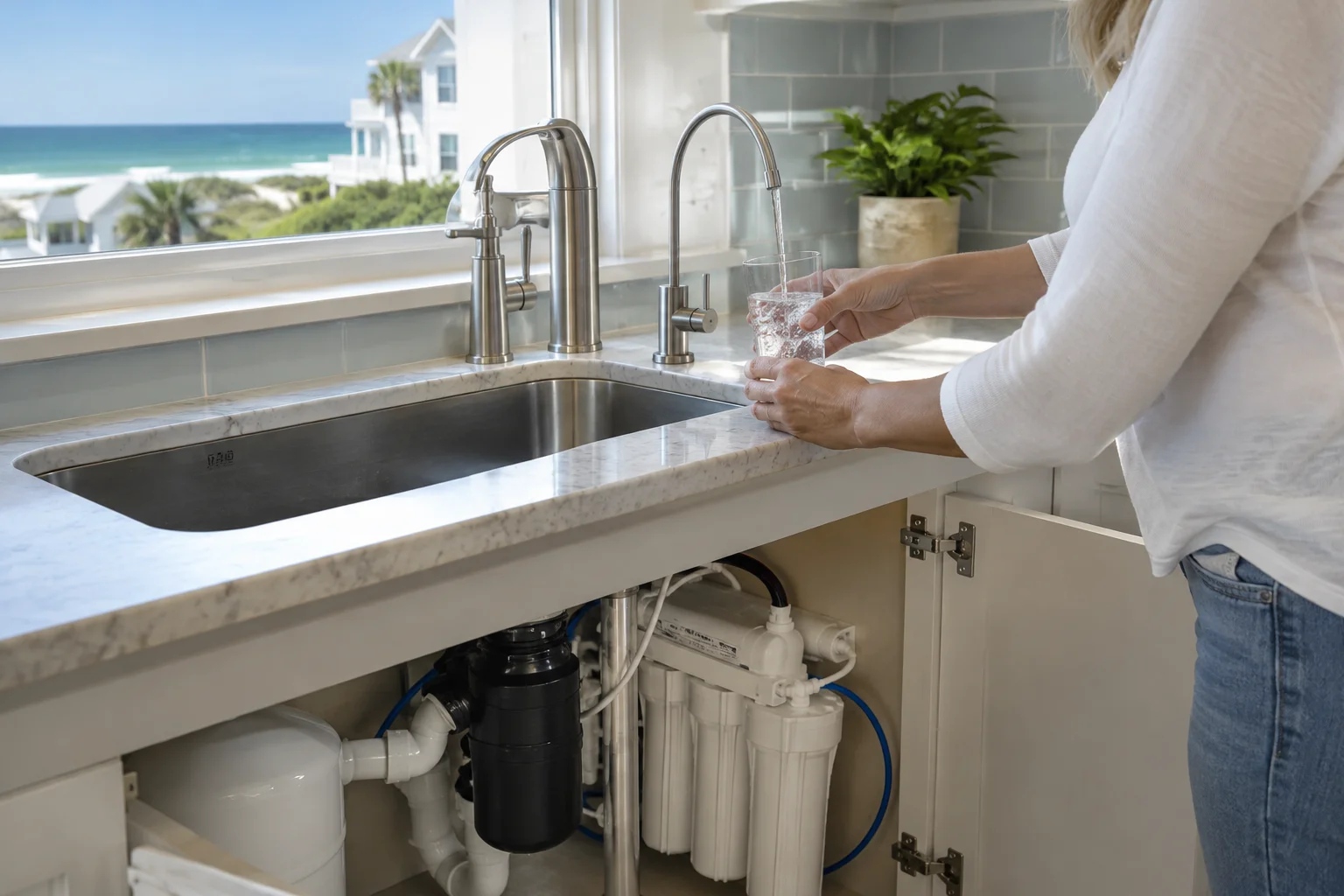
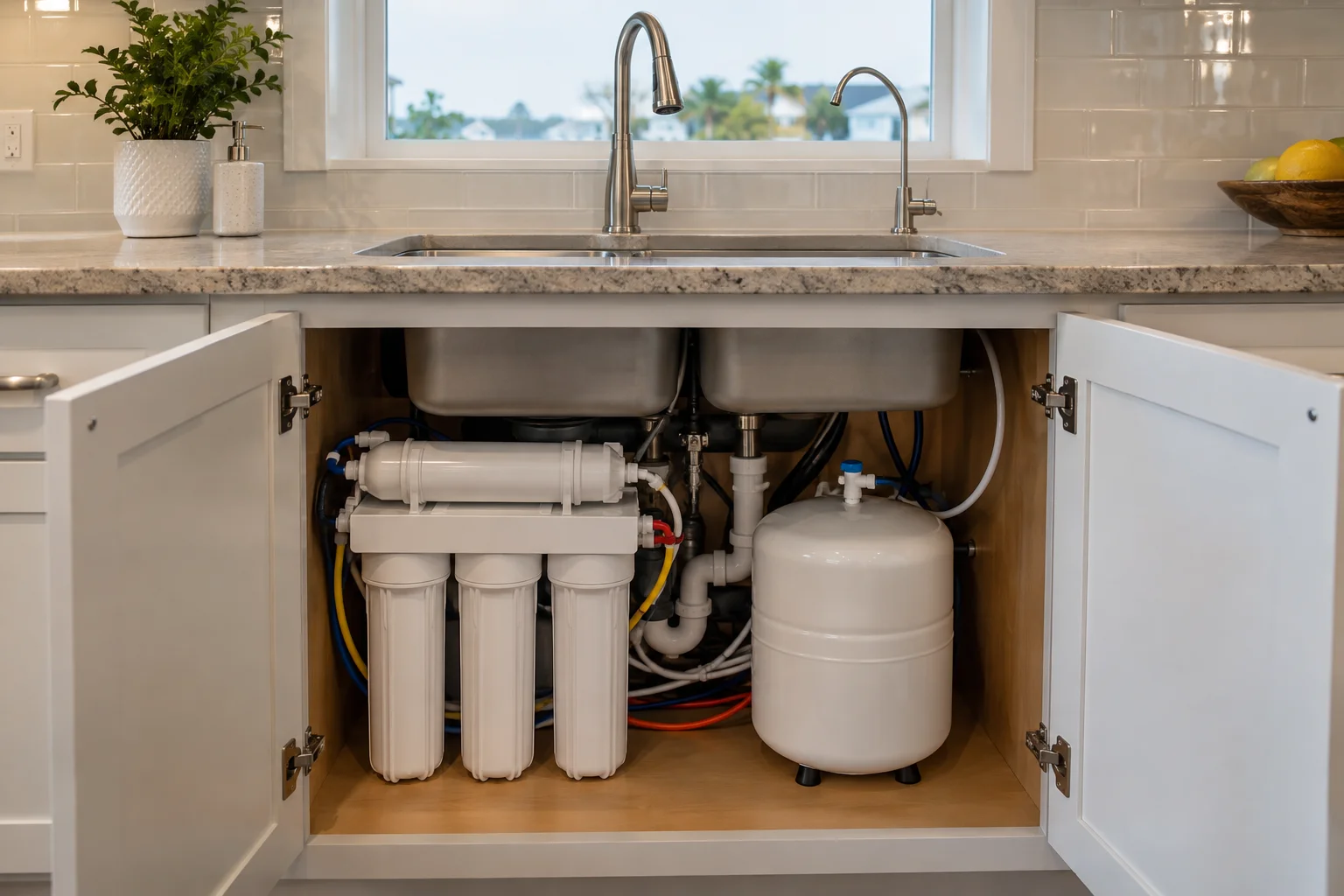
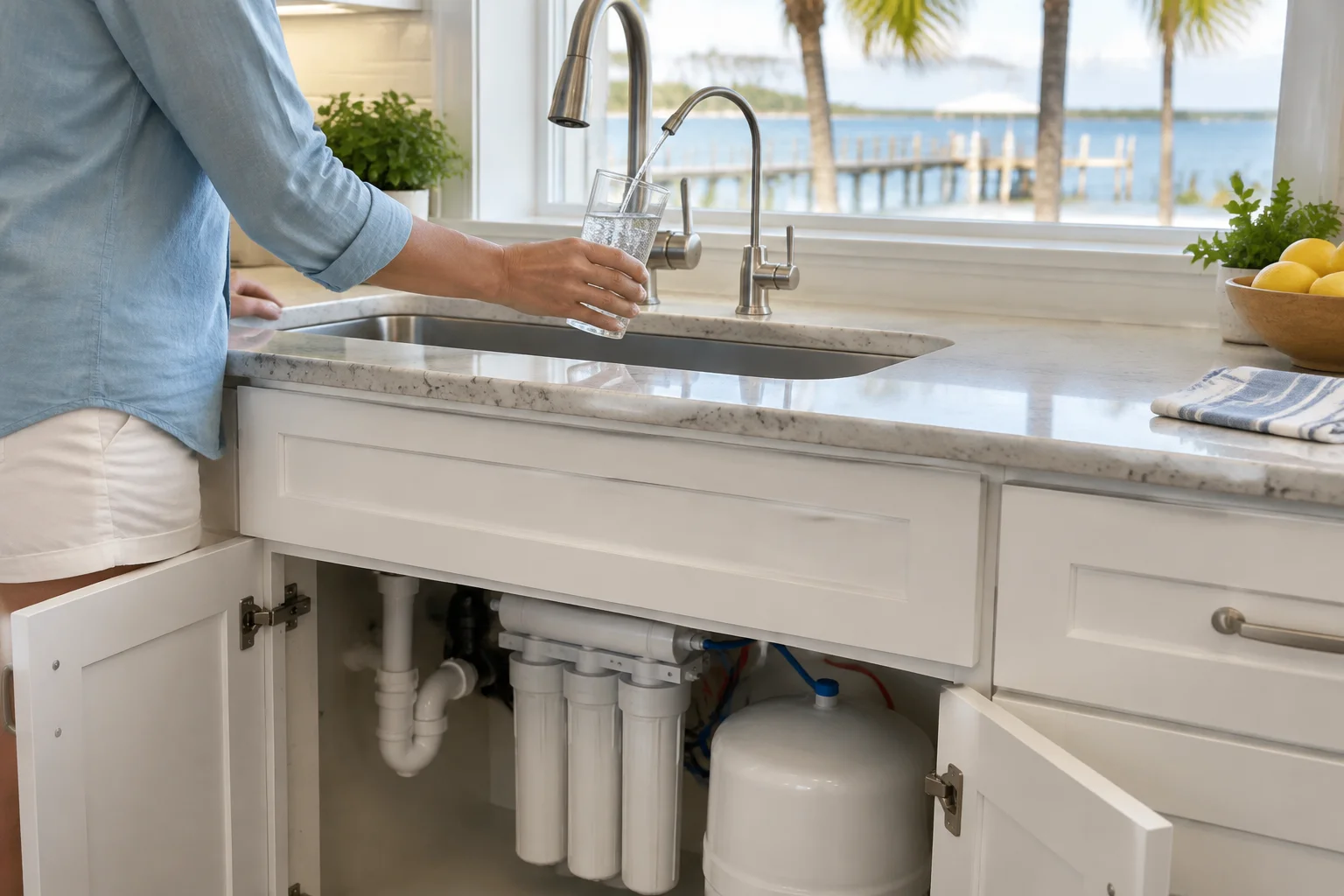
For drinking water and cooking water, a reverse osmosis system can be a strong complement. If you are searching for a reverse osmosis system near me because your water tastes off or you want better drinking water quality, reverse osmosis installation can provide a dedicated solution at the kitchen sink.
In many homes, reverse osmosis is used for:
- Better tasting drinking water
- Clearer ice cubes (often less cloudiness)
- Improved coffee and cooking water
Softened water and reverse osmosis serve different roles. Softening helps with scale and bathing. Reverse osmosis helps with taste and water purity for drinking and cooking. Together, they can make a clear difference in everyday kitchen scenes.
Seagrove Beach conditions that make water treatment more important
Seagrove Beach and the surrounding Walton County area are shaped by coastal weather patterns, seasonal demand, and the realities of older plumbing in many beach neighborhoods. Homes can have different plumbing runs, water usage patterns, and fixture types. That means the impact of hard water can vary from house to house, but the results tend to be consistent: scale forms where water heats and evaporates.
When you are dealing with hard water treatment in a coastal environment, it is also common for homeowners to notice that water quality concerns feel more obvious during busy seasons. More showers, more laundry, more dishwashing, and more rental turnover can speed up the “wear and tear” you see from scale. That is why professional water softener service near me is not just about convenience. It is about protecting plumbing performance when demand spikes.
Solutions that reduce hard water frustrations, step by step
Most homeowners get the best results by starting with what is happening in their home and matching it with the right equipment. Here is a practical approach.
1) Confirm the problem with a water test
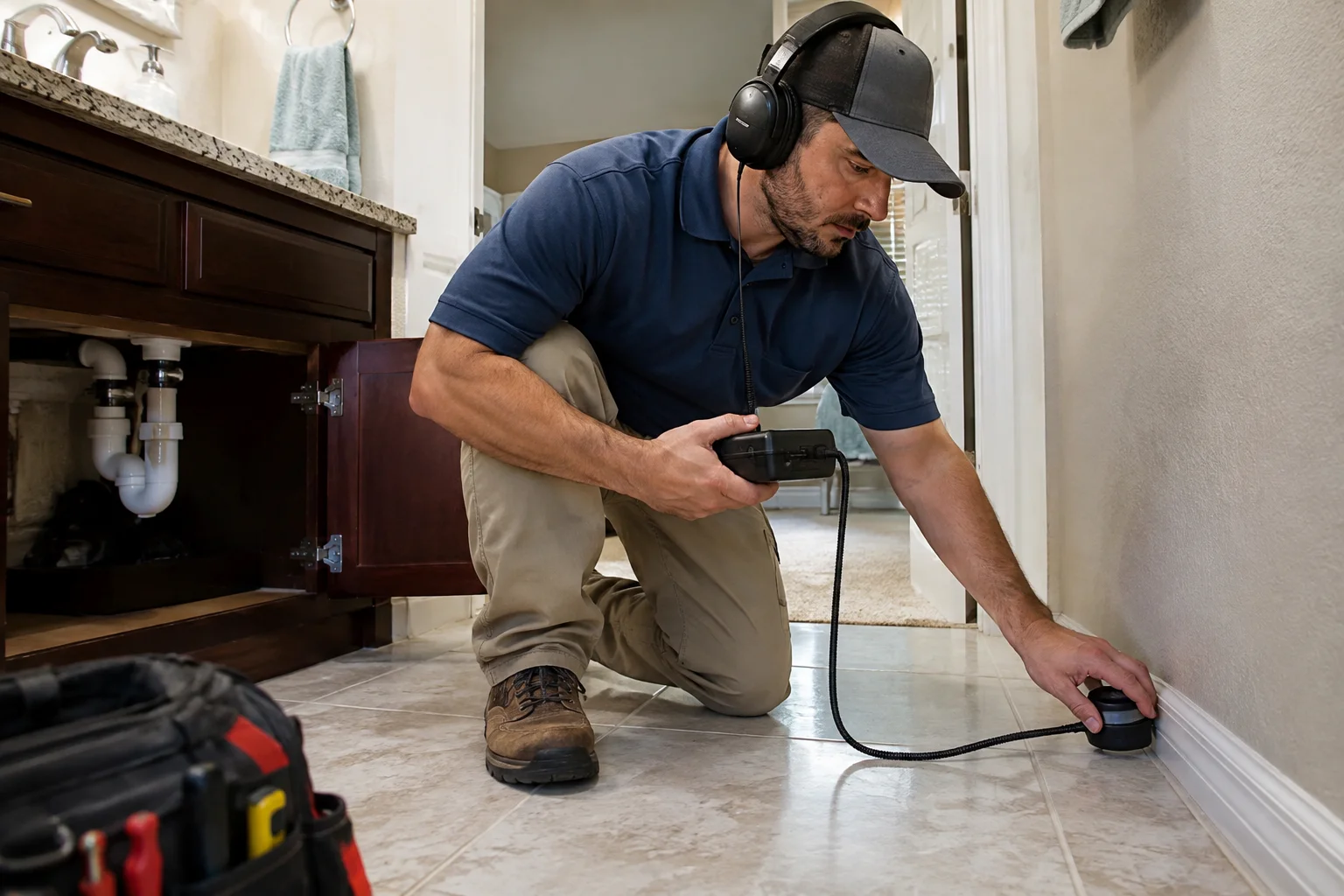
Before investing in a system, homeowners typically benefit from testing. A water softener service professional can help interpret results and identify hardness levels, sediment concerns, and other indicators that point to filtration or reverse osmosis installation needs.
Testing also helps you avoid guessing. Some homes have primarily hardness issues. Others have a mix of hardness plus taste, odor, or cloudy ice cube concerns. The right plan depends on what is actually in the water.
2) Choose the right water softener for your household
Not every home needs the same size or configuration. Factors include household size, water usage, incoming water hardness, and how much hot water you rely on. For families, that could mean multiple showers, baths, laundry loads, and dishwashing every day. For rentals, it can mean faster turnover and heavier use.
Many homeowners also explore AO Smith water softener options when they want a dependable system designed for consistent whole home performance. A Superior Mechanical can help you select and service the right equipment so the system keeps working long term.
3) Add whole home water filtration if you have sediment or taste issues
If you have visible sediment, discoloration, or odor concerns, whole home water filtration near me can be part of the solution. Whole home filtration supports clean water systems throughout the house and can reduce the strain on fixtures and appliances.
When paired with softening, filtration can help you get cleaner rinses, clearer water for everyday use, and better performance from your plumbing.
4) Consider reverse osmosis for drinking and cooking water
For homeowners who care about taste, reverse osmosis is often the next step. If you are dealing with metallic or unpleasant taste, cloudy ice cubes, or poor tasting coffee and cooking water, a reverse osmosis system can provide dedicated clean water for drinking and food prep.
Many people start by improving the whole home with water softening and filtration, then use reverse osmosis to deliver better drinking water quality at the tap.
Maintenance that keeps your softener performing
A water softener is not a set-it-and-forget-it appliance. Routine maintenance helps keep the system operating efficiently and prevents new frustrations from popping up.
What homeowners can watch between service visits
- Check for returning scale on fixtures and showerheads. If spots start coming back, the system may not be regenerating properly.
- Pay attention to soap behavior. If soap does not lather or rinse well again, hardness protection may be slipping.
- Monitor cleaning results on glass and dishes. Hard water spots on glass and dishes are often the first clue.
- Look at appliance performance. If water heater recovery or dishwasher results worsen, scale may be building.
Why professional water softener service matters
When softening equipment is not maintained, it can lose effectiveness. That can lead to scale buildup around faucets, showerheads, and plumbing, and it can shorten appliance life. Professional service also helps confirm settings, inspect components, and keep your clean water systems running as intended.
If you are searching for water softener service near me because you want consistent results for both your daily routine and your rental property, working with a local team that understands Walton County water conditions helps you stay ahead of problems.
How to protect plumbing and appliances from scale buildup
Scale is more than a cleaning inconvenience. Over time, mineral deposits can reduce heat transfer, restrict flow, and increase wear in appliances and plumbing systems.
When homeowners soften water, they typically slow down or prevent the buildup that causes:
- Less efficient water heating
- Frequent maintenance or premature replacement for appliances
- Clogging risks and reduced fixture performance
This is especially important for homes with older plumbing runs, homes with multiple bathrooms, and properties that experience high water use during peak tourist months.
Where to start in Seagrove Beach: a local water treatment plan
If you are ready to reduce hard water frustrations with water softening in Seagrove Beach, the next step is to match your symptoms to the right system. Many homeowners choose a layered approach: water softening for hardness, whole home water filtration for sediment and consistency, and reverse osmosis for drinking and cooking water.
To learn more about the specific service for your area, visit A Superior Mechanical water softening in Seagrove Beach. If you want to explore how different technologies work together, start with water filtration and RO water softeners. For broader local context, see Seagrove Beach service areas and Walton County information.
You may also find these related reads helpful as you plan your water treatment upgrades:
- What Seagrove Beach Homes Reveal About Their Water
- The Water Clues Seagrove Beach Homes Should Not Ignore
- How Water Softening Protects Rosemary Beach Plumbing from Costly Water Damage
- How Smart Plumbing Installation Helps Seagrove Beach Homes Avoid Bigger Problems
Common questions homeowners ask about water softening and clean water systems
Homeowners often want clear answers before committing to equipment. Here are a few of the most frequent concerns we hear in Seagrove Beach.
Will water softening fix hard water spots on glass and dishes?
Softening typically helps reduce the mineral residue that causes hard water spots on glass and dishes. If you also have sediment or taste issues, adding whole home water filtration and, when needed, reverse osmosis for drinking can improve results further.
Will softened water improve bathing comfort?
Many people notice less dryness and better hair feel because soap and shampoo rinse more effectively when hardness is reduced.
What about cloudy ice cubes and poor tasting coffee?
Cloudy ice cubes and poor tasting coffee and cooking water can be tied to water quality factors beyond hardness, such as taste, odor, and dissolved impurities. A reverse osmosis system near me can provide targeted drinking water improvement, especially when paired with whole home filtration.
When it is time to call a professional
It is a good idea to contact a local water treatment specialist when you see multiple hard water symptoms at once, or when cleaning results start to slip even after you change soaps or cleaning products.
Call for help if you notice:
- Scale buildup around faucets and showerheads that keeps returning
- Soap does not lather or rinse well across multiple bathrooms
- Dry skin or dull hair after bathing
- Cloudy ice cubes, metallic or unpleasant taste, or odor concerns
- Appliances wearing out faster than expected
Professional water softener service helps ensure you get a system sized correctly, installed properly, and maintained so your clean water systems keep delivering the results your household expects.
Find Water Softening in Seagrove Beach, FL
If you need Water Softening in Seagrove Beach, FL, visit our local service page or contact A Superior Mechanical today.
For a broader look at whole-home water filtration, reverse osmosis, and water softener options, visit our water filtration, RO, and water softener page.
Map of Seagrove Beach, FL
Frequently Asked Questions
How do I know if I need water softening in Seagrove Beach?
If you are seeing hard water spots on glass and dishes, scale buildup around faucets and showerheads, soap does not lather, or you have dry skin or dull hair after bathing, those are strong indicators that water softening could help. A water test can confirm hardness levels and guide the right setup.
Can water softening improve drinking water taste and cloudy ice cubes?
Water softening mainly targets hardness and scale. If you have metallic or unpleasant taste, odor concerns, or cloudy ice cubes, you may also benefit from whole home water filtration and a reverse osmosis system for drinking and cooking water.
What is the difference between a water softener and whole home water filtration?
A water softener reduces calcium and magnesium to prevent scale and improve soap rinsing. Whole home water filtration focuses on removing sediment and other particles to support cleaner water throughout the plumbing system.
Do I need reverse osmosis if I already have a water softener?
Not always. Many homeowners choose reverse osmosis for drinking water because it can improve taste and clarity for coffee, cooking water, and ice. If your main issue is scale and bathing comfort, softening alone may be enough.
How often should a water softener be serviced?
Most systems benefit from periodic professional checks to confirm regeneration performance, settings, and overall operation. If you notice returning scale or soap problems, schedule service sooner.
Related Articles
Photo Gallery