Most Springfield households do not think about water quality until something feels off. Maybe your glassware looks hazy after the dishwasher. Maybe shower water leaves your skin feeling dry or your hair dull. Or perhaps you notice scale buildup around faucets and showerheads that keeps coming back no matter how often you wipe it down.
These everyday frustrations often point to hard water and the kind of mineral buildup that affects plumbing, appliances, and how your home feels from morning showers to evening cooking. Water softening is one of the most direct, homeowner-friendly steps you can take to improve water quality, reduce scale, and make your water experience more consistent.
Why Springfield water quality pushes many homes toward softening
In Springfield and throughout Bay County, local water can be mineral-rich. When water contains high levels of calcium and magnesium, it behaves like hard water. Those minerals dissolve into water and then leave deposits as water evaporates or heats up.
That is why you can see the effects in places that seem unrelated: glass shower doors, faucet aerators, the inside of kettle bottoms, and the film on dishes that makes everything feel less clean. In humid Florida conditions, water spots can also appear quickly after use, and scale can build faster in areas where water repeatedly heats and cools.
For homeowners, the key is connecting the dots between what you see and what is happening inside your plumbing system. When hard water treatment is missing, the mineral content keeps doing its job in the wrong places.
Common signs hard water is impacting your Springfield home
Hard water treatment becomes more than a preference when you start spotting repeated patterns. Look for these signs in your home:
Scale buildup on glass, dishes, and fixtures
You might notice hard water spots on glass after a shower or on drinking glasses after rinsing. Dishes can come out with a faint film that makes them feel slick but not truly clean. Scale buildup around faucets and showerheads is another giveaway, especially if you see chalky white deposits that return after cleaning.
Appliances wearing out faster
When minerals build up in water heaters, washing machines, and other hot-water appliances, efficiency drops. Heating elements can scale over time, which can increase energy use and shorten appliance lifespan. It is one reason some homes feel like their appliances are not lasting as long as they should.
Dry skin or dull hair after bathing
Many people describe dry skin from hard water and hair that feels coated or less manageable. Hard water can react with soap, leaving residue on skin and hair. The result is often a “not quite clean” feeling even when you bathe regularly.
Soap that does not lather or rinse well
Another frequent clue is that soap does not lather easily and rinses away poorly. If you feel like you need more soap than usual, you are likely fighting mineral interference.
Cloudy ice cubes and odd water taste
Some households notice cloudy ice cubes when minerals or dissolved solids are present. Others report metallic tasting water or chlorinated, unpleasant taste. If you also see visible sediment, discoloration, and odor concerns, you may be dealing with more than hardness alone.
Poor tasting coffee and cooking water
Water quality shows up fast in the kitchen. Poor tasting coffee and cooking water can happen when minerals change how water extracts flavors. Even when the taste issue is subtle, your daily habits notice it.
How water softening works, and what it does well
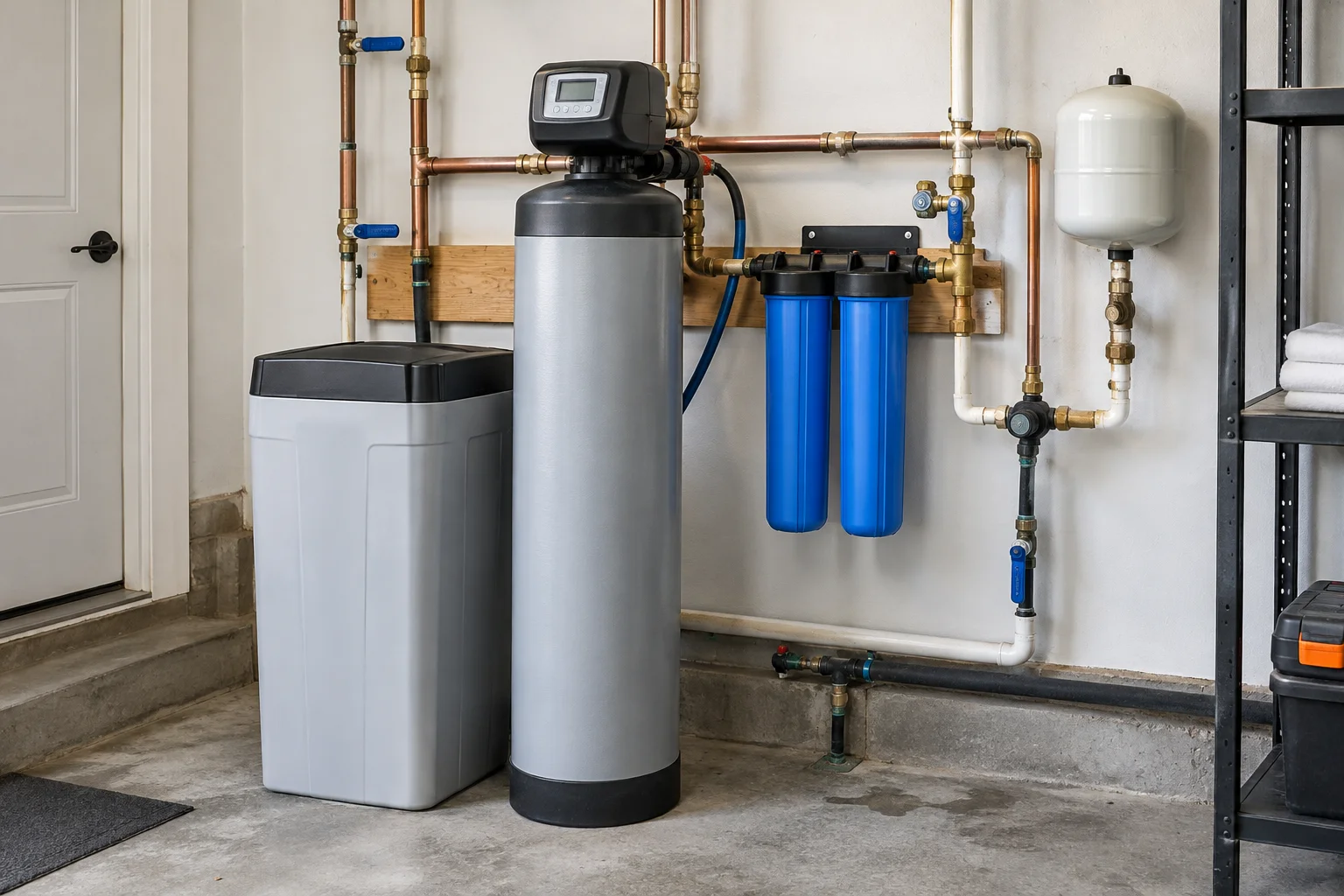
Water softening focuses on the minerals that cause hardness. A traditional water softener replaces calcium and magnesium with softer ions, typically sodium or potassium, using a process called ion exchange. That change helps prevent scale buildup on faucets, showerheads, and inside plumbing.
With softened water, you usually see improvements in the places homeowners care about most:
Less scale buildup on fixtures and glass
Soap that lathers and rinses more effectively
More comfortable bathing, including less dry skin from hard water
Better protection for appliances that use hot water
What softening does not automatically solve
It is important to be smart about water treatment decisions. Water softening primarily targets hardness. If you have issues like sediment, discoloration, or a strong unpleasant odor, you may also need filtration.
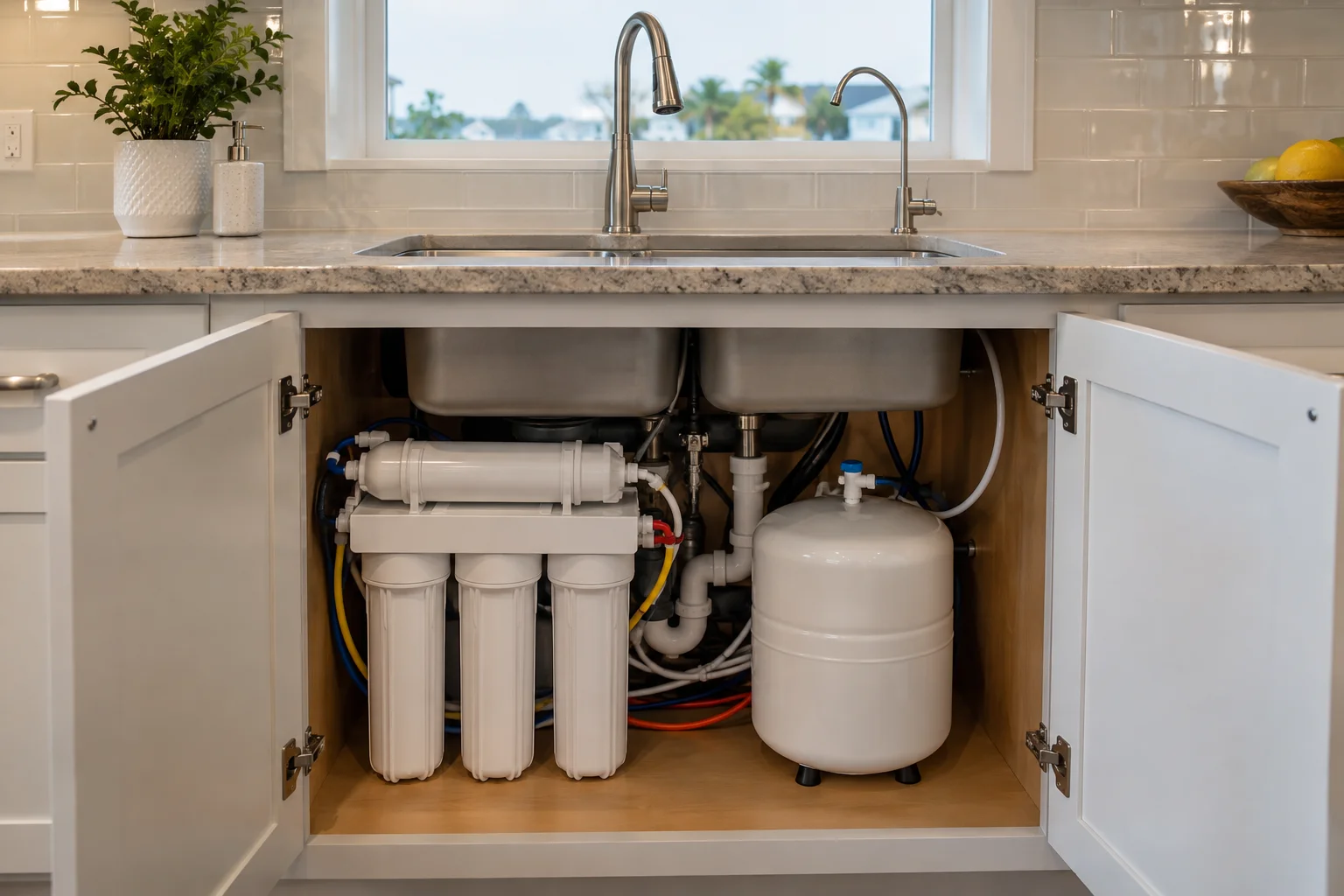
That is where whole home water filtration or reverse osmosis can play a role, especially for drinking water and cooking. Many Springfield homes benefit from combining technologies so each system handles the specific concern.
Smarter water quality decisions: softening plus filtration
Homeowners often picture water treatment as a single purchase. In reality, the best results usually come from matching the system to the problem. A common scenario in Springfield looks like this:
Water softener to reduce scale buildup and improve bathing, laundry, and appliance protection.
Whole house water filter to help address sediment and protect plumbing components and fixtures from particles.
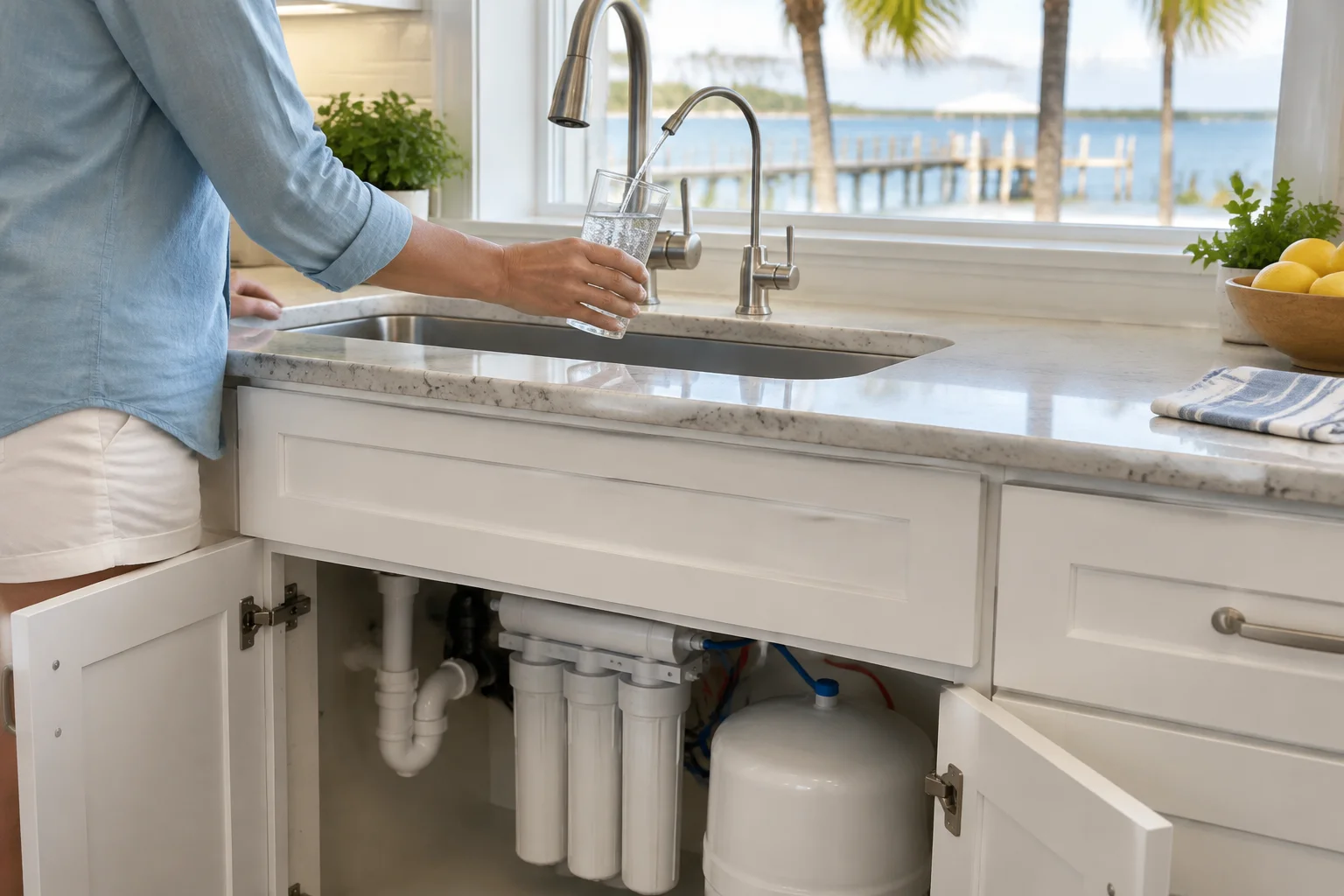
Reverse osmosis at the kitchen tap for drinking water taste and clarity, especially when you want cleaner water for coffee, ice, and cooking.
When you see cloudy ice cubes, metallic tasting water, or unpleasant taste, it is a clue that filtration and, in some cases, reverse osmosis system near me solutions may be worth discussing alongside water softening.
Where you will feel the difference at home
Water quality is not just a technical topic. It shows up in daily routines. Picture a typical Springfield morning: someone rinses shampoo from their hair, another person fills a kettle for coffee, and the dishwasher runs after dinner. With the right treatment, water behaves more predictably.
Kitchen: better drinking water, better cooking water
When you improve water quality, coffee often tastes cleaner and cooking water performs more consistently. Many families also notice that ice looks clearer and tastes better when the water supply is treated appropriately. If you have ever watched your family debate whether the coffee is “strong enough” or “tastes weird,” mineral balance can be part of the reason.
A reverse osmosis system can help deliver great-tasting drinking water, while a whole house water filter can support overall water cleanliness throughout the home. This combination is popular for homeowners who want comfort in the shower and quality at the kitchen sink.
Bathing: comfort that starts with softened water
Dry skin from hard water often shows up after repeated showers. With softened water, soap and shampoo work closer to how they were designed to work, which can make rinsing easier and leave skin feeling less tight. It can also help reduce that “film” feeling some people describe after bathing.
Laundry: cleaner results with fewer soap problems
Hard water can make laundry feel stiff and can cause detergent to work less efficiently. When soap does not lather, you might use more product than you intended. Softened water can help detergent rinse away better so clothes feel fresher.
Fixtures and appliances: fewer cleaning battles
Scale buildup around faucets, showerheads, and plumbing connections can turn into a constant chore. Softening often reduces the mineral deposits that make those surfaces hard to keep clean. That means less time scrubbing and more time enjoying your home.
It also helps protect appliances that heat and evaporate water. When scale is reduced, appliances can run more efficiently and may last longer.
AO Smith water softener and what Springfield homeowners should look for
Many local homeowners choose AO Smith water filtration and AO Smith water softener systems because they are designed for whole home performance. The right model depends on household size, water usage patterns, and the hardness level in your home.
When you are comparing options, ask a professional about:
Proper sizing for your home so the system can keep up during peak use
Salt or potassium requirements and how the system regenerates
Where the unit will be installed and how maintenance access will work
Whether you also need whole home water filtration near me support for sediment or taste concerns
For many families, choosing the right setup is what turns water softener installation near me into a long-term improvement instead of a short-lived fix.
Preventing problems after installation: maintenance that keeps water quality steady
Water treatment systems are not “set it and forget it.” Regular maintenance helps your system perform as intended and keeps water quality consistent through the year.
Watch for performance changes
If you notice scale returning faster than expected, soap lather getting worse, or shower glass becoming hazy again, it may be time for a service check. Sometimes it is as simple as adjusting settings, but sometimes a component needs attention.
Keep an eye on salt or potassium levels
For salt-based systems, low salt can lead to reduced softening. A professional water softener service near me visit can help confirm the system is regenerating on schedule and maintaining the expected hardness reduction.
Consider filtration maintenance too
If you add whole home water filtration or a reverse osmosis system, filters and cartridges will need replacement on a schedule. This matters for drinking water taste, cloudy ice cubes, and overall system longevity.
When to call a professional water treatment team in Springfield
Homeowners can start by observing what is happening and documenting symptoms. Still, a professional approach is the fastest way to avoid buying the wrong system or under-treating the real issue.
Call for an evaluation if you have:
Visible sediment, discoloration, or odor concerns
Metallic tasting water, chlorinated or unpleasant taste, or persistent cloudy ice cubes
Scale buildup on faucets and showerheads that keeps returning
Dry skin from hard water or soap that does not lather or rinse well
Appliances wearing out faster than expected
A Superior Mechanical can help Springfield homeowners match the right solution to the water conditions in their home. You can review water softening options on our service page here: /service-areas/bay-county/springfield/water-softening-bmbflsfbc. If you want to explore broader water treatment choices, start at /water-filtration-ro-water-softeners. For local coverage details, visit /service-areas/bay-county/springfield and /service-areas/bay-county.
How better water choices protect your home long-term
Springfield homes rely on plumbing that runs every day. When hard water is left untreated, minerals build up where heat and water flow concentrate. That can affect faucet aerators, showerheads, and water heaters, and it can create a cycle of cleaning and replacement.
Smarter water quality decisions help you break that cycle. Softened water reduces scale buildup, supports better soap performance, and can make bathing and laundry more comfortable. Pairing softening with whole home water filtration or reverse osmosis for drinking can improve taste, clarity, and everyday kitchen confidence.
Related home maintenance topics that connect to water quality
Water treatment is one part of protecting your home. Mineral buildup and water flow issues can also show up as plumbing problems over time. If you want to stay ahead of those issues, these reads may help:
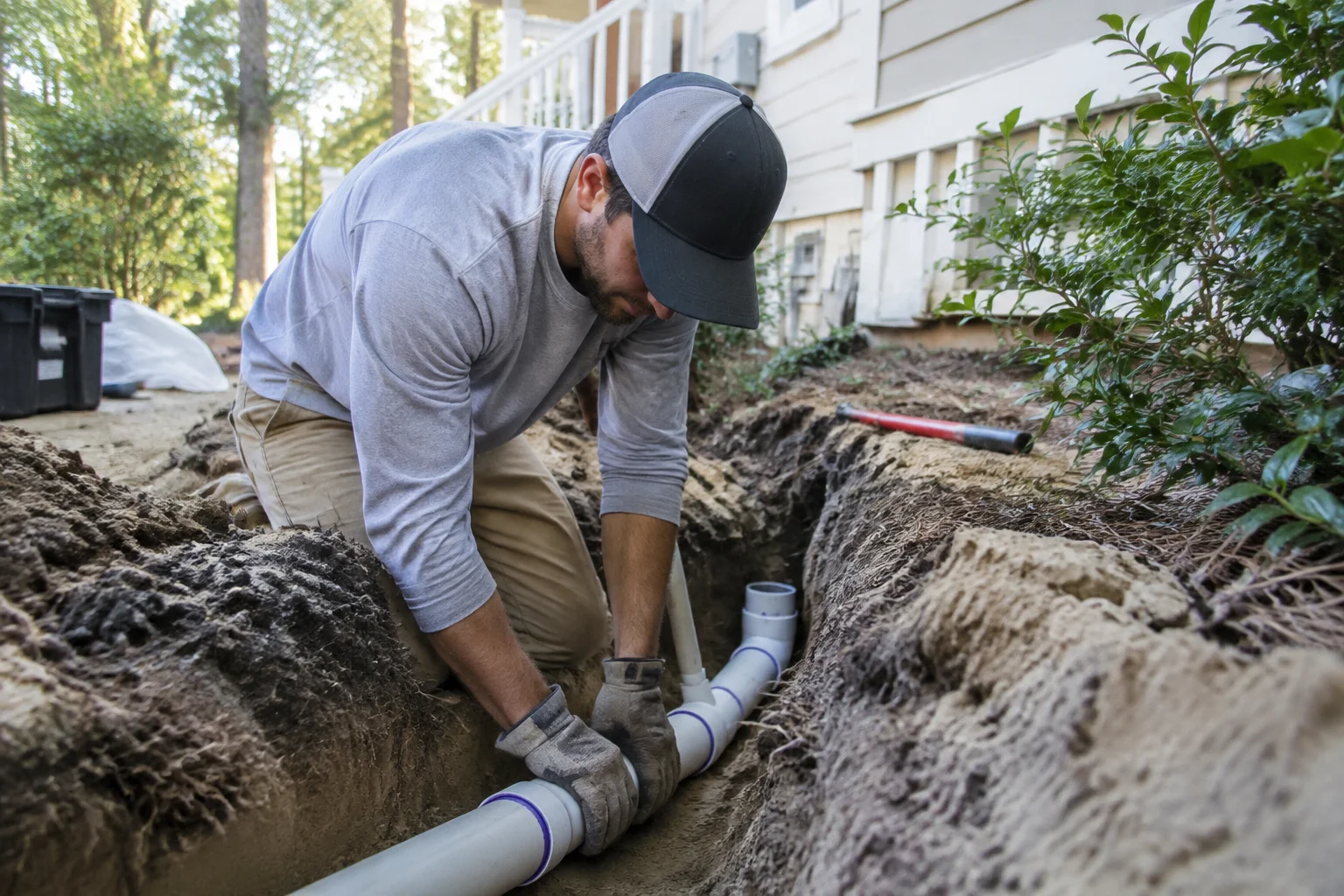
Keeping Springfield Drains Clear Before Small Plumbing Problems Spread
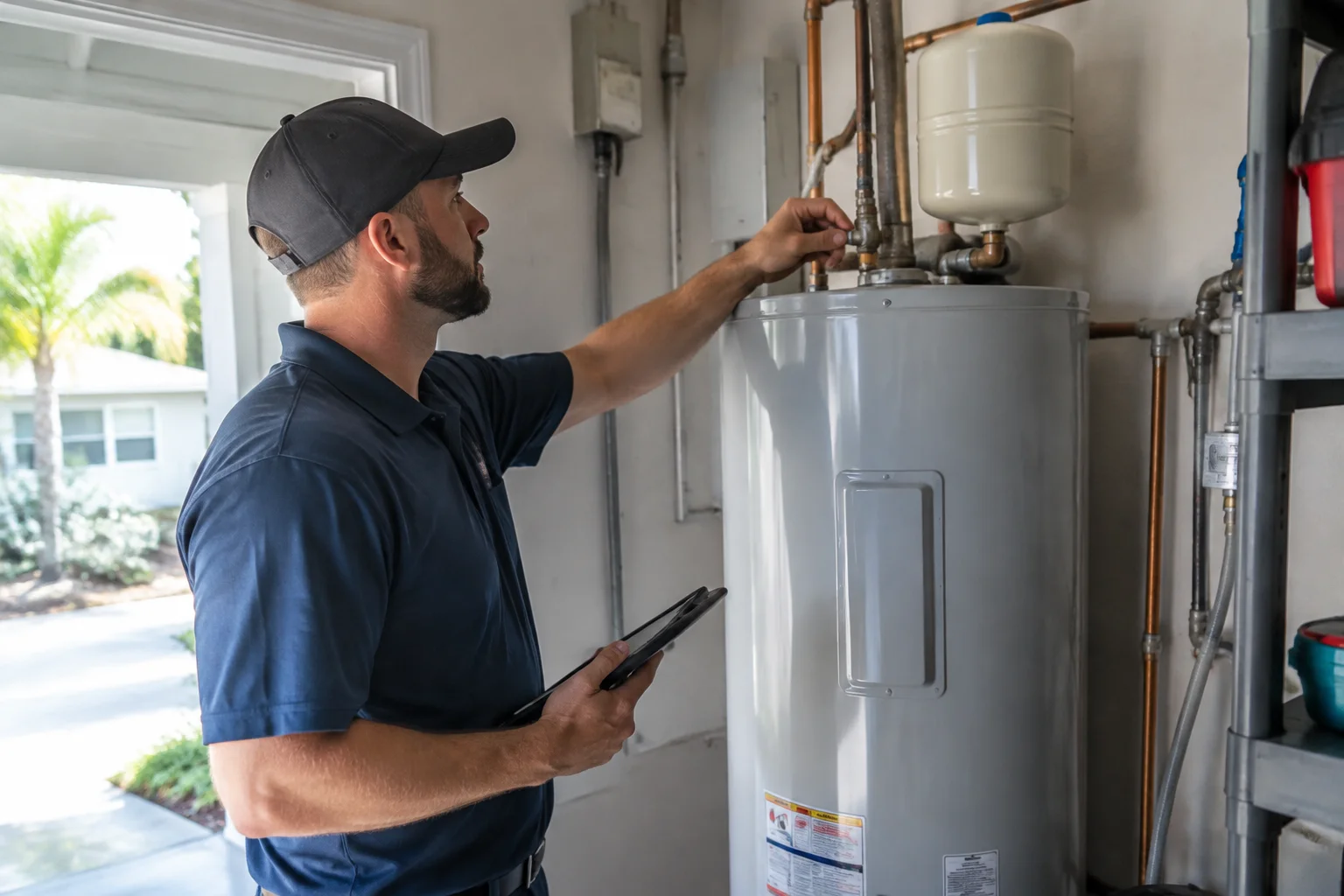
A Springfield Homeowner’s Guide to Smarter Water Heater Installation and Fewer Plumbing Surprises
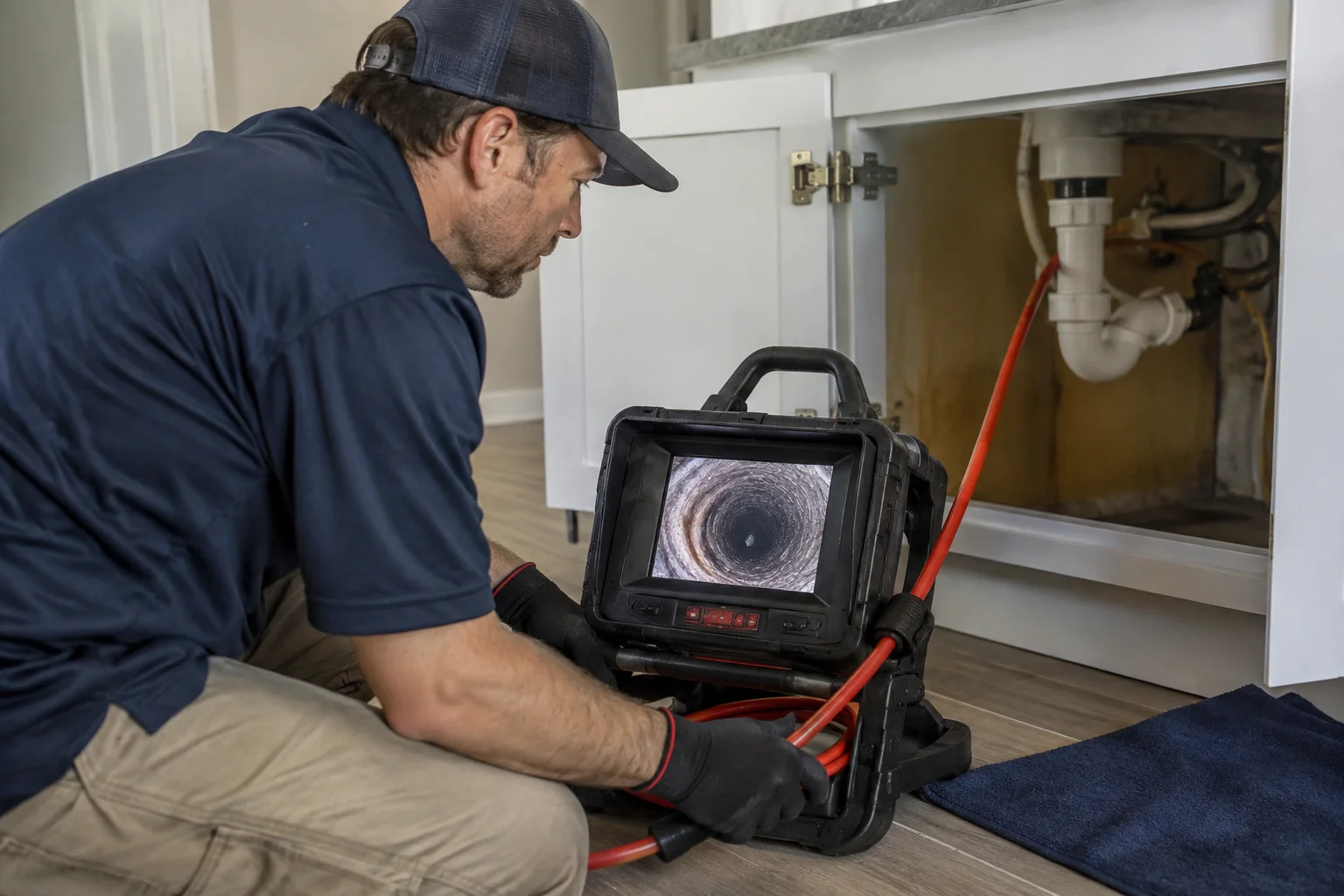
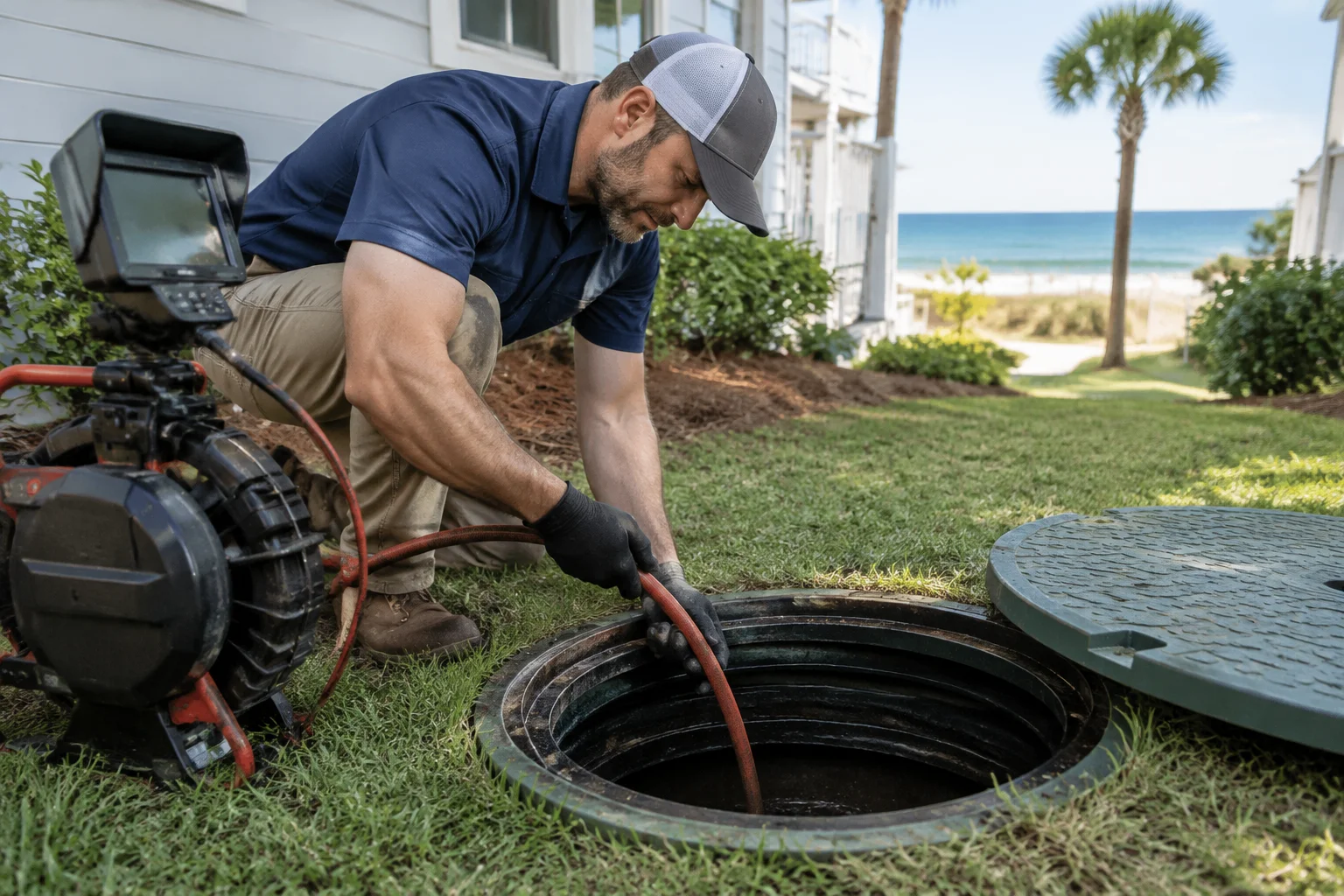
Why Springfield Families Benefit from Sewer Camera Inspections Before Small Plumbing Problems Grow
If you manage a larger property or commercial space, you may also find this useful: What Springfield Homeowners Should Know About Commercial Plumbing Before a Small Issue Spreads.
Frequently asked questions about water softening in Springfield
If you are comparing options, it helps to understand how softening fits with filtration and what results you can expect. The questions below cover what many homeowners ask after noticing scale, odor concerns, or dry skin from hard water.
Find Water Softening in Springfield, FL
If you need Water Softening in Springfield, FL, visit our local service page or contact A Superior Mechanical today.
For a broader look at whole-home water filtration, reverse osmosis, and water softener options, visit our water filtration, RO, and water softener page.
Map of Springfield, FL
Frequently Asked Questions
Will a water softener remove chlorine taste and odors from my Springfield water?
A standard water softener mainly targets hardness minerals like calcium and magnesium. For chlorine taste or odor, you may need filtration, such as whole home water filtration, and in many homes reverse osmosis for drinking water taste and clarity.
How do I know if my home needs water softening or a whole house water filter?
If you see scale buildup on faucets and showerheads, hard water spots on glass, and dry skin or soap that does not lather well, softening is often the priority. If you also have visible sediment, discoloration, or unpleasant odor, whole home water filtration may be needed too.
What changes should I expect after water softener installation?
Many homeowners notice less scale buildup on fixtures, improved soap lather and rinsing, and easier cleaning on glass and dishes. Bathing comfort can improve as well, especially for dry skin or hair that feels dull after showers.
Is AO Smith water softener service important after installation?
Yes. Regular maintenance helps ensure the system regenerates correctly and keeps softening performance consistent. A professional inspection can also confirm whether additional filtration, like AO Smith water filtration or reverse osmosis for drinking, would improve taste and clarity.
Related Articles
- Keeping Springfield Drains Clear Before Small Plumbing Problems Spread
- Why Springfield Families Benefit from Sewer Camera Inspections Before Small Plumbing Problems Grow
- What Springfield Homeowners Should Know About Commercial Plumbing Before a Small Issue Spreads
- A Springfield Homeowner’s Guide to Smarter Water Heater Installation and Fewer Plumbing Surprises
Photo Gallery