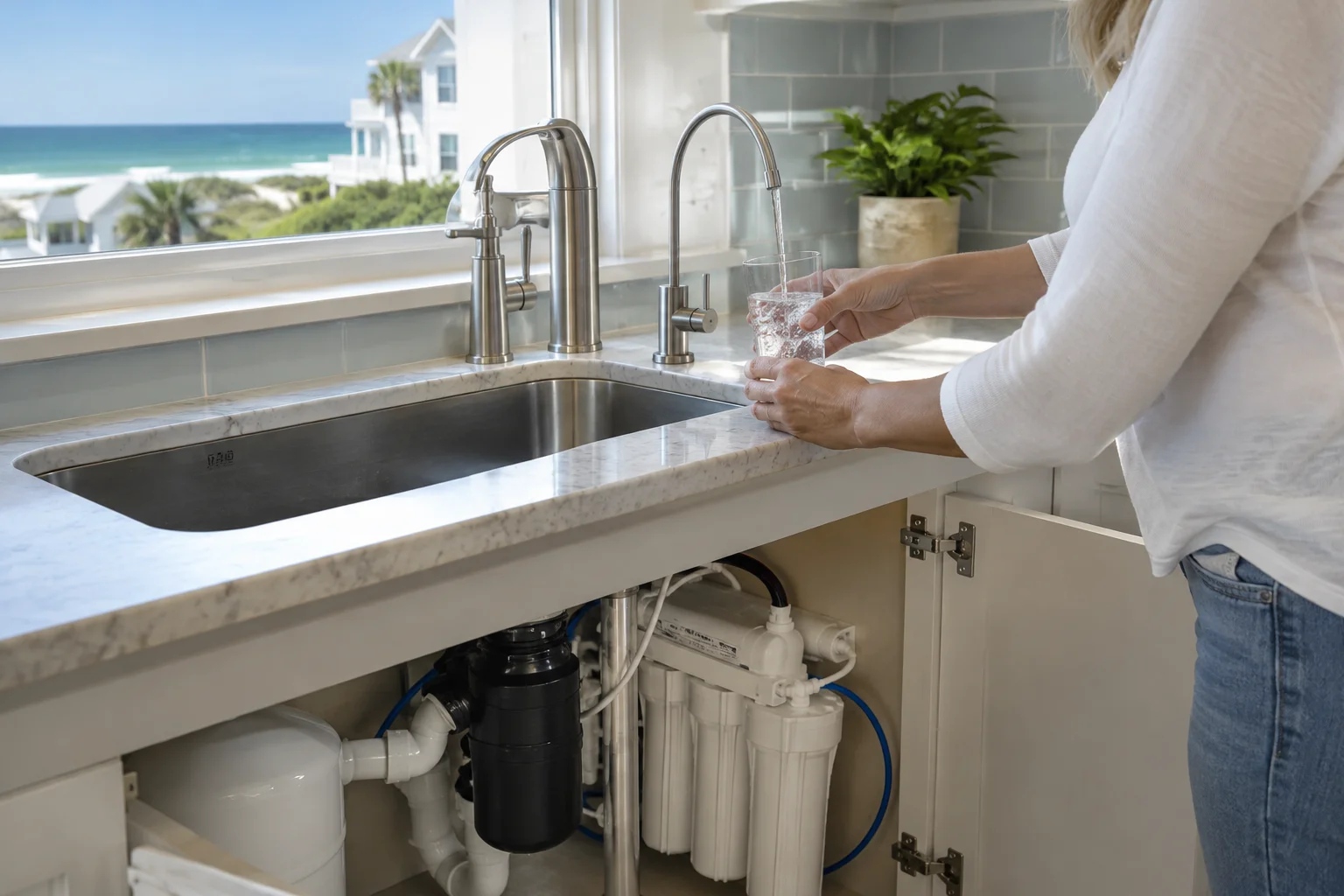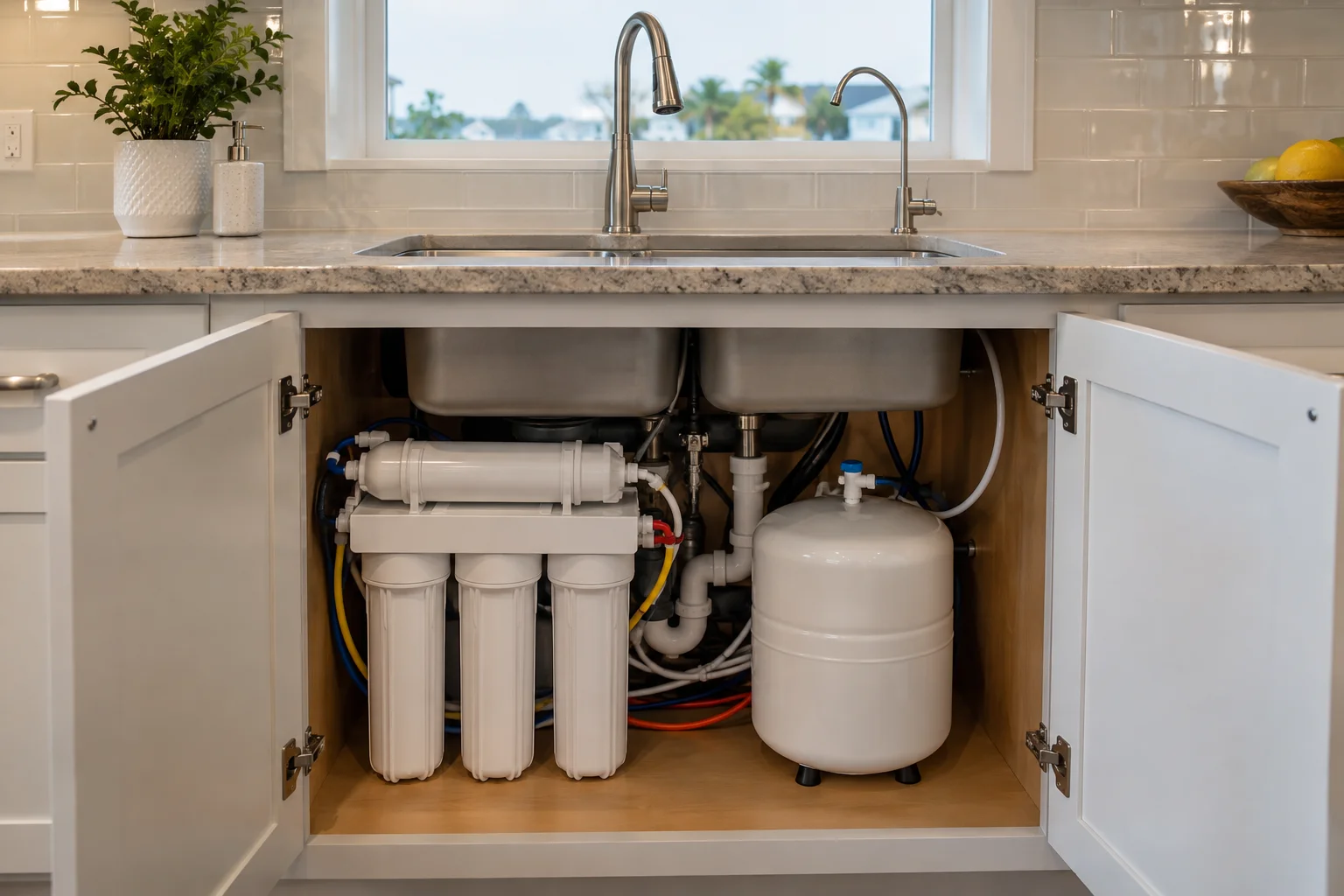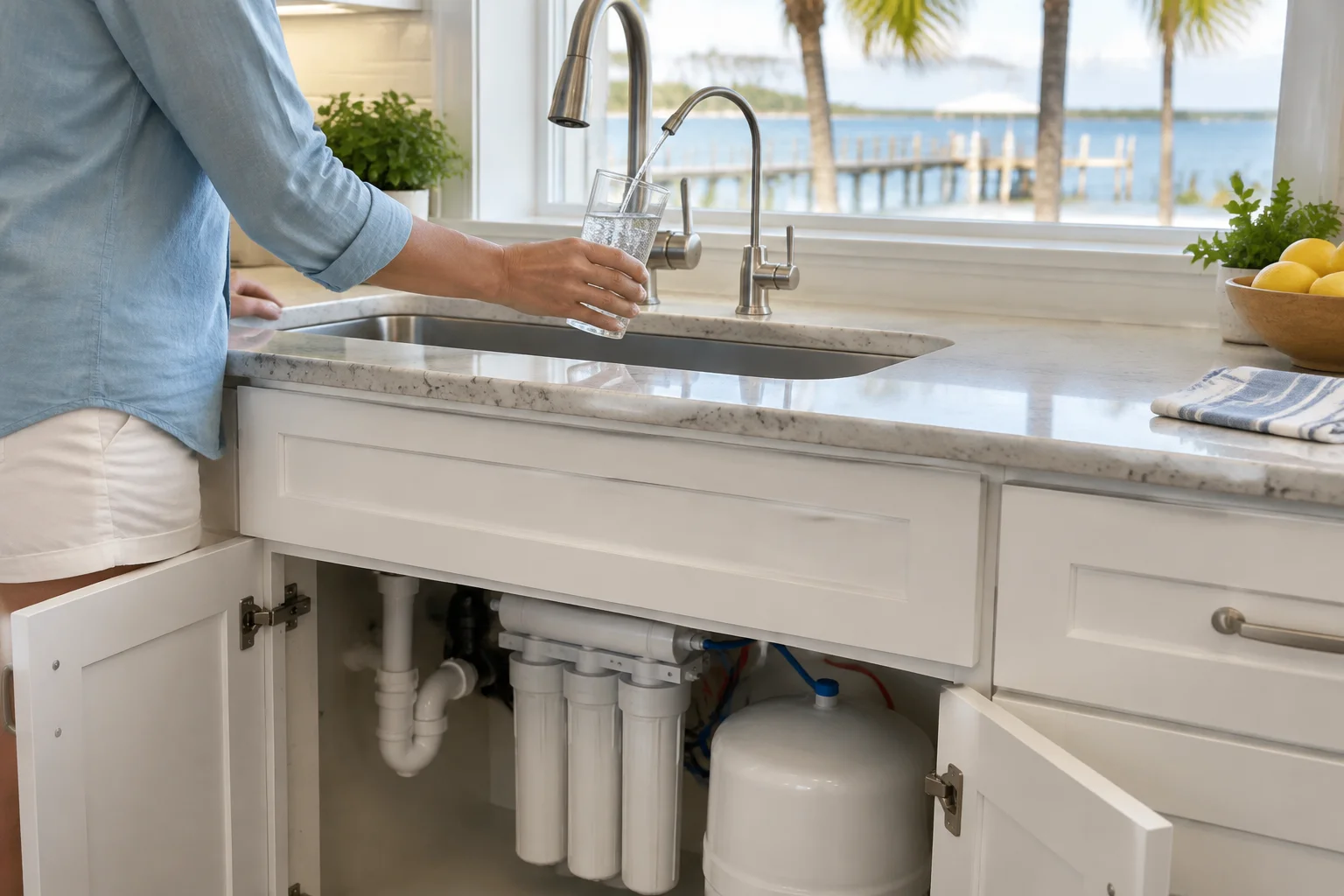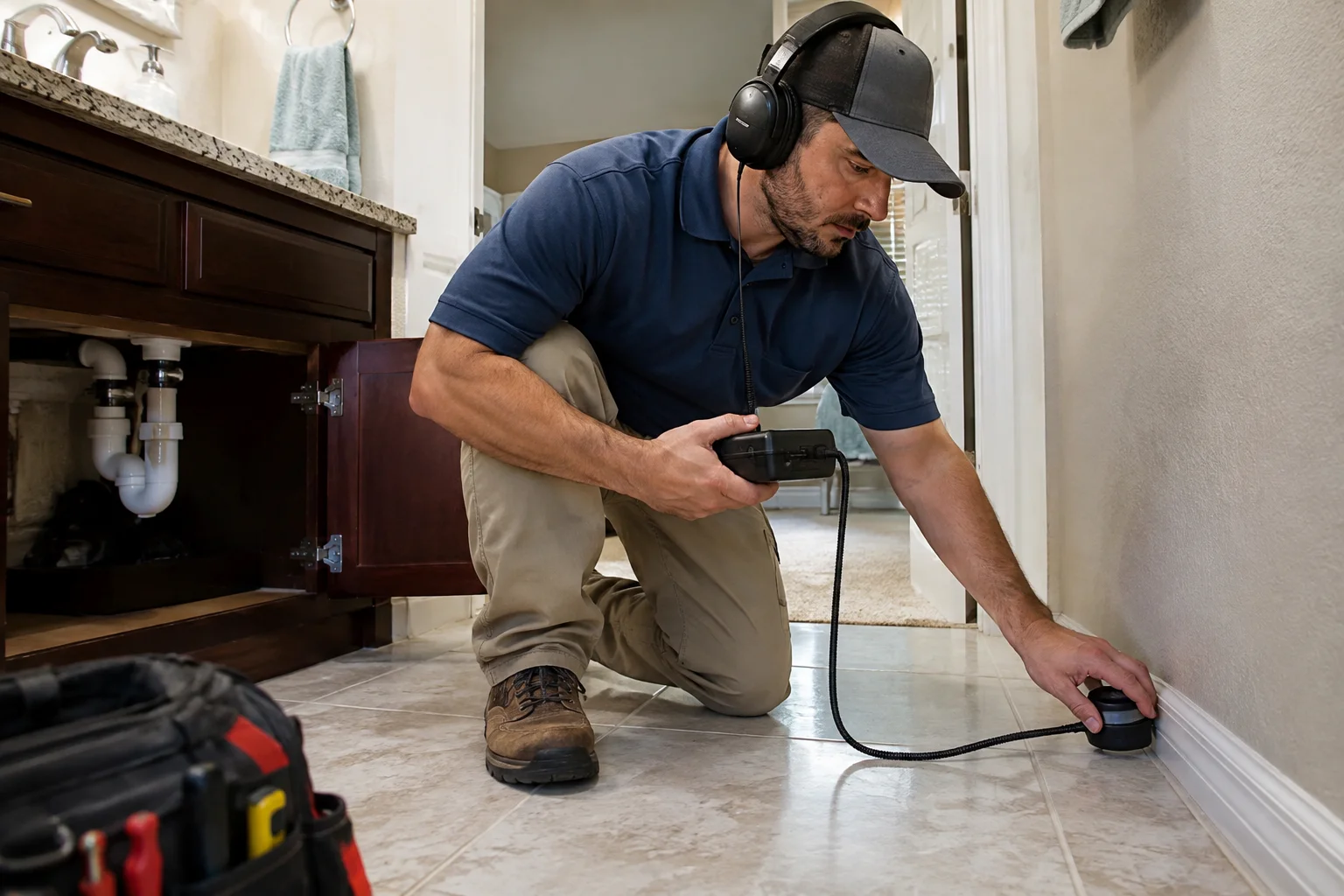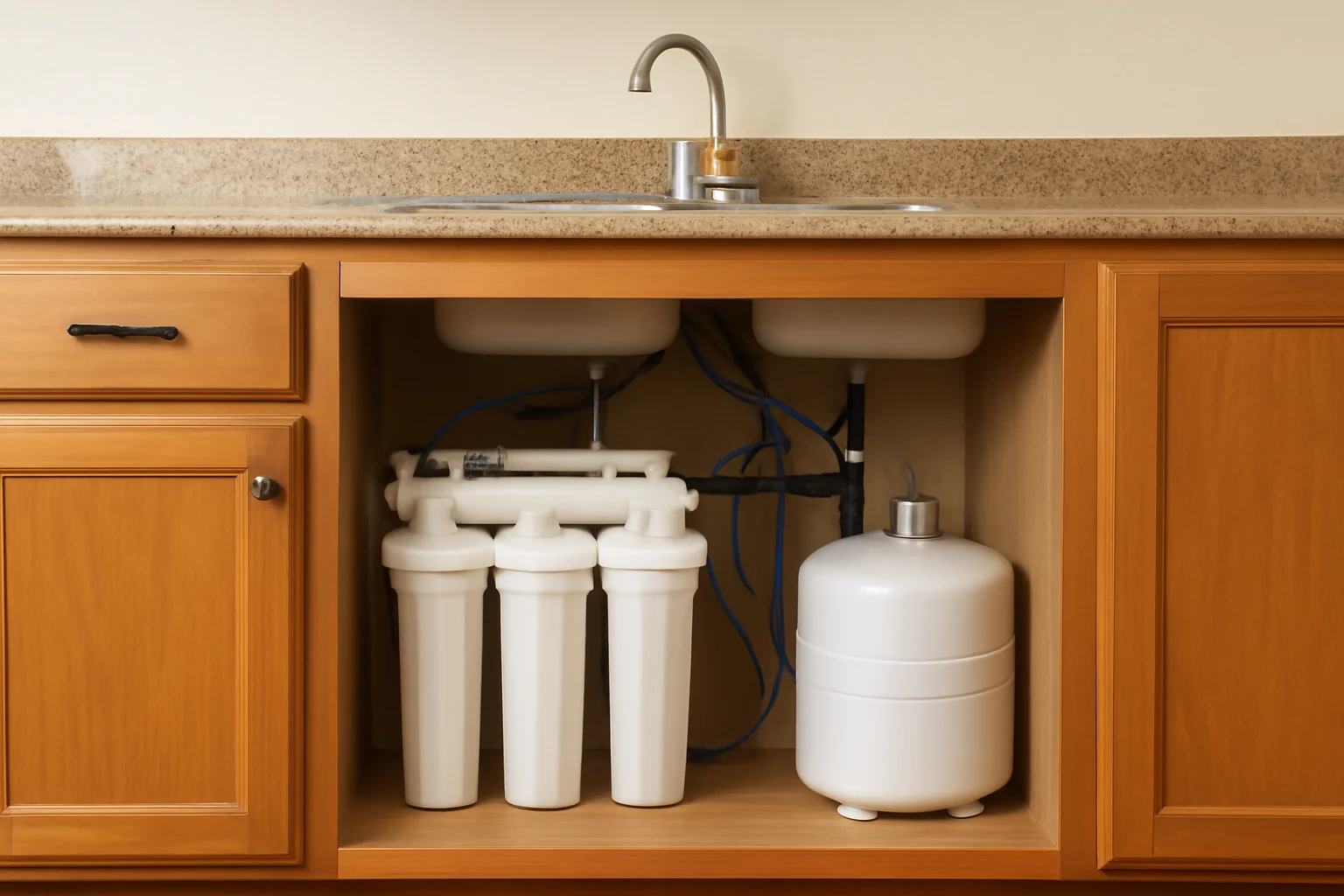
Pretty Bayou homes rely on clean, great-tasting water for everything from morning coffee to evening showers. When your reverse osmosis (RO) system is working well, it quietly improves drinking water quality. When it is not, you may notice warning signs like scale on fixtures, metallic or chlorinated taste, cloudy ice cubes, or appliances wearing out faster. The tricky part is that many RO issues connect back to water hardness and scale formation, especially in Florida homes where hard water can be common.
If you are searching for reverse osmosis system near me, water filtration near me, or clean water systems near me, it helps to know what to look for. This guide covers water quality warning signs tied to RO systems in Pretty Bayou, FL, and practical ways to reduce scale and protect plumbing and appliances.
Why RO systems and hard water can be a tough pairing
Reverse osmosis removes dissolved contaminants by pushing water through a semi-permeable membrane. That membrane is designed to work best when incoming water is not loaded with minerals that form scale. In hard water, calcium and magnesium can build up on surfaces over time. Even small changes in feed water quality can affect how quickly scale forms.
In daily life, the results show up where you can see and feel them: hard water spots on glass, dishes, and shower doors; scale buildup around faucets and showerheads; and mineral deposits in plumbing lines. Those same minerals can also impact your RO membrane and related components, leading to reduced performance and shorter service intervals.
Pretty Bayou weather brings its own demands. Humidity and warm temperatures can increase the frequency of water use and the speed at which mineral residue becomes noticeable. When the system is under strain, you may see changes in taste, odor, and water clarity that affect the whole household routine, from drinking water to laundry and bathing.
Water quality warning signs that often connect back to RO performance
Not every symptom means your RO system is failing, but several common issues are linked to membrane fouling, clogged filters, or scale buildup. If you recognize more than one, it is a good time to schedule water testing and system inspection.
1) Scale buildup on faucets, showerheads, and plumbing
Look for scale buildup around faucets, showerheads, and the edges of plumbing fixtures. You might see chalky white rings, rough deposits, or spots that return quickly after cleaning. Hard water spots on glass and dishes are another tell. When these deposits appear alongside RO issues, it often points to mineral load and incomplete pretreatment.
Scale is not just cosmetic. In an RO unit, scale can coat the membrane and reduce flow, increase pressure, and shorten the lifespan of components. That can lead to less effective contaminant reduction even if the system is still producing water.
2) Soap that does not lather or rinse well
Have you noticed that soap does not lather or rinse well, even when you use the same products you have always used? Hard water can interfere with how soap works. You may also feel residue on skin or notice laundry that feels stiff or looks dull.
When your RO system is not addressing hardness effectively, the water used for bathing and cleaning can still carry mineral content. If you run laundry and bathing with untreated or partially treated water, the effects can be immediate.
3) Dry skin or dull hair after bathing
Many homeowners describe dry skin or dull hair after bathing when water is mineral-heavy or when chlorine and other irritants are present. RO drinking water can help for drinking and cooking, but if you also want better bathing and whole home water filtration, you may need additional treatment beyond a single tap RO unit.
In homes where the bathroom routine feels harsher than it should, it is worth checking the full water treatment setup, not only the under-sink system.
4) Metallic, chlorinated, or unpleasant taste
Another frequent complaint is metallic tasting water or chlorine taste in water. RO typically reduces many taste and odor compounds, but if the membrane is scaled or if carbon filtration is saturated, the water can taste off again.
Some families notice the change first when making drinking water for the kitchen table or filling a water pitcher. If you are seeing taste issues, it is also smart to check whether the system has been maintained on schedule.
5) Cloudy ice cubes or water that looks different
Cloudy ice cubes can be a clue that minerals, dissolved gases, or residual contaminants are not being reduced as expected. If your RO drinking water system is producing cloudy ice more often than before, that can signal membrane decline or filter changes needed.
Because ice is made from your drinking water, it is a simple way to spot changes at home.
6) Poor tasting coffee and cooking water
Kitchen scenes often reveal water quality problems fast. Coffee tastes flatter. Tea has a strange aftertaste. Rice or pasta can turn out inconsistent. Poor tasting coffee water is a classic sign that your water chemistry is not supporting the flavors you expect.
RO can be an excellent solution for drinking water and cooking water, but it needs good pretreatment to stay effective. When hardness is high and scale builds up, the system may still run, but performance can drift.
7) Visible sediment, discoloration, and odor concerns
If you notice visible sediment, discoloration, or odor concerns in the RO output, do not assume it is “normal.” Sediment can come from a failing prefilter or from a system that is not being sanitized or maintained. Discoloration can also indicate a problem with storage tanks or internal components.
This is one of those “fix it sooner rather than later” scenarios, because your household drinking water is involved.
8) Appliances wearing out faster
Water quality affects more than taste. Appliances that use water, such as coffee makers, kettles, and some dishwashing equipment, can scale internally. Over time, scale reduces efficiency and increases wear.
If your appliances seem to require more frequent descaling or replacement, you may be dealing with hard water scale buildup on internal surfaces. That can also affect your plumbing, including buildup around faucets and in plumbing runs.
How scale forms in RO systems and what it does to performance
Scale forms when minerals precipitate and deposit on surfaces. In an RO unit, that can happen when the membrane sees high mineral concentration at the feed side. As water passes through, the remaining water becomes more concentrated, which can accelerate scaling.
When scale starts to build up, you may see:
- Slower production rates or reduced water flow
- Higher system pressure or more frequent cycling
- Changes in taste and odor because filtration is less effective
- Shorter filter life and more frequent maintenance needs
That is why water softener service near me and proper pretreatment matter. RO systems often need help upstream to keep minerals from reaching the membrane in the first place.
Solutions that reduce scale and protect RO membranes in Pretty Bayou
The best RO system protection plan usually combines maintenance, pretreatment, and correct system sizing. Here are proven approaches homeowners can discuss with a qualified water treatment pro in Pretty Bayou and Bay County.
Use the right pretreatment for hardness
Many RO installations include sediment filtration and carbon filtration, but hardness control is the next key step. Depending on your water test results, a water softener or other conditioning method may be recommended to reduce mineral load.
For homes that want a dependable brand option, AO Smith water softener systems are commonly used as part of a broader clean water systems plan. A properly sized softener can reduce scaling risk and help your RO membrane last longer.
If you are considering reverse osmosis installation near me, ask what pretreatment is recommended based on local water conditions. A system that looks “complete” on paper may still struggle if hardness is not managed effectively.
Confirm your RO system maintenance schedule
RO systems are not set-and-forget. Filter cartridges, carbon blocks, and membrane elements have service life windows. If filters are overdue, you may see taste and odor changes, cloudy ice cubes, and reduced contaminant removal.
Maintenance often includes:
- Replacing prefilters and carbon stages on schedule
- Checking RO membrane performance
- Inspecting for leaks, pressure issues, and storage tank health
- Sanitizing the system when appropriate
When hard water treatment becomes part of protecting fixtures and appliances, it can also protect your RO system from early scaling and fouling.
Consider whole home water filtration for bathing and laundry
Many homeowners install RO for drinking water and cooking water, then wonder why bathwater still feels harsh. If dry skin or dull hair persists, it may be time to expand water treatment.
Whole home water filtration can reduce sediment and improve water quality across your home. Paired with water softening, it can also help with soap performance, spot reduction on glass and fixtures, and overall comfort during bathing.
In Pretty Bayou, homeowners who want cleaner water beyond the kitchen often ask about a whole house water filter as part of their clean water systems near me search.
Use RO drinking water correctly for the whole kitchen routine
RO water can make a noticeable difference in everyday kitchen scenes. Families often switch to RO drinking water system output for:
- Drinking water and ice
- Coffee and tea
- Cooking water for pasta, rice, and soups
- Brushing teeth, especially for kids
When you use RO water for these tasks, you get better taste and more consistent results. Just remember that if you want better water for bathing and laundry, you may need additional whole home water filtration or water softening.
Watch for “it still runs” problems
Some RO systems continue producing water even as performance declines. That can be dangerous if you assume everything is fine. If you notice metallic tasting water, chlorinated taste in water, or visible sediment, treat it as a real warning sign, not a minor inconvenience.
Homeowners often notice the issue first during cooking, when flavors change, and then later see cloudy ice cubes. That sequence is common because taste and clarity show up before larger equipment failures.
Maintenance habits that help between service visits
You can do a few things at home to support system performance, even though filter replacement and testing should be handled by professionals.
- Track filter change dates. If you do not know when the last service happened, schedule inspection.
- Check the output. Taste, odor, and clarity changes are often early indicators.
- Inspect storage tank and lines for unusual leaks or smells.
- Keep the system area clean and dry. Under-sink environments can collect moisture that affects components.
- Use the system consistently if it is designed for daily use. Long periods of non-use can require sanitizing.
If you are also dealing with hard water spots on glass and dishes, consider how your overall water treatment plan supports the RO system. A well matched system can reduce scale buildup on faucets, showerheads, and internal appliance surfaces.
Why local water conditions in Pretty Bayou matter for RO performance
Even within the same state, water chemistry can vary by neighborhood and supply conditions. In Bay County, many homeowners experience mineral-driven challenges like scale and soap inefficiency. When your water is hard, scale risk rises and RO membranes can foul faster.
That is why water testing and local system sizing matter. A professional reverse osmosis system near me service should evaluate your incoming water, identify hardness and contaminant levels, then recommend pretreatment and maintenance intervals that make sense for your household.
If your home has older plumbing or if you have noticed plumbing wear and tear in the form of reduced water flow or more frequent cleaning, it can also influence how you approach water filtration and clean water systems near me searches.
Protect your investment: combine RO with the right water treatment plan
RO is a smart tool for better drinking water and cooking water. But it works best when your system is protected from scale and when maintenance keeps pace with real water conditions. Many Pretty Bayou homeowners improve results by combining:
- Reverse osmosis for drinking and cooking
- Water softening or hardness reduction to limit scale buildup
- Whole home water filtration if bathing, laundry, and fixtures need improvement
- AO Smith water filtration components where appropriate for consistent performance
This approach helps reduce hard water spots on glass, scale buildup around faucets and showerheads, and the feeling of dry skin or dull hair after bathing. It can also help appliances last longer by reducing internal scale deposits.
Need RO help in Pretty Bayou? Start with the right service page
If you are seeing warning signs connected to your RO system, A Superior Mechanical can help with reverse osmosis system installation, repair, replacement, and maintenance in Pretty Bayou. For service focused on your exact setup, visit /service-areas/bay-county/pretty-bayou/reverse-osmosis-systems-pbbcfl.
If you are also exploring broader options like water softening and a whole house water filter, you can compare approaches on /water-filtration-ro-water-softeners. For service coverage and local availability, see /service-areas/bay-county/pretty-bayou and /service-areas/bay-county.
Related reading for Pretty Bayou homeowners
If you want to connect the dots between water quality and home wear, these guides are useful:
- Pretty Bayou Homes and the Real Cost of Hard Water: How Reverse Osmosis Helps Protect Plumbing
- How Plumbing Wear and Tear Shapes Water Purification in Pretty Bayou Homes
- Smart Plumbing Habits for Reverse Osmosis Systems in 30A Homes
- Cleaner Drinking Water and Healthier Plumbing: A Rosemary Beach Homeowner’s Guide to Reverse Osmosis Systems
When to call a professional right away
Some issues are worth addressing quickly because they affect drinking water quality and can lead to faster equipment wear. Call a water treatment professional if you notice:
- Visible sediment or discoloration in RO output
- A sudden return of metallic tasting water or chlorinated taste in water
- Cloudy ice cubes that persist after recent filter changes
- Leaks, unusual odors, or a major drop in water production
- Scale buildup on faucets and showerheads that keeps accelerating
Taking action early helps protect your RO membrane, reduces the chance of repeated appliance descaling, and supports the everyday routines that depend on clean water.
Find Reverse Osmosis Systems in Pretty Bayou, FL
If you need Reverse Osmosis Systems in Pretty Bayou, FL, visit our local service page or contact A Superior Mechanical today.
For a broader look at whole-home water filtration, reverse osmosis, and water softener options, visit our water filtration, RO, and water softener page.
Map of Pretty Bayou, FL
Frequently Asked Questions
What are the most common warning signs that my reverse osmosis system needs service?
Common signs include metallic or unpleasant taste, chlorine taste in water, cloudy ice cubes, visible sediment, and a noticeable drop in water flow. If you also see scale buildup on faucets and showerheads, it may point to hardness and membrane scaling issues.
Can hard water cause scale inside a reverse osmosis system?
Yes. Calcium and magnesium can form scale that coats RO membranes and reduces performance. That is why many homes need hardness reduction through water softening or other pretreatment, especially when hard water spots on glass and dishes keep returning.
Do I need water softener service if I already have RO for drinking water?
Often, yes. RO is great for drinking and cooking water, but it may not protect itself from scaling unless pretreatment is designed for your incoming water hardness. A water test can confirm whether an AO Smith water softener or similar approach makes sense for your system.
How often should RO filters and membranes be replaced in Pretty Bayou homes?
Service intervals depend on your water quality, usage, and the type of cartridges installed. If you notice soap does not lather, dry skin after bathing, or taste changes, it can be a sign that filters are overdue or that the system needs inspection sooner.
Will whole home water filtration help with dry skin, dull hair, and soap that does not rinse well?
It can. Whole home water filtration and water softening can improve water quality across bathing and laundry, which is where many families feel the difference. RO alone usually targets drinking water and cooking, unless the system is designed for broader coverage.
Related Articles
- Pretty Bayou Homes and the Real Cost of Hard Water: How Reverse Osmosis Helps Protect Plumbing
- How Plumbing Wear and Tear Shapes Water Purification in Pretty Bayou Homes
- Smart Plumbing Habits for Reverse Osmosis Systems in 30A Homes
- Cleaner Drinking Water and Healthier Plumbing: A Rosemary Beach Homeowner’s Guide to Reverse Osmosis Systems
Photo Gallery