Parker, FL is a demanding place to run a business HVAC system. Heat loads build fast, humidity stays high, and coastal salt air can accelerate wear on metal parts and outdoor units. When a commercial system starts giving warning signs, those symptoms usually connect to specific repair needs like airflow restrictions, condensate drainage problems, refrigerant system issues, or thermostat and control faults. Catching the pattern early helps property owners plan repairs, protect indoor air quality, and avoid emergency cooling concerns during peak weather.
Why “comfort problems” are often HVAC warning signs in disguise
For commercial property managers, comfort complaints are not just inconveniences. They are data. A sudden change in temperature balance, humidity levels, airflow, or system cycling often points to an underlying HVAC problem that will worsen if it is ignored.
In Parker, FL, the most common comfort related issues show up during hot, humid periods. When outdoor conditions are already working against the system, even minor problems can lead to noticeable effects inside:
- Rooms that feel warmer than expected even when the thermostat is set correctly
- Hot or cold spots that shift over time
- Stuffy air or odors that do not clear
- Higher humidity that makes spaces feel sticky
- Airflow changes from vents, dampers, or diffusers
These symptoms are often linked to commercial HVAC repair priorities like ductwork performance, indoor air quality control, and proper system operation under Florida heat and humidity.
Warning signs property owners can spot before a breakdown
Every building has unique loads, but warning signs tend to follow a familiar pattern. Below are common HVAC alerts and the repair planning connections they usually suggest.
1) Temperature swings and uneven airflow
If one zone feels consistently too warm while another cools normally, the issue may involve airflow distribution. In commercial systems, comfort depends on proper ductwork performance, correct damper operation, and balanced supply and return air. A failing fan, blocked filters, restricted ductwork, or control problems can all cause uneven airflow.
Because Parker businesses often run long hours, airflow problems can also increase energy use as the system works harder to maintain setpoints. If you have not reviewed ductwork condition or airflow performance recently, this is a strong reason to schedule commercial HVAC service rather than waiting for a full failure.
2) Humidity that will not come down
High humidity is a major comfort and indoor air quality concern in Bay County’s coastal climate. When humidity stays high, occupants may complain about sticky air, condensation, or lingering odors. Humidity control issues can be tied to system operation, airflow rates, condensate drainage performance, and related components.
For property owners, the key is to treat humidity as an HVAC warning sign, not a seasonal annoyance. Poor dehumidification can also create conditions that affect building materials and can worsen comfort even if the air temperature seems acceptable.
If you are exploring whole home approaches for humidity control, consider reviewing Whole Home Dehumidifiers alongside ongoing HVAC maintenance and repairs.
3) Condensate drainage issues or water around the unit
Condensate drainage problems can show up as water on floors, dripping near indoor air handlers, or moisture around equipment. In a commercial setting, these issues can become urgent because standing water can damage nearby surfaces and create indoor air quality concerns.
Clogged drain lines, improper drainage slope, blocked drain pans, or drainage component failures can all lead to leaks. Even if the system seems to cool, a drainage issue can turn into an emergency cooling concern if it disrupts normal operation.
4) Refrigerant system warning signals
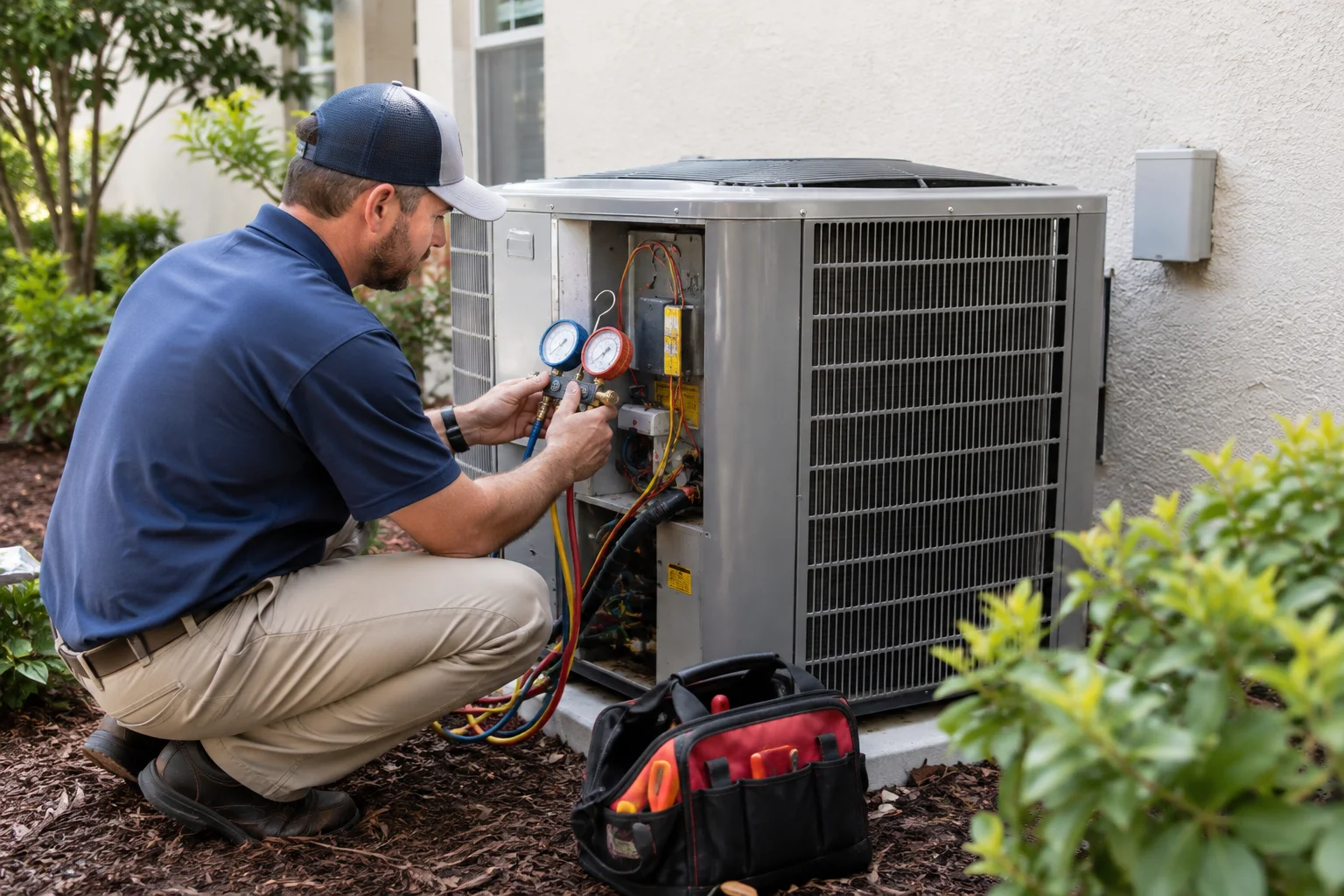
Refrigerant systems are engineered to move heat efficiently. When refrigerant charge or system performance is off, comfort often suffers and the system can work harder than intended. Symptoms might include inadequate cooling, unusual temperature patterns across the system, or persistent cycling.
Important: refrigerant diagnosis requires in-person evaluation by a qualified technician. Homeowners should avoid attempting DIY checks or adjustments. A professional can inspect the system, verify operating conditions, and determine whether a refrigerant related repair is actually needed.
5) Thermostat behavior that does not match reality
Sometimes the warning sign is not the equipment itself. If the thermostat reads one temperature but the space feels different, or if the system short cycles, the thermostat and controls may be contributing. Commercial buildings may use advanced thermostats, scheduling controls, or multi zone systems, and these controls can drift or fail.
Thermostat installation and calibration should be handled by a local HVAC service professional. If you are troubleshooting comfort complaints, it helps to confirm whether the thermostat installation matches the building’s HVAC design. For related service, many businesses also consider New Construction Air Conditioning planning principles when updating or expanding systems.
6) Unusual noises, odors, or visible airflow changes
New or escalating noises can indicate fan issues, airflow restrictions, airflow imbalance, or component wear. Odors can point to dirty components, microbial growth concerns, or issues with air movement through ductwork. Visible airflow changes, like weak supply air or air that seems to come from unexpected locations, often connect to ductwork or filter problems.
If you have concerns about duct condition and airflow performance, ductwork services may be part of the repair plan. A helpful starting point is Ductwork Services.
How the coastal climate in Parker affects commercial HVAC repairs
Parker is in Bay County, and the local climate is shaped by heat, humidity, and salt air. Those factors matter for repair planning because they influence how quickly certain HVAC issues can develop.
- Corrosion risk can increase wear on outdoor components and fasteners, especially when salt air accelerates oxidation.
- Humidity load increases strain on cooling, dehumidification, and condensate drainage.
- Airflow demand rises during peak occupancy and peak outdoor temperatures, revealing ductwork inefficiencies and filter restrictions sooner.
- Energy use increases when systems run longer cycles to keep spaces comfortable.
That is why commercial HVAC repair in Parker needs to focus on both immediate symptoms and the environmental factors that can keep causing the same problem to return.
Common commercial HVAC causes behind the warning signs
Warning signs usually have a cause that fits into a few categories. A professional evaluation helps narrow it down quickly.
Airflow restrictions and ductwork performance
Dirty filters, clogged returns, blocked supply registers, and ductwork problems can reduce airflow. Reduced airflow affects comfort, humidity control, and system efficiency. It can also increase the risk of condensate drainage problems when airflow patterns change.
If you are managing multiple units or older duct systems, consider planning airflow improvements before the hottest weeks. For Parker’s humidity season, duct preparation can reduce stress on the system. You can explore Planning Duct Sealing and Aeroseal Work Before Parker Heat and Humidity Push Your HVAC Harder.
Condensate drainage and moisture management
In high humidity, condensate production increases. A drainage system that is marginal can fail when the building load rises. That is why water management should be part of preventive HVAC maintenance, not just a reaction after leaks appear.
Refrigerant system performance and heat transfer
When refrigerant systems are not operating as designed, heat transfer becomes less efficient. Comfort can drop and the system can run longer, increasing energy use. Refrigerant related repairs require professional testing and verification.
Thermostats, controls, and scheduling
Commercial buildings often use schedules to manage occupancy. If thermostats, sensors, or control settings do not match actual usage, systems may cycle incorrectly or run when they should be off. Calibration and control checks can improve comfort without replacing equipment.
Built up wear on fans and outdoor components
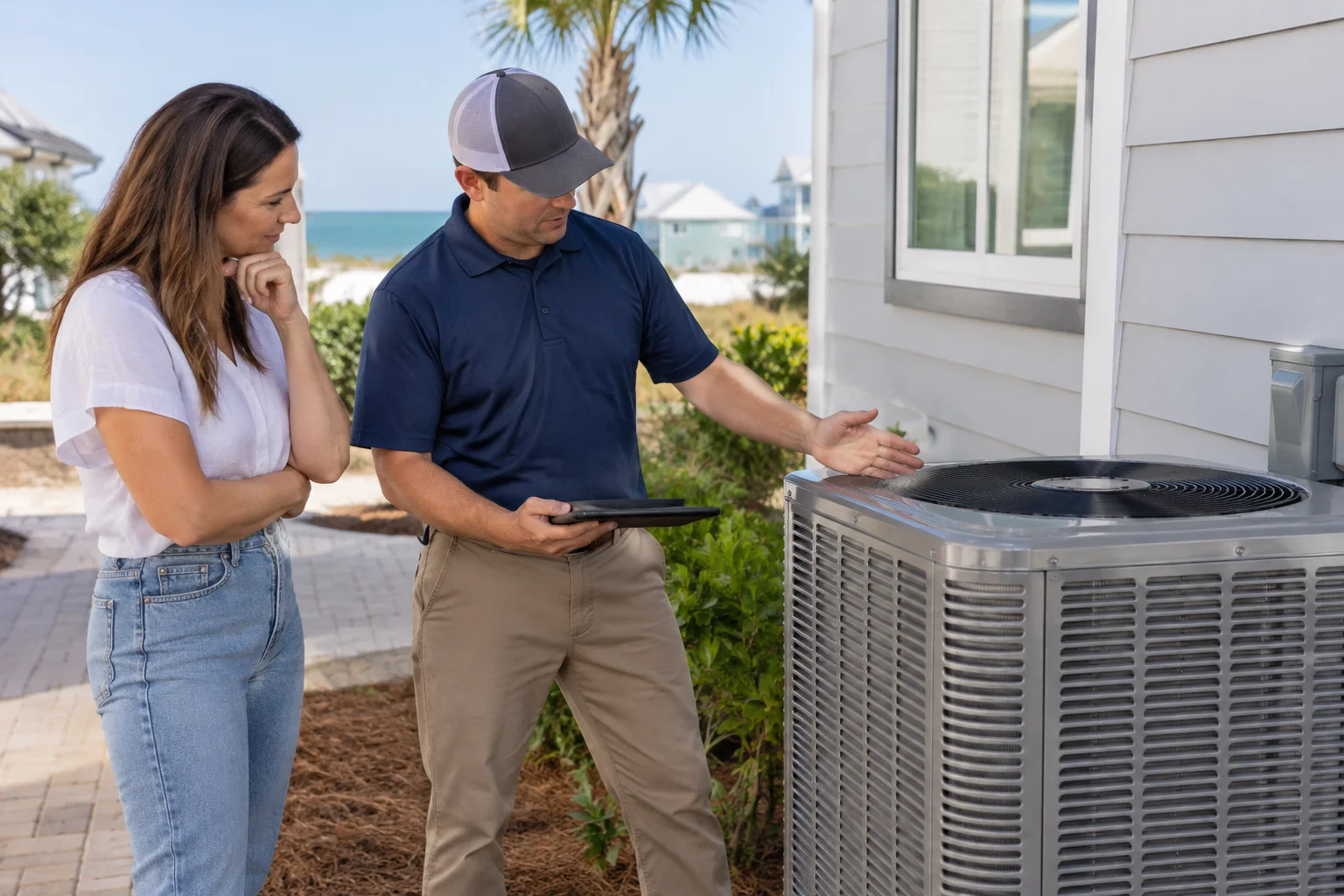
Outdoor units in coastal climates handle a lot. Salt air and weather exposure can affect performance. Worn components can increase noise, reduce airflow, and lead to more frequent cycling.
Repair planning: how to reduce downtime for Bay County businesses
When warning signs appear, a smart repair plan protects your operation. Commercial HVAC repair is not only about fixing what is broken. It is also about managing schedule, minimizing disruption, and prioritizing repairs that prevent repeat failures.
Document symptoms and operating patterns
Property owners and managers can help technicians by tracking what is happening:
- When the comfort issues start and how long they last
- Which zones or areas are affected
- Any visible water near condensate drains
- Any unusual noises or smells reported by occupants
- Whether the problem changes during business hours versus after hours
This information supports faster diagnostics and better repair planning.
Prioritize repairs that affect indoor air quality and moisture
In Parker, humidity and moisture are not minor issues. They can impact indoor air quality and occupant comfort. If warning signs include persistent humidity, musty odors, or drainage concerns, those repairs should move up the priority list.
If your team is searching for indoor air quality services near me because occupants complain about air freshness, consider that HVAC airflow, filtration, and duct condition can all influence indoor air quality outcomes.
Plan maintenance around the seasonal load
Preventive HVAC maintenance near me searches often spike before peak summer. That is because maintenance helps reduce the chance of mid-summer breakdowns. When maintenance is scheduled earlier, you can address airflow issues, verify condensate drainage performance, inspect filters and components, and confirm thermostat operation before the hottest weeks.
If you want a practical approach to keeping comfort stable through the season, read Keeping Commercial HVAC Problems Small in Parker, FL.
Coordinate larger projects with building operations
Some commercial HVAC repairs are part of bigger upgrades, like ductwork improvements, system modernization, or adding dehumidification strategies. If you are planning a project, Keeping Commercial HVAC Projects on Track in Parker, FL can help you think through staging, scheduling, and operational continuity.
Emergency cooling concerns: when “repair planning” becomes urgent
Commercial properties cannot always wait. If the system stops cooling, if there is active water leakage from condensate drainage, or if the building cannot maintain safe comfort levels for occupants, emergency AC repair near me becomes a real need.
Other urgent scenarios include major airflow loss, persistent short cycling, or symptoms that suggest the system is not operating safely or effectively. When you see a warning sign that escalates quickly, contact a qualified commercial HVAC contractor the same day.
A Superior Mechanical provides fast, dependable commercial HVAC repair in Parker, FL for businesses that need quick diagnostics, efficient service, and lasting performance in Bay County’s demanding coastal climate. For service routing and more local context, you can also explore the city overview at /service-areas/bay-county/parker and the commercial HVAC repair service page at /service-areas/bay-county/parker/commercial-hvac-repair-pbcfl.
Preventive steps that property owners can take between service visits
You cannot prevent every HVAC issue, but you can reduce the chance of repeated warning signs. These steps support HVAC maintenance and make repairs more effective.
- Use consistent thermostat scheduling based on actual occupancy and verify setpoints against comfort complaints.
- Replace or service filters according to the building’s maintenance schedule and occupancy needs.
- Watch for airflow and humidity changes in the same areas each week. Patterns matter.
- Keep outdoor unit areas clear so airflow is not blocked by landscaping, debris, or storage.
- Address condensate drainage concerns early if you notice water, wet spots, or recurring moisture.
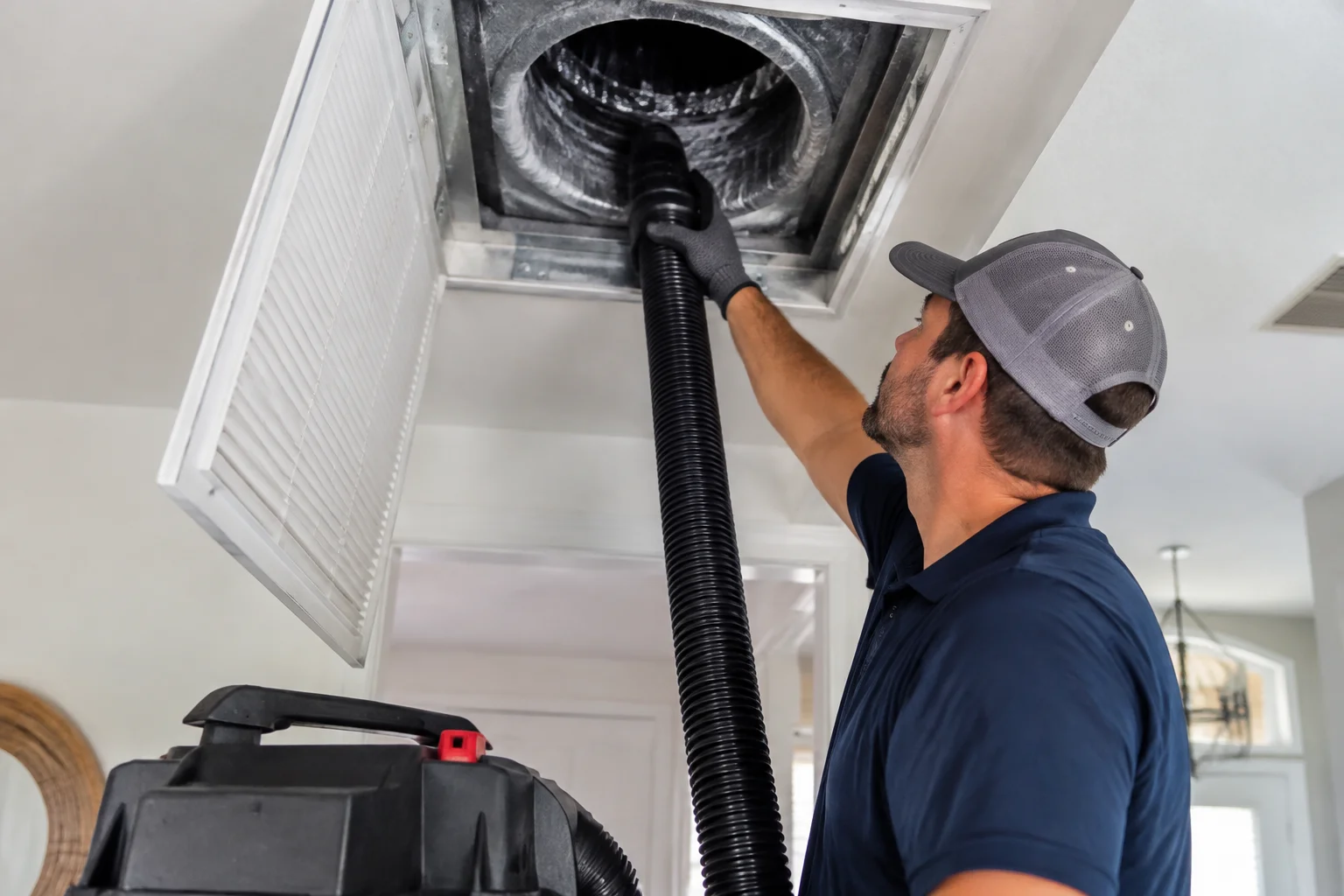
Some property owners also consider duct inspection near me and duct cleaning near me when airflow complaints persist. While duct cleaning is not always the solution, inspection can help confirm whether ductwork performance is contributing to comfort issues. For duct related concerns, you may also review ductwork services.
When system upgrades enter the conversation
Not every warning sign means equipment replacement is needed. Many comfort problems are resolved through repair, airflow corrections, and maintenance. Still, commercial owners sometimes start planning upgrades when:
- The system repeatedly needs repairs during the same season
- Humidity control remains poor despite routine service
- Airflow issues cannot be corrected without major ductwork changes
- Controls and zoning do not match current building use
If you operate specialized buildings or want different zoning options, you can explore VRF Multi-Zone Systems as part of longer term planning. For new or expanded spaces, New Construction Air Conditioning can offer useful design context.
Any decision about upgrades should follow an in-person assessment. A qualified technician can evaluate refrigerant system performance, airflow, condensate drainage, ductwork, and control operation to determine the most appropriate repair or modernization path.
How to choose the right commercial HVAC repair partner in Parker
When you search for HVAC company near me or air conditioner service near me, it helps to look for commercial experience and an approach that connects symptoms to repair planning. For example, a good service visit typically includes:
- Reviewing the comfort complaints and system behavior
- Checking airflow and operational conditions
- Inspecting condensate drainage and moisture related components when relevant
- Verifying thermostat and control operation
- Evaluating ductwork and air distribution when airflow is inconsistent
These steps matter because commercial HVAC systems are designed to work as a system. In Florida heat and humidity, small issues can cascade into bigger performance problems. Local expertise also helps with coastal considerations like corrosion and outdoor unit exposure.
Local resources for Parker property owners
If you manage multiple properties or you are trying to build a maintenance plan for Bay County’s climate, start with local service pages and local guidance. You can learn more about commercial HVAC repair at /service-areas/bay-county/parker/commercial-hvac-repair-pbcfl, browse the Parker area overview at /service-areas/bay-county/parker, and explore county level context at /service-areas/bay-county.
If you are planning ductwork improvements to support better airflow and humidity control, the Parker humidity season planning guide at /news/planning-duct-sealing-and-aeroseal-work-before-parker-heat-and-humidity-push-your-hvac-harder is a practical place to start.
When warning signs show up, the best time to plan repair is before the next heat wave. Paying attention to comfort changes, airflow, humidity, condensate drainage, and thermostat behavior helps turn reactive calls into organized commercial HVAC repair decisions.
Find Commercial HVAC Repair in Parker, FL
If you need Commercial HVAC Repair in Parker, FL, visit our local service page or contact A Superior Mechanical today.
Map of Parker, FL
Frequently Asked Questions
What are the most common commercial HVAC warning signs in Parker, FL?
Common signs include uneven temperatures, weak or inconsistent airflow, humidity that stays high, musty odors, unusual noises, and any water near condensate drainage components. In Parker’s hot, humid weather, these issues often worsen quickly if they are ignored.
Can high indoor humidity mean I need immediate commercial AC repair?
It can. Persistent humidity affects comfort and indoor air quality, and it can also point to condensate drainage or airflow problems. If humidity is rising during normal operating hours or you notice moisture, schedule a professional inspection promptly.
How do airflow problems connect to ductwork and indoor air quality?
When airflow is restricted by filters, returns, supply paths, or ductwork, the system may not move enough air to cool and dehumidify properly. That can lead to stale air, uneven comfort, and indoor air quality concerns. A technician can evaluate airflow and ductwork performance during service.
Should a business owner try to diagnose refrigerant issues themselves?
No. Refrigerant system diagnosis and repair require in-person professional evaluation. DIY checks or adjustments can be unsafe and can delay the real fix. If cooling is inadequate or the system is behaving abnormally, schedule commercial HVAC repair for proper testing.
When is emergency AC repair near me the right choice for a commercial property?
Emergency service is appropriate when the system stops cooling, when there is active water leakage related to condensate drainage, or when comfort cannot be maintained for occupants. If the situation escalates during hot weather, contact a commercial HVAC contractor right away.
Related Articles
Photo Gallery