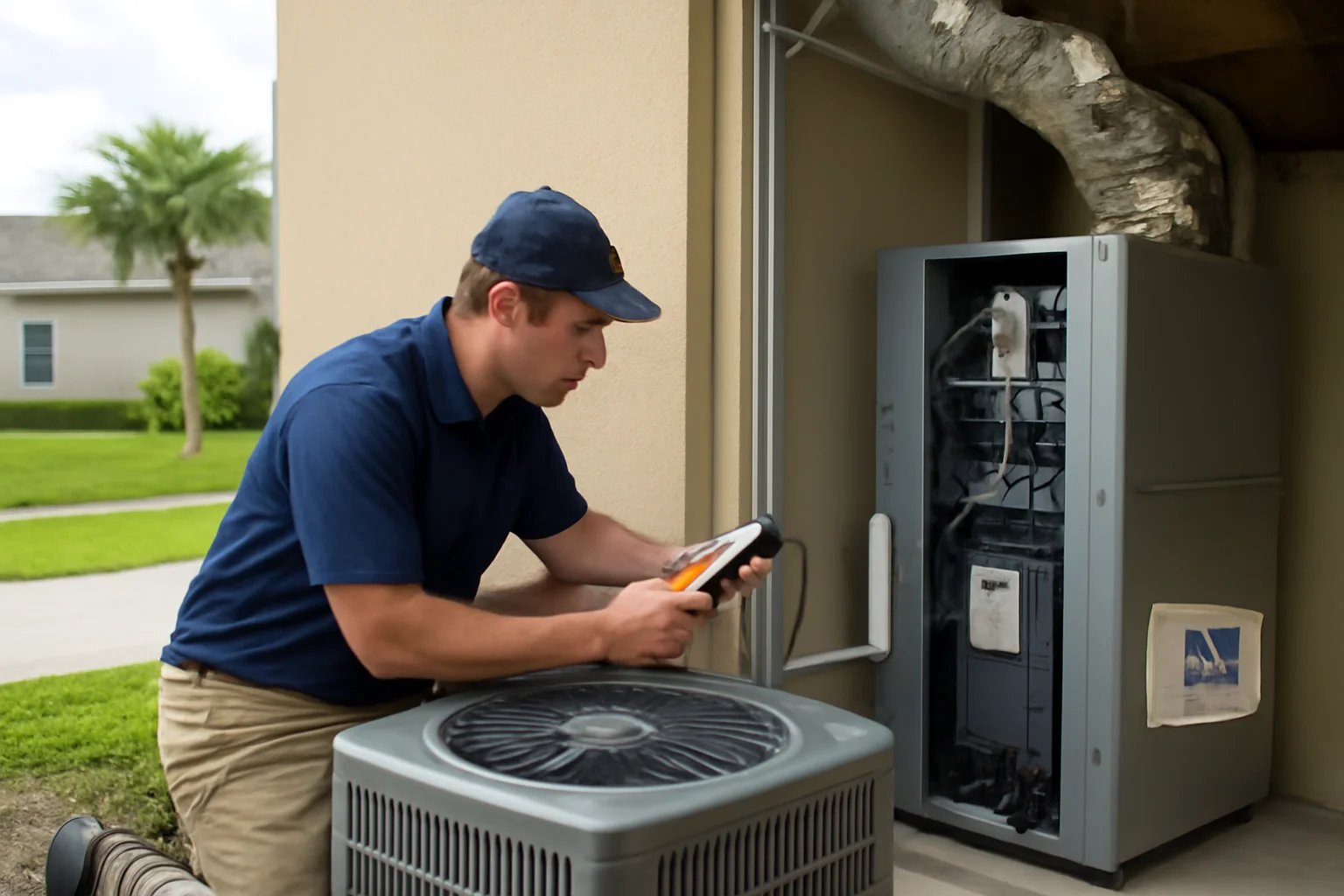
Latitude Margaritaville Watersound, FL has a coastal feel, but it also brings coastal humidity. When the air stays damp for long stretches, your HVAC system can struggle to keep comfort steady, and moisture can creep into places you cannot see. Whole home dehumidification is designed to help with that problem by controlling humidity throughout the house, not just in one room.
If you have noticed musty odors, foggy windows, sticky indoor air, or condensation near vents, this guide will help you understand how whole home dehumidification works in a Florida home, what can go wrong, and how preventive HVAC maintenance can reduce emergency cooling concerns during peak heat.
Why humidity is different in Latitude Margaritaville Watersound
In Bay County, Florida, summer humidity is not a minor inconvenience. Warm air holds more moisture, and coastal conditions can keep indoor humidity elevated even when your air conditioner is running. The result is often a home that feels muggy, even if the thermostat says the temperature is set correctly.
Whole home dehumidification matters here because it targets the root comfort issue: relative humidity. When humidity is too high, you can feel warmer than the thermostat setting suggests, and surfaces can stay damp enough to encourage mold growth and deterioration of interior materials.
Salt air and coastal exposure can also affect HVAC performance over time. While dehumidification is not the same as corrosion protection, moisture control supports the overall health of the system and the indoor environment around it.
What whole home dehumidification actually does
Whole home dehumidification is an HVAC-based approach to manage indoor moisture across multiple rooms by working with your heating and cooling system and the ductwork that distributes air. Depending on the setup, the dehumidifier may remove moisture from the air and move it to condensate drainage, while the HVAC system continues to regulate temperature and airflow.
In practical terms, homeowners usually notice benefits like:
- More even comfort, especially in bedrooms and hallways where air may feel warmer or wetter.
- Less condensation on windows and fewer damp spots that can lead to musty odors.
- Support for indoor air quality services by reducing the moisture level that helps mold and dust mites thrive.
- Better HVAC efficiency over time because the system is not fighting humidity in addition to temperature.
Whole home dehumidification is not a substitute for proper AC repair or correct airflow. It is most effective when the HVAC system, ductwork, and thermostat controls are all working together.
How humidity affects comfort, energy use, and HVAC performance
When humidity is high, your home can feel uncomfortable even if the air conditioner is running. That is because your body cools more effectively when moisture is not trapped in the air. High humidity can also make the HVAC cycle behave differently, including how often it runs and how hard it works to maintain indoor conditions.
Here are common ways high humidity can show up in coastal homes:
- Airflow issues: If supply and return airflow are restricted, some rooms may stay damp while others feel cooler.
- Condensate drainage concerns: If condensate drainage is slow or partially blocked, moisture can collect and create unwanted humidity.
- Thermostat mismatch: Some thermostats are better at temperature control than humidity control, which can leave you with a “cool but clammy” feeling.
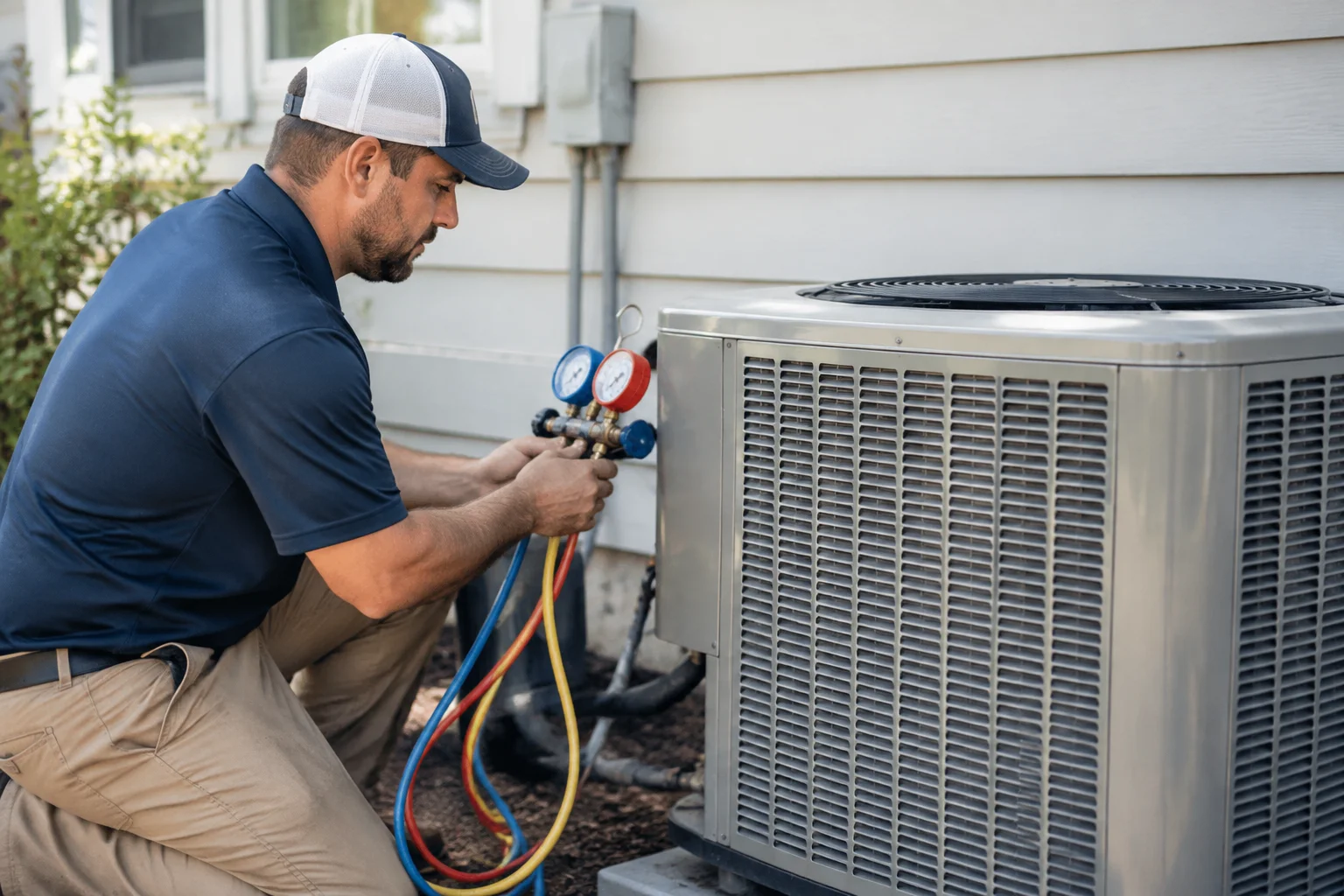
- Refrigerant system impact: Refrigerant systems and evaporator performance influence how moisture is removed during cooling. If the system is not operating correctly, moisture control can suffer. A Superior Mechanical can evaluate performance in person.
Humidity control is also tied to energy use. If your system repeatedly cools without effectively removing moisture, you can end up with higher run time and higher bills. Whole home dehumidification helps reduce that imbalance, but only when the HVAC system and ductwork are delivering proper airflow.
Common signs your home needs whole home dehumidification
Many homeowners assume their air conditioner is not working because the house feels uncomfortable. In Latitude Margaritaville Watersound, that discomfort can be humidity-driven. Look for patterns that point to moisture control needs:
- Musty or “wet basement” odors that return soon after cleaning.
- Foggy windows or condensation on interior surfaces, especially during humid afternoons and evenings.
- Sticky indoor air even when the temperature feels “okay.”
- Clammy bedrooms while other areas feel cooler, which can indicate uneven airflow and humidity distribution.
- Visible moisture near returns, in closets, or around ductwork transitions.
These signs do not automatically mean you need a dehumidification upgrade. They do indicate that an HVAC professional should check the system’s ability to manage moisture, airflow, and condensate drainage.
Why ductwork and airflow matter as much as the dehumidifier
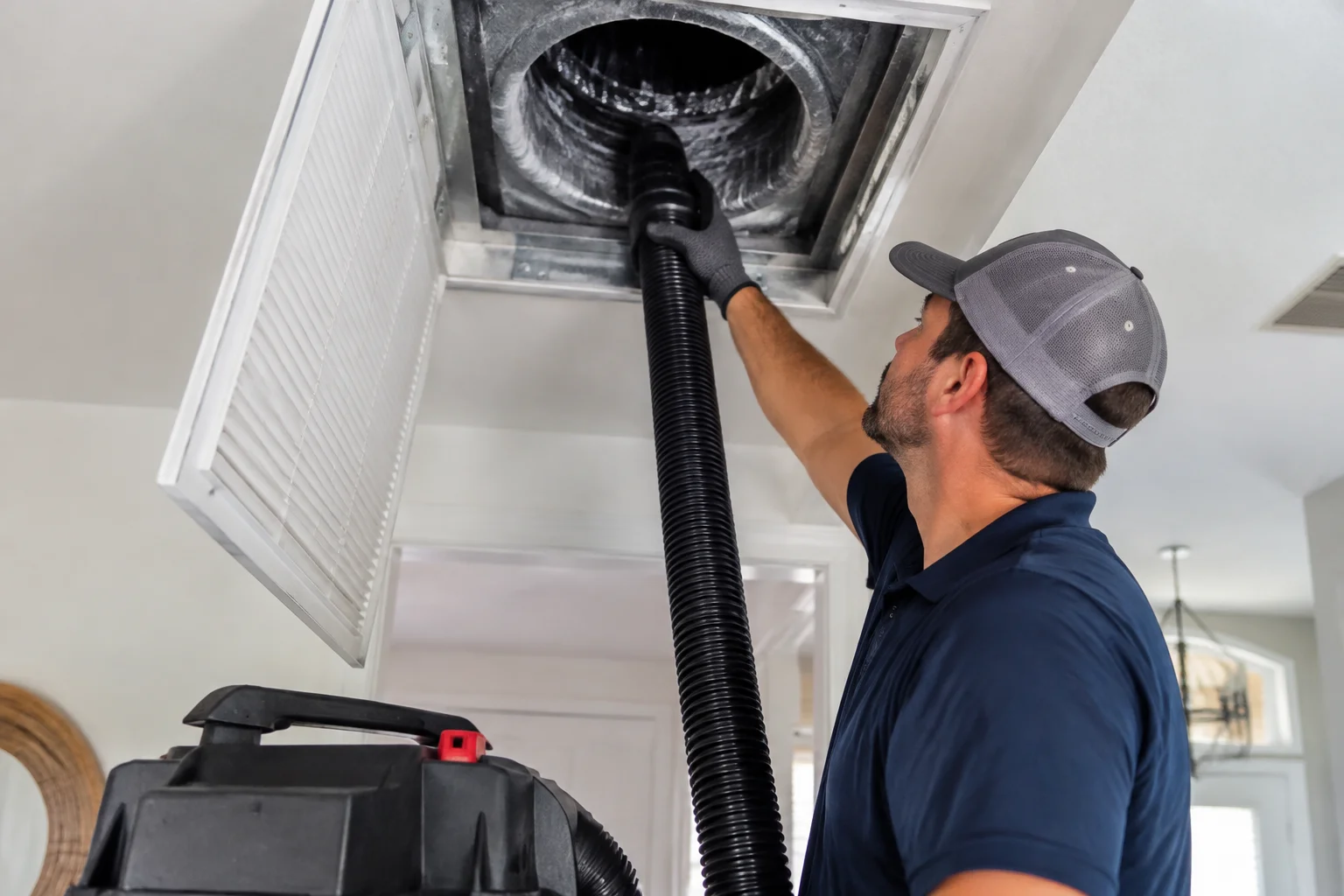
Whole home dehumidification relies on air movement. If your ducts leak, are undersized, poorly insulated, or have imbalanced airflow, the dehumidification process can become less effective in certain rooms.
For example, if supply air does not reach a bedroom consistently, that room can stay more humid. Or if return paths are restricted, the system may not pull enough air through the dehumidification process to remove moisture efficiently.
If you are considering whole home dehumidification, it is smart to review ductwork condition alongside HVAC maintenance. You can read more about coastal comfort and airflow here: Keeping Coastal Homes Comfortable Starts with Better Ductwork in Latitude Margaritaville Watersound.
Also consider planning around airflow before summer ramps up. This related post covers comfort and coastal protection: Smart HVAC Planning for Rosemary Beach Homes: Comfort, Airflow, and Coastal Protection.
Thermostats and controls: the difference between “cool” and “dry”
Many homeowners set a temperature and assume the system will manage humidity automatically. In Florida heat, that is not always true. Some thermostats and HVAC control strategies are focused on temperature, while humidity requires additional sensing and coordinated operation.
When humidity control is done well, the system can maintain comfort without overcooling. But if controls are not configured correctly, you may see:
- Short cycling that does not run long enough to remove moisture effectively.
- Comfort swings where the home cools quickly but stays damp.
- Inconsistent humidity levels from room to room due to airflow imbalance.
A Superior Mechanical can help you understand how your thermostat settings and HVAC operation work together, and what adjustments make sense for your home.
Condensate drainage and “where the water goes”
Dehumidification involves removing moisture from the air. That moisture typically ends up as condensate that must drain properly. If condensate drainage is slow, partially blocked, or routed in a way that does not match the system, the result can be recurring dampness or overflow concerns.
In coastal Florida, drainage problems can be harder to notice at first because the home is already humid. That is why HVAC service should include checks of condensate drainage performance as part of moisture control troubleshooting.
If you are searching for AC repair near me or HVAC repair near me because of lingering humidity, ask the technician to evaluate moisture removal and drainage as part of the inspection. A professional HVAC contractor near me should not just look at temperature readings.
Refrigerant systems and moisture removal: why “it cools” is not the same as “it dehumidifies”
Air conditioning systems remove moisture when the evaporator coil surface temperature supports condensation. If the refrigerant system is not operating properly, moisture removal can be reduced. That can show up as a home that feels humid even though it is cooling.
It is tempting to blame the dehumidifier or the thermostat when humidity stays high. But the refrigerant system and evaporator performance have a direct relationship to how much moisture is removed during cooling.
Because refrigerant systems require in-person evaluation and safe handling, homeowners should not attempt to diagnose refrigerant issues on their own. If you suspect the system is not removing moisture correctly, schedule an air conditioning inspection near me or a residential HVAC service near me with A Superior Mechanical so the team can evaluate performance and airflow safely.
Preventive maintenance that supports dehumidification performance
Whole home dehumidification is not a “set it and forget it” feature. Preventive HVAC maintenance keeps airflow steady, helps condensate drainage work correctly, and supports the refrigerant system’s ability to cool and dehumidify as designed.
In a humid Bay County home, maintenance priorities often include:
- Checking and cleaning components that affect airflow and coil performance.
- Verifying airflow patterns through supply and return ducts.
- Inspecting condensate drainage pathways and ensuring condensate can move as intended.
- Reviewing thermostat operation and humidity control settings.
- Assessing ductwork condition, including areas that may be prone to leaks or poor insulation.
If you are trying to protect indoor air quality and reduce moisture-related problems, maintenance is one of the most practical steps you can take before humidity spikes. This post explains why maintenance matters specifically for dehumidification: Why Better HVAC Maintenance Matters for Whole Home Dehumidifiers in Sandestin.
When to call for help before the peak heat hits
Whole home dehumidification issues can build quietly. A system may run, but it may not control humidity well because of airflow restrictions, duct leakage, drainage problems, or performance issues in the cooling cycle.
Call A Superior Mechanical for an evaluation if you notice:
- Humidity levels stay high after the air conditioner runs for long periods.
- Condensation appears in places that should not be wet.
- Musty odors return after cleaning.
- Your home feels uncomfortable at the same thermostat setting that used to feel fine.
- You are planning a system replacement or major HVAC upgrade and want moisture control integrated properly.
During summer, emergency cooling concerns can become more likely when HVAC systems are stressed by heat and humidity. If you ever face a situation where the home is not cooling reliably, reach out for emergency AC repair near me so comfort and moisture control do not fall apart at the worst time.
How whole home dehumidification fits into broader HVAC service
Whole home dehumidification works best when it is part of a complete HVAC plan. That plan can include air conditioning service, ductwork improvements, and ongoing maintenance.
If you want to strengthen the moisture control side of your system, consider these related services in Latitude Margaritaville Watersound:
- Whole Home Dehumidification for targeted humidity management throughout your home.
- Air Conditioning Services when cooling performance and moisture removal need attention.
- Commercial HVAC Installation if you manage mixed-use or larger properties in the area and need coordinated humidity control.
- Duct Sealing if airflow problems are preventing dehumidification from reaching all rooms.
- Commercial HVAC Maintenance for property managers who want moisture control and HVAC reliability handled consistently.
If you are comparing options or planning upgrades, start by understanding your home’s airflow and moisture patterns. You can also explore more local information on our service area here: Latitude Margaritaville Watersound HVAC services and Bay County HVAC services.
Questions homeowners often ask about whole home dehumidification
It is normal to have questions before investing in moisture control. Homeowners usually want to know whether it will actually improve comfort, how it interacts with their existing HVAC system, and what maintenance looks like.
A Superior Mechanical can review your current setup and explain how humidity control will fit with your system’s refrigerant cycle, airflow, thermostat operation, and condensate drainage. This is also the right time to discuss ductwork condition, because even the best dehumidification approach depends on air distribution.
If you are searching for HVAC contractor near me, you may also want a company that treats indoor air quality and comfort as part of the same system. Whole home dehumidification is one of the most direct ways to reduce moisture-related risks while supporting reliable HVAC performance in Florida’s coastal climate.
Taking the next step with A Superior Mechanical
Whole home dehumidification in Latitude Margaritaville Watersound, FL is about more than lowering a humidity number. It is about making your home feel consistently comfortable, protecting indoor air quality, and supporting the systems that keep you cool during humid, salty coastal weather.
If you are dealing with persistent dampness, condensation, or a home that feels clammy no matter how you set the thermostat, schedule an evaluation. You can begin with our service page for moisture control here: whole-home dehumidification in Latitude Margaritaville Watersound.
Find Whole Home Dehumidification in Latitude Margaritaville Watersound, FL
If you need Whole Home Dehumidification in Latitude Margaritaville Watersound, FL, visit our local service page or contact A Superior Mechanical today.
Map of Latitude Margaritaville Watersound, FL
Frequently Asked Questions
Will my air conditioner dehumidify my home automatically?
Many air conditioners remove some moisture while cooling, but not every system controls humidity well in Florida conditions. Airflow, ductwork, thermostat settings, and how the cooling cycle is performing all affect moisture removal. A professional inspection can confirm whether your system is dehumidifying effectively.
How can I tell if the problem is humidity versus a cooling issue?
Humidity problems often show up as musty odors, sticky air, foggy windows, or condensation even when the home is cooling. Cooling problems are more likely to cause uneven temperatures, weak airflow, or the system not maintaining the set temperature. An HVAC evaluation can sort out what is driving the discomfort.
Does whole home dehumidification require special condensate drainage?
Most dehumidification setups produce condensate that must drain properly. If drainage is slow or routed incorrectly, moisture can build up. A Superior Mechanical can check condensate drainage as part of a moisture control assessment.
Can ductwork affect whole home dehumidification performance?
Yes. Dehumidification depends on airflow throughout the home. Leaky or poorly balanced ductwork can prevent dry air from reaching certain rooms, leaving them more humid. Duct sealing and airflow checks are often part of a complete solution.
Is it safe for homeowners to troubleshoot refrigerant or dehumidification problems themselves?
No. Refrigerant and refrigeration components require safe, professional handling. If humidity is high or moisture removal seems weak, the best step is to schedule an in-person HVAC inspection so the system performance can be evaluated correctly.
Related Articles
- Keeping Coastal Homes Comfortable Starts with Better Ductwork in Latitude Margaritaville Watersound
- Smart HVAC Planning for Rosemary Beach Homes: Comfort, Airflow, and Coastal Protection
- Why Better HVAC Maintenance Matters for Whole Home Dehumidifiers in Sandestin
- Why Commercial HVAC Service Matters in Ocean City Homes and Mixed-Use Properties
Photo Gallery