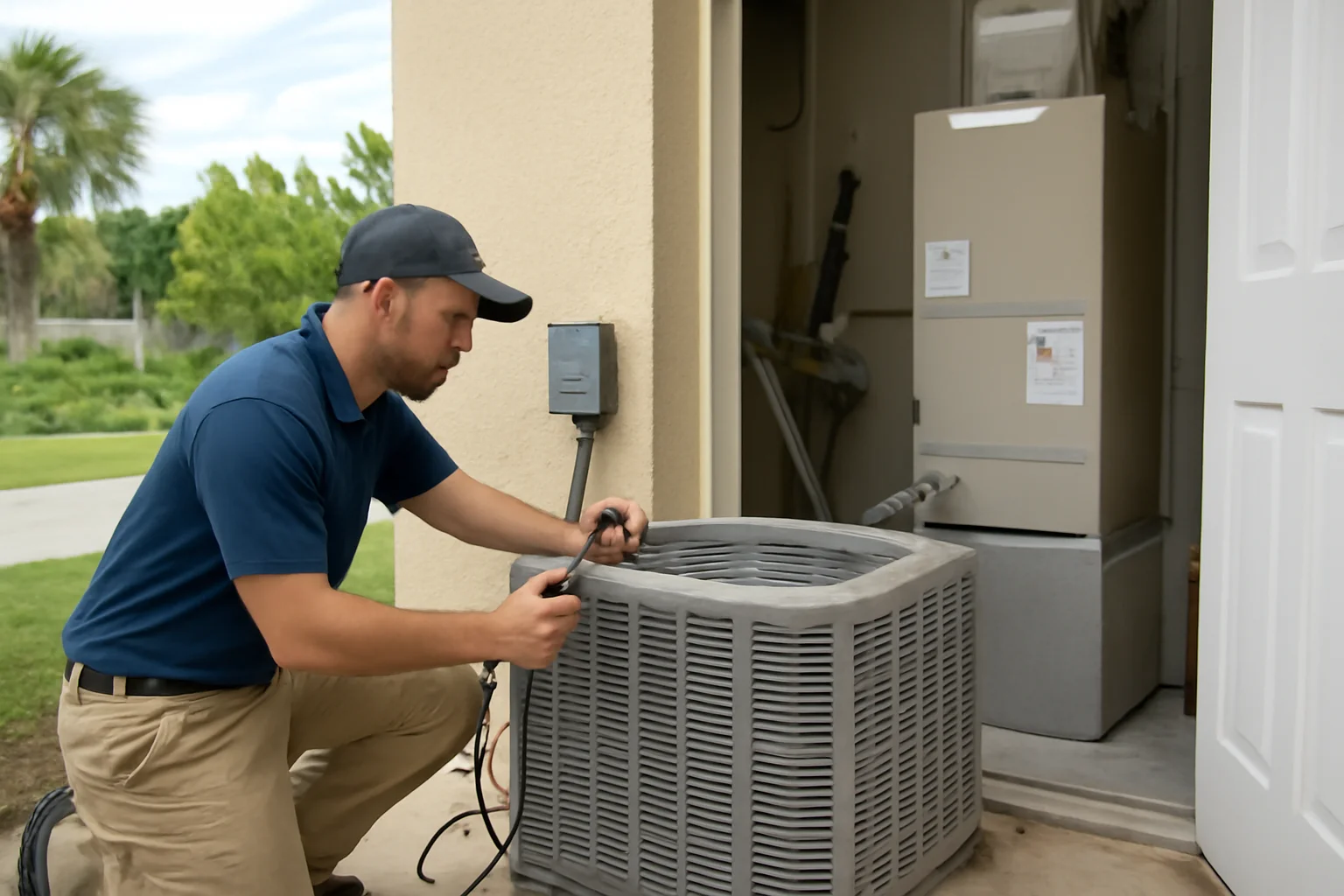
30A homes and businesses live in a unique HVAC environment. The combination of Florida heat, high humidity, and salt air from the Gulf can stress air conditioning systems faster than many people expect. That is why an air conditioning inspection in 30A, FL needs to be more than a quick check of thermostat settings and a glance at the outdoor unit. When inspections miss the real causes of cooling issues, homeowners often end up paying for emergency repairs during the hottest stretches of the year.
This guide explains what can create problems after an inspection, what your technician should look for, and how you can reduce the chances of a mid-summer breakdown. It is written for homeowners searching for HVAC service near me, AC repair near me, and reliable HVAC maintenance near me, especially in coastal Walton County.
Florida humidity and heat can hide cooling problems until they get expensive
In 30A’s warm climate, your AC is working hard even when it feels “fine.” Humidity control is a big part of that job. A system that is slightly underperforming may still blow cold air, but it can struggle to remove moisture. Over time, that can lead to indoor air quality problems, comfort complaints, and higher energy use.
If an inspection does not evaluate humidity performance, condensate drainage, and airflow balance, homeowners can see symptoms later such as:
- Rooms that feel cool but still muggy
- Short cycling, where the system turns on and off quickly
- Rising energy bills during peak heat
- Musty odors or increased dust
When a homeowner calls for air conditioning repair after an inspection, the cause is often not “mystery failure.” It is frequently something the inspection did not fully verify, such as airflow restrictions, drainage issues, or refrigerant system concerns that only show up under load.
Salt air and coastal corrosion can weaken key components
Salt air does not just affect paint and outdoor furniture. It can also contribute to corrosion on outdoor coil fins, electrical connections, and the metal surfaces that help transfer heat. In coastal Walton County, this can lead to performance loss and component wear.
Corrosion can cause problems that appear gradually, including reduced heat transfer and degraded airflow. If an inspection focuses only on whether the unit starts and runs, it may miss early signs like:
- Coil fin damage or heavy buildup that reduces airflow
- Corroded drain lines or signs of moisture where it should not be
- Loose or worn connections that may fail under high demand
Professional local HVAC service matters here because a technician familiar with the 30A environment knows what “normal wear” looks like and what is a red flag for the next cooling season. For many homeowners, this is the difference between routine HVAC maintenance and a visit that actually prevents costly repairs.
Airflow problems are one of the most common causes of AC inspection trouble
Air conditioners rely on proper airflow to move heat out of the home. If airflow is restricted, the system can struggle to cool, remove humidity, and protect the refrigerant system. The most common causes are not always obvious, and they can be missed when an inspection is too surface-level.
Dirty filters, blocked vents, and restricted returns
Filters that are overdue, furniture blocking vents, or closed return pathways can all reduce airflow. In homes with ductwork that is older or not balanced, airflow problems can show up quickly during Florida heat.
Ductwork leaks and poor duct sealing
Leaks in ductwork can pull in unconditioned air or reduce the volume reaching the rooms where you feel the difference. Over time, this can increase energy use and make humidity control harder. If your inspection does not include duct inspection basics and a check for airflow balance, you may not realize how much comfort is being lost.
If you suspect airflow issues, it helps to explore ductwork services and ask your technician how your system’s airflow is performing across the home.
Refrigerant system concerns can be missed when inspections are not thorough
Refrigerant is the engine of the cooling process. If the system has a refrigerant problem, cooling efficiency and temperature performance can change. In coastal climates, refrigerant issues can also be harder on components because the system may run longer to meet thermostat demand.
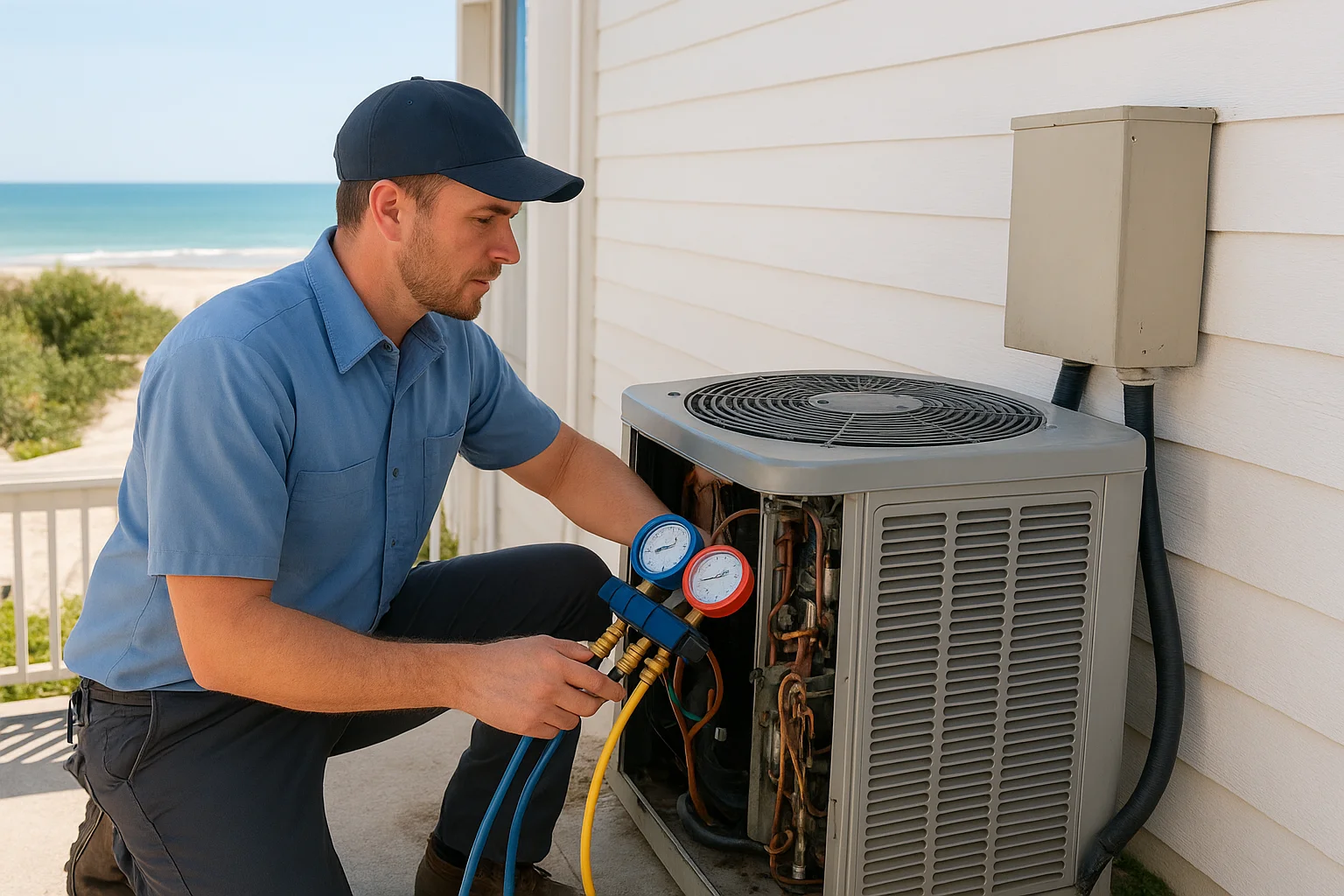
It is important to say this clearly: homeowners should not try to diagnose refrigerant problems themselves. Refrigerant system evaluation requires proper tools and an in-person assessment. An inspection should verify the cooling system’s operation under real conditions and look for signs that indicate the refrigerant system may not be performing as intended.
When refrigerant or cooling system performance is not correctly evaluated during an inspection, the result can be a late-season surprise such as:
- Warm air at the registers during high outdoor temperatures
- Frequent cycling or extended run times
- Ice buildup on indoor components or unusual frost patterns
If you are searching for air conditioning inspection near me because you want to avoid AC repair near me emergencies, ask whether the inspection includes a performance-focused evaluation, not just a start-up check.
Condensate drainage issues can create both comfort and system reliability problems
During cooling, your indoor coil removes moisture from the air. That moisture must drain through the condensate line. In Florida humidity, the condensate load can be significant. A partially clogged drain, a misaligned line, or a drainage pan issue can lead to water backing up or moisture where it should not be.
Common signs that condensate drainage is causing trouble include:
- Water overflow or wet spots around the indoor unit
- Recurring musty odors
- Indoor humidity staying higher than expected
- Safety switch trips that stop cooling unexpectedly
These issues can be especially relevant for vacation rentals and second homes on 30A. When a property sits unused, moisture and debris can build up. Then the first big cooling day triggers a failure that feels sudden. A thorough inspection should include a condensate drainage check as part of the overall system evaluation.
Thermostat settings and control issues can make a system look “healthy” while it struggles
Sometimes the air conditioner is not the problem. The thermostat is. In 30A homes, people often use smart thermostats, vacation schedules, or humidity settings. If the thermostat is misconfigured, the system can run longer than needed or fail to maintain indoor comfort.
During an inspection, a professional should verify thermostat operation and how it is controlling cooling demand. Look out for symptoms such as:
- Indoor temperature overshooting or not reaching setpoints
- Inconsistent comfort from room to room
- Short cycling that seems tied to schedule changes
For homeowners, this is another reason “inspection” should mean a system check that includes how controls affect performance. If you are also considering new construction air conditioning or upgrading controls, it is worth discussing how thermostat strategies impact humidity control and energy use.
Indoor air quality problems can be caused by filtration and airflow limits
Air conditioners do more than cool. They also support indoor air quality services by controlling humidity, filtering airborne particles, and helping maintain consistent airflow. When filtration and airflow are off, indoor air quality can suffer even if the system cools.
In humid 30A conditions, poor filtration and low airflow can increase dust, allergens, and odors. That can lead to complaints that look like “AC not working,” when the root cause is actually air filtration and system airflow working together poorly.
If you are noticing more dust or musty air, consider pairing your inspection with air filtration and purifiers. A good technician can explain how filtration choices affect airflow and why the best filter is the one your system can move air through reliably.
When inspections ignore energy use, homeowners pay the price later
Energy use is not just about utility bills. In an air conditioning system, high energy use often signals inefficiency. That inefficiency can come from airflow restrictions, dirty coils, refrigerant performance issues, or drainage problems that cause the system to work harder to achieve the same comfort.
If your inspection does not include checks that support efficient operation, you may notice problems later as:
- Rising cooling costs during the hottest weeks
- Longer run times and slower temperature recovery
- Comfort that improves only after the system has been running for a while
Homeowners who want to avoid HVAC repair near me calls often start with preventive HVAC maintenance that targets the causes of inefficiency, not just the symptoms. If you want a deeper look at that relationship, read Why Preventive HVAC Service Pays Off for Air Conditioning Repair in 30A, FL.
Emergency cooling concerns are real on 30A
When an air conditioner fails in Florida heat and humidity, the problem is not only comfort. It becomes an emergency cooling concern for families, pets, and vacation guests. In coastal areas, the pressure to restore cooling quickly can lead to rushed decisions if you do not have a plan.
Some causes lead to sudden failure because components are already stressed. For example, a system that has been running with airflow restrictions or drainage issues can wear parts faster. Then a hot day pushes it past the point where it can stabilize.
That is why many homeowners treat inspections as part of their emergency prevention plan. If you are maintaining a primary home, a rental, or a commercial space, a consistent inspection routine reduces the chance of a breakdown during peak demand.
How to spot an inspection that might miss the real causes
Not all inspections are equal. Use these questions to evaluate whether your HVAC contractor is performing a meaningful air conditioning inspection in 30A, FL:
- Does the inspection include airflow checks and a look at ductwork conditions that affect performance?
- Will the technician inspect condensate drainage and confirm moisture is draining properly?
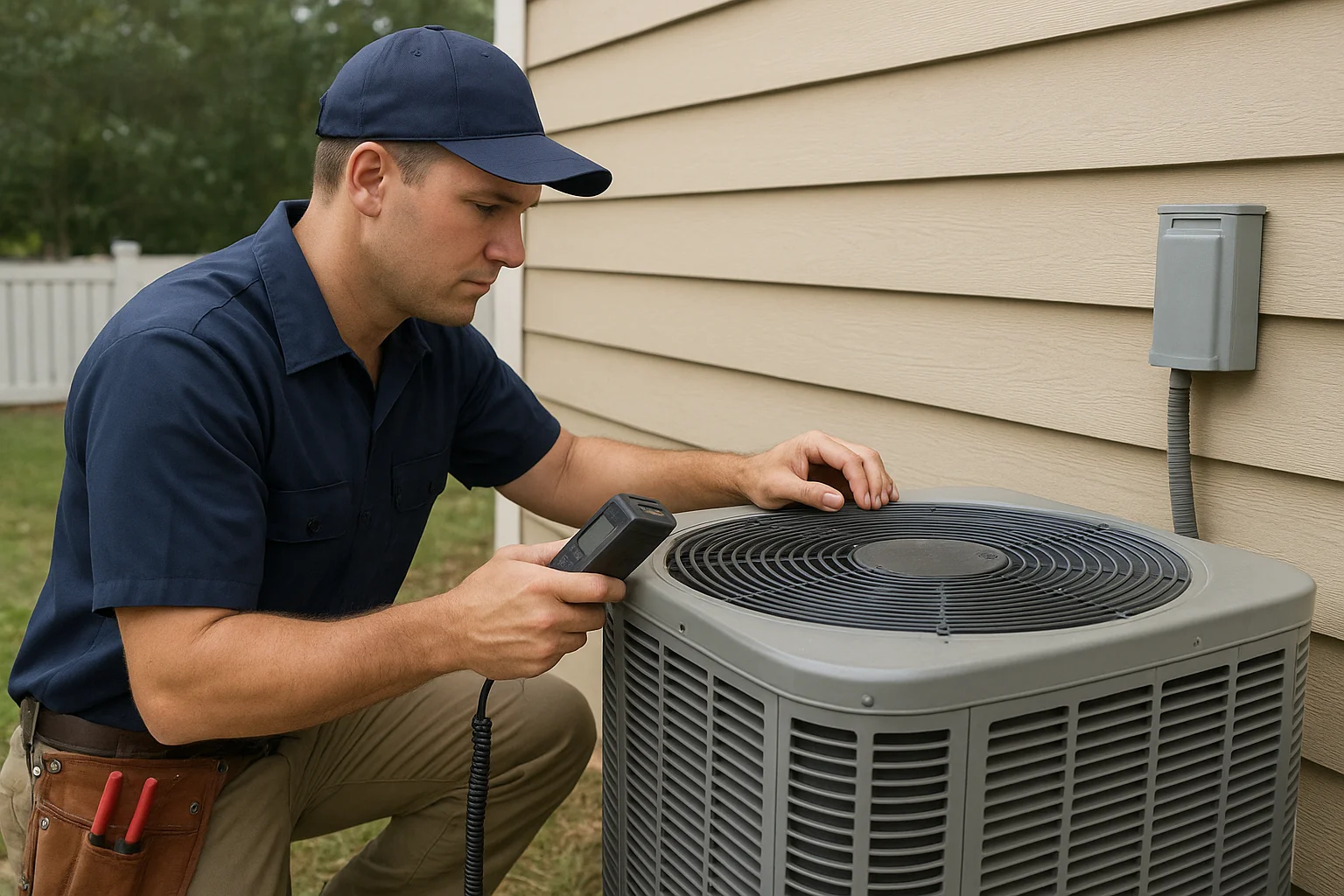
- Do they look at the outdoor coil and signs of coastal corrosion or buildup?
- Do they verify thermostat operation and how the system responds to cooling demand?
- Do they discuss indoor air quality factors like filtration and humidity control?
- Do they explain what they found and what needs attention before it becomes an emergency?
If your inspection answers only “it turned on” and “it seems okay,” you may be leaving yourself exposed. Homeowners searching for HVAC company near me often assume inspection means full system evaluation. In practice, the details matter.
Preventive steps homeowners can take between inspections
You cannot control every factor that affects your AC in Walton County, but you can reduce stress on the system. These habits also help your technician get more accurate results during HVAC maintenance near me visits.
- Replace filters on schedule and use the right type for your system. If airflow is restricted, the system works harder.
- Keep outdoor space clear around the condenser. Do not block airflow with landscaping or seasonal storage.
- Watch for moisture clues such as damp spots, recurring odors, or signs of drainage problems.
- Use thermostat settings responsibly and confirm humidity comfort, not just temperature.
- During long absences for vacation rentals, plan inspections before peak season so the system starts strong.
For homeowners in 30A, preventive HVAC maintenance is also about protecting indoor air quality services, comfort, and system reliability. If you manage more than one property, you may also want to coordinate your schedule around the times when heat and humidity peak.
Related situations: heat pumps, ductless systems, and commercial comfort
Some 30A properties use heat pumps or ductless mini split installation near me systems. While the operating principles are different, the causes of performance problems are still often tied to airflow, humidity management, and system cleanliness.
If you are searching for heat pump repair near me or planning air conditioning service for a mixed system, ask how the inspection will evaluate the specific equipment and how humidity and airflow are being managed.
Commercial HVAC service near me needs can be different because comfort affects operations. If you manage a business, consider Keeping 30A Commercial Spaces Comfortable Before HVAC Trouble Spreads for guidance on preventive planning.
When it is time to call for air conditioning inspection or AC repair
If you are already planning seasonal maintenance, schedule your air conditioning inspection before the hottest stretches. But if you are dealing with active comfort problems, do not wait for “the next appointment.” Call for air conditioning service when you notice:
- Cooling that takes longer than usual to reach setpoints
- Humidity that feels higher even when temperatures are okay
- Short cycling, unusual noises, or frequent temperature swings
- Water issues or recurring odors around indoor equipment
- Inconsistent airflow between rooms
For homeowners, the best next step is an in-person evaluation by a qualified HVAC contractor. A technician can confirm what is happening with airflow, condensate drainage, refrigerant system performance, and controls. That is the only reliable way to determine whether you need HVAC repair, a targeted tune-up, ductwork support, or other corrective action.
If you want to schedule professional help, start with an inspection service designed for coastal conditions. A Superior Mechanical offers detailed system evaluations through air conditioning inspection in 30A, FL, and you can also explore our broader service area information at /service-areas/walton-county/30a and /service-areas/walton-county.
Find Air Conditioning Inspection in 30A, FL
If you need Air Conditioning Inspection in 30A, FL, visit our local service page or contact A Superior Mechanical today.
Map of 30A, FL
Frequently Asked Questions
What are the most common causes of AC problems in 30A, FL after an inspection?
The most common causes tend to be airflow restrictions, condensate drainage problems, and performance gaps related to humidity control. Coastal salt air and coil buildup can also reduce heat transfer over time, especially when inspections do not include a deeper system evaluation.
Should an air conditioning inspection include checks for ductwork and indoor airflow?
Yes. Your AC depends on correct airflow to cool and remove humidity. A thorough inspection should consider airflow balance and how ductwork conditions can affect performance, especially in homes where comfort varies by room.
Can a thermostat issue make it seem like the AC needs repair?
Absolutely. Misconfigured thermostat settings, humidity controls, or schedule behavior can lead to comfort problems that look like equipment failure. A professional inspection should verify thermostat operation and how the system responds to cooling demand.
What condensate drainage problems should homeowners watch for in Florida humidity?
Look for damp spots, recurring musty odors, signs of water near the indoor unit, and indoor humidity that stays higher than expected. In coastal Walton County conditions, condensate load can be significant, so drainage checks matter.
If I suspect a refrigerant problem, what should I do?
Do not attempt a refrigerant diagnosis yourself. Refrigerant system evaluation requires proper tools and an in-person assessment. Schedule an air conditioning inspection so a technician can confirm what is happening and recommend the right next step.
Related Articles
Photo Gallery