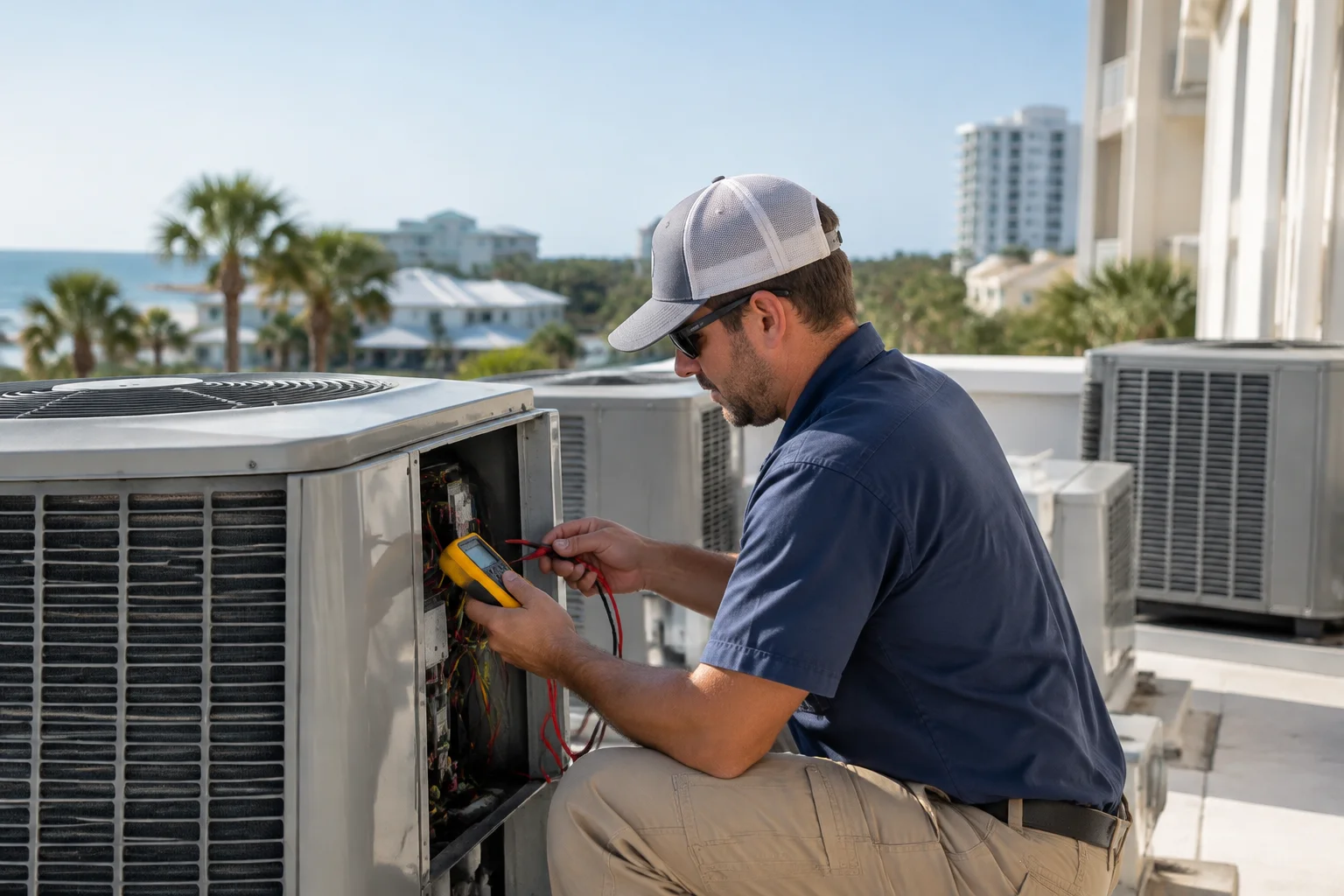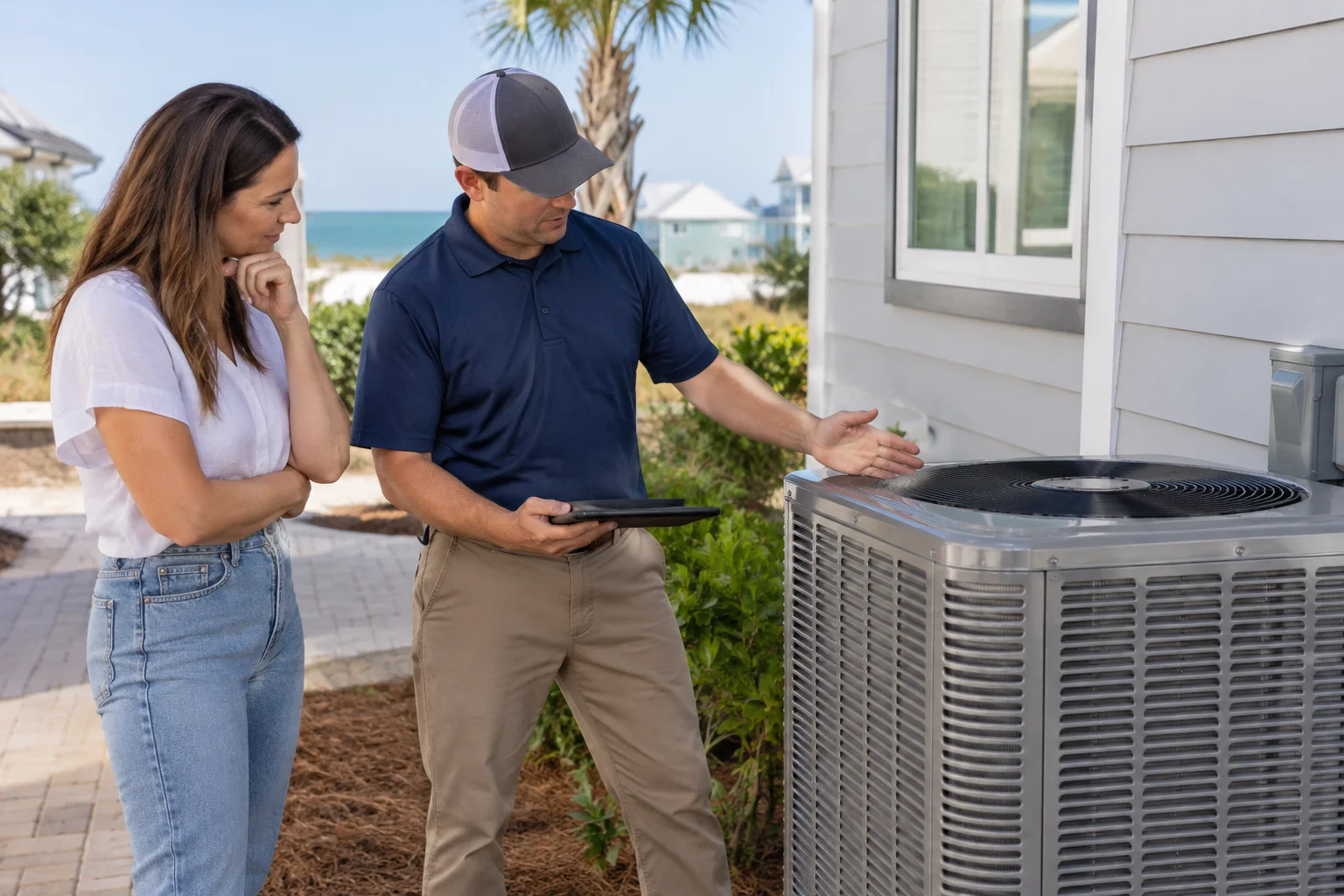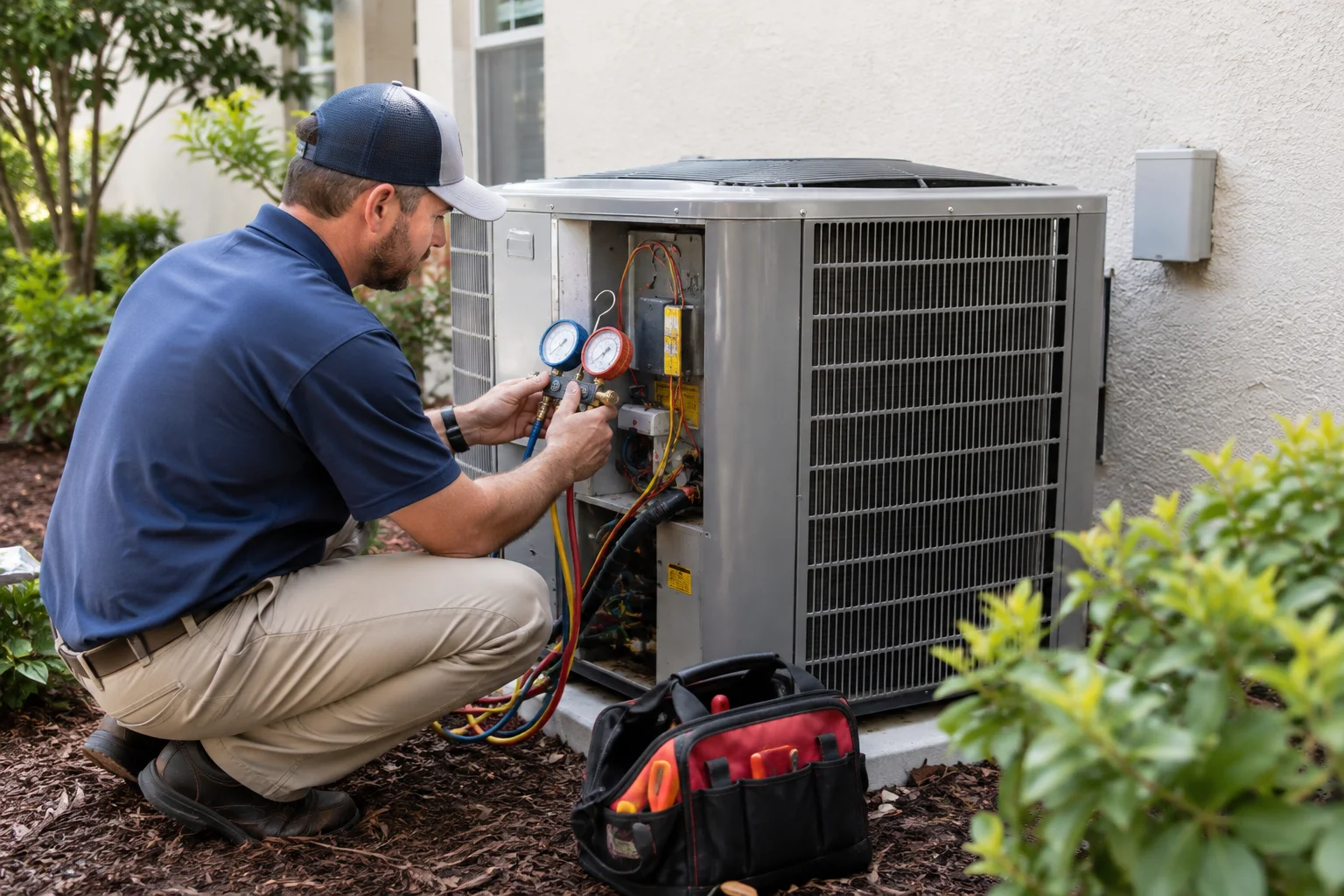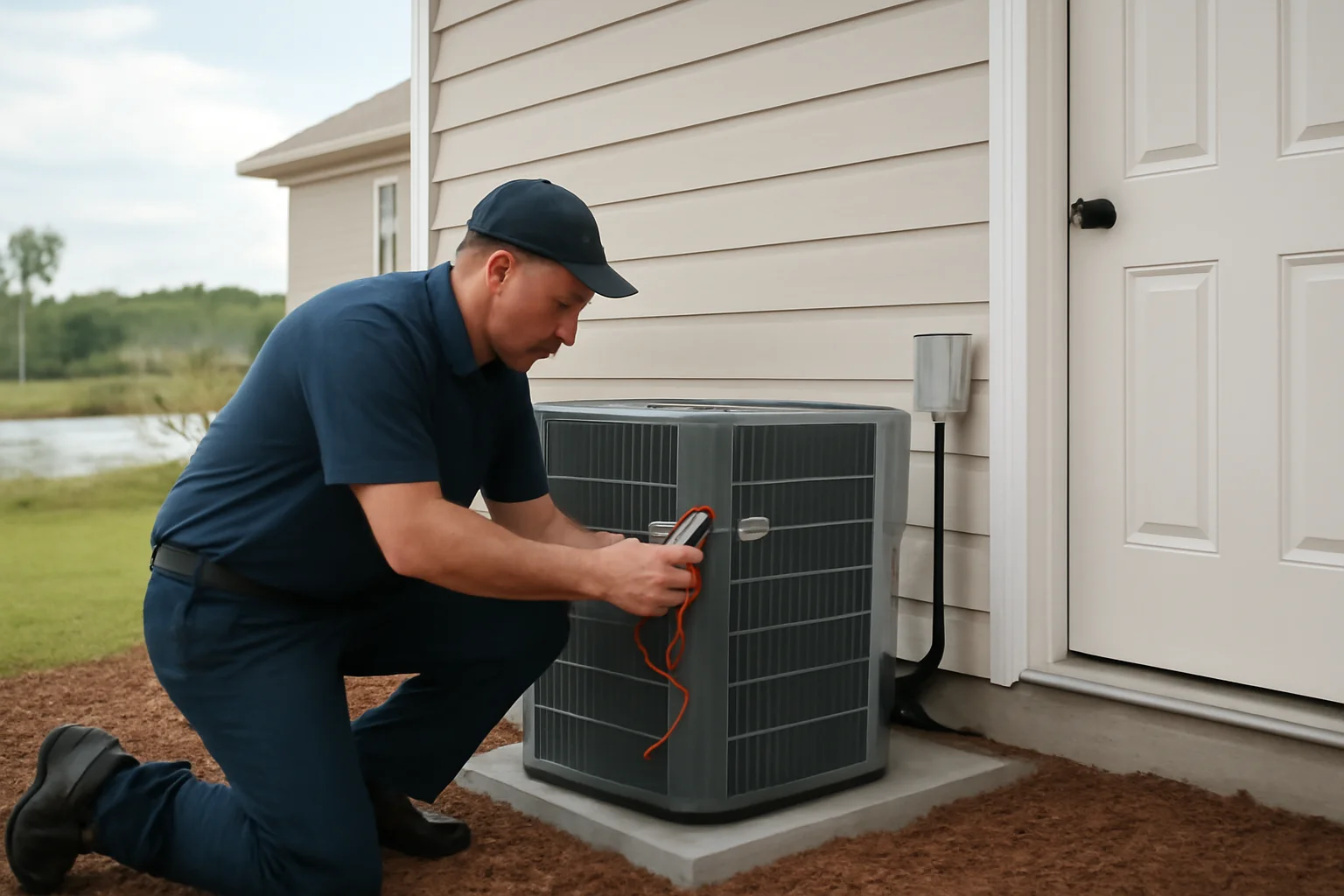
New construction air conditioning is designed to start strong. Yet in Shalimar, FL, the first hot weeks after move-in can reveal problems that were missed during design, installation, or commissioning. Coastal conditions add their own challenges, including salt air exposure, higher humidity, and rapid temperature swings from day to night.
This guide walks through the most common causes of cooling, airflow, and humidity problems in new builds around Shalimar, what homeowners can watch for, and how to reduce the chance of repeat callbacks. If you are searching for new construction air conditioning help near Shalimar, this is a practical place to start.
Shalimar’s climate sets the stage for AC problems
Shalimar sits in Okaloosa County where summer air is often heavy with moisture. That matters because an air conditioner is not only a temperature control system. It is also a humidity management system. When the system cannot remove enough moisture, you can feel “cool but sticky” indoors, see condensation where it should not be, or notice musty odors that point to indoor air quality concerns.
In addition, coastal Florida homes face salt air. Even when equipment is installed correctly, the surrounding environment can accelerate corrosion on components and affect how airflow and drainage perform over time. Combine that with ductwork that may not be sealed as tightly as planned, and you get a setup where performance drops sooner than expected.
Cooling complaints that often start with airflow
One of the most frequent issues in newer homes is poor airflow. Homeowners may think the air conditioner is “not strong enough,” but in many cases the system is moving air incorrectly through the home. Airflow problems can come from ductwork design, duct sealing, filter setup, or incorrect airflow targets during commissioning.
Uneven temperatures room to room
If one area feels comfortable while another stays warm, the problem is often airflow imbalance. That can be caused by duct runs that are undersized, too many turns, or ductwork that was not balanced to the home’s actual load. Sometimes the thermostat is located where it measures a warmer or cooler microclimate, which makes the system cycle in a way that does not match the rest of the house.
Weak air from vents and long run times
When air delivery is restricted, the system may run longer to reach the thermostat setpoint. Filters installed incorrectly, return grilles blocked by furniture or rugs, or supply ducts with leakage can all reduce effective airflow. In high humidity conditions, reduced airflow can also limit the system’s ability to dehumidify, leading to that “cool but damp” feeling.
Condensate drainage issues that show up as humidity
Air conditioners create condensation as they cool. The condensate drainage system must remove that water reliably. In new construction, drainage problems can come from improper slope, clogged lines, missing drain pan protection, or a condensate pump that is not functioning as intended. If water cannot drain, you may notice water around the indoor unit, a musty smell, or symptoms that mimic humidity control failure.
Humidity problems: why “cold” is not the same as “dry”
In Florida heat, humidity control is a major part of comfort. A properly operating air conditioning system should remove moisture as air passes over the cooling coil. If humidity remains high, the home can feel uncomfortable even when the thermostat reads a reasonable temperature.
Short cycling and oversized equipment concerns
In some new builds, the system may be sized too large relative to the home’s actual cooling load. Oversizing can cause short cycling, where the unit turns on and off before it has time to remove moisture from the air. Homeowners often describe this as: the temperature hits the setpoint quickly, but humidity stays high and the air feels clammy.
Only an in-person evaluation can confirm whether sizing, airflow, and controls are working together correctly. A Superior Mechanical can inspect the system, verify how it is operating, and recommend next steps based on what is found.
Thermostat settings and placement that fight the system
Thermostats can influence comfort more than people expect. A thermostat set to constant fan mode can change humidity behavior, and placement in direct sun or near supply vents can cause inaccurate readings. Some homes also use zoning. If dampers do not open as intended or if zone airflow is not balanced, humidity and temperature can swing between rooms.
Homeowners searching for air conditioning inspection near me often benefit from having thermostat placement and system operation reviewed along with ductwork and airflow.
Refrigerant system performance and moisture removal
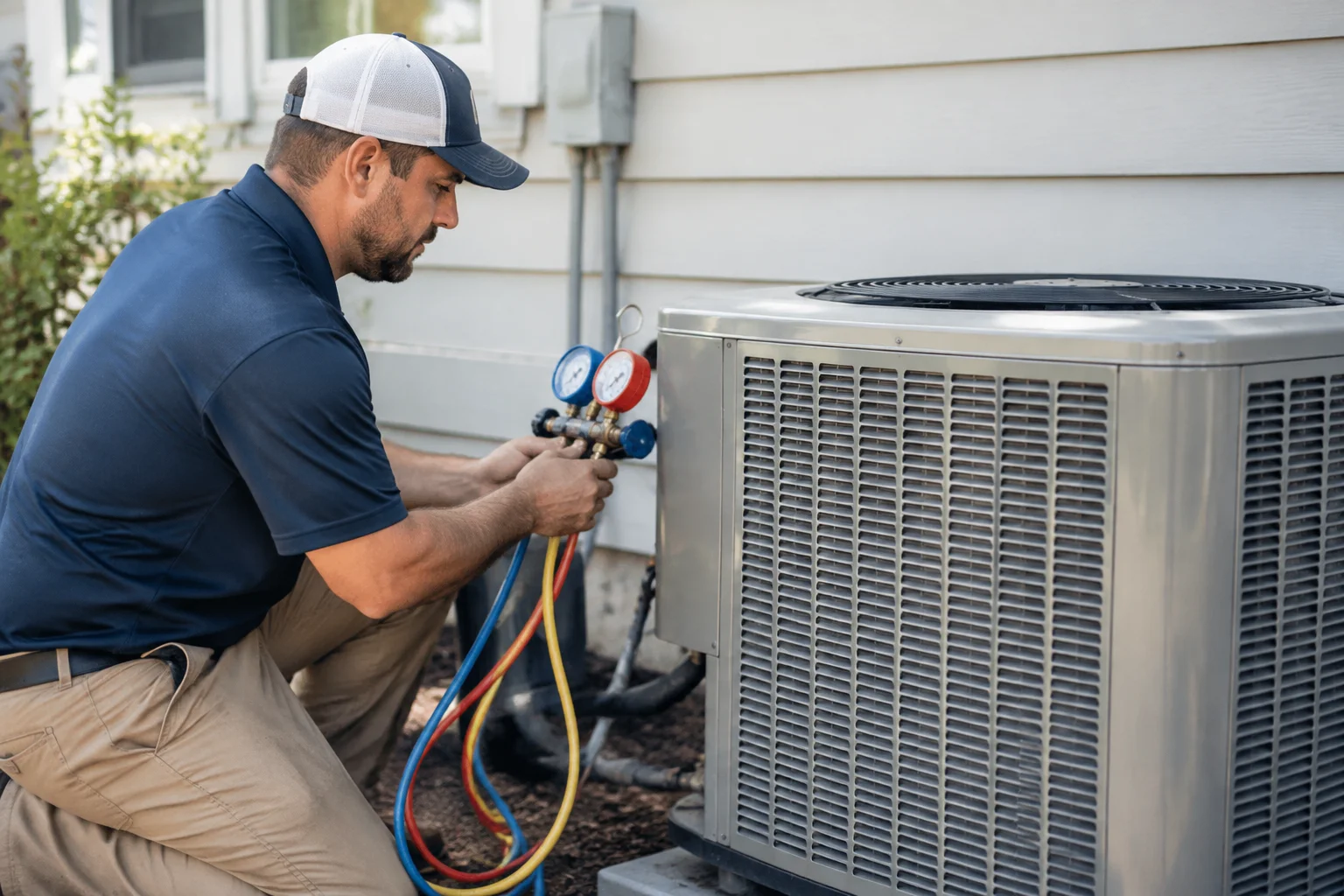
Humidity issues can also relate to refrigerant system performance. However, it is important to avoid guessing. Refrigerant problems require careful, professional testing and verification at the equipment. Homeowners should not attempt refrigerant diagnosis on their own, and any evaluation should be done safely and in person.
If you suspect the system is not cooling or dehumidifying properly, the right path is a service visit that checks airflow, coil condition, condensate drainage, and refrigerant system operation as applicable.
Coastal wear and installation details that matter in new builds
Even a new installation can experience performance issues when installation details do not match the realities of coastal Shalimar conditions. Salt air, wind-driven rain, and frequent humidity cycles can expose weak points.
Corrosion and outdoor unit placement
Outdoor units need adequate clearance for airflow and protection from direct salt spray. If the unit sits too close to a wall, under a setup that traps moisture, or in a spot that receives heavy salt-laden exposure, corrosion can accelerate. Over time, corrosion can affect coil performance and airflow pathways. New construction does not eliminate this risk, but good placement and protective practices reduce it.
Ductwork leaks and poor sealing
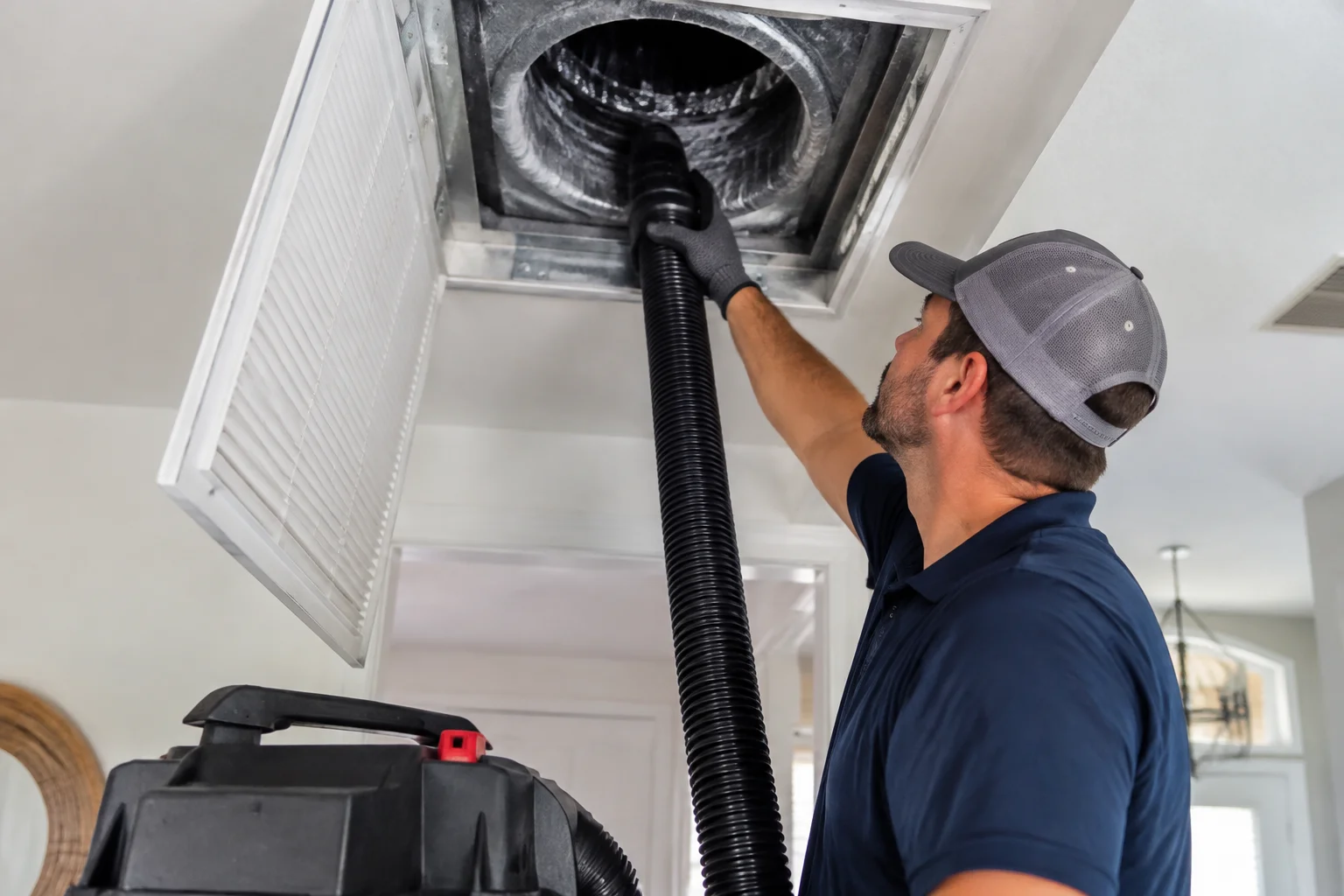
Ductwork is where comfort can be won or lost. If ducts leak, conditioned air may never reach the rooms that need it, and unconditioned air can enter the system. In a humid coastal environment, that can increase indoor moisture and reduce energy efficiency.
Homeowners may notice musty smells, dustier rooms, or a persistent sense that the system is working harder than it should. If you are looking for AC repair near me because of airflow and comfort issues, duct inspection and duct sealing review should be part of the conversation.
Filters, return air, and airflow restrictions
Filters should be compatible with the system and installed correctly. In new homes, it is easy to miss filter size changes or to leave construction dust in the system longer than planned. Restricted returns and clogged filters can reduce airflow quickly, especially during the first months after construction when dust is still present.
Energy use spikes and the “why is my bill higher” question
When new construction air conditioning underperforms, energy use can rise even if the thermostat settings look normal. Common causes include airflow imbalance, duct leakage, poor humidity control that keeps the home feeling uncomfortable, and equipment that runs longer because it cannot reach or maintain desired conditions.
Energy use is also tied to how the thermostat interacts with the system. If the thermostat is reading inaccurately or if airflow is not matching the equipment’s expected performance, the system can waste energy trying to do a job it cannot complete efficiently.
If you suspect energy use problems, start with a documented HVAC service visit. A professional can check airflow, verify system operation, inspect ductwork connections, and evaluate indoor air quality concerns that may be linked to moisture and ventilation.
Indoor air quality concerns in new builds
New homes can have strong odors or lingering construction-related particles. After move-in, air conditioning can help, but only if airflow and humidity are managed properly. High humidity can encourage microbial growth, while poor filtration and airflow restrictions can keep particles circulating.
Musty smells and sticky indoor air
Musty odors can appear when condensate drainage does not work as intended or when humidity remains elevated. If you also notice condensation on surfaces or a persistent damp feel, focus on moisture control, condensate drainage, and airflow performance.
Dust, allergies, and uneven filtration
Dust buildup in certain rooms can point to duct leakage or airflow imbalance. If returns are inadequate or filters are not sealed properly in their housing, particles can bypass filtration. This is one reason homeowners searching for indoor air quality services near me should consider an HVAC inspection that addresses both airflow and humidity control.
How to spot trouble early without overreacting
Some early issues are normal during the first season, especially if construction dust is still clearing out. Still, there are clear patterns that suggest a real problem.
Watch for repeat comfort failures
If the same rooms are always warmer, if humidity feels high every evening, or if the system seems to run continuously, those patterns are clues. A one-time event can happen. Consistent behavior suggests airflow, ductwork, drainage, or controls need adjustment.
Pay attention to condensate and drainage behavior
If you notice water where it should not be, a draining sound that seems off, or signs of moisture around the indoor unit, treat it as a legitimate concern. Condensate drainage issues can lead to indoor air quality problems and can damage components if ignored.
Listen for unusual noises during cooling
New systems should not sound like they are struggling. Grinding, rattling, or repeated cycling can point to installation issues, airflow restrictions, or control problems. Any unusual sound that persists should be evaluated.
Prevention: what homeowners can do in Shalimar
You cannot control every variable in a new build, but you can reduce the odds of problems and improve how the system performs.
Schedule preventive HVAC maintenance during the first season
Preventive maintenance is not just a checklist. In Florida heat and humidity, it helps confirm airflow, verify condensate drainage, and catch early wear. If you are searching for HVAC service near me for a new system, ask specifically whether the visit includes airflow and ductwork checks, thermostat and control verification, and indoor comfort assessment.
Use the thermostat settings that support humidity control
Avoid constant fan modes if they do not match your comfort goals. Follow the thermostat guidance provided by the installer, and consider having a technician review your settings during an inspection. Correct operation helps the system remove moisture instead of only reducing temperature.
Keep returns and supply vents clear
Furniture, window treatments, and rugs can block airflow. Even a small restriction can change comfort outcomes in humid conditions, leading to longer run times and higher indoor moisture.
Change filters on schedule and after construction dust
If your home is still clearing construction debris, filter changes may need to happen sooner. Use the filter type and size recommended for your system and install it correctly. If you are unsure, ask for help during an air conditioning inspection near me visit.
When new construction still needs a second look
Sometimes the best time to solve a problem is early, before it becomes a repeated cycle of callbacks. If you suspect recurring cooling or humidity problems, an in-person evaluation is the right move. Professionals can inspect ductwork, airflow, condensate drainage, thermostat operation, and system performance without guessing.
Request a comfort-focused inspection
For homeowners in Shalimar, a comfort-focused approach typically includes checking airflow delivery, verifying ductwork connections, inspecting condensate drainage, and reviewing thermostat settings and system operation. If indoor air quality concerns are part of the picture, the inspection should address moisture and ventilation as well.
If you are deciding between troubleshooting and larger steps, you can also explore air conditioning replacement in Shalimar as a future option. Replacement may be appropriate in some situations, but it should be based on findings from a professional evaluation, not on assumptions.
Emergency cooling concerns during Florida heat
Most new construction issues are not emergencies. Still, Florida heat can make any cooling failure urgent. If your AC stops working during a peak heat day, treat it as an emergency cooling concern and seek help right away.
Homeowners searching for emergency AC repair near me should be ready to share what happened, what the thermostat shows, and whether you hear the indoor unit fan or see any condensate drainage. A technician can then focus the first steps on the most likely causes, starting with safe checks and airflow related symptoms.
Helpful resources for Shalimar homeowners
If you want more guidance based on local experiences, these reads can help you understand what to look for after move-in and how to protect comfort through the season:
- Keeping Shalimar Properties Comfortable Without Surprise HVAC Problems
- What to Expect From New Construction Air Conditioning in Freeport, FL
- Getting New Construction Air Conditioning Right in DeFuniak Springs: How Homeowners Can Spot Trouble Early
- Planning New Construction Air Conditioning for a Laguna Beach Home That Stays Comfortable Year After Year
Choosing the right HVAC partner matters in Okaloosa County
New construction air conditioning is a system, not a single unit. Performance depends on correct HVAC design, proper installation, well-executed ductwork, accurate thermostat setup, and commissioning that confirms the system is delivering the right airflow and moisture control for your home. In Shalimar and across Okaloosa County, humidity and coastal conditions make that “system view” especially important.
If you are ready to verify your new setup, you can start with a service page built for this exact situation: new construction air conditioning in Shalimar, FL. For homeowners who also need heating support or want to plan seasonal comfort, it can help to review heating services in Shalimar too.
And if your build includes alternative energy planning, you can explore geothermal energy to understand how comfort strategies may differ from traditional systems.
Find New Construction Air Conditioning in Shalimar, FL
If you need New Construction Air Conditioning in Shalimar, FL, visit our local service page or contact A Superior Mechanical today.
Map of Shalimar, FL
Frequently Asked Questions
Can new construction AC have humidity problems even if it is cooling?
Yes. In Shalimar, FL, humidity control depends on airflow, coil performance, thermostat operation, and condensate drainage. A system can reach the temperature setpoint but still remove moisture poorly, leading to a cool but sticky feel.
What are the most common causes of uneven temperatures in a new home?
Uneven cooling often points to airflow imbalance, ductwork leaks or restrictions, blocked return air paths, or thermostat placement that does not reflect the average home temperature. A professional inspection should check ductwork and system operation together.
Is it safe for homeowners to try to diagnose refrigerant issues themselves?
No. Refrigerant system problems require careful, in-person testing and safe handling. If you suspect a refrigerant-related performance issue, schedule an HVAC service visit so a technician can evaluate airflow, coil behavior, condensate drainage, and refrigerant system operation.
How can I prevent new AC problems from turning into repeat callbacks?
Schedule preventive HVAC maintenance early in the season, keep vents and returns clear, use the correct filter size and schedule, and ask for an inspection that includes airflow and comfort checks. In humid coastal conditions, confirming condensate drainage and ductwork performance helps prevent recurring issues.
What should I do if my AC stops working during a hot day?
Contact emergency cooling support and share what the thermostat shows and whether the indoor unit fan runs. While waiting, avoid resetting repeatedly without guidance, and do not attempt refrigerant or electrical troubleshooting. A technician can focus on safe, likely causes quickly.
Related Articles
- Keeping Shalimar Properties Comfortable Without Surprise HVAC Problems
- What to Expect From New Construction Air Conditioning in Freeport, FL
- Planning New Construction Air Conditioning for a Laguna Beach Home That Stays Comfortable Year After Year
- Getting New Construction Air Conditioning Right in DeFuniak Springs: How Homeowners Can Spot Trouble Early
Photo Gallery