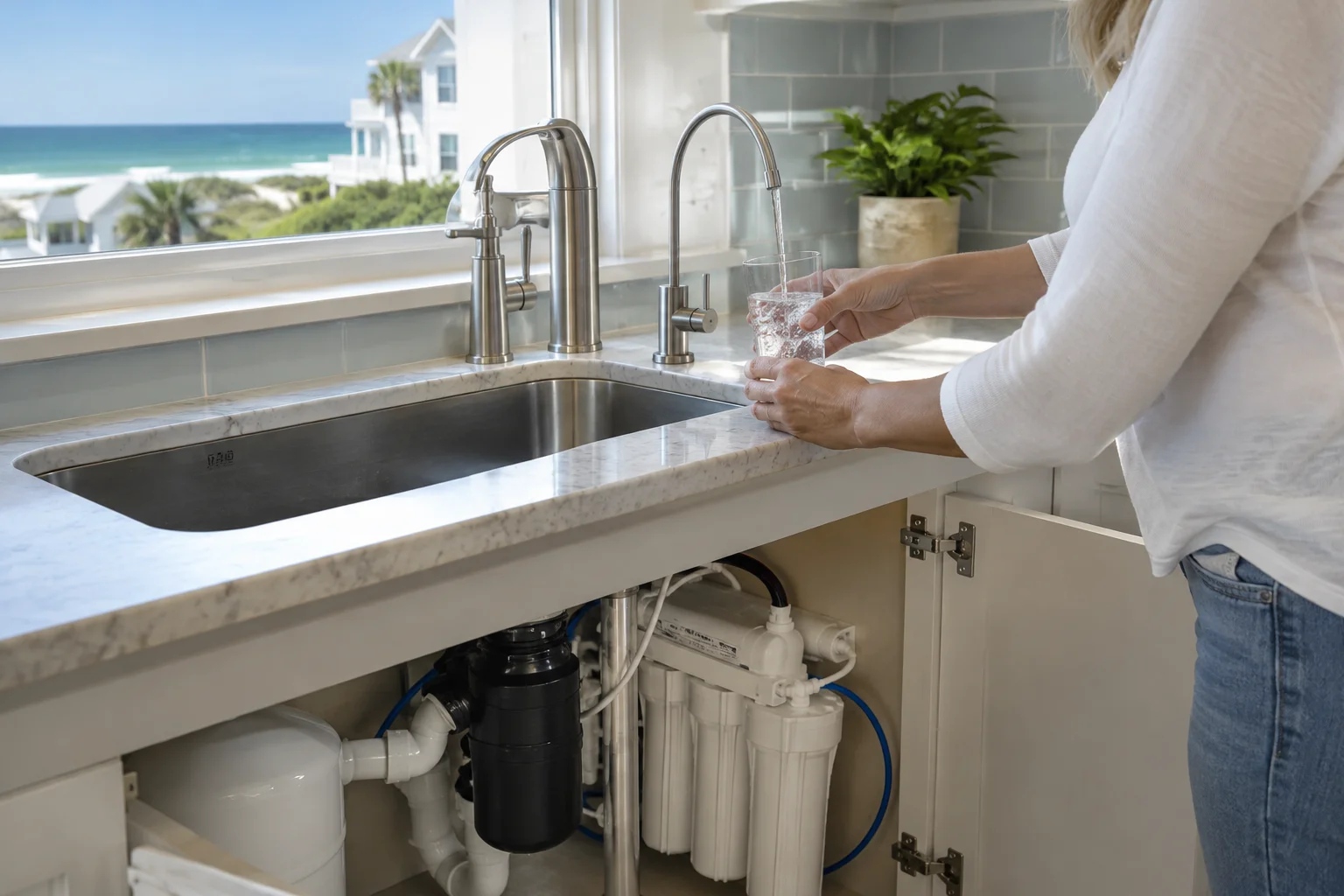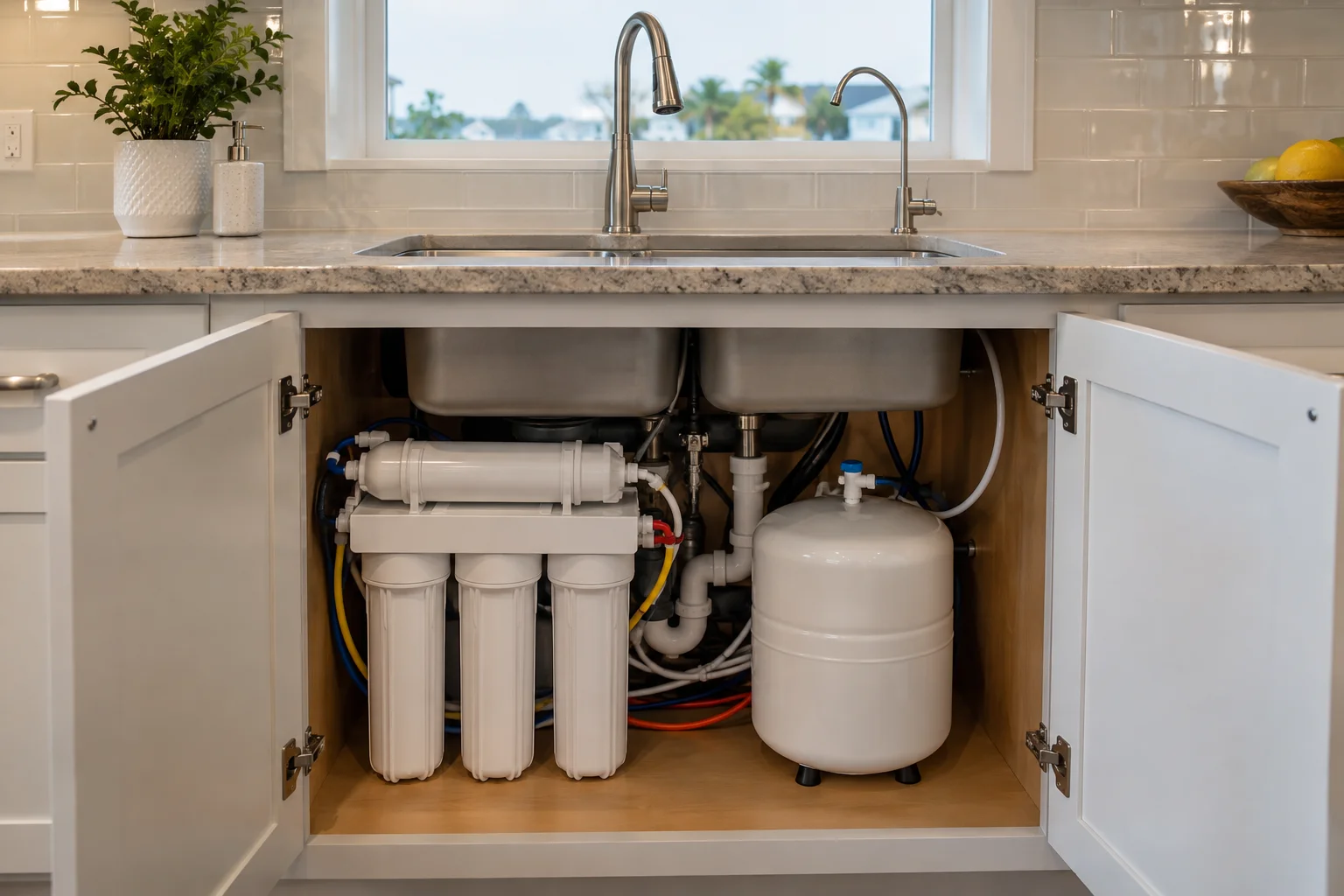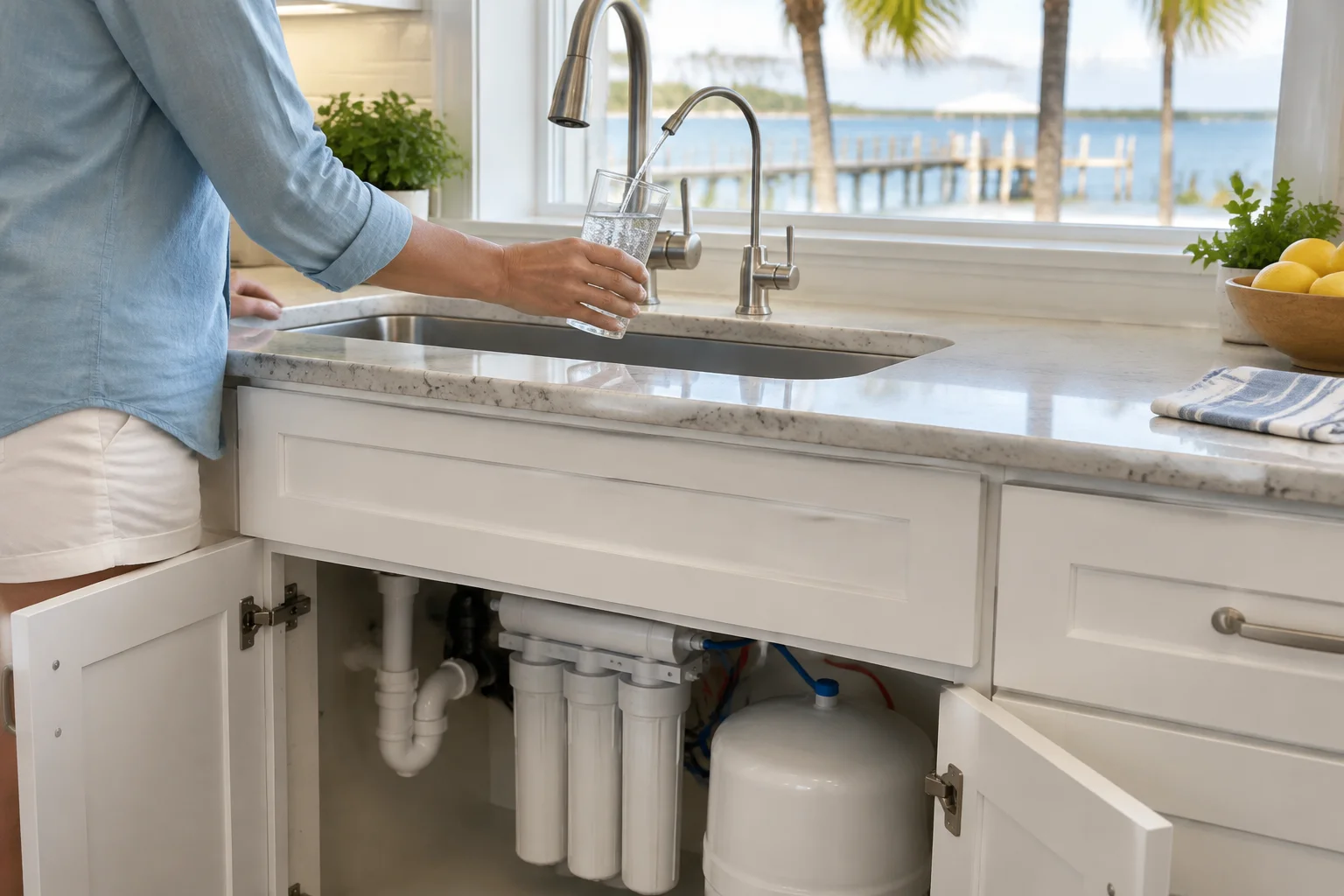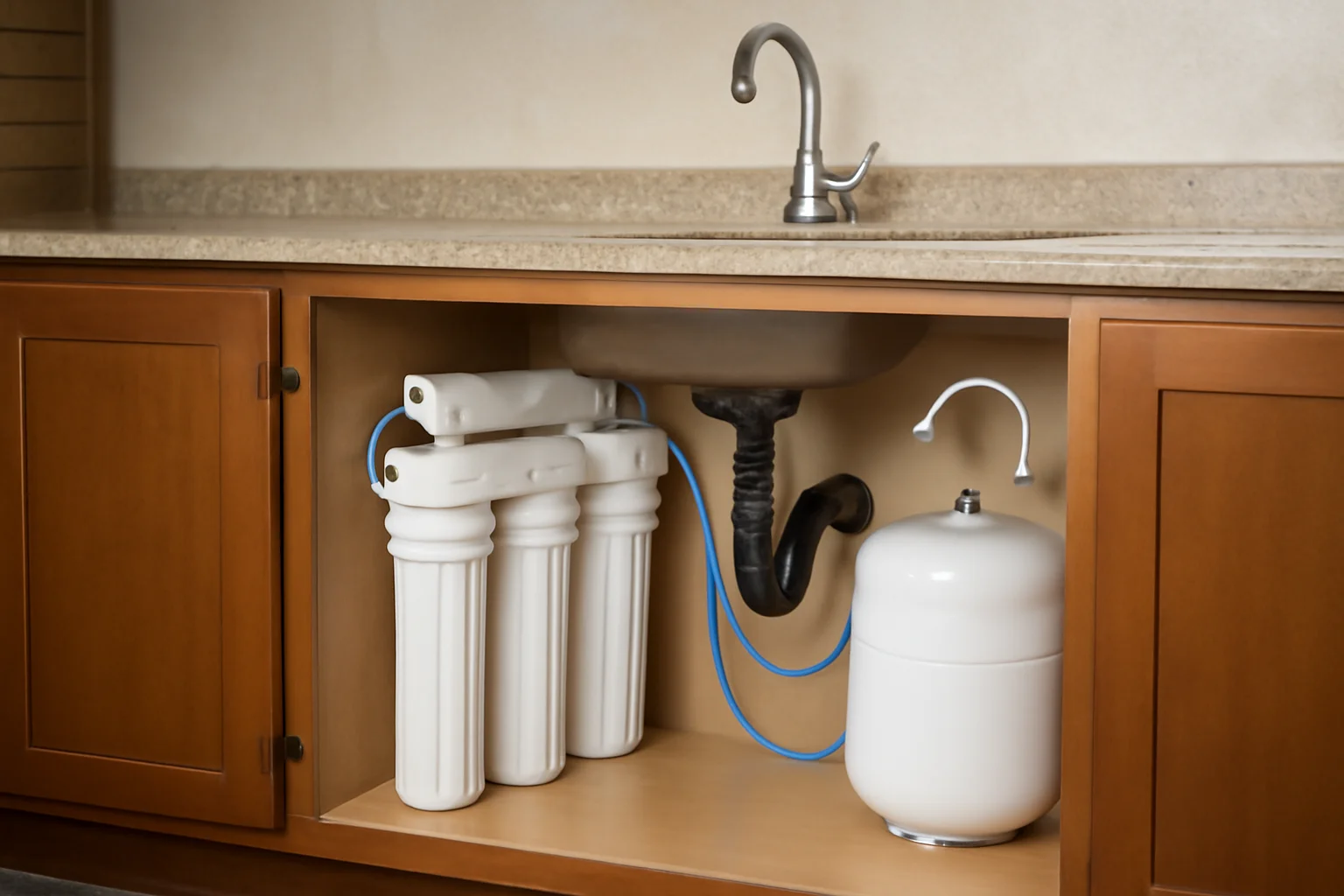
Lake Lorraine homes rely on clean water for everything from morning coffee to bathing and laundry. A reverse osmosis (RO) system can deliver great drinking water and better water for cooking, but it is not immune to local water conditions. When scale builds up inside the unit, homeowners often notice changes in taste, flow rate, and even how appliances perform.
This guide breaks down what can cause problems with reverse osmosis systems in Lake Lorraine, FL, why scale and sediment matter, and practical ways to reduce wear on your filters and RO components. If you are dealing with hard water spots on glass, soap that does not lather well, or appliances wearing out faster, the RO system may be part of the bigger water treatment picture.
Lake Lorraine water conditions that can challenge reverse osmosis
Reverse osmosis works by pushing water through a semi-permeable membrane. That membrane is designed to reject dissolved solids, including many minerals and salts. The system is efficient, but it is also sensitive to what is in the incoming water and how consistently the system is maintained.
In Lake Lorraine and throughout Okaloosa County, many homes experience hard water and mineral content that shows up as visible scale. You may see hard water spots on glass after showers or on drinking glasses after the dishwasher. You might also notice scale buildup around faucets and showerheads, plus a film that makes fixtures look dull over time.
When that mineral content enters an RO system, it can contribute to scale buildup on the membrane and in internal passages. The result can be reduced water production, more frequent filter changes, and shorter system life.
Common causes of RO problems in Lake Lorraine homes
1) Scale formation from hard water minerals
Hard water typically contains dissolved calcium and magnesium. In an RO system, water is concentrated as it moves through the membrane process. That concentration can make scale form more easily on the membrane surface. Scale reduces membrane performance and can lead to a decline in water quality and flow.
Homeowners often connect RO performance problems to everyday signs they already see around the house. If you are noticing scale buildup on faucets, showerheads, and plumbing, you are likely also dealing with scale-forming minerals in the water entering your RO system. You might also see dry skin or dull hair after bathing, which is a common hard water complaint, even when you have a drinking water filter.
Scale can also affect how your whole home water systems behave. For example, when scale is present, appliances that heat or spray water tend to accumulate deposits faster. That can mean appliances wearing out faster, and it can increase maintenance needs for fixtures and water heaters.
2) Sediment and visible particles in household water
Another frequent issue is sediment. Even if the water looks mostly clear, you can still have fine particles. Over time, sediment can clog pre-filters or contribute to fouling. That increases pressure on the system and can push the RO membrane past its intended workload.
Some homeowners describe sediment, discoloration, and odor concerns, or cloudy water that comes and goes. These issues can show up in laundry too, where clothes do not feel as clean, rinse poorly, or you notice a residue that makes towels less absorbent.
When sediment is present, an RO system may still produce water, but it may do so with reduced efficiency. That is why many homeowners benefit from a broader approach to clean water systems, not just the under-sink RO drinking water filter.
3) Chlorine and disinfectant-related membrane stress
Municipal water is often disinfected using chlorine or related compounds. RO systems typically include carbon filtration to reduce chlorine taste and protect the membrane. If pre-treatment is insufficient, chlorine can damage the membrane over time.
Homeowners sometimes report metallic, chlorinated, or unpleasant taste in drinking water when the system is not filtering as intended. If you notice poor tasting coffee and cooking water, it can be a sign that your RO output is not consistent, or that the system needs service.
Even if your RO water tastes “fine” some days, changes in chlorine levels or filter condition can cause performance swings. That is a common reason RO systems need periodic inspection and replacement of the correct components.
4) Clogged filters and slow flow due to overdue maintenance
RO systems are made of multiple stages, including sediment and carbon filters before the membrane. If filters are overdue, water flow can slow down, and the system may produce less drinking water. You might also notice changes like cloudy ice cubes, or water that looks slightly off compared to what you are used to.
Cloudy ice cubes can happen for a few reasons, including dissolved gases or particles. In an RO system context, it is often tied to incomplete filtration or a filter that is not performing at its best.
Maintenance is not only about taste. When pre-filters are clogged, the system may run with higher pressure and increased stress. That can accelerate wear on the membrane and reduce overall lifespan.
5) Incorrect system sizing for household demand
Some RO systems are installed without fully matching the family’s water use patterns. If a household uses more drinking water than expected, the RO unit may cycle more often, run longer, and rely on its storage tank more frequently.
In Lake Lorraine, many homes also have vacation patterns. If you have a second home or short-term rental, demand can spike. That makes consistent filtration and proper system sizing even more important. When demand exceeds capacity, water quality can be inconsistent and the system may feel like it is “not keeping up.”
Homeowners looking for reverse osmosis installation near me often want a system that can handle daily routines like filling a coffee carafe, refilling an ice maker, and using filtered water for cooking without running out.
6) Lack of water softening or incomplete scale control
Some homeowners rely on the RO system alone for clean water. While RO helps with dissolved solids, it does not eliminate all scale-forming minerals before they reach the membrane. That is why water softening can be a key part of protecting the RO system in hard water areas.
A water softener reduces hardness, which can reduce scale buildup on the RO membrane and help the system run more efficiently. Many households also choose whole home water filtration to improve water quality at every tap, not just at the kitchen sink.
If you have been seeing soap that does not lather or rinse well, that is a strong sign of hardness impacts. Those same hardness issues can be working behind the scenes in your RO system.
How RO problems show up in everyday Lake Lorraine life
It is easier to catch RO trouble when you connect it to what you see and taste at home. Here are common household signals that often point back to scale, clogged filters, or membrane performance.
Kitchen and drinking water changes
Poor tasting coffee and cooking water, even though you use filtered water.
Metallic, chlorinated, or unpleasant taste that seems to come and go.
Cloudy ice cubes that look different from before.
Less water coming out of the faucet or a noticeable slow flow.
Bathing and skin comfort
Dry skin from hard water, with a tight, stripped feeling after showers.
Dull hair after bathing, where hair feels less manageable or does not rinse clean.
Fixtures and plumbing scale buildup
Scale buildup around faucets, showerheads, and plumbing.
Hard water spots on glass that return quickly after cleaning.
Dull or rough-looking fixture surfaces that do not respond well to normal cleaning.
Laundry and dishwashing residue
Soap that does not lather or rinse well, leaving residue on skin, clothes, and dishes.
Visible sediment, discoloration, and odor concerns in household water.
Dishware that looks streaky or feels coated after washing.
Appliance wear and efficiency
Appliances wearing out faster, especially those that heat or spray water.
Higher maintenance needs due to mineral deposits.
When you spot these patterns together, it often means the water treatment plan needs attention. That may include RO service, but it can also mean improving pre-treatment with scale control and whole home filtration.
Ways to reduce scale and protect RO system wear
Reducing scale is not one single trick. It is a mix of correct filtration, proactive maintenance, and matching the system to your water. Here are homeowner-friendly steps that can help.
Start with the right pre-treatment
Most RO systems include sediment and carbon filtration before the membrane. If those stages are not working properly, scale and fouling can accelerate. A professional inspection can confirm whether the pre-filters are sized correctly and whether they are due for replacement.
In homes where sediment is an issue, pre-filtration can reduce the amount of particles that contribute to fouling. Where chlorine taste or chlorinated notes show up, carbon filtration helps protect the membrane and improves taste.
Consider water softening to lower hardness before RO
For Lake Lorraine households dealing with hard water spots on glass and scale buildup around fixtures, water softening can be a major protection step. Softened water reduces hardness entering the RO process, which can help limit scale formation on the membrane.
If you are comparing options, ask your water treatment provider how softening integrates with your RO system. Many homeowners find that combining reverse osmosis installation with scale control improves both drinking water quality and the longevity of the system.
You can also explore whole home water filtration, especially if you want better water at every tap. Clean water systems near me searches often come from homeowners who want consistent results in the kitchen, bathrooms, and laundry, not just one point of use.
Use scheduled filter changes based on actual conditions
Filter life depends on water quality and household demand. A system that runs hard during summer or through vacation rental turnover can need service sooner.
Instead of relying only on generic timelines, have your RO technician check pressure readings, confirm membrane condition, and replace filters according to performance. This protects the membrane and helps keep the RO drinking water system producing reliable water for your family.
Keep an eye on system pressure and flow
When RO water production drops, it can be tempting to wait it out. However, reduced flow often signals clogged filters, membrane scaling, or other issues. Addressing it early reduces the chance of additional wear.
Homeowners often notice this during busy kitchen moments, like filling the water pitcher for cooking water or making a batch of iced coffee. If the RO faucet feels slower, it is a good time to schedule service.
Sanitize and inspect storage tanks and components
RO systems typically include a storage tank. If the system has been idle for periods, such as during travel or seasonal use, components may need inspection. Odor concerns and changes in taste can sometimes be linked to stagnant water or issues with system components.
Regular inspection helps keep your filtered water for coffee and cooking tasting fresh and dependable.
Choose reputable equipment and proven brands
Many homeowners also ask about AO Smith water filtration options. AO Smith is a well-known name in water treatment, and using quality components can support consistent performance when paired with correct installation and maintenance.
A Superior Mechanical can help evaluate your home’s needs and recommend system components that match your water chemistry and household use.
Whole home water filtration versus RO-only setups
RO provides excellent drinking water and can improve cooking water. But many Lake Lorraine homeowners also want comfort and cleaner results throughout the home. That is where whole home water filtration and water softening can make a noticeable difference.
In a typical Lake Lorraine kitchen, filtered water might be used for drinking, ice, coffee, and cooking. In the bathrooms, you may still be dealing with hard water effects like dry skin from hard water and dull hair after bathing. In the laundry room, soap may not lather or rinse well, leaving residue.
Whole home water filtration can reduce sediment and help improve water quality across sinks, showers, and appliances. Water softening can reduce hardness impacts that lead to scale buildup on faucets and showerheads. Together, these approaches can protect both your RO system and your broader plumbing and appliance ecosystem.
If you are searching for clean water systems near me, it often means you want a plan that covers both everyday comfort and long-term fixture protection.
Maintenance schedule that fits real life in Lake Lorraine
Lake Lorraine homes can have different water use patterns depending on season, occupancy, and household size. A reverse osmosis system in a full-time home may experience steady demand, while a vacation rental may see spikes and downtime.
A practical maintenance approach includes:
Checking RO performance and filter condition regularly, especially if taste or flow changes.
Replacing pre-filters and carbon filters on time to protect the membrane.
Reviewing scale control and whether water softening is needed for your water conditions.
Inspecting the system after extended idle periods.
Monitoring for early signs like cloudy ice cubes, metallic taste, or reduced output.
For homeowners, the goal is simple: dependable RO drinking water system performance without constant troubleshooting.
Why local RO service matters in Okaloosa County
Water chemistry can vary from neighborhood to neighborhood, and the best way to protect an RO system is to base decisions on what your home is actually experiencing. Local water treatment service also matters because technicians understand the common issues in the area, including scale formation and sediment impacts that show up on fixtures and in household water.
That matters for more than taste. When hard water treatment becomes part of protecting fixtures and appliances, you can reduce scale buildup on faucets, limit mineral deposits in plumbing, and help appliances last longer.
If you are looking for reverse osmosis installation near me, it is worth choosing a provider that can evaluate the full setup, including pre-treatment and scale control. A Superior Mechanical installs and services reverse osmosis systems in Lake Lorraine, FL, with a focus on cleaner drinking water, better taste, and dependable plumbing solutions throughout Okaloosa County.
Learn more about local service at /service-areas/okaloosa-county/lake-lorraine/reverse-osmosis-systems-llofl. You can also explore the broader options for homeowners at /water-filtration-ro-water-softeners and see service coverage details on /service-areas/okaloosa-county/lake-lorraine and /service-areas/okaloosa-county.
Related steps that improve RO results
Reverse osmosis does not work in isolation. Small changes and preventive care can keep your water system healthier and reduce the chance that scale and sediment will cause problems.
Read how preventive plumbing care supports cleaner water in Lake Lorraine: How Preventive Plumbing Care Supports Cleaner Water in Lake Lorraine Homes.
Explore why earlier maintenance pays off: Why Earlier Plumbing Maintenance Pays Off in Lake Lorraine Homes.
Pick up smart habits for RO systems in the region: Smart Plumbing Habits for Reverse Osmosis Systems in 30A Homes.
See a homeowner-focused RO guide from nearby: Cleaner Drinking Water and Healthier Plumbing: A Rosemary Beach Homeowner’s Guide to Reverse Osmosis Systems.
When to call a professional for RO system troubleshooting
Some RO issues are minor and tied to filter replacement. Others point to scale buildup, membrane wear, or pre-treatment problems. Contact a qualified water treatment provider if you notice:
Metallic, chlorinated, or unpleasant taste returning in drinking water.
Cloudy ice cubes or changes in clarity from your RO faucet.
Less water output, slower flow, or the system struggling to keep up.
Visible sediment, discoloration, and odor concerns in household water.
Ongoing scale buildup on faucets and showerheads that suggests hardness is not controlled.
Dry skin from hard water or dull hair after bathing that does not improve with basic cleaning.
Appliances wearing out faster than expected, especially those connected to hot water.
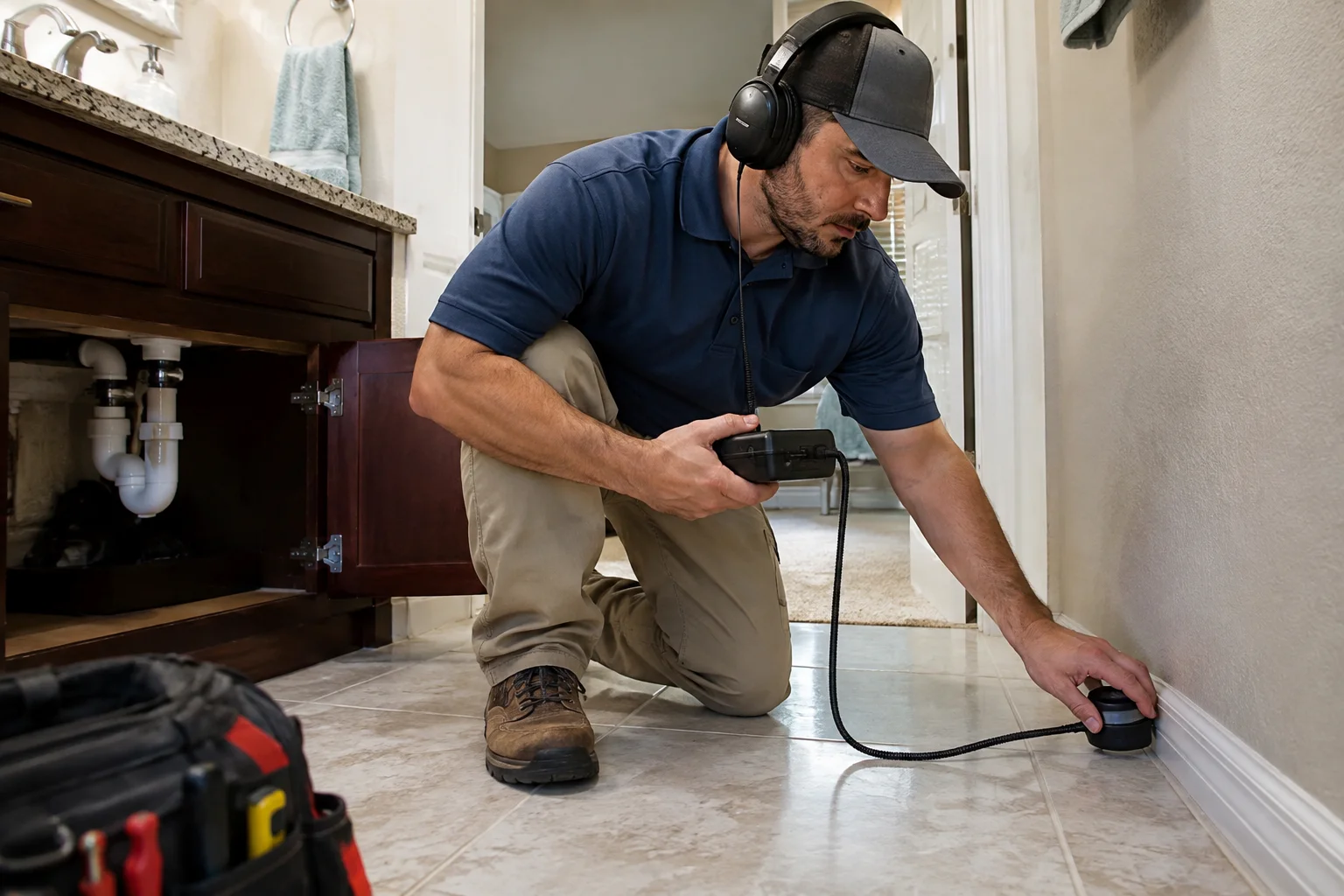
In Lake Lorraine, a professional can test water conditions, evaluate your RO stages, and recommend the right combination of reverse osmosis, water softening, and whole home water filtration where it makes sense. That gives you a cleaner, more dependable water setup for everyday routines like filling the coffee maker, cooking with filtered water, and enjoying better bathing and laundry results.
Find Reverse Osmosis Systems in Lake Lorraine, FL
If you need Reverse Osmosis Systems in Lake Lorraine, FL, visit our local service page or contact A Superior Mechanical today.
For a broader look at whole-home water filtration, reverse osmosis, and water softener options, visit our water filtration, RO, and water softener page.
Map of Lake Lorraine, FL
Frequently Asked Questions
Why does my RO system produce less water over time?
Reduced flow is often caused by clogged pre-filters, increased scale buildup, or membrane fouling. In hard water areas like Lake Lorraine, minerals can build up on the membrane if scale control and filter maintenance are not kept up. A technician can check pressure and filter condition to pinpoint the cause.
Can hard water scale damage a reverse osmosis membrane?
Yes. Hard water minerals can concentrate during the RO process and form scale on the membrane surface. That reduces efficiency and can shorten membrane life. Using water softening and maintaining the correct RO pre-treatment stages can help reduce scale buildup.
What causes cloudy ice cubes from an RO faucet?
Cloudy ice cubes can be related to fine particles, dissolved gases, or filtration issues. If the RO system’s filters are overdue or the system is not filtering consistently, it can affect clarity. Checking the RO stages and system performance is the best next step.
Do I need whole home water filtration if I already have RO drinking water?
Not always, but many Lake Lorraine homeowners choose whole home water filtration and/or water softening to address hard water effects at every tap, such as scale buildup around showerheads and faucets, soap that does not lather well, and dry skin from hard water. RO mainly targets drinking and cooking water at the point of use.
How do AO Smith water filtration systems fit with reverse osmosis?
AO Smith offers water filtration equipment that can be part of a complete water treatment plan. Your best setup depends on your incoming water quality, including hardness, sediment, and taste or odor concerns. A Superior Mechanical can recommend components and service that protect your RO system and improve your overall clean water systems.
Related Articles
- How Preventive Plumbing Care Supports Cleaner Water in Lake Lorraine Homes
- Why Earlier Plumbing Maintenance Pays Off in Lake Lorraine Homes
- Smart Plumbing Habits for Reverse Osmosis Systems in 30A Homes
- Cleaner Drinking Water and Healthier Plumbing: A Rosemary Beach Homeowner’s Guide to Reverse Osmosis Systems
Photo Gallery