Living near the Gulf means enjoying salt air, coastal breezes, and lots of sunshine. It also means your home’s water system has to work harder. In Panama City Beach, homeowners often notice changes in drinking water and water used for cooking, bathing, and laundry. Some of the most common complaints include visible sediment, cloudy ice cubes, metallic or chlorinated tastes, and odors that seem to come and go. Others see scale buildup around faucets and showerheads or experience dry skin and dull hair after bathing.
A properly designed water purification system can make a noticeable difference in everyday life. But when the wrong components are installed, filters are overdue for service, or local water conditions shift, even a good system can start to underperform. Below are the most common causes of problems with water purification systems in Panama City Beach, plus practical steps to reduce sediment, odor, and chlorine concerns.
Local water realities in Panama City Beach: why problems show up
Panama City Beach is a coastal area in Bay County where many homes rely on municipal water that can vary in mineral content and treatment levels through the year. Even when the water is treated at the source, homeowners can still experience water quality issues inside the home due to plumbing, water storage, and system performance over time.
Hard water is a frequent factor in the region. When hard water treatment is not sufficient, minerals can leave deposits that show up as hard water spots on glass, dishes, and bathroom fixtures. Over time, scale buildup can form around faucets, showerheads, and plumbing runs. That buildup can also trap sediment and reduce flow through fixtures and appliances.
Coastal conditions add another layer. Homes near the water often have more corrosion risk in certain plumbing materials, and salt air can affect metal components. If you have older plumbing or a history of leaks, sediment can also collect in low-flow areas and later break loose.
What causes sediment, discoloration, and visible particles?
Visible sediment in water is one of the most common triggers for homeowners searching for water filtration near me or home water purification near me. The causes usually fall into a few categories.
1) Filters and cartridges are overdue
Many homeowners install a whole house water filter or an AO Smith water filtration system and feel confident, until the filter reaches capacity. When sediment loads up, water can carry fine particles through the system. You may notice discoloration, gritty texture, or visible sediment in clear drinking water or ice.
This is especially common if your home experiences periods of heavy municipal flushing, nearby construction, or a sudden increase in turbidity. Regular maintenance matters because the filter that protects your home is the first line of defense.
2) Sediment is bypassing due to incorrect sizing
If a system is undersized for the household’s water use, it may struggle during peak times such as mornings and evenings. A family kitchen scene can make this obvious. One minute the kettle looks fine, and the next minute the coffee tastes off and the ice looks cloudy. That pattern often points to flow and filtration limits rather than a one-time issue.
3) Plumbing scale and corrosion stir up particles
Scale buildup around faucets and showerheads can hide deposits until water pressure changes or a fixture is used more frequently. Corrosion in older lines can contribute to discoloration and fine debris. When you run water after a vacation or after a long period of low use, you may see cloudy water or temporary odor concerns.
Why odor and chlorine concerns happen, even with purification
Some odors are tied to the water source. Others happen when treatment and filtration are not matched. Many homeowners describe water odor concerns as “chlorine smell,” “pool-like odor,” or a lingering unpleasant taste in drinking water.
1) Activated carbon is not present or not maintained
Carbon-based filtration helps reduce chlorine taste and odor and can improve metallic tasting water. If your system does not include carbon where it matters, or if the carbon has become saturated, odors can slip through. You might notice it most in the kitchen, where drinking water and cooking water are used daily.
2) Chlorine demand is changing
Municipal treatment levels can vary. When chlorine levels shift, a system that previously felt “fine” may start to smell stronger. This is one reason homeowners sometimes notice metallic tasting water or a stronger chlorinated taste during certain seasons.
3) Water sits in lines or storage tanks
In some homes, water can sit in plumbing sections, especially in guest bathrooms or rarely used fixtures. When water sits, it can pick up odors from internal surfaces or simply reflect the current treatment level more strongly. Reverse osmosis systems and point-of-use setups can also change how taste is perceived depending on how often the system is flushed and used.
Hard water signs you can spot around the home
Hard water is not just a cosmetic inconvenience. It can affect how soap works, how appliances perform, and how your skin and hair feel after bathing. Homeowners often connect these issues only after they see a pattern.
Common hard water signs in Panama City Beach homes
Hard water spots on glass after showers or wiping down windows.
Scale buildup around faucets, showerheads, and fixtures, often with a chalky white or cloudy look.
Dry skin or dull hair after bathing, along with soap that does not lather or rinse well.
Soap scum that feels like a film, even when you rinse carefully.
Appliances wearing out faster, including water heaters, dishwashers, and coffee makers.
Cloudy ice cubes from mineral content and trapped air, which can also correlate with visible sediment in water.
When hard water treatment becomes part of protecting fixtures and appliances, many of these issues improve together. That is why whole home water filtration and water softening are often paired in local clean water systems.
How poor water affects everyday life: kitchen, bath, laundry, and appliances
Water quality is easy to overlook until it shows up in your routine. A family kitchen is a good example. When water tastes metallic or chlorinated, coffee can taste flat, and cooking water can affect how flavors come through in pasta, rice, and soups. Some homeowners also notice that tea tastes “off” even when they use the same brand of leaves.
In the bathroom, scale and mineral buildup can make shampoo and conditioner feel less effective. You might notice dull hair, dryness, and skin that feels tight. In the shower, the same minerals that leave spots on glass can also interfere with how soap and body wash lather and rinse.
On laundry day, hard water can make towels feel rough and leave residue. You may end up using more detergent to get the same clean feeling, and colors can fade faster. Over time, appliances like dishwashers and water heaters may show early wear because scale acts like an insulating layer that reduces efficiency.
Where whole home filtration, softeners, and reverse osmosis fit
Not every home needs every technology. The best approach depends on what you are seeing: sediment, odor, chlorine taste, hard water scale, or a combination. Many Panama City Beach homeowners choose a layered strategy because it targets multiple issues.
Whole home water filtration for sediment and general protection
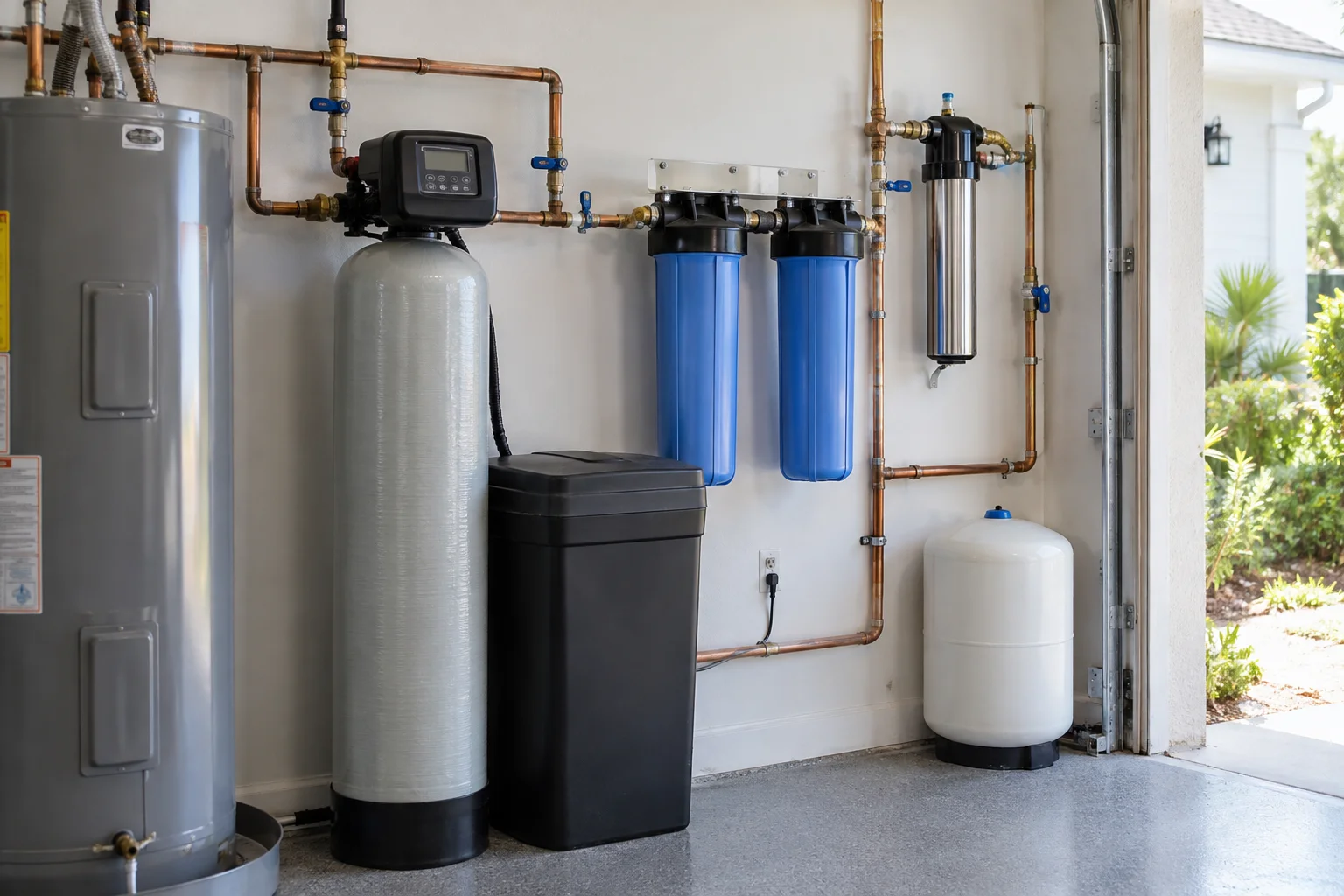
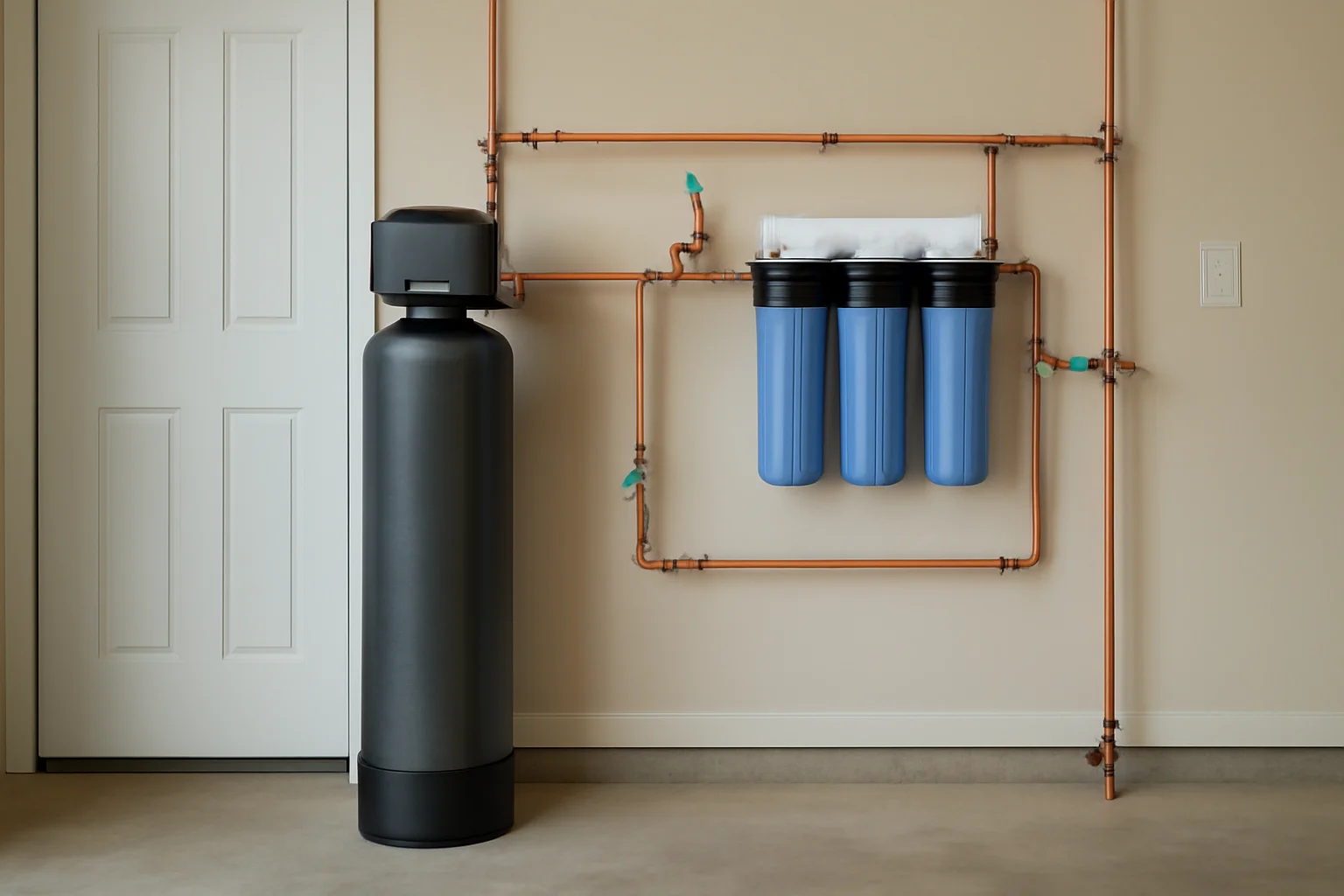
A whole house water filter helps protect plumbing, fixtures, and appliances from sediment and particulate matter. It can reduce visible sediment in water and help keep ice clearer. When paired with maintenance, whole home filtration is often the foundation for cleaner water for everyday life.
Homeowners looking for AO Smith water filtration frequently choose it because AO Smith systems are designed for whole home performance and are commonly used for sediment and taste improvement depending on configuration.
Water softening to reduce scale buildup and improve bathing and laundry
A water softener service and properly sized softening system can reduce scale buildup around faucets, showerheads, and plumbing. That usually means fewer hard water spots on glass and better soap lather and rinse. Many families notice improvements quickly in the shower and in how laundry feels after washing.
If your home has stubborn scale, a whole house water filter alone may not solve it. In that case, water softening is often the missing piece.
Reverse osmosis for drinking water and cooking water taste
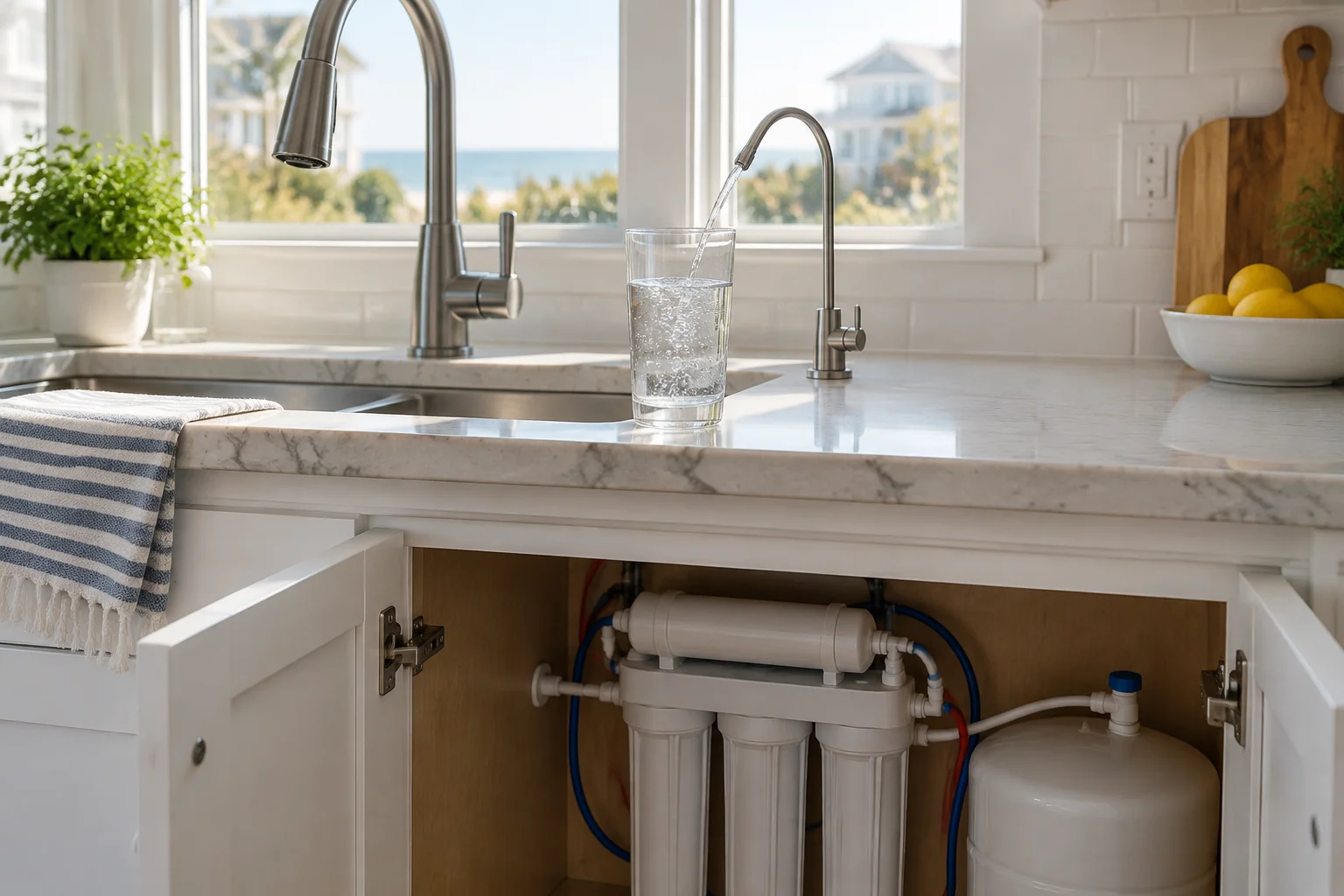
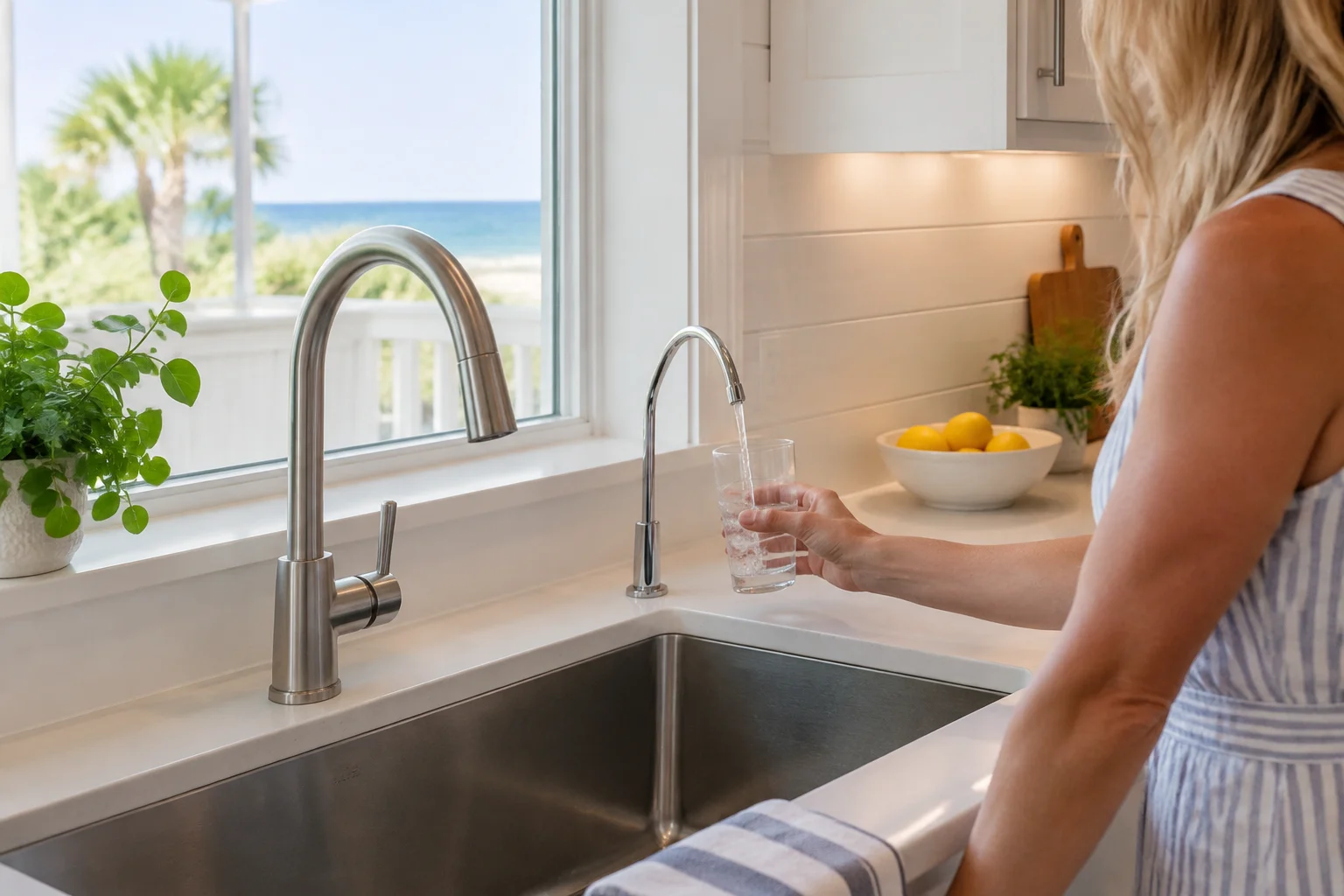
Reverse osmosis installation is popular when the biggest concerns are drinking water taste, metallic tasting water, and chlorine or odor concerns. Reverse osmosis systems can produce very clean water for the kitchen sink, refrigerator ice maker, and drinking water.
Some families also use reverse osmosis for cooking water because it can improve the flavor experience in coffee and everyday meals. If you already have whole home filtration and softening, reverse osmosis can focus on taste and odor for the specific points where you drink and cook.
Whole home water filtration near me plus targeted taste reduction
When you are searching for clean water systems near me, it helps to ask what problem each stage solves. Whole home water filtration near me searches often come from homeowners dealing with visible sediment, odor concerns, or scale. A good system design reduces sediment first, then addresses taste and odor, and finally manages hardness if needed.
Common mistakes that lead to recurring water purification problems
Even well-installed systems can struggle if the maintenance plan does not match your water and usage. Here are a few common causes of repeat issues.
1) Waiting too long to replace filters
Filters are consumable components. If you replace them based on guesswork rather than service intervals, you can end up with sediment and odor concerns returning. Cloudy ice cubes and discoloration often show up before a filter fails completely.
2) Ignoring water test results
A “chlorine smell” complaint can mean different things. It could be chlorine taste, a carbon stage that needs replacement, or a larger issue with the filtration path. A water test helps confirm whether the fix is carbon, sediment filtration, hardness treatment, or something else.
3) Assuming one device solves everything
Whole home water filtration helps with sediment and general protection. Water softening targets hardness and scale. Reverse osmosis installation targets drinking water taste and contaminants. Trying to solve all problems with a single device can leave you with lingering issues like dry skin, dull hair, metallic taste, or soap that does not lather well.
4) Not accounting for plumbing age and layout
Older homes may have sections of plumbing where sediment collects. When flow increases or fixtures are replaced, those deposits can move. That is why a maintenance-focused approach and proper system selection matter in Bay County.
Practical ways to reduce sediment, odor, and chlorine concerns
There are steps homeowners can take right away, and there are longer-term maintenance practices that keep systems performing.
1) Watch for patterns, not just one-off issues
Note whether problems happen after the home has been unused, after heavy rainfall, or during certain times of day. If the metallic taste or chlorinated smell is strongest in the morning, it may relate to how water sits in lines. If sediment appears after municipal changes, it may be a filtration capacity issue.
2) Check for scale at the places water concentrates
Look at faucets, showerheads, and the aerators on kitchen sinks. If you see scale buildup around these areas, it is a sign that hardness treatment may be insufficient. That scale can also reduce flow and make appliances wear faster.
3) Compare drinking water taste with whole home water
If you notice that coffee tastes off and ice is cloudy but shower water seems fine, reverse osmosis or point-of-use taste filtration may be the priority. If the same issues show up across the home, whole home water purification systems may need adjustment or service.
4) Keep up with filter and system maintenance
Maintenance is where most water purification systems win or lose. If you are using a whole house water filter, schedule filter changes based on actual conditions. If you have a water softener, make sure it is operating correctly and that brine and settings are appropriate for your household.
If you have reverse osmosis, follow manufacturer service schedules and have the system checked when taste or flow changes. Reverse osmosis systems can develop issues if membranes or pre-filters are overdue.
5) Use cleaner-water habits while you troubleshoot
If odor concerns are active, consider using the cold water line first for drinking water and ice if your system is designed that way. If you are away for a week or more, run the cold water at the kitchen sink briefly before filling drinking containers. These habits can help while you address the root cause.
When to call a professional water treatment team in Panama City Beach
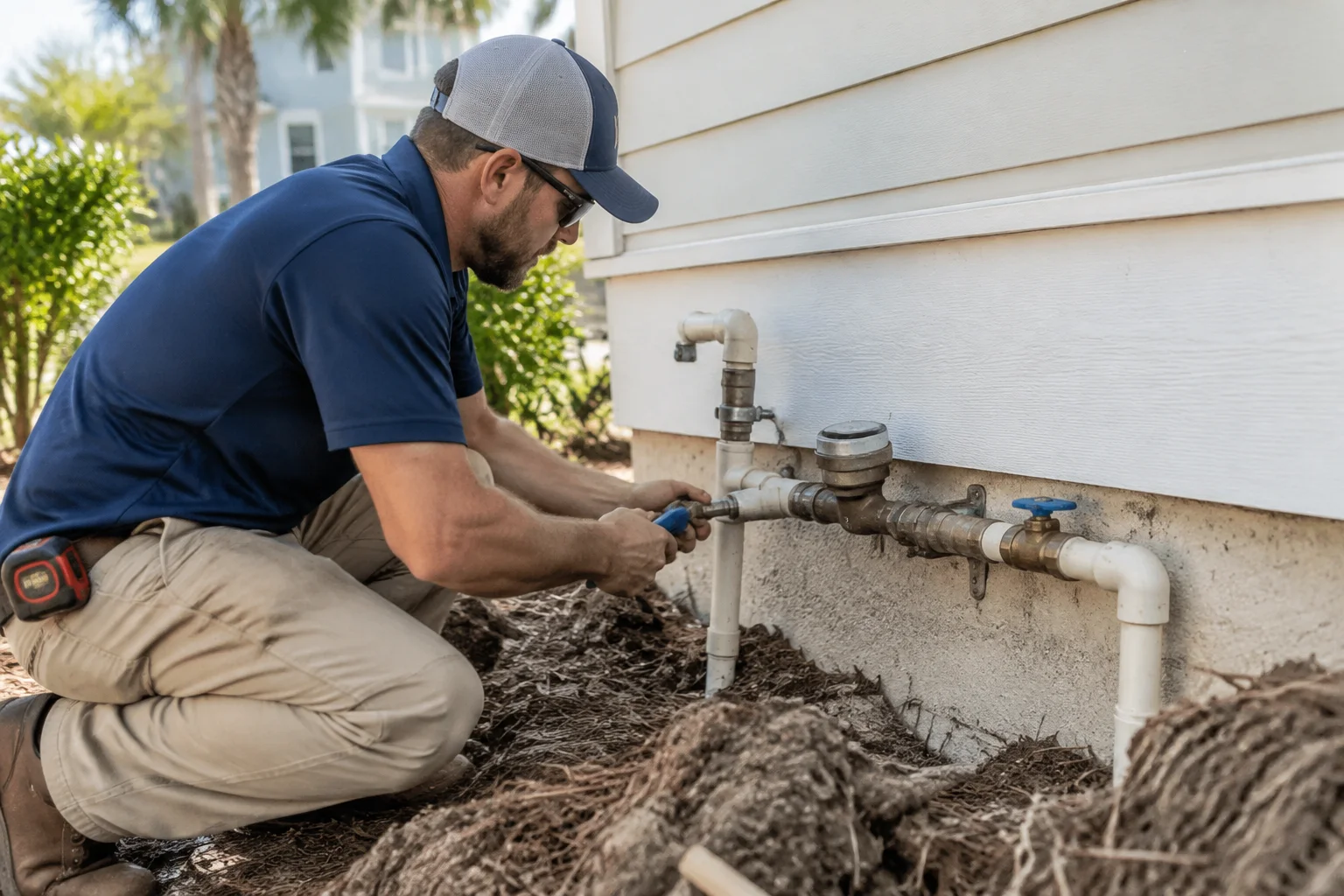
DIY steps can help you observe what is happening, but water treatment is a system-level problem. A professional can inspect the setup, measure performance, and recommend the right combination of filtration, softening, and taste reduction.
Call for service if you notice any of the following:
Visible sediment, discoloration, or a gritty texture in water.
Persistent water odor concerns, metallic tasting water, or a strong chlorinated taste that does not improve after filter changes.
Cloudy ice cubes that keep returning.
Scale buildup around faucets and showerheads that keeps coming back quickly.
Dry skin or dull hair after bathing, plus soap that does not lather or rinse well.
Appliances wearing out faster than expected, or repeated mineral-related maintenance.
If you also suspect plumbing-related contributors, it can help to coordinate water treatment with plumbing maintenance. Small issues like clogged aerators, failing valves, or sediment collection can overlap with filtration performance. For related guidance, homeowners may find these posts useful: Small Plumbing Repairs That Save Panama City Beach Homes from Bigger Trouble, A Smarter Way to Handle Plumbing Maintenance in Panama City Beach, and Keeping Panama City Beach Plumbing Ready for Coastal Living.
Choosing the right system for your home: a practical checklist
Homeowners searching for water filtration near me often want a quick fix. The best results usually come from matching equipment to your actual water issues. Use this checklist when discussing options with a water purification team:
Identify the main complaint. Is it visible sediment, water odor concerns, metallic tasting water, chlorine taste, or hard water spots on glass?
Decide where you want the improvement. Whole home water for bathing and laundry, or drinking water and cooking water for coffee and meals, or both.
Confirm hardness and scale issues. If you have scale buildup around faucets and showerheads, ask about water softening and how it will be integrated.
Consider layered treatment. Whole home filtration for sediment protection, water softening for scale reduction, and reverse osmosis for taste and odor concerns at the kitchen.
Ask about AO Smith water filtration options. If you are considering AO Smith water filtration or want to compare configurations, request recommendations based on your test results.
Plan maintenance from day one. Ask how often filters, carbon stages, and reverse osmosis components should be serviced.
Why local service matters in Bay County
Water quality problems are not one-size-fits-all. In Bay County, homes can differ widely based on age, plumbing materials, and how much sediment and hardness you experience. Local water treatment service matters because a local team understands the patterns homeowners in Panama City Beach report, including seasonal taste changes, scale buildup, and recurring odor concerns.
If you want a tailored plan for clean water systems in Panama City Beach, start with the service area information for Water Purification Systems in Panama City Beach, FL. You can also browse the broader options on water filtration and RO water softeners to compare whole house filtration, reverse osmosis installation, and water softener service approaches. For more about coverage across the region, see Bay County service areas.
A layered approach that helps families feel the difference
When water treatment is done right, the benefits show up everywhere your family uses water. Ice becomes clearer. Coffee tastes better. Cooking water supports flavors instead of adding an odd aftertaste. Soap lathers and rinses more easily, and skin feels less dry after bathing. Dishes come out cleaner with fewer hard water spots, and appliances run more efficiently.
In Panama City Beach, the goal is not just “better water” on paper. It is cleaner water for everyday life, built around what your home is actually experiencing. With the right combination of whole home water filtration, water softening, and reverse osmosis for drinking water, sediment, odor, and chlorine concerns can become manageable instead of recurring.
If you are comparing options or trying to troubleshoot recurring issues like visible sediment in water, metallic tasting water, or scale buildup around fixtures, the next step is to get your system evaluated. That is often the fastest route to the right solution for your household and your plumbing layout.
Find Water Purification Systems in Panama City Beach, FL
If you need Water Purification Systems in Panama City Beach, FL, visit our local service page or contact A Superior Mechanical today.
For a broader look at whole-home water filtration, reverse osmosis, and water softener options, visit our water filtration, RO, and water softener page.
Map of Panama City Beach, FL
Frequently Asked Questions
Why does my ice look cloudy even if I have a water filter?
Cloudy ice is often caused by mineral content, fine sediment, or changes in taste and odor stages. If your whole home filter is overdue or undersized, particles can pass through. If the issue is mostly at the kitchen, a reverse osmosis system or updated carbon stage may be needed.
Can hard water cause dry skin and dull hair?
Yes. Hard water can reduce how well soap lathers and rinses, leaving residue that can make skin feel tight and hair feel dull. Water softening and properly configured whole home water filtration can help reduce scale and improve bathing results.
What is the best way to reduce chlorine taste and odor in drinking water?
Chlorine taste and odor are commonly reduced with an appropriately sized carbon stage and regular service. If you still notice a chlorinated smell at the tap, reverse osmosis installation can provide targeted improvement for drinking water and cooking water.
How often should water purification systems be serviced in Panama City Beach?
Service intervals depend on your system type, cartridge sizes, and how much sediment or hardness your home experiences. A technician can recommend schedules based on your water test results and the condition of your filters and stages.
Related Articles
Photo Gallery