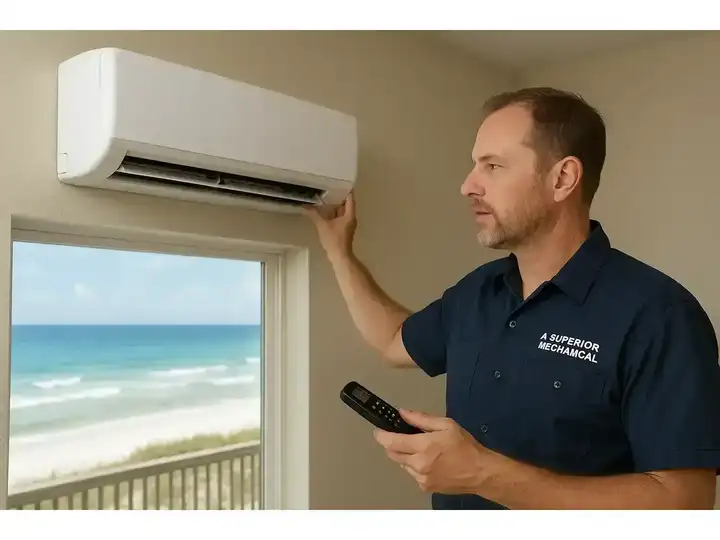
Seagrove Beach homes face a different kind of comfort challenge than homes inland. Salt air, humidity, sudden summer heat, and the way many coastal properties are built all affect how well an HVAC system performs. For homeowners weighing ductless mini-splits in Seagrove Beach, FL, the best decision is rarely just about equipment size or brand. It is about matching the system to the home, the climate, and how the space is actually used.
Ductless mini-splits can be a smart fit for beach cottages, additions, garage conversions, guest suites, condos, and rental properties. They give you room-by-room control, avoid bulky ductwork, and can help reduce energy waste in homes that do not need whole-house cooling all the time. But the right choice depends on more than the sticker price. Local humidity, corrosion risk, insulation quality, and maintenance access all matter in Walton County.
If you are comparing options in the area, it helps to start with how Seagrove Beach weather affects cooling demand. Our local climate is warm for much of the year, and high humidity can make a home feel uncomfortable even when the thermostat looks fine. For a deeper look at that, see How Local Weather Affects Ductless Mini-Splits in Seagrove Beach, FL.
Why ductless mini-splits fit so many Seagrove Beach homes
Many homes in Seagrove Beach were not built with modern duct systems in mind. Some have additions, open porches that were enclosed later, upstairs rooms that never cool evenly, or rental layouts that need flexible zoning. Ductless mini-splits solve a lot of those problems without the cost and disruption of installing ductwork.
They are especially useful when one area of the home stays too warm while another gets too cold. A mini-split lets you cool or heat that space directly. That can be a big advantage in coastal homes where guests use different rooms at different times, or where a homeowner only wants to condition certain parts of the house.
For homeowners in the broader area, it can also help to compare mini-splits with other comfort options available through our Seagrove Beach service area page and the wider Walton County service area. The right answer is not always the same for every home, but mini-splits are often a strong option when flexibility and efficiency matter.
Climate and construction details that change the decision
Seagrove Beach sits in a coastal environment where humidity can be persistent, salt exposure is a real concern, and cooling systems may run for long stretches during the hottest months. That changes what homeowners should prioritize.
Humidity control matters as much as temperature
A system that cools quickly but leaves the air sticky will not feel comfortable for long. Mini-splits can do a good job with humidity when they are properly sized and installed, but oversizing is a common mistake. An oversized system may short cycle, which means it cools fast but does not run long enough to remove enough moisture from the air.
Coastal corrosion can shorten equipment life
Salt air can be tough on outdoor components. Homeowners should ask about corrosion resistant finishes, proper equipment placement, and maintenance plans that account for coastal conditions. A unit installed too close to direct salt exposure or without enough protection may need more repairs over time.
Home layout affects performance
Some Seagrove Beach homes have high ceilings, large windows, lots of sun exposure, or open floor plans that heat up quickly. Others are smaller but have rooms that do not share air well. A good installer will look at the whole picture before recommending a system. That includes insulation, window placement, ceiling height, and how often the home is occupied.
How to compare mini-split options without getting lost in jargon
Homeowners often get overwhelmed by technical terms like BTU, SEER, inverter technology, and zone count. Those details matter, but only if they are tied to how you use your home.
BTU capacity should match the space, not just the square footage on paper. A sunlit room with poor insulation may need a different setup than a shaded room of the same size. Inverter-driven systems are often a good fit for coastal homes because they can adjust output more smoothly, which helps with comfort and efficiency.
Zone count is another important decision. A single-zone system works well for one room or one addition. A multi-zone system may be better for a home with several problem areas, guest rooms, or a rental property with different occupancy patterns. If you are trying to balance comfort across multiple spaces, it may also be worth looking at related services like Air Conditioning Systems and Heat Pump Services to compare whole-home and zoned solutions.
Common problems homeowners run into with ductless systems
Mini-splits are reliable when they are installed correctly and maintained regularly, but Seagrove Beach conditions can expose weak spots faster than many homeowners expect.
Weak cooling or uneven room temperatures
If one room never seems to reach the set temperature, the cause may be poor sizing, a blocked filter, low refrigerant, or an installation issue. In a coastal home, even small airflow problems can become noticeable quickly because the system is working against humidity and heat for much of the day.
Musty odors or excess moisture
Mini-splits should help improve comfort, not create a damp smell. Musty odors often point to dirty filters, clogged drain lines, or moisture collecting inside the unit. That is especially important in a beach climate where indoor humidity can stay high if the system is not draining properly.
Outdoor unit wear from the environment
Sand, salt, and debris can build up around the outdoor condenser. If the unit is not kept clear, performance can suffer and parts may wear out sooner. A little preventive care goes a long way in a coastal setting.
If your system is already struggling, a professional inspection can help determine whether the issue is repairable or whether replacement makes more sense. That is especially true for older systems that have been exposed to years of salt air and heavy seasonal use.
Installation choices that make a real difference
Good equipment can still perform poorly if the installation is rushed. Homeowners in Seagrove Beach should pay close attention to where units are placed, how lines are routed, and how the system is set up for drainage and service access.
Indoor heads should be installed where they can move air effectively without blowing directly on beds or seating areas. Outdoor units should be positioned to reduce exposure to salt spray and standing water. Drainage should be planned carefully, because a coastal home with humidity issues cannot afford a condensate problem on top of everything else.
This is where local experience matters. A technician who understands Seagrove Beach homes will know how to account for beach conditions, vacation occupancy, and the mix of older cottages and newer construction across the area. For homes that are still being built or remodeled, pairing mini-splits with planning from Building Reliable Comfort Into New Construction HVAC in Seagrove Beach, FL can help avoid expensive changes later.
Maintenance that keeps comfort steady through the season
Mini-splits need regular attention to stay efficient. In a coastal climate, maintenance is not just about keeping the air clean. It also protects the system from early wear.
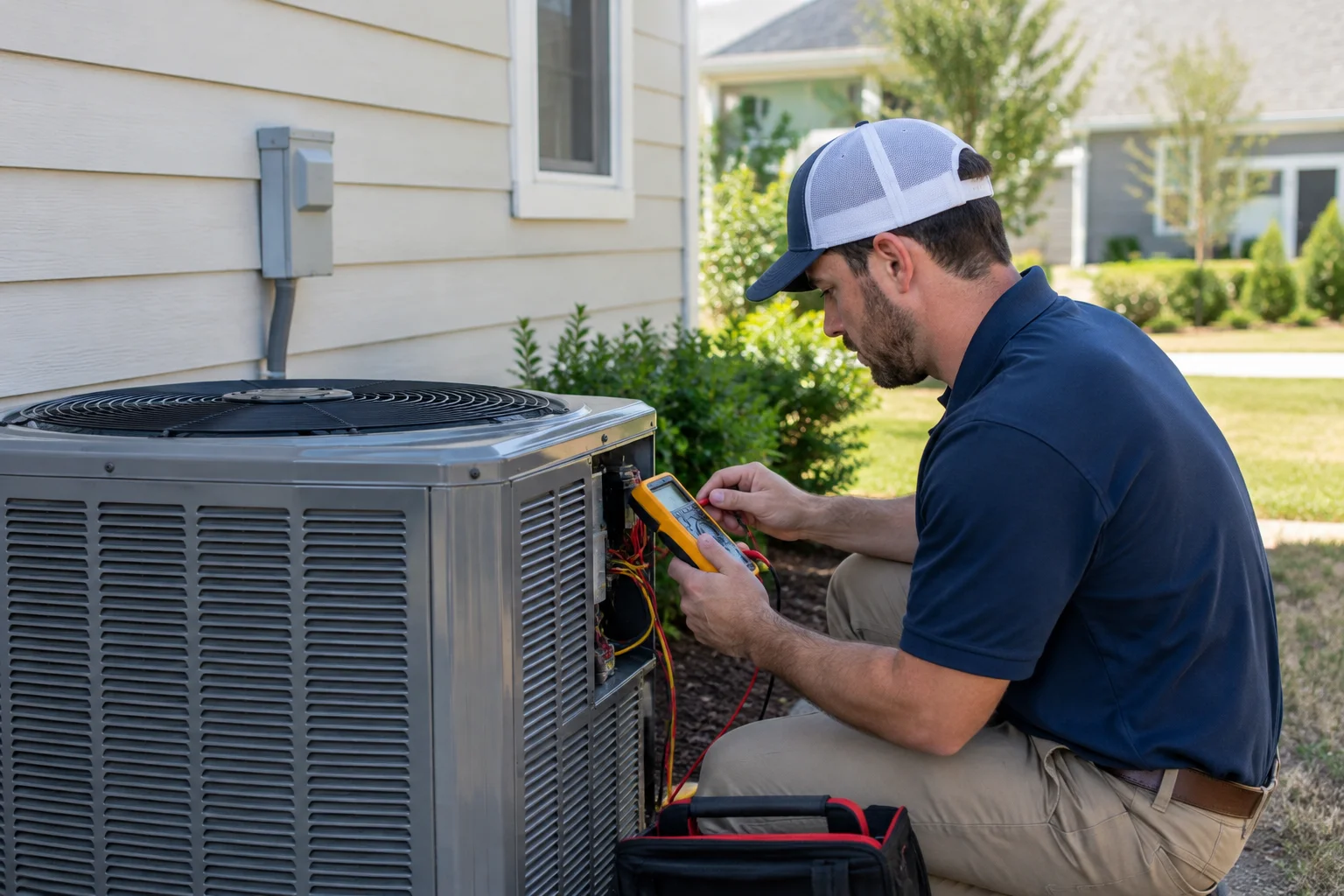
Homeowners should clean or replace filters as recommended, keep the outdoor unit clear of leaves and sand, and schedule seasonal service before peak cooling demand. A professional tune-up can include checking refrigerant levels, inspecting electrical components, cleaning coils, testing drainage, and looking for signs of corrosion.
For rental properties, maintenance is even more important because higher occupancy can mean more runtime and faster buildup of dust and moisture. If you manage a vacation home, it may also help to read Keeping Seagrove Beach Rentals Comfortable with Smarter HVAC Management for practical ways to reduce complaints and service calls.
How to know whether repair, replacement, or a new install makes sense
Not every mini-split problem means the system is at the end of its life. Sometimes a clogged drain, failed capacitor, or dirty coil is the whole issue. Other times, repeated repairs point to a larger problem with age, sizing, or coastal wear.
Repair is often the best route when the system is relatively new, the issue is isolated, and the equipment has been maintained well. Replacement may be the smarter choice if the unit is older, needs frequent service, or no longer keeps up with the home’s cooling load. New installation makes sense when a room has never been comfortable or when a renovation, addition, or converted space needs its own dedicated system.
If your home also has other HVAC equipment, it can be helpful to compare how mini-splits fit with broader cooling and heating plans. Related services like Air Conditioning Services and Heating Control Systems can support a more complete comfort strategy for homes that need more than one approach.
Why local service matters in Seagrove Beach
Hiring a local HVAC team is not just about convenience. It is about getting advice that fits the way homes in Seagrove Beach are actually built and used. A local technician understands the impact of humidity, salt air, seasonal occupancy, and the mix of full-time homes and rentals throughout Walton County.
That local knowledge can help prevent common mistakes like oversizing, poor unit placement, or choosing equipment that is not well suited to the coastal environment. It also makes follow-up service easier when you need maintenance before the busy season or a fast repair during a heat wave.
If you are comparing options for ductless mini-splits in Seagrove Beach, FL, the goal should be long-term comfort, not just a quick install. A system that is matched to the home and maintained by a team that knows the area is more likely to deliver steady performance year after year.
A Superior Mechanical provides ductless mini-split installation, repair, replacement, and maintenance for coastal homes, condos, rentals, additions, and small businesses across Seagrove Beach and Walton County. If you want help deciding what fits your home best, start with a local evaluation and build from there.
Find Ductless Mini-Splits in Seagrove Beach, FL
If you need Ductless Mini-Splits in Seagrove Beach, FL, visit our local service page or contact A Superior Mechanical today.
Map of Seagrove Beach, FL
Frequently Asked Questions
Are ductless mini-splits a good choice for Seagrove Beach homes?
Yes. They work well for coastal homes, additions, condos, and rentals because they offer zoned comfort, avoid duct losses, and can help manage humidity when properly sized and installed.
How does coastal weather affect a mini-split system?
Salt air, humidity, and long cooling seasons can increase wear on outdoor components and make maintenance more important. Proper placement, corrosion-resistant materials, and regular service help the system last longer.
How often should a ductless mini-split be serviced in Walton County?
Most homeowners should schedule professional maintenance at least once a year, and some coastal or rental properties benefit from service before peak cooling season and after heavy use periods.
Related Articles
Photo Gallery