Air conditioning systems in Lynn Haven work hard for much of the year. Between long stretches of heat, heavy humidity, afternoon storms, and salty coastal air moving through Bay County, even a well installed system can start to lose efficiency over time. Many homeowners do not notice the change right away. The house may still cool, but it takes longer, costs more to run, or leaves rooms feeling damp and uneven.
That is why it helps to understand what wears on an AC system, how those changes show up inside the home, and which problems are worth catching early. If you are comparing repair, replacement, or maintenance options for air conditioning systems in Lynn Haven, FL, the details matter. Local homes face different conditions than homes farther inland, and the right service approach should reflect that.
Why Lynn Haven conditions are tough on AC equipment
Lynn Haven sits in a climate that keeps cooling systems busy. Summer temperatures are high, humidity stays elevated, and many homes run the AC for long hours almost every day. That constant use puts wear on motors, electrical parts, refrigerant circuits, and drainage components. Add in the coastal environment and the system has even more to deal with.
Salt in the air can speed up corrosion on outdoor units, fasteners, and coils. Moisture can encourage rust, mold growth, and drain issues. In neighborhoods with older homes, additions, or vacation properties, the ductwork and airflow setup may also be less than ideal for the way the house is used now. All of that can shorten equipment life if it is not monitored regularly.
For homeowners across Bay County, the challenge is not just keeping a home cool. It is keeping the system efficient enough to handle humidity, protect indoor comfort, and avoid expensive breakdowns during peak season.
What commonly wears down an AC system over time
1. Constant runtime in hot weather
The longer an AC system runs, the more wear it experiences. Lynn Haven summers often push systems into near nonstop operation, especially in homes with older insulation, sun exposed windows, or poor attic sealing. Over time, that continuous demand can strain the compressor, fan motors, and contactors.
When a system starts working harder than it should, homeowners may notice longer cooling cycles, louder operation, or higher electric bills before they notice a full failure.
2. Humidity and drainage problems
Florida humidity is not just uncomfortable. It also makes AC systems manage a lot of moisture. The evaporator coil pulls water from the air, and that water needs to drain properly. If the drain line clogs with algae or debris, water can back up into the system or leak into the home.
High indoor humidity can also make a house feel warmer than it is, which leads many people to lower the thermostat even more. That extra demand can create a cycle where the system runs longer but still does not feel right.
3. Dirty coils and restricted airflow
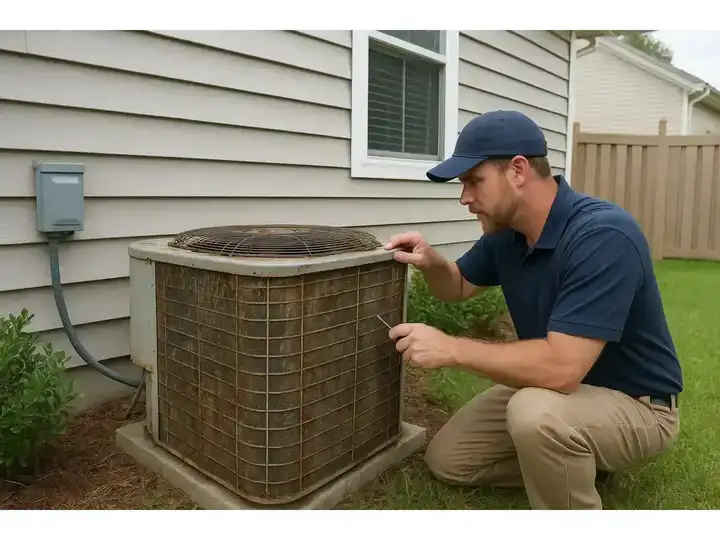
Dust, pollen, pet hair, and outdoor debris can collect on coils and filters. When airflow is restricted, the system has to work harder to move air through the home. That can reduce cooling performance and increase the risk of frozen coils or overheating components.
In Lynn Haven, where pollen and seasonal debris can build up quickly, regular filter changes and coil cleaning make a noticeable difference. This is also where broader indoor air quality concerns can connect with AC performance. Homeowners who want cleaner indoor air may also want to read Cleaner Air, Fewer HVAC Headaches: What Lynn Haven Homeowners Should Know About Filtration and Purifiers.
4. Electrical wear and aging parts
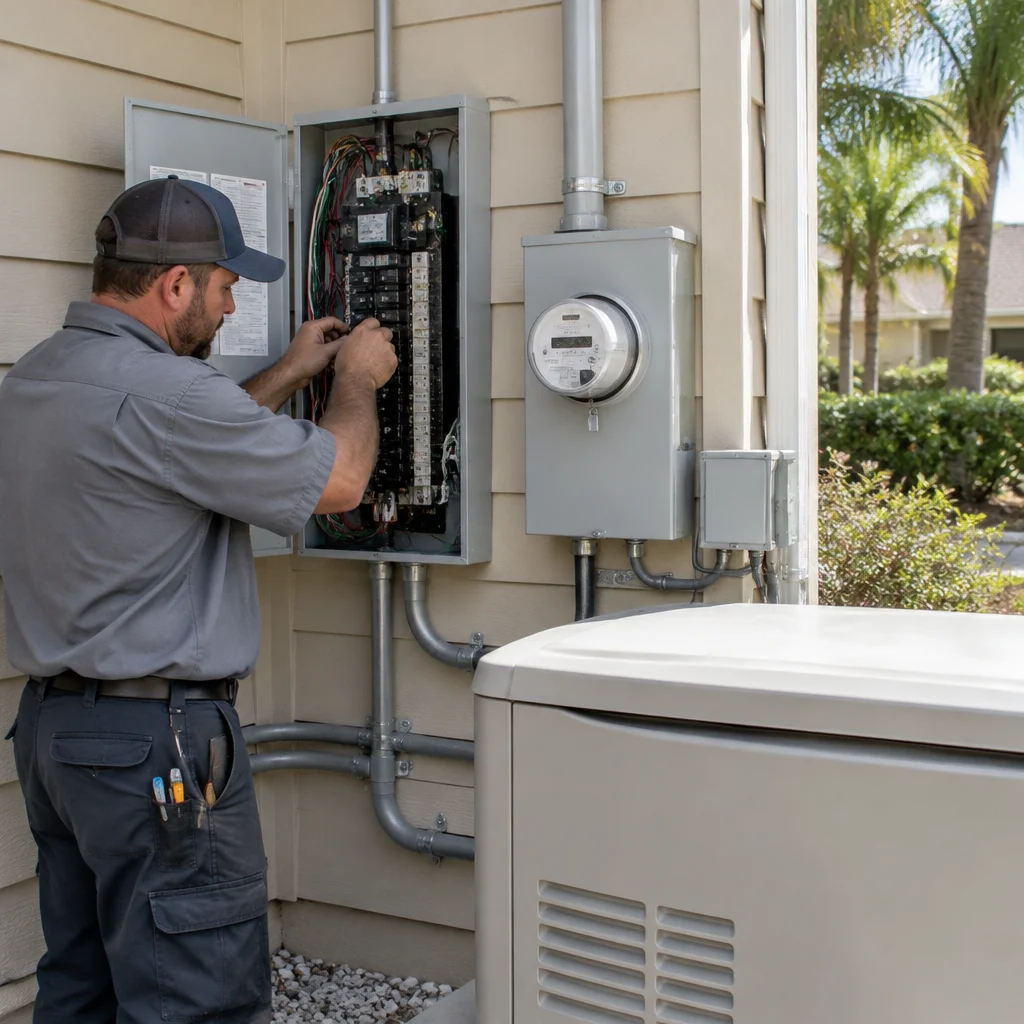
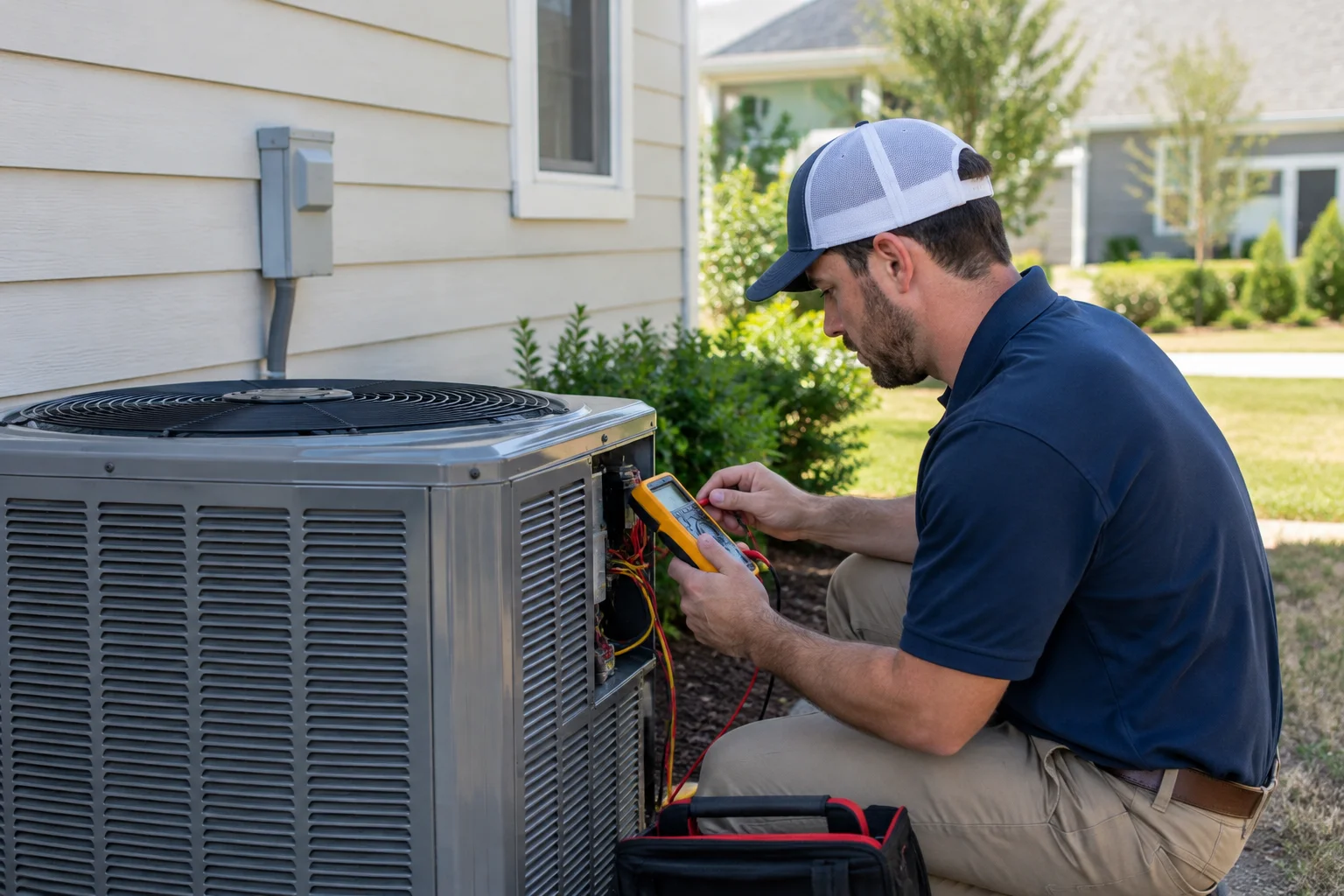
AC systems rely on capacitors, relays, wiring connections, and control boards to start and stop properly. Heat, moisture, vibration, and age can weaken these parts. A capacitor that is starting to fail may cause hard starts or weak fan operation. Loose connections can create intermittent problems that are easy to miss until the system shuts down.
These issues often show up first as small annoyances, like a unit that struggles to start or a breaker that trips more than once. Those are the kinds of warning signs worth taking seriously.
5. Refrigerant issues
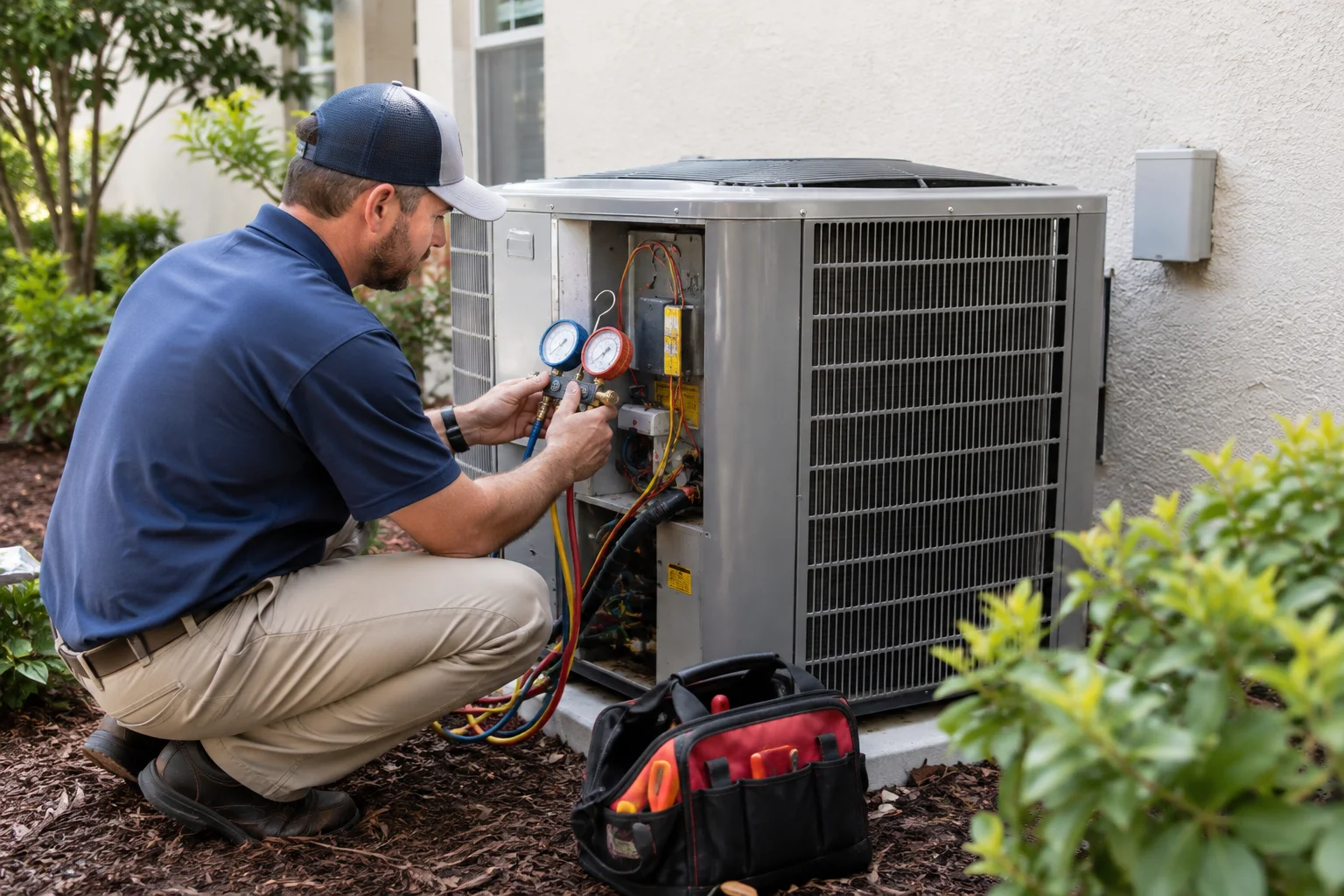
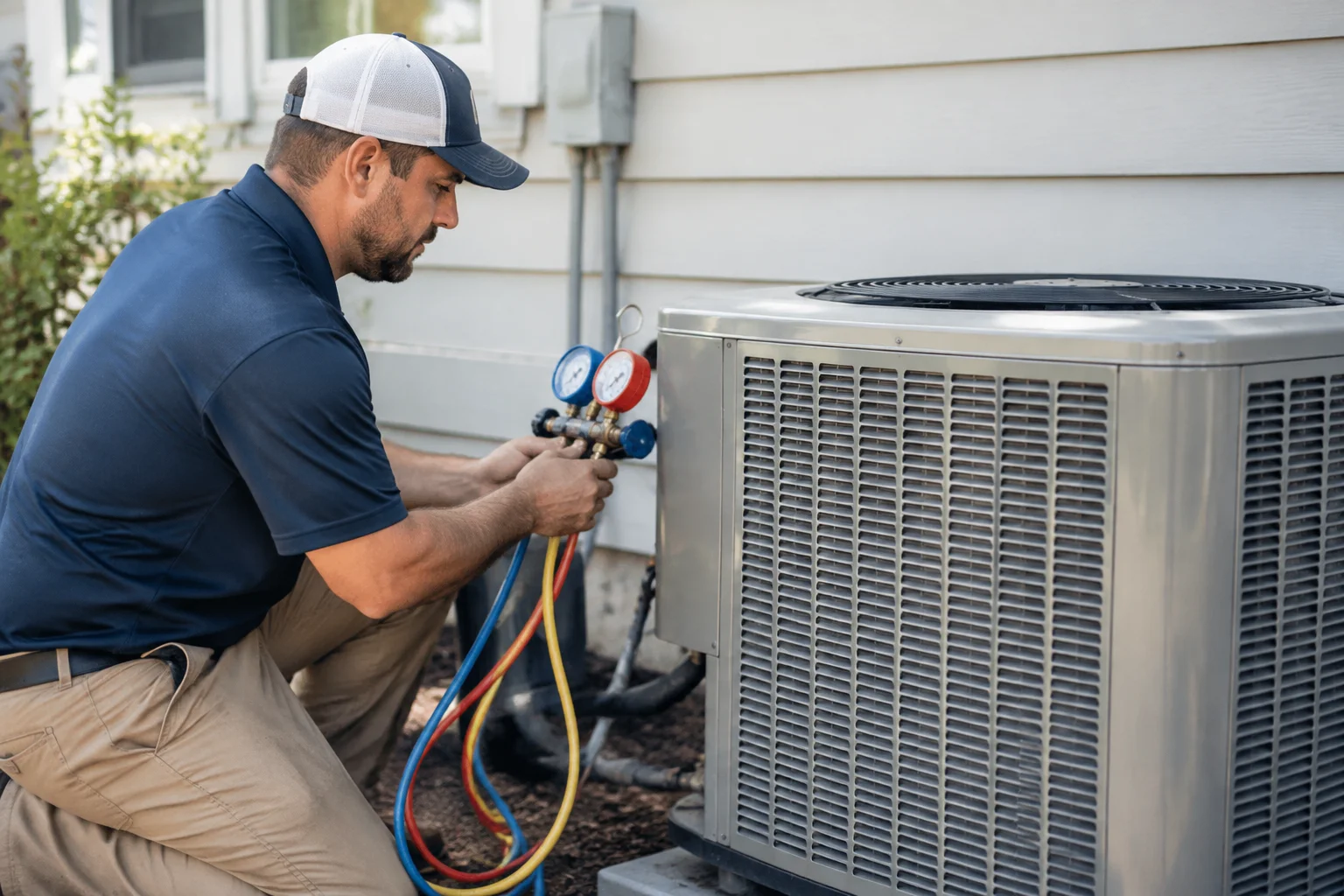
Refrigerant does not get used up like fuel, so a system that is low usually has a leak or another issue that needs attention. When refrigerant levels are off, the system may cool poorly, ice up, or run longer than normal. In a humid climate, that can also affect dehumidification and comfort.
Refrigerant problems should be handled by a professional who can test the system, find the cause, and restore proper operation safely.
6. Ductwork and insulation problems
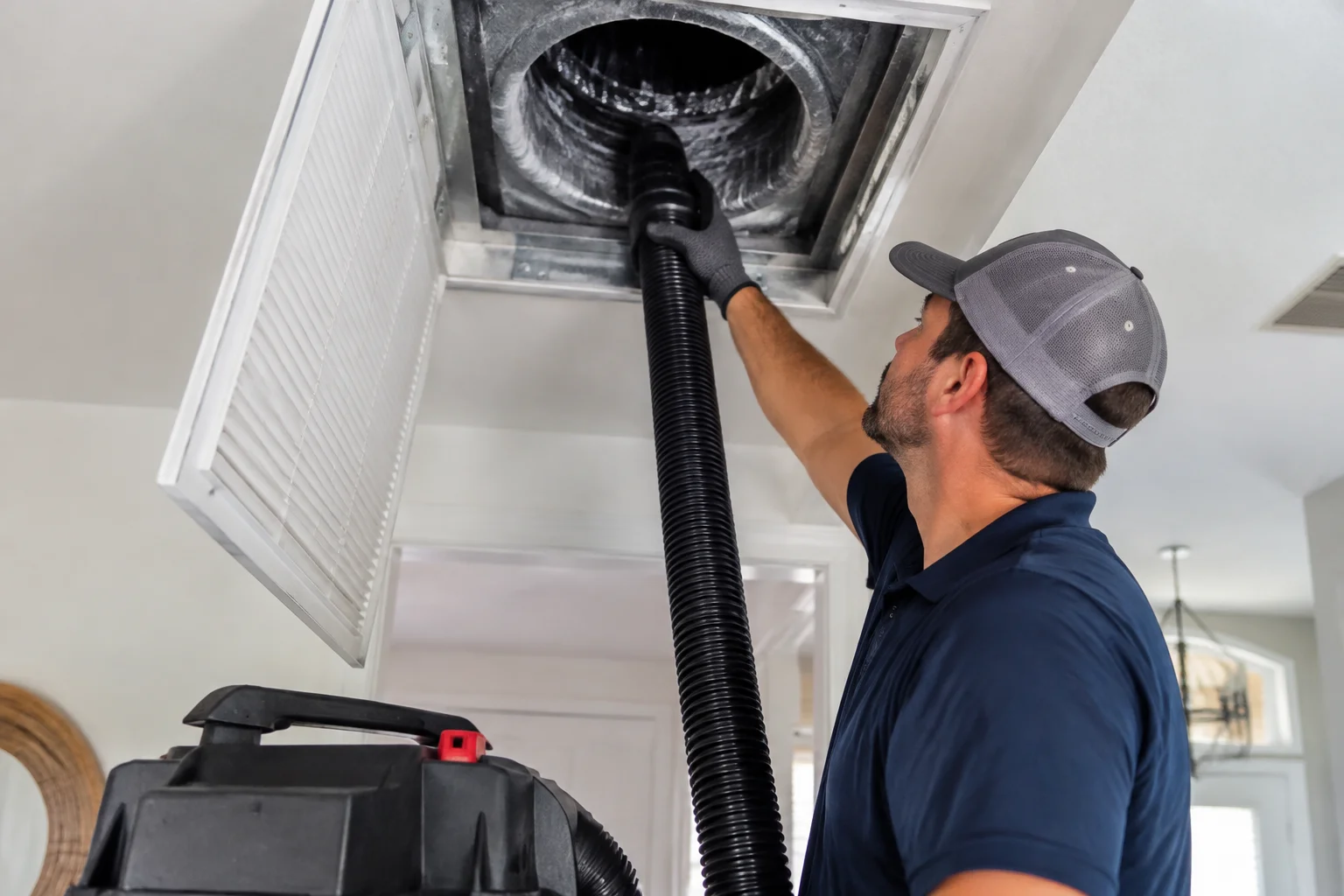
Even a strong AC system can struggle if the ductwork leaks air or the home loses cooled air through poor insulation. Older Lynn Haven homes, remodels, and additions sometimes have uneven duct layouts that make certain rooms hotter than others. That can lead homeowners to think the AC is failing when the real issue is distribution.
If one room is always warm, vents are weak, or the system seems to run nonstop without reaching the set temperature, duct issues may be part of the picture.
Early signs homeowners should not ignore
Small changes often appear before a complete breakdown. Catching them early can help avoid a costly emergency call during the hottest part of the year.
- The system runs longer than it used to
- Some rooms feel cooler than others
- Indoor air feels sticky or damp
- Energy bills rise without a clear reason
- The outdoor unit sounds louder or different
- Vents smell musty when the AC starts
- Ice appears on the indoor coil or refrigerant line
- The thermostat seems to fight to reach the set temperature
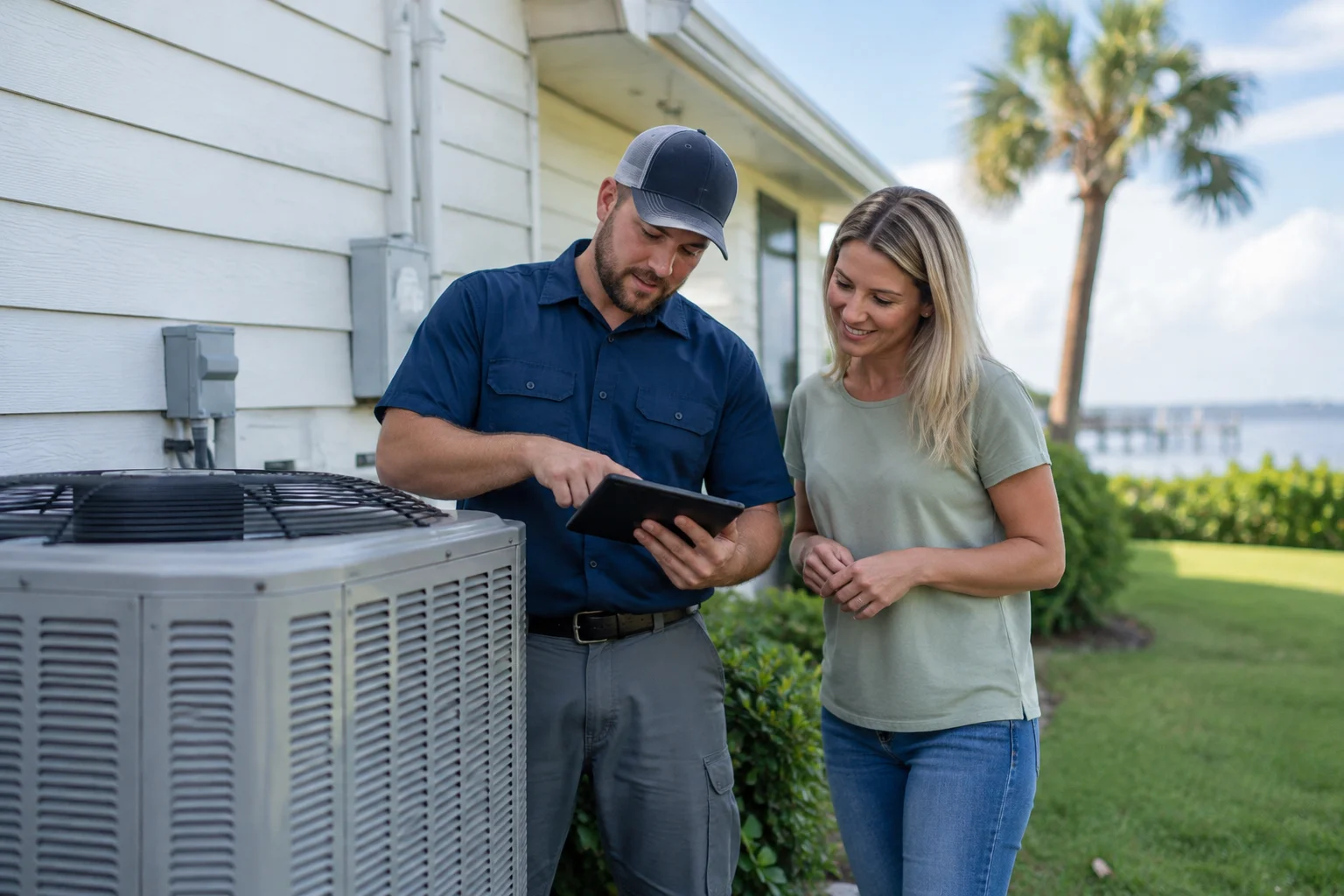
If you notice one or more of these issues, it is a good time to schedule service before the problem grows. A local technician who understands Lynn Haven homes can often spot patterns that point to airflow, drainage, or wear related to the area’s climate.
What homeowners can do to slow down wear
Change filters on a regular schedule
Filters are one of the simplest ways to protect an AC system. A dirty filter restricts airflow and can send dust deeper into the equipment. In a humid area like Lynn Haven, it is smart to check filters more often during heavy cooling season, especially if you have pets, allergies, or a busy household.
Keep the outdoor unit clear
Leaves, grass clippings, mulch, and debris can block airflow around the condenser. Keep at least a few feet of clearance around the unit and rinse off buildup carefully if needed. Do not use high pressure or bend the fins. If the coil is heavily coated or the unit is corroded, professional cleaning is a better choice.
Watch the drain line
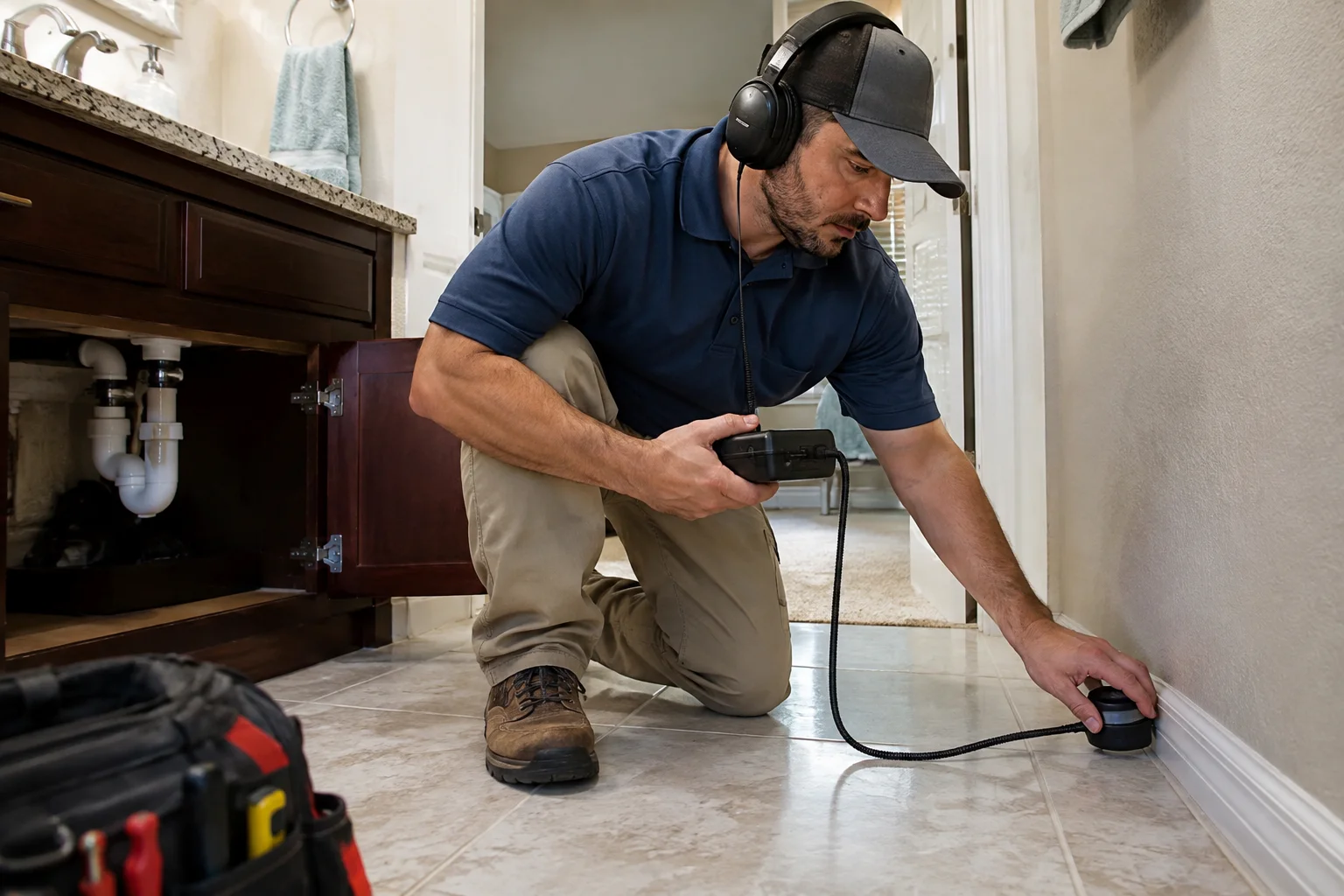
A clogged condensate drain can create water damage and indoor humidity problems. If you notice standing water near the air handler or a musty smell, the drain line may need cleaning. This is a small issue that can become a much bigger one if it is ignored.
Schedule seasonal maintenance
Professional maintenance helps catch worn parts, low refrigerant, dirty coils, and drainage concerns before they turn into breakdowns. It also gives a technician a chance to check airflow, electrical connections, and overall system performance. For many Lynn Haven homeowners, that one visit can make the difference between a reliable summer and a stressful one.
If you are also managing other equipment in the home, it can help to coordinate service with related systems. For example, Water Heater Maintenance and Indoor Air Quality Testing can support a healthier, more efficient home overall.
Why local service matters in Lynn Haven
AC work is not one size fits all. A system installed or repaired in Lynn Haven should be sized, maintained, and serviced with local weather in mind. Humidity control matters just as much as temperature. Coastal corrosion matters just as much as airflow. And the way homes are built in Bay County can affect how well a system performs from room to room.
That is one reason homeowners often prefer a local company that understands the area. A Superior Mechanical provides service in Lynn Haven with attention to the conditions that affect comfort here every day. Whether the issue is a worn part, a drainage problem, or a system that is simply aging out, local experience helps guide the right fix.
If your current AC is struggling to keep up, it may be worth comparing repair and replacement options. In some homes, especially older properties or homes with recurring humidity problems, a new Air Conditioning Installation may be the better long term choice. In other cases, targeted service can extend the life of the equipment and improve comfort without replacing the whole system.
Situations that call for professional attention
Some AC issues are worth watching, but others should not wait. Call a professional if the system is short cycling, blowing warm air, icing over, leaking water, tripping breakers, or making grinding, buzzing, or rattling noises. You should also get help if the home feels damp even when the AC is running, since that often points to a system that is not dehumidifying properly.
Another good time to bring in a technician is when repairs start becoming frequent. If the same system needs repeated fixes, or if parts are aging out one by one, a professional can help you compare repair costs with replacement options in a way that makes sense for the home and budget. Homeowners looking for a long term plan may also find value in Keeping Cool in Lynn Haven Without the Upfront Stress: HVAC Financing and Maintenance That Pays Off.
How AC care connects to the rest of the home
Cooling performance is tied to more than the equipment outside. Indoor air quality, insulation, duct design, and even water quality can influence how comfortable a home feels and how hard the HVAC system has to work. In some Lynn Haven homes, mineral buildup and moisture issues can affect more than one part of the house. That is why homeowners sometimes pair AC service with other improvements, such as Water Heater Replacement or a broader look at household water treatment after reading A Practical Water Softening Plan for Lynn Haven Homes and Properties.
For properties that need a more complete system upgrade, a new AC installation can improve humidity control, reduce noise, and lower operating costs. The key is choosing equipment and service that match the home’s layout, the family’s comfort goals, and the demands of the local climate.
Air conditioning systems in Lynn Haven, FL last longer and perform better when small issues are handled early. A little attention to airflow, drainage, cleanliness, and maintenance can prevent a lot of discomfort later. For homeowners who want dependable cooling through Bay County heat and humidity, staying ahead of wear is one of the most practical investments they can make.
Find Air Conditioning Systems in Lynn Haven, FL
If you need Air Conditioning Systems in Lynn Haven, FL, visit our local service page or contact A Superior Mechanical today.
Map of Lynn Haven, FL
Frequently Asked Questions
How often should an AC system be serviced in Lynn Haven, FL?
Most homes benefit from professional maintenance at least once a year, and some systems in heavy use may need attention twice a year. Lynn Haven’s humidity and long cooling season make regular service especially helpful.
Why does my AC run so much during humid weather?
High humidity makes the system work harder because it has to remove moisture as well as cool the air. If the system is undersized, dirty, or low on refrigerant, runtime can increase even more.
What is the most common reason an AC system loses efficiency over time?
Dirty filters, dirty coils, airflow restrictions, and worn electrical parts are common causes. In coastal areas like Lynn Haven, corrosion and moisture can also speed up wear on outdoor equipment.
Related Articles
- Commercial HVAC Maintenance in Lynn Haven, FL: The Small Problems That Turn Into Big Disruptions
- Keeping Cool in Lynn Haven Without the Upfront Stress: HVAC Financing and Maintenance That Pays Off
- Cleaner Air, Fewer HVAC Headaches: What Lynn Haven Homeowners Should Know About Filtration and Purifiers
- A Practical Water Softening Plan for Lynn Haven Homes and Properties
Photo Gallery