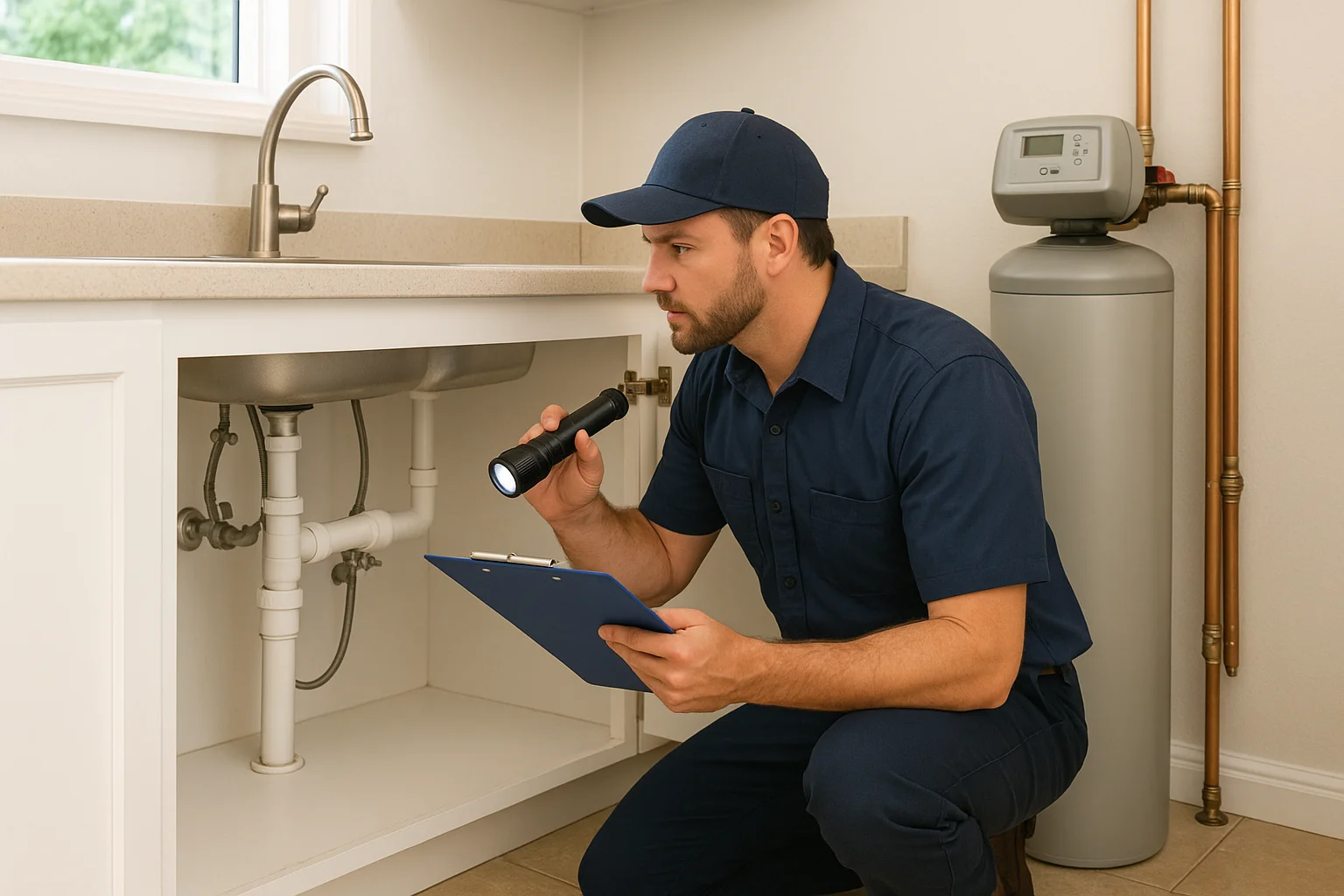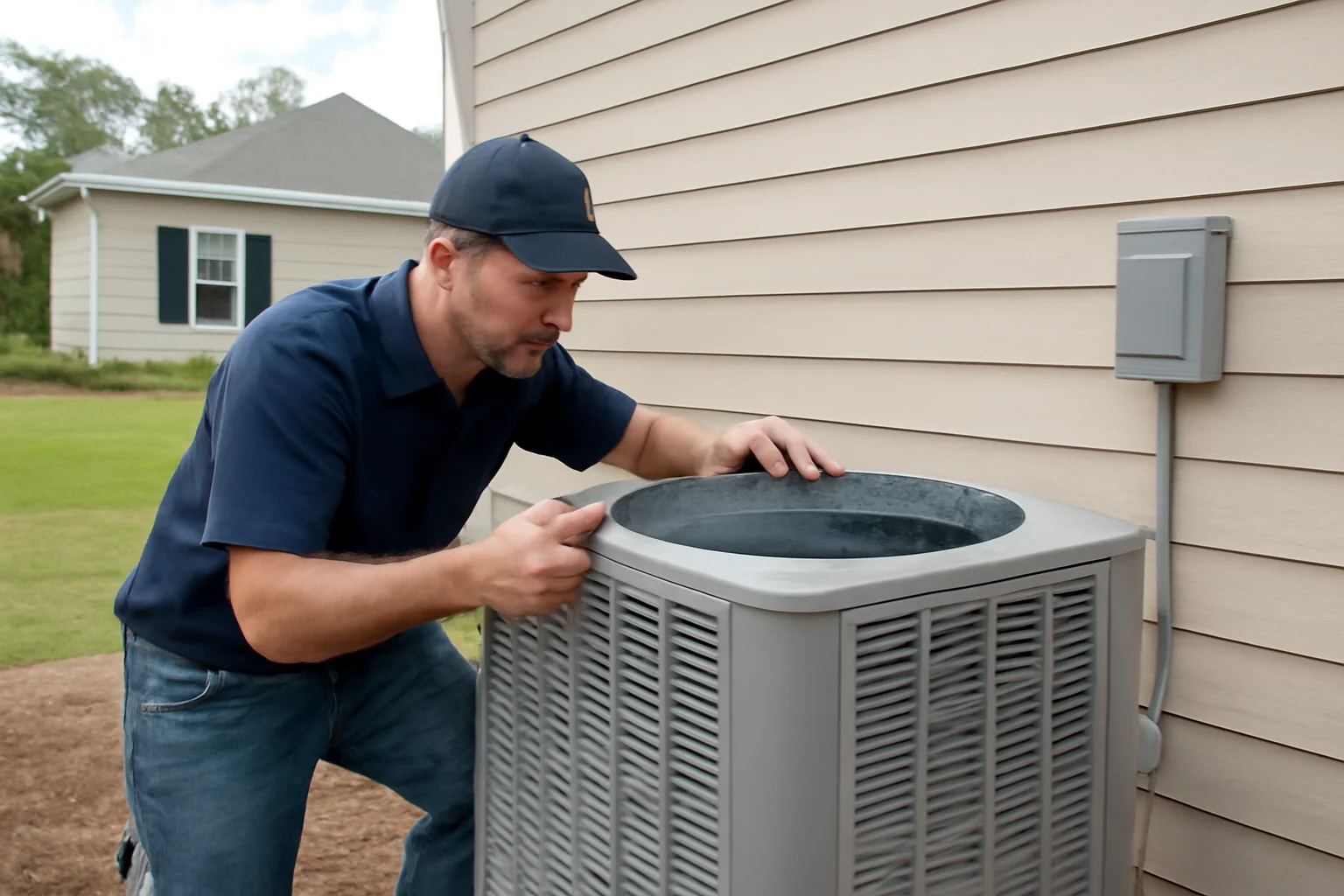
Bluewater Bay homes are built for coastal living, but the climate is hard on air conditioning. Long cooling seasons, Florida humidity, and salt air can turn a brand new system into a detective story for homeowners. If you are seeing early performance issues, strange noises, or inconsistent temperatures soon after installation, those “small” HVAC warning signs can matter more than you think.
This guide connects the dots between new construction air conditioning in Bluewater Bay, FL and the way repeated summer demand stresses HVAC equipment. It also explains what families can do now to reduce emergency cooling concerns and avoid avoidable repairs. For new homes and newer systems, professional new construction air conditioning support and careful preventive maintenance are often the difference between a smooth first summer and a stressful one.
Why Bluewater Bay’s cooling season stresses new AC systems
In Okaloosa County, the cooling season is not just a few weeks. It stretches through months of high heat and humidity, and it often overlaps with coastal conditions. That means your air conditioning does more than cool. It must also dehumidify, maintain airflow, and remove condensate reliably through the refrigerant system and condensate drainage components.
In a properly designed and installed system, the equipment should handle this demand. In a system with airflow restrictions, leaky ductwork, or installation details that were missed, the same demand can show up quickly as:
- Short cycling or frequent start and stop cycles at the thermostat
- Uneven room temperatures, especially in bedrooms or upstairs areas
- Higher energy use because the system runs longer to reach the setpoint
- Moisture or musty odors linked to condensate drainage issues
- Noticeable strain sounds from the outdoor unit or indoor blower
New construction should not mean “no problems.” It means the system is new enough that the right fixes can prevent bigger failures later. When homeowners are searching for an air conditioning service or heat pump service because something feels off, early attention is often the safest route.
HVAC warning signs families notice in the first year
Below are common warning signs that show up in new construction air conditioning, especially in Florida’s humid coastal environment. Any one of these can have multiple causes, so treat them as prompts to schedule an air conditioning inspection rather than as DIY troubleshooting.
1) Rooms feel cold in some areas and warm in others
Uneven temperatures are usually a clue that airflow is not balanced. In new construction, the ductwork design and ductwork installation details matter. If supply registers are undersized, duct runs are restricted, or dampers are not set correctly, the system may cool some rooms well while others stay warm.
Homeowners often start with “duct inspection near me” because they suspect ductwork. That is a smart direction. Even a correctly sized residential HVAC system can underperform if airflow is restricted.
2) The thermostat seems right, but the home never feels steady
If your thermostat reads the right temperature yet the home still feels humid, stuffy, or uncomfortable, the issue may be dehumidification and airflow performance. Humidity control depends on how long the system runs, how effectively air passes over the evaporator coil, and whether condensate drainage is working properly.
When the system is not maintaining steady cooling cycles, it can also increase energy use, because the unit keeps trying to catch up. A professional can review thermostat settings and system behavior, but a full evaluation is needed before concluding what is wrong.
3) Short cycling or frequent on-off cycles
Short cycling can happen for several reasons, including airflow problems, airflow measurement issues, or refrigerant system concerns. In Florida heat, the system must remove heat continuously. If it does not, the compressor may cycle too frequently, which can increase wear over time.
Homeowners searching for “HVAC repair near me” after repeated short cycling should know this: it is not always a simple fix. An in-person inspection is required to identify whether the cause is airflow, condensate drainage, refrigerant system performance, or another system component.
4) Moisture, water spots, or a lingering musty smell
Condensate drainage issues can show up quickly in humid climates. If the drain line is partially blocked, incorrectly pitched, or not draining as intended, water can back up or evaporate in places it should not. That can lead to damp drywall smells and, in some cases, indoor air quality problems.
If you notice water near the indoor unit, wet insulation, or musty odors, schedule an air conditioning inspection promptly. This is one of the categories where early action helps protect both comfort and the home’s indoor environment.
5) Strange noises from the indoor blower or outdoor unit
New systems can still produce unusual sounds. Loose panels, airflow turbulence, or installation-related issues can create rattling, grinding, or persistent buzzing. In some cases, the outdoor unit may show signs of strain when airflow around the condenser is restricted or when the system is not operating as designed.
Noise is not something to ignore. It can also point to airflow restrictions or refrigerant system performance concerns that require a professional evaluation.
6) Air feels weak, or registers blow air but comfort does not improve
Weak airflow is often linked to ductwork, filter issues, or blower performance. In new construction, the ductwork may be installed correctly on paper but still need adjustments during commissioning. Filters that are too restrictive, missing return air paths, or poorly sealed connections can reduce airflow and make the system work harder.
Because ductwork problems hit Bluewater Bay homes hard, it helps to read Why Ductwork Problems Hit Bluewater Bay Homes Harder Than You Think. It explains how airflow and sealing influence both comfort and system stress.
Common causes behind early warning signs in new builds
When warning signs appear early, they are often tied to system design, installation details, or commissioning. Florida’s humidity and coastal conditions can magnify minor issues.
Airflow problems and ductwork that are not fully matched to the design
Air conditioning depends on moving the right amount of air across the evaporator coil and through the home. If ductwork is undersized, poorly routed, or not properly sealed, the system may run longer and still fail to deliver comfort. This can show up as uneven temperatures, higher energy use, and increased humidity.
If you are considering ductwork adjustments, it is worth exploring duct-related causes and pairing that with professional duct sealing options like Duct Sealing.
Refrigerant system performance concerns
Florida heat increases the load on the refrigerant cycle. Refrigerant system performance problems can lead to inadequate cooling, short cycling, or other symptoms. However, refrigerant issues cannot be responsibly diagnosed by guesswork.
A licensed HVAC technician can evaluate system operation in person, check relevant measurements, and confirm whether refrigerant system performance is contributing. Homeowners should avoid DIY refrigerant handling and should not assume “low refrigerant” is the cause without a proper inspection.
Condensate drainage that does not handle peak humidity
New construction often includes a condensate drainage setup that needs verification during commissioning. In humid weather, the system can produce significant condensate as it removes moisture from indoor air. If the drain line is restricted or the slope is off, water can accumulate.
Condensate drainage problems can also affect indoor air quality services needs, because excess moisture can encourage microbial growth. If you are noticing dampness or odors, schedule an inspection rather than waiting for the next season.
Thermostat behavior and airflow coordination
Thermostat settings and system operation should match the home’s layout. Some thermostats can be configured in ways that change fan operation or cooling cycle behavior. In new construction, the thermostat may be installed and set up correctly, but the system may still need tuning based on actual airflow and humidity response.
A technician can review thermostat operation and how it interacts with your air conditioning system. This is different from “replacing the thermostat” because the goal is to confirm the entire cooling and airflow sequence is working as intended.
Commissioning gaps after installation
New construction air conditioning installation is not just about mounting equipment. Proper commissioning ensures airflow, duct balancing, and system performance align with the design. If commissioning was rushed or incomplete, the system may still cool, but it may not do so efficiently or consistently.
For homeowners who want a clearer view of how installation quality affects real comfort, see A Practical Guide to Air Conditioning Installation for Bluewater Bay Homes.
How long cooling seasons can increase wear and emergency cooling concerns
When the cooling season is long, even normal seasonal stress becomes more frequent. A system that has to run longer to overcome airflow restrictions or humidity control issues can experience higher operating hours. That does not automatically mean it will fail, but it can accelerate wear on components.
Think of it like this: if the system is always working harder than it should, minor problems become bigger. A small drainage issue can turn into moisture problems. A small airflow restriction can cause the indoor blower to work differently. Over time, the likelihood of an air conditioning repair need increases.
Families also have to consider emergency cooling concerns. In coastal Florida, humidity can rise quickly when cooling stops. If you are worried about reliability, it helps to plan preventive HVAC maintenance and keep a close eye on early warning signs. If you do experience an outage, Why Bluewater Bay Homes Rely on Fast Emergency HVAC Service can help you understand how speed and diagnosis matter.
What preventive HVAC maintenance looks like for new AC systems
Preventive maintenance is not only for older equipment. For new construction air conditioning, maintenance helps confirm that the system continues to perform as designed during the first full humid season.
AC tune up and airflow verification
An AC tune up typically includes checking airflow performance, verifying blower operation, and inspecting system components that influence cooling comfort. Because ductwork and airflow strongly affect system stress, a technician may also recommend duct inspection and duct sealing steps if airflow seems off.
Indoor air quality checks that connect to humidity control
Indoor air quality services near you often focus on filtration, ventilation balance, and humidity. In a humid climate, moisture management is part of indoor air quality. If you see condensation where it should not be, experience persistent odors, or notice inconsistent comfort, ask your technician to evaluate condensate drainage and airflow performance.
Refrigerant system checks performed safely and in person
Because refrigerant system performance is sensitive and regulated, a licensed HVAC contractor should handle any refrigerant-related evaluation. Homeowners can support the process by keeping access clear around the indoor and outdoor units and by replacing filters as recommended.
Thermostat and control review
Sometimes the fastest “fix” is confirming that thermostat settings match how the home actually needs to cool in Florida humidity. A professional can review system cycling and comfort outcomes so the thermostat supports stable operation.
When to schedule an air conditioning inspection near you
If you are searching for an HVAC company near me because something feels wrong, you can use these triggers as a practical guide.
- Uneven cooling that persists after normal thermostat adjustments
- New musty odors, visible moisture near the indoor unit, or repeated condensate overflow concerns
- Short cycling, frequent restarts, or noticeable comfort swings
- Weak airflow from registers or rooms that never reach set temperature
- Strange noises that start after installation or repeat during humid weather
For homeowners who are actively comparing service options, consider choosing a licensed HVAC contractor near me who can explain the likely cause based on airflow, condensate drainage, thermostats, and refrigerant system operation. If you are dealing with urgent comfort needs, emergency cooling support can prevent damage and reduce stress for families.
Choosing the right local HVAC service for Bluewater Bay new construction
New construction air conditioning should be built for local realities: humidity, heat load, and the way coastal air affects outdoor equipment and airflow patterns around condensers. A local HVAC contractor in Okaloosa County is more likely to understand these conditions and the common installation issues that show up in the area.
When you contact a contractor, ask about their approach to:
- Airflow and ductwork evaluation, including whether duct inspection near me is part of the process
- Condensate drainage verification and moisture prevention
- System commissioning checks for balanced airflow and stable thermostat operation
- Preventive HVAC maintenance planning for long cooling seasons
If you are still in the planning stage, it can help to review how installation affects performance. For example, you can compare local expectations in nearby markets with What to Expect From New Construction Air Conditioning in Freeport, FL. The climate is similar enough that homeowners can learn what to watch for during commissioning and early operation.
Helpful next steps you can take today
You do not have to wait for a full breakdown before acting. Here are practical steps that support better cooling performance while you schedule professional help.
- Check and replace filters on schedule. Restricted filters can reduce airflow and increase humidity control problems.
- Confirm vents are not blocked by furniture, curtains, or new construction debris.
- Note when the problem happens. Is it worse during peak afternoon heat, after rain, or late at night?
- Watch for moisture signs. If you see water where it should not be, treat it as a priority concern.
- Keep outdoor unit airflow clear. Avoid landscaping restrictions that can limit airflow around the condenser.
If you are evaluating options for new AC installation near me, it also helps to consider related system upgrades. Some homeowners in Bluewater Bay explore ductless mini split installation near me for specific zones, or geothermal energy systems for long-term comfort planning. If those options fit your home, a professional can compare tradeoffs for airflow, humidity control, and energy use. You can also explore Geothermal Energy Systems if you are planning beyond standard cooling.
For homeowners who want a single, local point of contact for design, installation, and ongoing support, start with new construction air conditioning in Bluewater Bay. You can also browse broader service coverage at /service-areas/okaloosa-county to see how A Superior Mechanical serves the region.
Find New Construction Air Conditioning in Bluewater Bay, FL
If you need New Construction Air Conditioning in Bluewater Bay, FL, visit our local service page or contact A Superior Mechanical today.
Map of Bluewater Bay, FL
Frequently Asked Questions
Are HVAC warning signs common in new construction air conditioning in Bluewater Bay?
Some issues show up early, especially when commissioning is incomplete or airflow and condensate drainage details were not verified for Florida humidity. Uneven cooling, short cycling, moisture concerns, and weak airflow are reasons to schedule an air conditioning inspection.
Can long cooling seasons in Florida cause a brand new AC to fail sooner?
They can increase operating hours and stress, especially if the system is working harder than it should due to airflow restrictions, ductwork problems, or condensate drainage issues. Preventive HVAC maintenance helps catch problems before they become failures.
What should I check first if my new AC seems to cool unevenly?
Start with basic airflow checks like filter condition and whether vents are blocked. If uneven temperatures persist, request a ductwork and airflow evaluation. Many issues are airflow related rather than simple thermostat settings.
Is it safe for me to try to fix refrigerant or drain line problems myself?
No. Refrigerant system concerns and condensate drainage problems should be evaluated by a licensed HVAC professional. DIY attempts can create safety risks and can delay proper diagnosis.
Related Articles
Photo Gallery