Along 30A, comfort is not just about setting the thermostat and walking away. The Gulf air, salt exposure, intense summer humidity, and the stop and start use patterns of vacation homes all put extra pressure on HVAC systems. Smart thermostats can help homeowners stay ahead of those demands, but only if they are installed correctly and working the way they should.
For homeowners in Walton County, smart thermostats are more than a convenience. They help manage cooling costs, protect indoor comfort during hot stretches, and make it easier to keep an eye on a home that may sit empty for part of the year. If you live near 30A, or manage a rental property in the area, it helps to know which thermostat issues deserve attention before they turn into bigger HVAC problems.
Professional support from smart thermostat service in 30A, FL can make a real difference when the system starts acting unpredictably. A Superior Mechanical helps homeowners, rental owners, and businesses get reliable control, better scheduling, and stronger HVAC performance in a coastal climate.
Why smart thermostats matter so much in 30A homes
30A properties face a few challenges that inland homes do not. Summer humidity can linger for months, afternoon heat can push cooling systems hard, and many homes are used seasonally or as short term rentals. That means HVAC equipment often has to recover quickly after periods of low use, and thermostats need to communicate clearly with the system.
A smart thermostat can help by learning patterns, adjusting temperatures automatically, and giving homeowners remote access through a phone or tablet. That remote access matters when you are checking a rental between guests or want to make sure a beach house is not cooling an empty space all day.
In a place like Walton County, where homes range from full time residences to vacation rentals and commercial spaces, smart controls can also help reduce wasted energy. They are especially useful when paired with other property needs such as new construction air conditioning for new builds or with broader HVAC planning for businesses that depend on steady indoor comfort. If you manage multiple properties, commercial HVAC services in 30A can help keep those systems coordinated as well.
Small thermostat issues that homeowners should not brush off
Smart thermostats usually give helpful alerts, but many homeowners ignore the early signs because the system still seems to be working. That is where problems start to grow. A thermostat that is slightly off today can lead to uneven cooling, short cycling, higher energy use, or a system that struggles to keep up during peak heat.
Temperature readings that do not match the room
If the thermostat says the house is 72 degrees but the living room feels much warmer, the thermostat may be placed poorly, calibrated incorrectly, or affected by drafts, sunlight, or nearby electronics. In coastal homes with open layouts and large windows, that mismatch is common. It can cause the system to run longer than needed or shut off before the house is actually comfortable.
Frequent connection drops
Many smart thermostats depend on stable Wi-Fi. If the unit keeps disconnecting, homeowners lose remote access and may not notice temperature changes, humidity spikes, or equipment problems. In vacation rentals, that can be a costly issue because nobody is physically there to catch it. A thermostat that cannot stay connected is not just inconvenient. It can leave the home vulnerable to heat and moisture buildup.
Short cycling or unusual run times
If the HVAC system turns on and off too often, the thermostat may be sending the wrong signals. That can happen because of wiring issues, bad sensor placement, or a thermostat that is not compatible with the HVAC equipment. Short cycling wears out parts faster and can make humidity control worse, which is a real concern in 30A's humid climate.
App controls that do not match the thermostat
Sometimes the app and the wall unit disagree. The schedule may look right on the phone, but the thermostat does something else entirely. That can point to sync problems, outdated firmware, or a setup that was rushed during installation. For homeowners who travel often or split time between properties, that kind of mismatch can create avoidable comfort problems.
What usually causes smart thermostat trouble in coastal Florida
Smart thermostat issues are not always caused by the thermostat itself. In many cases, the real problem is the environment around it or the way the system was installed.
Humidity and coastal wear
30A homes deal with moisture year round. Even though a thermostat is indoors, humidity can still affect sensors, wiring connections, and the HVAC system the thermostat controls. Coastal air also contributes to wear on electrical components over time, especially when homes sit close to the water or are opened and closed seasonally.
Poor placement inside the home
A thermostat near a sunny window, kitchen, supply vent, or exterior door can get false readings. In a beach house with open floor plans or vaulted ceilings, placement matters even more because air movement is less predictable. A poor location can make the thermostat think the home is cooler or warmer than it really is.
Installation or wiring mistakes
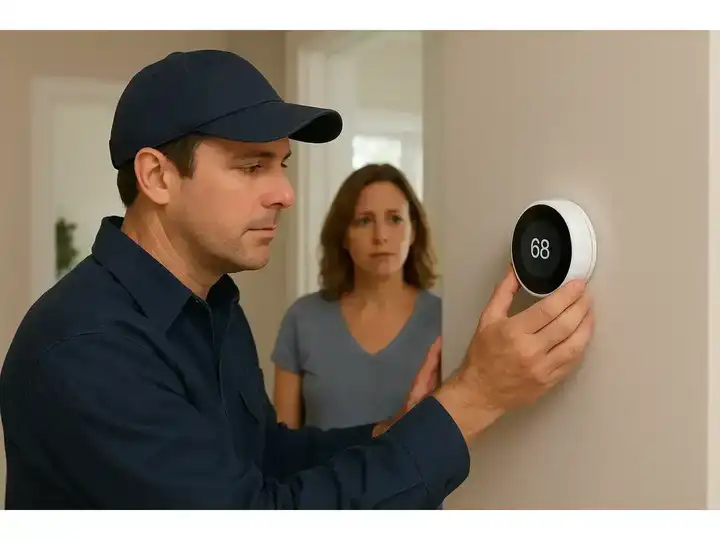
Smart thermostats need to be matched to the HVAC equipment they control. If the wiring is wrong or the thermostat is not configured for the system, homeowners may see delayed responses, blank screens, or comfort issues that seem random. This is one reason local installation matters. A technician who understands both the equipment and the climate can set the system up for better results from the start.
Outdated software or weak network setup
Sometimes the issue is as simple as a firmware update or a poor internet connection. But in rental homes and second homes, these details are easy to miss. If a thermostat has not been updated or rebooted in a long time, it may stop responding correctly or lose features that homeowners rely on.
How smart thermostats help with planning, not just comfort
One of the biggest advantages of a smart thermostat is the ability to plan ahead. That is especially useful in 30A, where homes may be unoccupied for days or weeks, then filled with guests on short notice.
Remote access lets homeowners raise or lower temperatures before arrival, which helps the home feel comfortable without running the AC nonstop. Scheduling features can reduce cooling during the day when a house is empty, then bring temperatures back down before people return. Energy reports can also show whether the system is working harder than expected, which can point to a maintenance issue before a breakdown happens.
For homeowners who already rely on other home systems, smart planning can extend beyond HVAC. Some households pair thermostat control with waterline services for property upkeep or with indoor water quality upgrades like reverse osmosis systems to keep the home running smoothly. The point is the same. Better planning saves stress and helps a property stay ready.
Maintenance habits that keep smart thermostats working well
Smart thermostat care does not have to be complicated. A few simple habits can help homeowners avoid the most common problems.
Check settings after power outages
Storms and outages are part of life on the Gulf Coast. After power is restored, confirm that the thermostat still has the correct schedule, temperature limits, and Wi-Fi connection. Some systems reset partially after an outage, which can lead to unexpected cooling behavior.
Keep the thermostat area clear
Do not block the thermostat with furniture, curtains, or decorative items. Airflow matters. If the thermostat is surrounded by heat sources or direct sunlight, it may not read the room correctly.
Replace batteries if the model uses them
Some smart thermostats use backup batteries. Low batteries can cause display problems, Wi-Fi drops, or inaccurate control. If your thermostat starts acting sluggish, battery replacement is a simple thing to check.
Review schedules seasonally
30A does not have a mild shoulder season for long. As weather changes, so should thermostat schedules. A schedule that worked in spring may not be ideal during peak summer humidity. Vacation rentals may also need different settings between guest stays and owner use.
Have the HVAC system inspected regularly
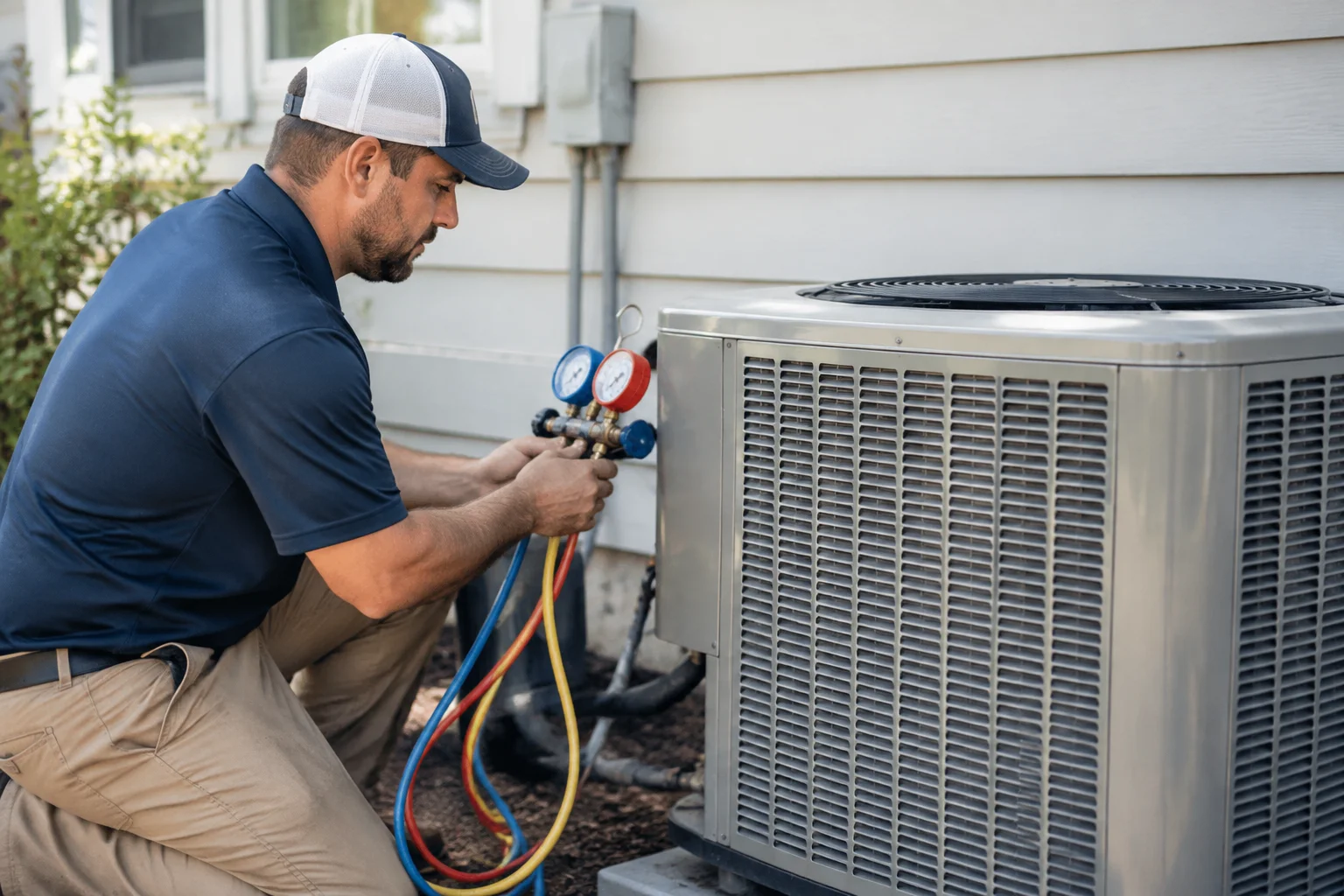
A smart thermostat can only do so much if the HVAC system itself is dirty, low on refrigerant, or struggling with airflow. Regular maintenance helps the thermostat make better decisions because the equipment responds the way it should. For homeowners who already read about cooling issues in why 30A homes need fast HVAC help when cooling problems can’t wait, this connection is easy to see.
When a local professional should take a look
Some thermostat problems are simple, but others point to deeper HVAC issues. If the thermostat keeps losing power, the system will not follow commands, or the home never reaches the temperature you set, it is time for a professional evaluation.
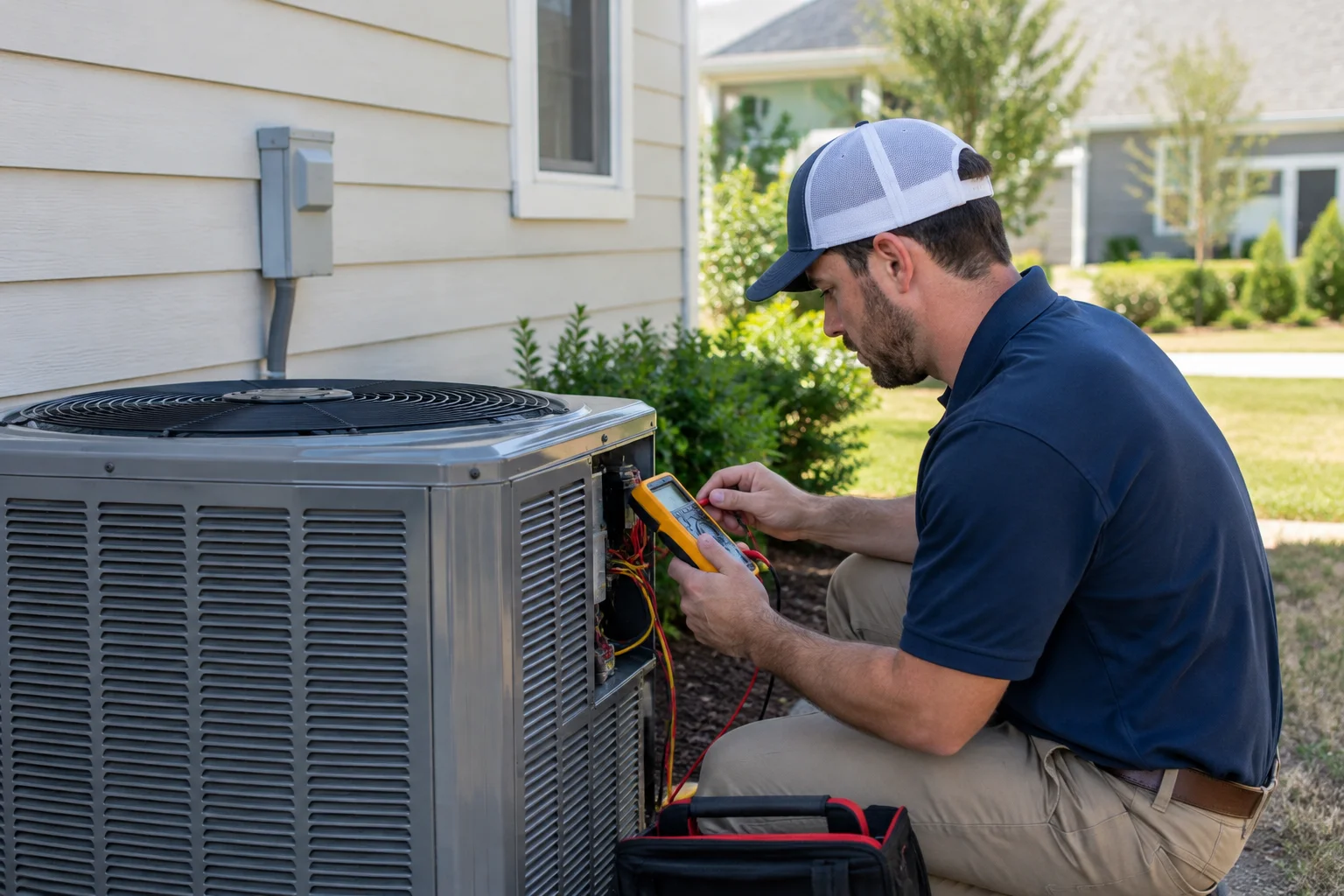
A local technician can check whether the thermostat is compatible with the equipment, verify wiring, inspect sensor placement, and look for HVAC issues that may be affecting performance. That local knowledge matters in 30A because coastal conditions, rental turnover, and home design all affect how these systems behave. A Superior Mechanical works with homeowners across Walton County and understands the practical demands of homes near the beach.
If you manage a business property, the same logic applies. Smart controls can help reduce waste, but only if the system is installed and supported correctly. That is why many owners pair thermostat upgrades with broader planning for commercial HVAC services and, in some cases, installation guidance from articles like Keeping Commercial HVAC Systems Reliable in 30A, FL Starts With Better Installation and Keeping 30A Commercial HVAC Systems Ahead of Coastal Wear and Tear.
Why local service matters for smart thermostat installation and repair
Smart thermostats are not one size fits all. The right setup depends on the HVAC equipment, the home layout, the owner’s schedule, and the climate. In 30A, that means choosing a technician who understands humidity control, salt air exposure, and how vacation homes are actually used.
Local service also makes it easier to get help quickly when a thermostat stops cooperating during a hot stretch. If a property is being prepared for guests, or if a full time home starts showing uneven temperatures, responsive support can prevent a small issue from becoming an uncomfortable week. That is the kind of practical help homeowners expect from a local HVAC company that serves the city and the surrounding county.
If you are comparing options for smart thermostats in 30A, FL, look for a team that can install, configure, and explain the system clearly. The best setup is the one that fits the home, not just the one with the most features.
For homeowners who want a broader look at how thermostat upgrades affect comfort and system performance, this Destin article on smoother comfort with smart thermostats offers a helpful comparison of how connected controls can support better HVAC planning in coastal communities.
Keeping your home ready for the next warm spell
On 30A, the smart move is not waiting until the house feels uncomfortable. It is paying attention to the early signs, from app glitches to uneven temperatures, and taking action before the HVAC system gets overloaded. Smart thermostats can be a real advantage in Walton County homes, but only when they are installed correctly, maintained regularly, and matched to the way the property is used.
If your thermostat is not keeping up, is losing connection, or is making your home harder to manage, a local HVAC professional can help sort out whether the issue is the thermostat, the wiring, or the system behind it. That kind of planning keeps homes more comfortable, helps control energy use, and makes life easier for owners who need dependable performance in a coastal climate.
Find Smart Thermostats in 30A, FL
If you need Smart Thermostats in 30A, FL, visit our local service page or contact A Superior Mechanical today.
Map of 30A, FL
Frequently Asked Questions
How do I know if my smart thermostat is causing HVAC problems in my 30A home?
Common clues include uneven temperatures, frequent system cycling, Wi-Fi dropouts, incorrect room readings, or an app that does not match the wall unit. A technician can check whether the issue is the thermostat or the HVAC system itself.
Can a smart thermostat help with humidity control in coastal Florida?
Yes, but only if it is set up correctly and paired with a healthy HVAC system. In 30A's humid climate, smart scheduling and proper cooling cycles can help the system manage moisture more effectively.
Do vacation rentals in 30A benefit from smart thermostats?
Absolutely. Smart thermostats give owners remote access, scheduling control, and energy-saving settings that are useful between guest stays. They also help keep the home comfortable before arrival.
Should I replace my thermostat if it keeps disconnecting from Wi-Fi?
Not always. Sometimes the issue is the network, firmware, or installation setup. If the thermostat is older or incompatible with the HVAC system, replacement may be the better option. A local technician can help determine that.
Related Articles
- Keeping Commercial HVAC Systems Reliable in 30A, FL Starts With Better Installation
- Keeping 30A Commercial HVAC Systems Ahead of Coastal Wear and Tear
- Why 30A Homes Need Fast HVAC Help When Cooling Problems Can’t Wait
- Smart Thermostats and Smoother Comfort in Destin Homes: Staying Ahead of HVAC Problems Before They Grow
Photo Gallery