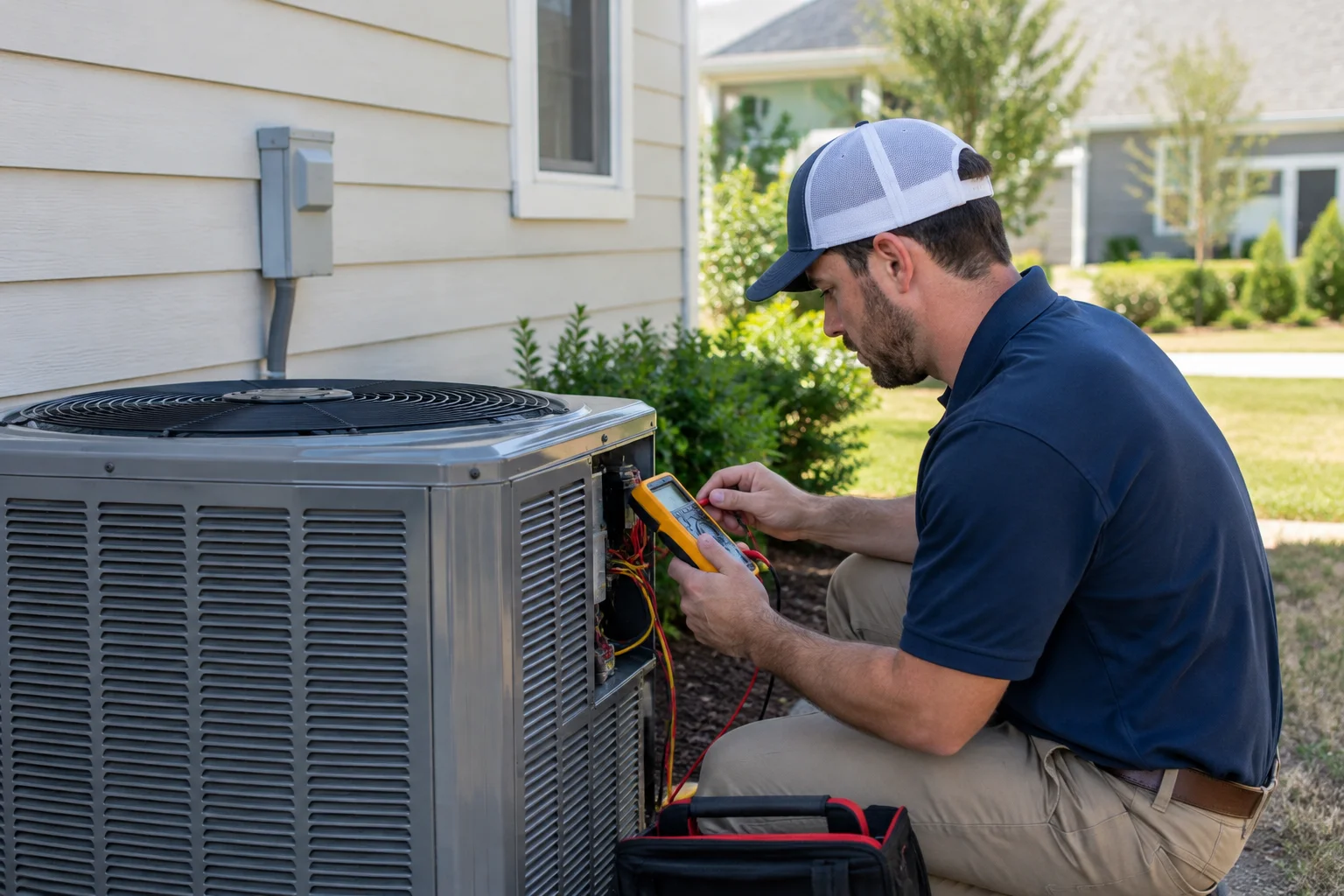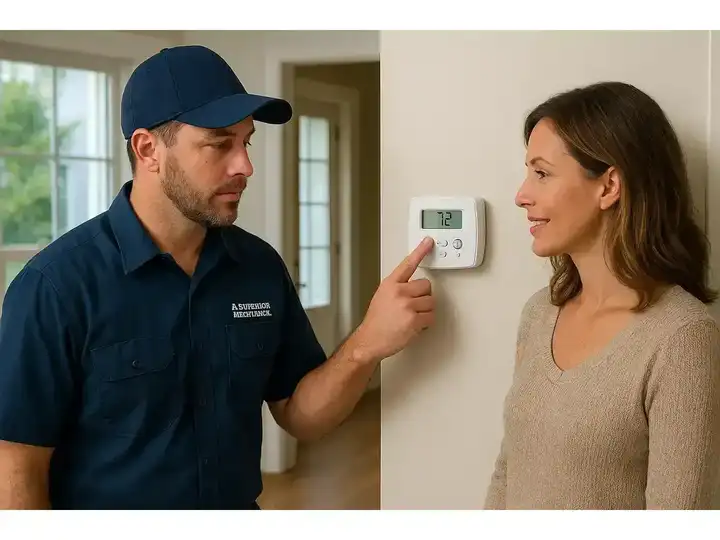
Heating may not be the first thing on your mind in Seagrove Beach, but the right control system can make a big difference in comfort, efficiency, and how well your home handles Florida’s changing weather. Along the coast, mornings can feel cool and damp, then the temperature may climb quickly once the sun is out. That mix makes heating control systems more useful than many homeowners expect.
For homeowners, vacation property owners, and local businesses, better control means more than just turning the heat on and off. It means setting the system up so it responds to the way your home is actually used. A Superior Mechanical helps property owners compare options for heating control systems in Seagrove Beach, FL with solutions that fit coastal homes, rentals, and commercial spaces across Walton County.
Why heating controls matter in a beach town
Seagrove Beach has a humid Gulf Coast climate, and that affects how HVAC systems behave year round. Even when the weather is mild, indoor comfort can swing quickly if a thermostat is poorly placed, a zoning setup is not balanced, or the controls are outdated. In homes near the beach, salt air, moisture, and frequent use by guests can add even more stress to HVAC equipment.
Good heating controls help your system run only when needed and in the right areas of the home. That can reduce wasted energy, improve comfort in rooms that heat up or cool down differently, and give you better control when a property sits empty for part of the year. For homeowners who split time between residences, or for rental owners who want to manage settings remotely, smart controls are especially practical.
Start with the way your home is used
The best heating control system is not always the most advanced one. It is the one that fits how your household lives. A small beach cottage with one main living area has different needs than a larger home with multiple floors, guest rooms, or a detached space. Vacation homes and short term rentals often need remote access, scheduling, and temperature limits so the system stays comfortable without running unnecessarily.
Before upgrading, think about who uses the home and when. Do you want to lower temperatures when the property is empty? Do certain rooms stay cooler than others? Does the upstairs feel different from the main floor? Those details point toward the kind of control system that will actually help.
Common control options homeowners compare
Most Seagrove Beach homeowners start with a smart thermostat, but that is only one part of the picture. Depending on the layout and equipment, you may also benefit from zoning controls, sensors, or integrated HVAC controls that coordinate heating and cooling more precisely.
Smart thermostats work well for people who want app access, scheduling, and energy tracking. Zoning systems are useful when different parts of the home need different temperatures. Sensors can help a thermostat read conditions from multiple rooms instead of relying on one hallway location. For homes with more complex HVAC systems, integrated controls can improve how the equipment responds to daily use.
If you are also evaluating broader comfort upgrades, it can help to review related systems like air conditioning systems and air conditioning repair, since heating controls and cooling performance often work together. In homes where indoor air quality is part of the concern, pairing controls with air filtration & purifiers can also support more consistent comfort.
Clues your current controls are holding the system back
Some heating control problems are easy to miss because the HVAC system still turns on and off. The issue is that it may not be doing so efficiently or accurately. If the thermostat reads one temperature but the room feels different, the control setup may be part of the problem. Uneven temperatures, short cycling, and constant adjustments are also common signs that the controls are not matching the home.
Another clue is energy use that does not make sense for the season. If utility costs seem high even when the weather is mild, the thermostat or zoning setup may be causing the system to run more than it should. In rental properties, complaints from guests about rooms being too warm or too cool often point to control issues rather than a full equipment failure.
Sometimes the problem is not the thermostat itself. Poor placement near windows, vents, or direct sunlight can throw off readings. A control system can also be mismatched with the HVAC equipment, especially in older homes or properties that have been renovated over time.
Why local conditions change the decision
Seagrove Beach homes deal with a coastal environment that is not always kind to mechanical systems. Humidity can make a home feel colder than the thermostat says it is. Salt air can wear on electrical components over time. Vacation properties may sit unused for stretches, then need to recover quickly when guests arrive. Those realities make local installation and service important.
A heating control system should be selected and installed with those conditions in mind. A local HVAC team understands how beach homes are built, how attic spaces behave in the heat, and how control placement affects comfort in homes with open floor plans or high ceilings. That kind of experience matters more than a generic setup chosen without context.
For property owners in the wider area, it can also help to work with a company that serves the full region, including Walton County and the nearby Seaside service area. Local service makes it easier to get help with programming, adjustments, and future repairs without long delays.
How to choose the right setup for your property
A practical decision starts with a few questions. Do you want simple temperature control or remote access from a phone? Do you need one thermostat for the whole home or separate control for upstairs and downstairs? Will the home be occupied full time, seasonally, or as a rental? The answers help narrow the options quickly.
For many homeowners, a smart thermostat is enough. It offers scheduling, remote adjustments, and better visibility into how the system runs. If certain rooms are hard to keep comfortable, zoning may be the better investment. If the house has inconsistent readings, adding sensors can improve accuracy. If you are managing a property from out of town, controls with remote monitoring can save time and reduce surprises.
It is also worth considering how the controls will work with the rest of the HVAC system. Older equipment may not be compatible with every smart thermostat. Some systems need a C wire or other wiring changes. In those cases, proper installation matters just as much as the product itself.
Maintenance habits that keep controls working well
Heating controls do not need constant attention, but they do benefit from routine checks. Replace thermostat batteries if your model uses them. Keep the device clean and free of dust. Make sure furniture, curtains, or wall decor are not blocking sensors. Review schedules a few times a year, especially before seasonal changes or vacation rental turnovers.
It is also smart to test the system after storms, power interruptions, or major humidity swings. Coastal weather can affect electronics and wiring more than homeowners realize. If the thermostat starts acting strangely after an outage, or if the system no longer follows programmed settings, a professional inspection can prevent small issues from turning into larger ones.
Homeowners who want better indoor comfort overall can also benefit from habits that support the full HVAC system. The article Keeping Indoor Air Cleaner in Seagrove Beach Homes Starts With the Right HVAC Habits covers practical steps that work well alongside better control strategies.
Why professional setup is worth it
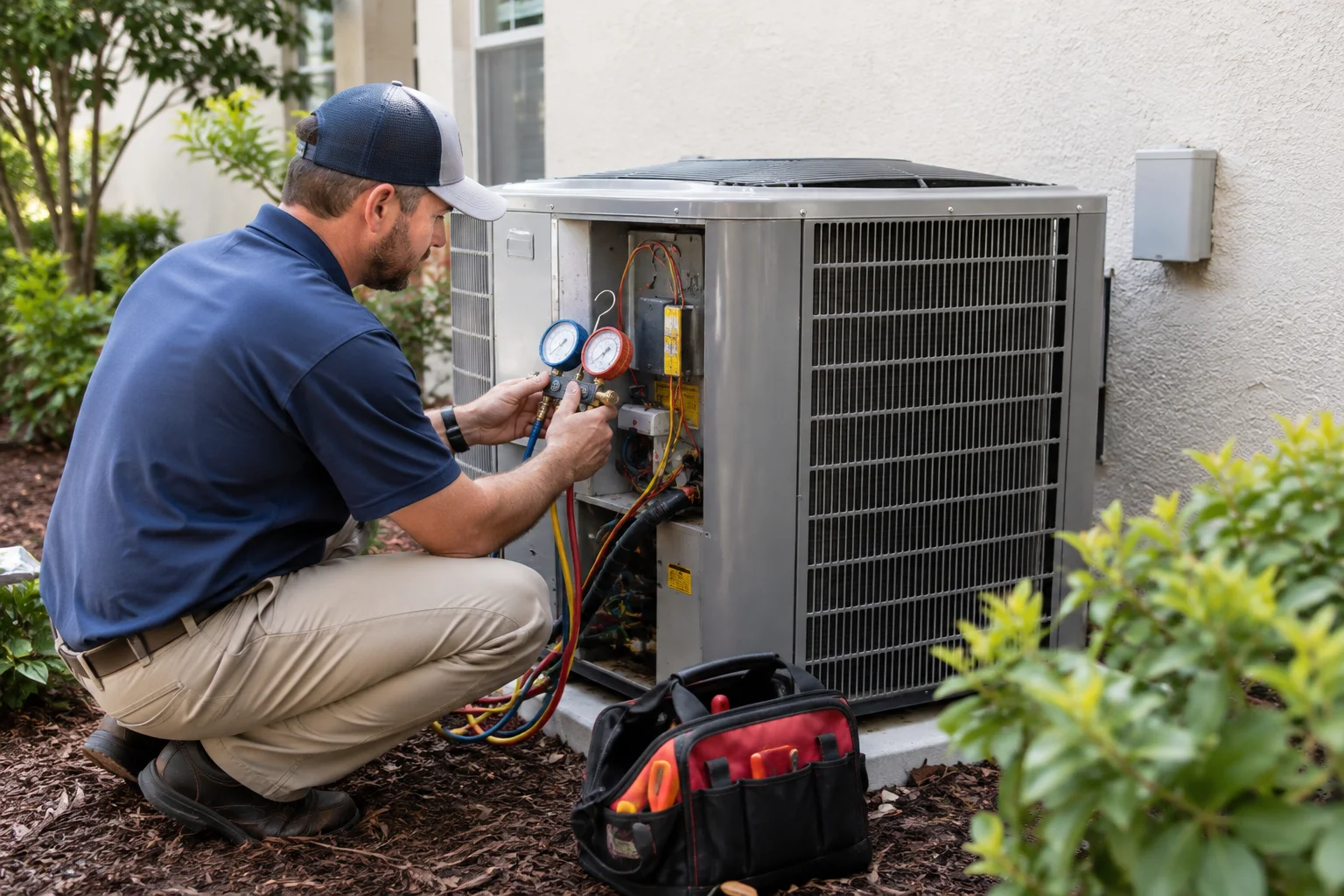
Heating control systems may look simple on the surface, but installation and setup can affect the entire HVAC system. A thermostat that is wired incorrectly, placed in the wrong location, or programmed without considering the home’s layout can create comfort problems that are hard to trace later. Zoning systems and integrated controls are even more dependent on proper design.
Professional service helps with compatibility, wiring, calibration, and programming. It also gives you a chance to ask whether your current equipment is the right match for the control system you want. In some cases, a control upgrade may be the best fix for an uncomfortable room. In others, it may make sense to pair the upgrade with air conditioning replacement or a repair if the equipment itself is aging or struggling.
For businesses and rental operators, dependable controls can also reduce complaints and service calls. If you manage a property that needs steady operation, you may find it helpful to read A Smarter Way to Approach Commercial HVAC Repair in Seagrove Beach, FL and Keeping Commercial HVAC Systems Reliable in Seagrove Beach Homes and Properties for more local HVAC perspective.
Local service makes the difference
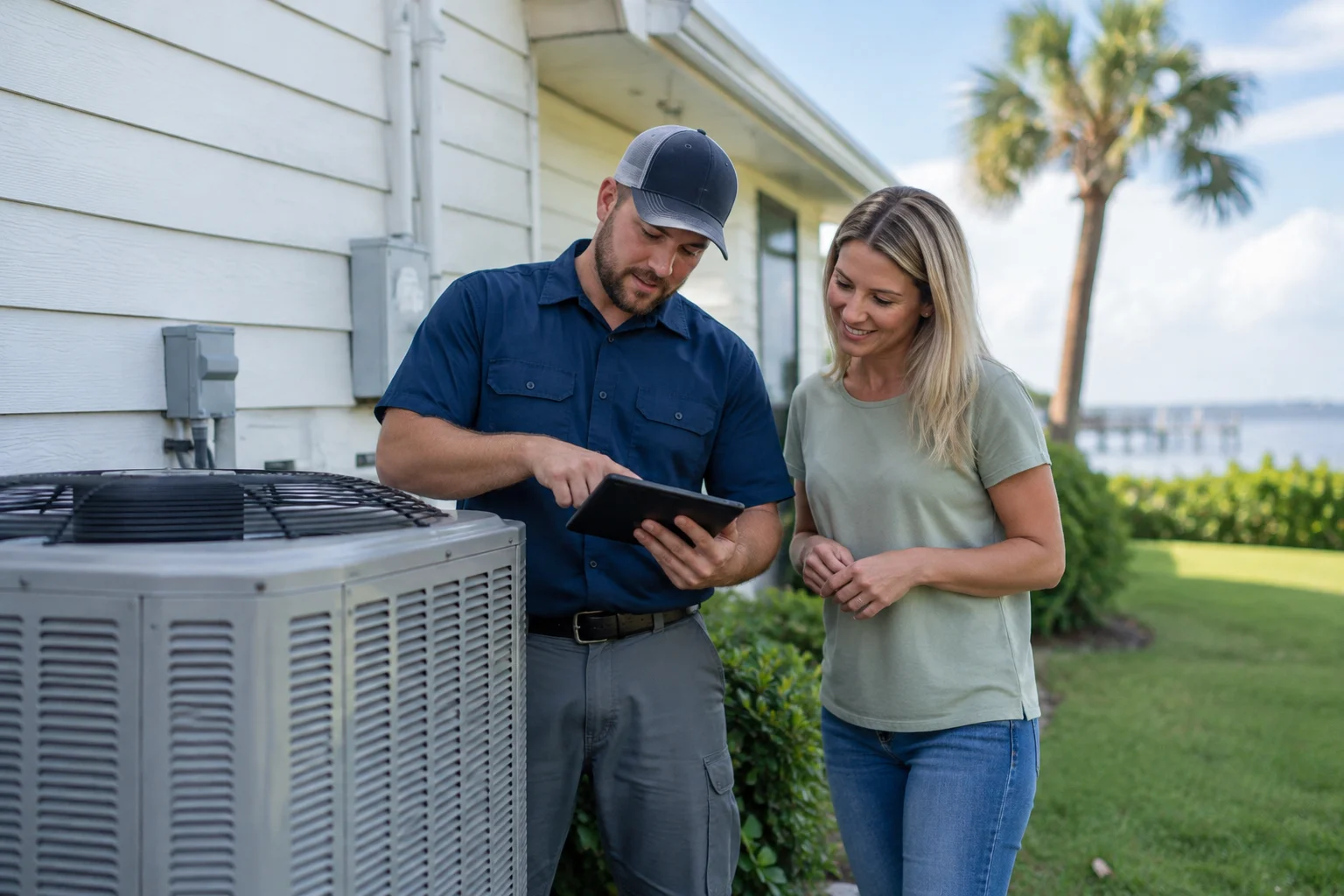
In Seagrove Beach, homeowners need more than a product recommendation. They need a system that works with coastal conditions, seasonal occupancy, and the layout of local homes. That is why working with a team that knows Walton County matters. A local technician can evaluate how your current controls are performing, recommend practical upgrades, and make sure the system is set up to deliver steady comfort without wasting energy.
A Superior Mechanical installs and upgrades heating control systems that fit the way Seagrove Beach properties are actually used. Whether you are looking for a smarter thermostat, better zoning, or a more responsive control setup, the goal is the same: make the home easier to manage and more comfortable to live in.
For homeowners comparing options now, the best next step is usually a site visit and a conversation about how the home behaves during different seasons. That gives you a clearer picture of what will improve comfort, reduce frustration, and support your HVAC system over time.
Find Heating Control Systems in Seagrove Beach, FL
If you need Heating Control Systems in Seagrove Beach, FL, visit our local service page or contact A Superior Mechanical today.
Map of Seagrove Beach, FL
Frequently Asked Questions
Do heating control systems matter in Seagrove Beach's mild climate?
Yes. Even in a mild coastal climate, heating controls help manage cool mornings, humidity, and uneven temperatures in beach homes. They also make it easier to control energy use in seasonal or vacation properties.
Is a smart thermostat enough for most homes?
For many homes, a smart thermostat is a strong upgrade. If your home has hot and cold spots, multiple floors, or different usage patterns, zoning or added sensors may be a better fit.
Can heating controls help with vacation rentals?
Yes. Remote access, scheduling, and temperature limits are especially helpful for rental owners who want to protect the property, reduce waste, and adjust settings between guest stays.
Should I replace my thermostat if the HVAC system is older?
Not always, but compatibility matters. Some older systems need wiring changes or may work better with a simpler control setup. A professional can check what your equipment supports before recommending an upgrade.
Related Articles
- A Smarter Way to Approach Commercial HVAC Repair in Seagrove Beach, FL
- Keeping Indoor Air Cleaner in Seagrove Beach Homes Starts With the Right HVAC Habits
- Keeping Commercial HVAC Systems Reliable in Seagrove Beach Homes and Properties
- How Local Weather Affects Ductless Mini-Splits in Seagrove Beach, FL
Photo Gallery