Latitude Margaritaville Watersound, FL is beautiful, but the air is demanding. Florida heat, high humidity, and coastal salt exposure can push HVAC systems to work harder than they should. When indoor air quality slips, homeowners often blame the thermostat, the filter, or “the AC just isn’t as cold as it used to be.” The truth is usually more connected: airflow, ductwork performance, condensate drainage, refrigerant system health, and indoor pollutants all influence comfort and system stress.
This guide focuses on smart indoor air quality testing for year round home protection. You will learn what to test, how to interpret results, and how proactive indoor air quality services can prevent the chain reaction that leads to HVAC repair, emergency cooling concerns, and premature system replacement.
Why indoor air quality testing matters in Watersound’s coastal climate
Coastal Bay County homes face a unique mix of factors that can affect both comfort and HVAC reliability:
- Humidity pressure: During Florida’s humid stretches, indoor relative humidity can rise faster than a cooling system can remove it, especially if airflow is restricted or the condensate drain is partially blocked.
- Salt air and corrosion: Coastal air can accelerate wear on outdoor components and contribute to buildup that affects heat transfer and airflow.
- Airflow changes across seasons: As temperatures shift, the same ductwork can deliver uneven comfort. That unevenness often shows up first as indoor air quality problems.
- Energy use and comfort tradeoffs: When indoor air quality is off, occupants tend to adjust thermostats more often, run fans longer, or overset temperatures, which can increase energy use.
Indoor air quality testing is a practical way to identify the root causes behind “comfort complaints.” It also supports preventive HVAC maintenance by showing where the system is not performing as intended, before the issue becomes an expensive repair.
What “smart” HVAC based indoor air quality testing looks like
Smart testing is not just a one time snapshot. It combines measurements with HVAC context. A professional indoor air quality testing process in Latitude Margaritaville Watersound should connect indoor readings to how your system moves air, handles moisture, and maintains temperature control.
Depending on your home and symptoms, testing may include:
- Humidity and moisture indicators: Indoor relative humidity and signs of moisture imbalance help explain condensation risk, musty odors, and comfort instability.
- Ventilation and airflow performance: Measurements that reflect how well supply air reaches living spaces and how effectively return air circulates.
- Airborne particle and contaminant indicators: Levels that can point to dust accumulation, filtration gaps, or ductwork related debris.
- Temperature comfort patterns: Room to room differences can suggest ductwork leakage, poor balancing, or airflow restrictions.
- System related observations: Filter condition, condensate drainage behavior, thermostat settings and operation, and general airflow across components.
For homeowners searching for indoor air quality services near me, the key is to choose a provider that treats testing as part of an HVAC diagnostic workflow, not as a standalone report.
Common indoor air quality problems that lead to HVAC repairs
Indoor air quality issues often create the same HVAC symptoms that show up during AC repair or air conditioning service visits. Here are a few patterns Bay County homeowners frequently notice:
High humidity that never seems to drop
If your home stays damp even when the AC runs, the system may not be removing moisture effectively. Causes can include restricted airflow, improper thermostat operation, ductwork limitations, or drainage problems that reduce dehumidification performance. Over time, excess moisture can contribute to microbial growth concerns and can also increase strain on HVAC components.
Dust buildup and “dirty air” complaints
When dust returns quickly after cleaning, it can point to filtration limitations, airflow bypass, or ductwork debris. Poor airflow can also cause the system to cycle in ways that do not support stable comfort. That instability can increase wear and lead to more frequent service calls.
Musty odors or damp spots
Musty smells can be tied to moisture in the system or in hidden areas. Condensate drainage matters here. If condensate drainage is slow or partially blocked, moisture can accumulate where it should not. A professional HVAC technician can evaluate drainage and airflow conditions during an indoor air quality testing visit, but you should not attempt to diagnose refrigerant systems or electrical issues based only on odor or humidity readings.
Uneven temperatures and hot or cold rooms
Uneven comfort is more than a nuisance. It can be a sign that ductwork is not delivering air as designed. When some areas get too much or too little airflow, the overall system can struggle to maintain indoor air quality targets and stable temperatures. That can increase energy use and raise the likelihood of breakdown during peak summer.
How testing connects to airflow, ductwork, and condensate drainage
In a Florida coastal home, airflow and moisture management are tightly linked. Indoor air quality testing helps you see how well the HVAC system is controlling both.
Airflow: the hidden driver of comfort and system stress
Airflow issues can reduce cooling performance, limit dehumidification, and cause the system to run longer than necessary. Filters that are overdue, ductwork restrictions, or blower performance problems can all reduce airflow. When airflow is weak, the system may not deliver the right temperature and humidity control to the spaces you actually live in.
If you are considering duct cleaning near me because of dust complaints, it helps to confirm whether the root cause is duct debris, filtration gaps, or airflow imbalance. Testing plus an HVAC inspection can clarify the most relevant next step. You can also read: Keeping Coastal Homes Comfortable Starts with Better Ductwork in Latitude Margaritaville Watersound.
Ductwork: leakage and imbalance show up as indoor air quality symptoms
Even if your AC is cooling, ductwork problems can cause uneven distribution. That can lead to localized humidity pockets, stale air, and rooms that never feel right. Coastal homes can also face challenges from aging ductwork, insulation wear, and airflow changes over time.
When indoor air quality testing points to uneven conditions, a technician can evaluate how your ductwork is performing and whether ductwork repairs or improvements are part of the solution.
Condensate drainage: moisture control that protects both air quality and equipment
Air conditioners remove moisture as they cool. That moisture must drain properly. If condensate drainage is restricted, water can accumulate and contribute to indoor air quality problems. It can also increase the risk of microbial growth and can contribute to system performance issues.
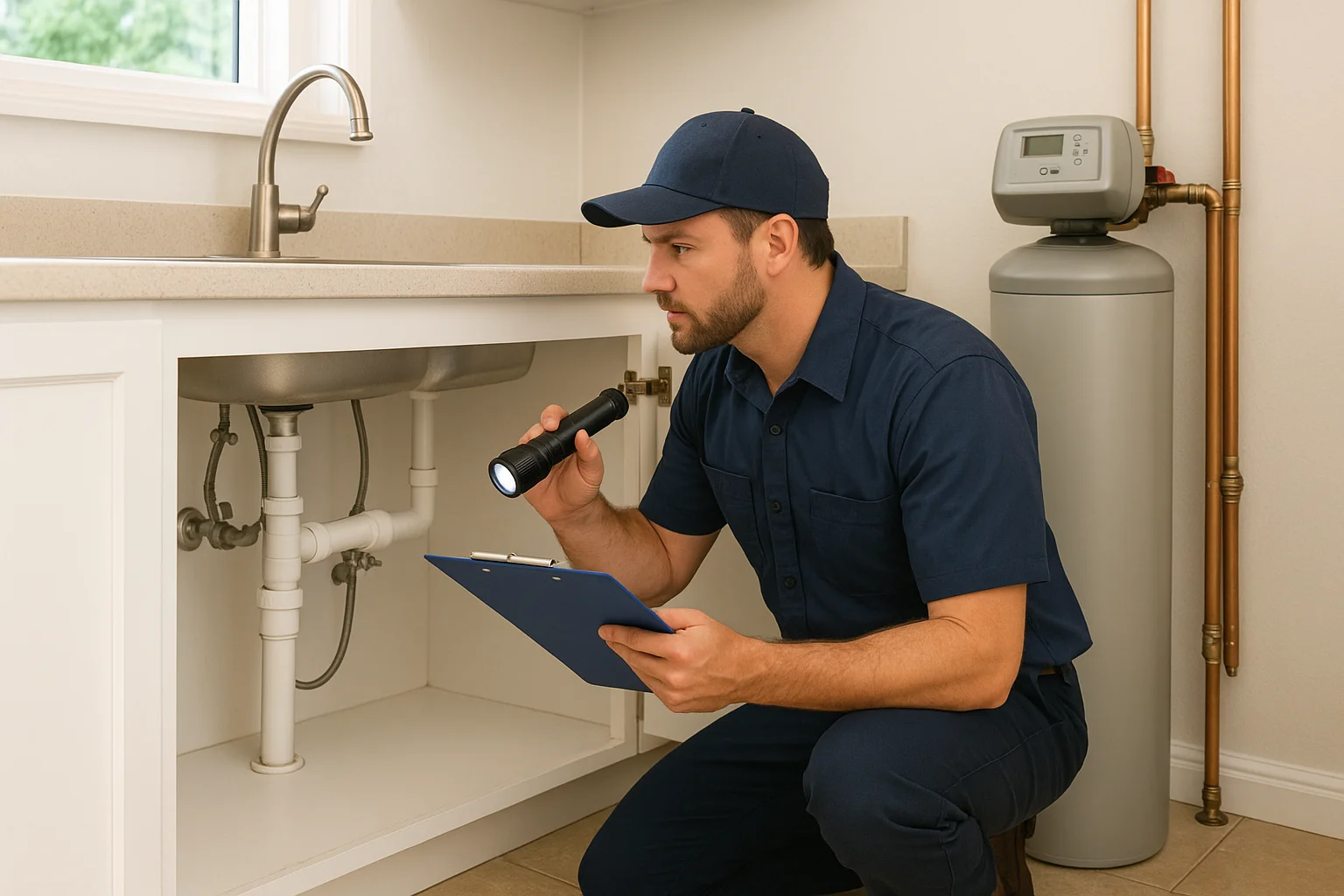
During indoor air quality testing, professionals often look for signs that drainage is not functioning as it should. If you suspect drainage issues, it is best handled by a qualified technician as part of a broader HVAC service plan, not a DIY fix.
Refrigerant systems and indoor air quality: what testing can and cannot confirm
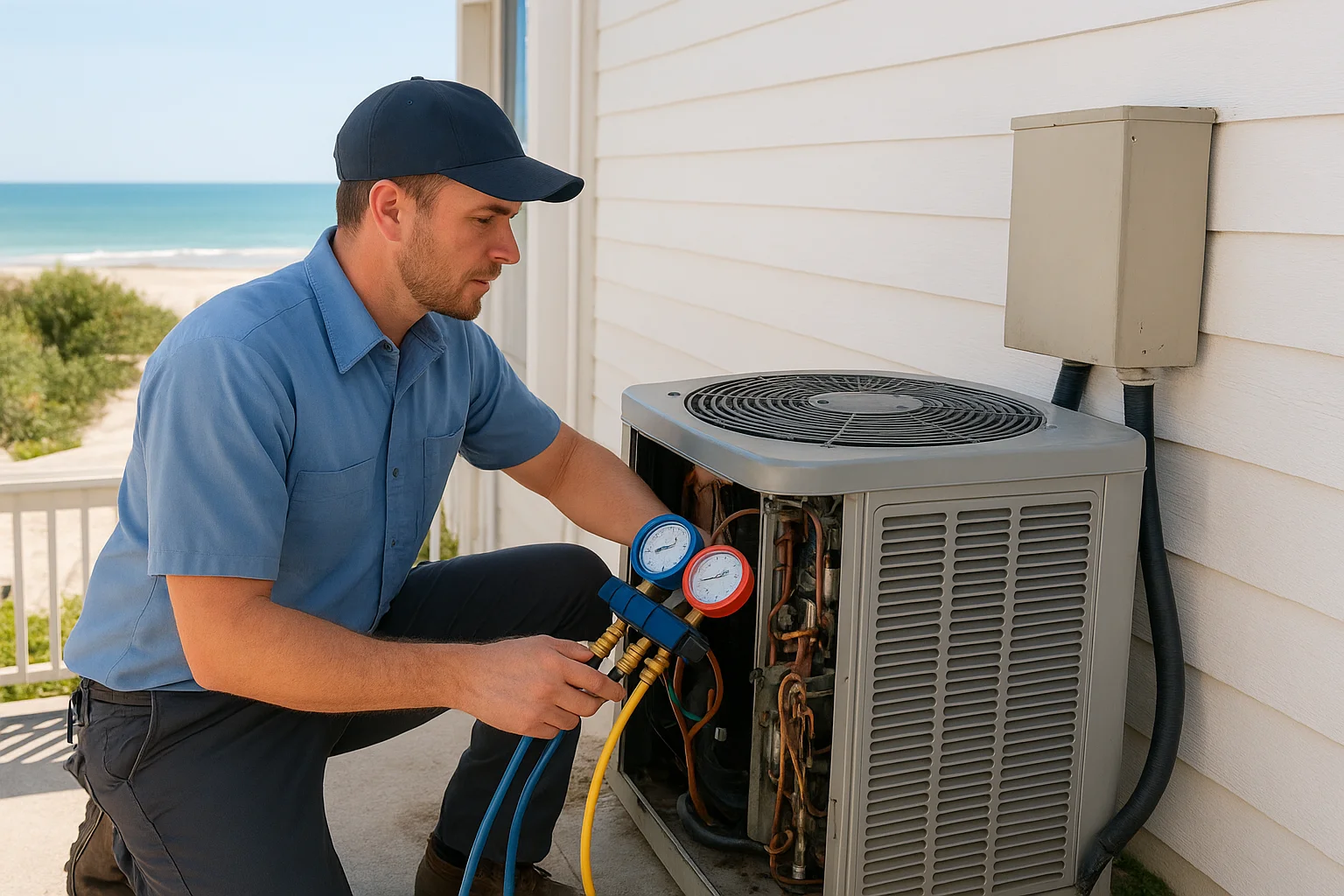
Homeowners sometimes connect indoor air quality problems directly to refrigerant. Refrigerant systems do affect temperature performance and cooling capacity, but readings alone do not confirm a refrigerant diagnosis.
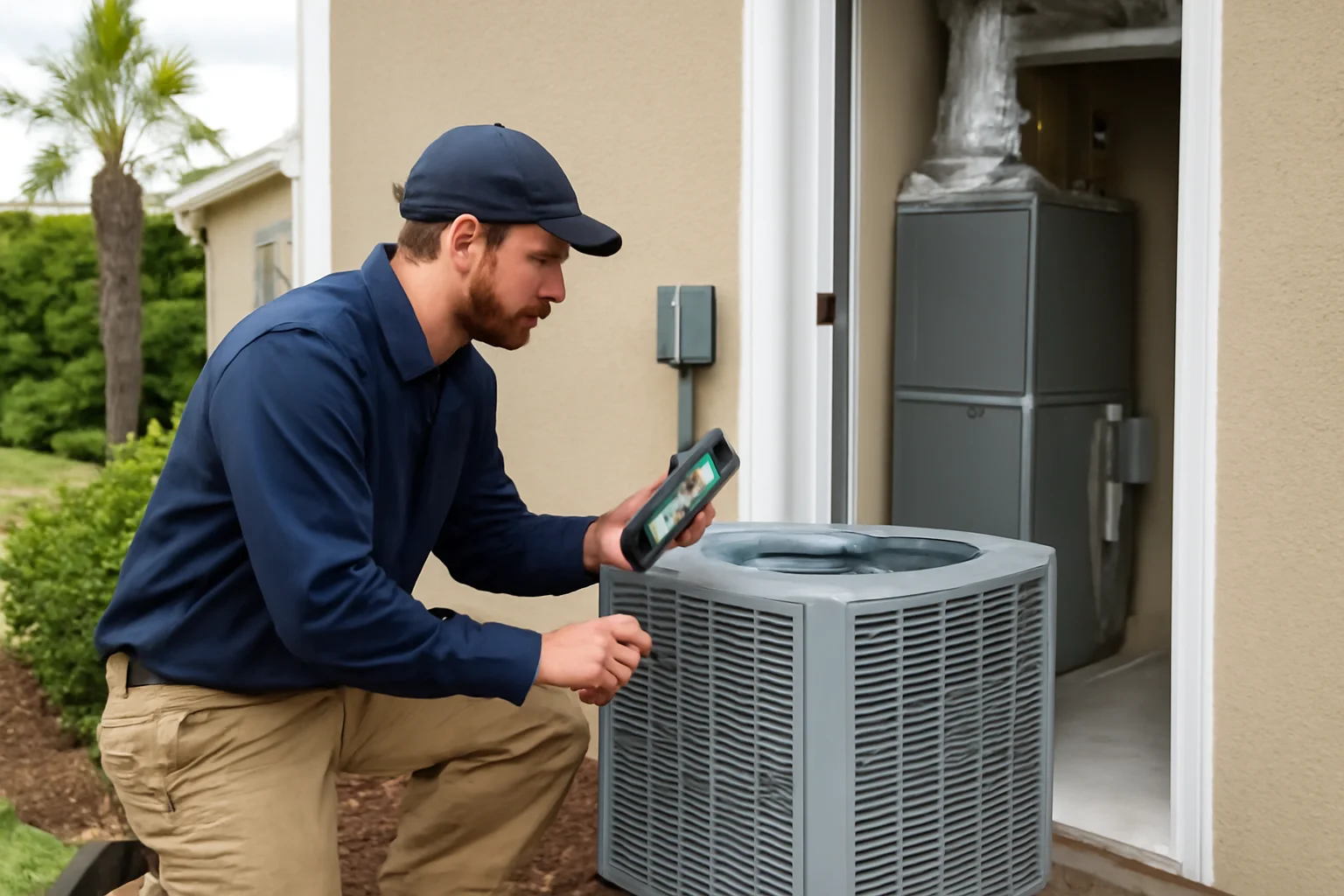
Indoor air quality testing can help identify whether comfort and moisture control are off. But refrigerant system health requires an in-person evaluation with appropriate tools and procedures. A licensed HVAC contractor can assess whether cooling performance issues are related to airflow, thermostat operation, condensate drainage, or refrigerant system conditions.
If you experience persistent comfort failures, it is reasonable to request an HVAC service inspection that includes both indoor conditions and system performance checks. That approach helps avoid unnecessary repairs and prevents the “guess and replace” cycle that can lead to costly outcomes.
Thermostats, humidity control, and why settings can change results
Thermostats are the control center for comfort. In humid Florida weather, the thermostat is not just about temperature. It also influences how the system cycles and how long it runs, which affects dehumidification.
Smart indoor air quality testing often includes verifying that thermostat settings match how you want the home to feel. For example:
- Fan mode: Continuous fan operation can change airflow patterns and how air is mixed, which can affect how humidity feels throughout the home.
- Cooling setpoints: Oversetting the thermostat can increase energy use and may not improve humidity control if airflow or drainage is restricted.
- Humidity related comfort: Some systems and thermostat setups are better suited for humid climates than others, especially when airflow and duct distribution are uneven.
If you are searching for thermostat installation near me or thermostat troubleshooting, it is smart to pair thermostat evaluation with indoor air quality testing. That way, you can confirm the control strategy aligns with actual comfort and air quality conditions.
Year round testing strategy for Watersound homes
Instead of waiting for a problem, plan testing around how Florida weather affects your system. A practical approach is to think in seasons and in symptoms.
Before peak cooling season
Schedule an indoor air quality focused HVAC inspection and testing before the hottest weeks. This helps identify humidity control weaknesses, airflow limitations, and ductwork issues before they lead to emergency cooling concerns.
It also supports preventive HVAC maintenance, because you can address filtration, airflow, and drainage risks while the system is still operating smoothly.
Mid summer when humidity is highest
If you notice dampness, musty smells, or rooms that feel “stuck,” mid summer testing can confirm whether the system is removing moisture effectively and distributing air properly. This is also a good time to evaluate energy use patterns, since humidity problems often cause longer run times and more frequent thermostat adjustments.
Shoulder seasons for airflow and ventilation balance
Temperatures change quickly in Florida. Testing during shoulder months can help identify whether airflow and ventilation are stable, and whether ductwork delivers consistent comfort. These checks can reduce the chance of a surprise AC repair call when the weather flips.
Winter and spring checks for lingering moisture concerns
Even when outdoor temperatures cool, coastal humidity can remain a factor. If you notice odors, condensation, or persistent dust, a testing visit can help confirm whether indoor air quality issues are tied to moisture control, airflow distribution, or system performance.
How indoor air quality testing helps you avoid costly HVAC repairs
Most expensive HVAC repairs do not start as catastrophic failures. They start as small performance gaps that grow over time. Indoor air quality testing helps you spot those gaps earlier.
It reduces guesswork during HVAC repair near me searches
When homeowners look for HVAC repair near me, they often arrive with a symptom, not a cause. Testing and inspection can help narrow the issue to airflow, moisture control, filtration performance, or system operation patterns. That can reduce the risk of repeated visits without clear progress.
It protects condensate drainage and moisture management
Moisture problems can escalate quickly in humid climates. If condensate drainage is not functioning correctly, it can affect indoor air quality and increase equipment stress. Addressing drainage and airflow conditions as part of an indoor air quality testing plan helps prevent the cycle of recurring complaints and repeated service calls.
It supports energy efficiency by stabilizing comfort
When indoor air quality is off, comfort becomes inconsistent. Homeowners often respond by changing thermostat behavior. Over time, that can increase energy use and contribute to higher system run hours. Better measurements and targeted recommendations help align system operation with real comfort needs.
It helps you plan system replacement decisions more thoughtfully
System replacement is not something to rush, but it is also not something to ignore when performance repeatedly fails. Testing can provide useful context about comfort control and moisture management. If the system is struggling to maintain indoor air quality targets, a professional HVAC company can evaluate whether repairs are likely to restore performance or whether replacement should be discussed.
For homes considering larger upgrades, you can explore related options such as Air Conditioning Installation or Heating Services as your comfort needs evolve.
What to ask during your indoor air quality testing appointment
If you want results that actually help you prevent HVAC problems, come prepared with questions. A good technician will explain what they plan to measure and how it relates to HVAC performance.
- Which indoor air quality readings are most relevant for my symptoms?
- How will you connect those results to airflow, ductwork, and condensate drainage?
- Should we review thermostat settings and operating modes during testing?
- Do my comfort complaints suggest uneven distribution or ventilation imbalance?
- What preventive HVAC maintenance steps should I prioritize based on the results?
If you manage a larger property, you can also ask about Commercial HVAC Services, since indoor air quality needs can differ for businesses and shared spaces.
When indoor air quality testing is especially important
Some situations make testing more urgent. If any of these apply, prioritize an appointment:
- Persistent humidity or damp odors that return after cleaning
- Frequent filter changes that do not improve comfort
- Rooms that are consistently warmer or colder than the rest
- Visible or recurring dust buildup on surfaces
- Older ductwork or a system that has been running longer than usual
- Anyone in the home has sensitivity concerns related to airborne irritants
These issues are also the kind that can lead to emergency cooling concerns if the system fails during the hottest stretch. Testing supports preventive HVAC maintenance before the peak demand period.
Why professional local HVAC service matters in Bay County
Coastal conditions can change how HVAC systems age. Salt air can contribute to corrosion, humidity can stress moisture management, and ductwork in coastal homes can develop performance issues over time. That is why homeowners searching for a licensed HVAC contractor near me should choose a team that understands local conditions and can evaluate your system in person.
A Superior Mechanical offers indoor air quality testing in Latitude Margaritaville Watersound designed to help identify hidden air concerns and improve comfort. If you want to explore the broader service area, visit Latitude Margaritaville Watersound services or Bay County HVAC services.
Related reading for homeowners focused on air and comfort
If you want to connect indoor air quality testing to practical HVAC improvements, these articles can help:
- Indoor Air Quality Testing That Helps Inlet Beach Homes Stay Comfortable Longer
- Why Seaside Homes Benefit From Indoor Air Quality Testing Before Comfort Issues Spread
- Why Better Indoor Air Quality Testing Matters for Upper Grand Lagoon Homes
Keep your system protected with preventive HVAC maintenance and smart upgrades
Indoor air quality testing works best when it is paired with routine preventive HVAC maintenance. That can include filter management, airflow checks, and attention to condensate drainage behavior. When homeowners combine testing with a maintenance plan, they often catch problems earlier, before the system starts to struggle during the hottest Florida weeks.
Some homes also benefit from air cleaning approaches such as whole home air purifier solutions or air scrubber installation, but those recommendations should be tied to your indoor air quality test results and your HVAC system’s airflow capacity. A professional HVAC company can help you choose options that match your ductwork and system operation rather than adding devices that do not address the actual cause.
If you are exploring comfort upgrades beyond standard cooling and heating, you may also want to compare options that can change how your home manages energy and comfort, including Geothermal Energy where appropriate.
What to do if you are already worried about emergency cooling concerns
If your AC is struggling, do not wait for the next heat wave. Start by scheduling HVAC service that includes both indoor comfort and system performance evaluation. Testing can help you understand what is happening with indoor air quality and how it relates to airflow, humidity control, and condensate drainage. That information supports a more accurate plan, whether the next step is preventive maintenance, targeted repairs, or discussion of long term system strategy.
For homeowners searching for emergency AC repair near me, the best time to plan is before an emergency. Proactive indoor air quality testing can reduce the odds of a mid summer breakdown and help keep your home feeling stable when outdoor conditions are at their most intense.
If you are ready to measure what is going on inside your home, schedule indoor air quality testing with A Superior Mechanical in Latitude Margaritaville Watersound. You will get clear guidance tied directly to HVAC performance, so you can protect comfort all year and avoid costly repair surprises.
Find Indoor Air Quality Testing in Latitude Margaritaville Watersound, FL
If you need Indoor Air Quality Testing in Latitude Margaritaville Watersound, FL, visit our local service page or contact A Superior Mechanical today.
Map of Latitude Margaritaville Watersound, FL
Frequently Asked Questions
How often should I schedule indoor air quality testing in Latitude Margaritaville Watersound?
Many homeowners benefit from testing before peak cooling season and again during the humid summer period, especially if you notice persistent humidity, musty odors, or uneven temperatures. Your HVAC contractor can recommend timing based on your system and symptoms.
Can indoor air quality testing confirm a refrigerant problem?
Indoor air quality testing can show comfort and moisture control issues, but it does not replace an in-person refrigerant system evaluation. A licensed HVAC contractor should assess refrigerant systems using proper procedures and tools before recommending any repair.
Why does humidity affect HVAC repair risk in Florida?
High humidity increases the chance of moisture imbalance and can stress the system’s ability to dehumidify. When airflow or condensate drainage is limited, moisture can build up and contribute to indoor air quality problems, which can lead to more frequent repairs.
What HVAC issues are most connected to indoor air quality in coastal homes?
Airflow and ductwork performance, condensate drainage, thermostat operation, filtration effectiveness, and how the system handles moisture are common connections. In coastal Bay County homes, salt air can also contribute to corrosion and performance decline over time.
Is duct cleaning the right first step for air quality problems?
Duct cleaning can help in certain situations, but it should follow an HVAC assessment. Indoor air quality testing can clarify whether the main issue is airflow restriction, filtration gaps, ductwork debris, or moisture control, so you avoid unnecessary work.
Related Articles
- Keeping Coastal Homes Comfortable Starts with Better Ductwork in Latitude Margaritaville Watersound
- Indoor Air Quality Testing That Helps Inlet Beach Homes Stay Comfortable Longer
- Why Seaside Homes Benefit From Indoor Air Quality Testing Before Comfort Issues Spread
- Why Better Indoor Air Quality Testing Matters for Upper Grand Lagoon Homes
Photo Gallery