Latitude Margaritaville Watersound, FL is beautiful year round, but the indoor comfort challenges are real. Florida heat, persistent humidity, and the added impact of coastal salt air can push HVAC systems harder than many homeowners expect. When indoor air quality (IAQ) problems build up slowly, they often show up later as higher energy use, chronic comfort complaints, and air conditioning repairs that could have been prevented with earlier testing.
This guide explains what indoor air quality testing involves, why it matters in Watersound and Bay County, and how it connects to HVAC performance, ductwork, thermostats, condensate drainage, and humidity control. If you are looking for indoor air quality testing in Latitude Margaritaville Watersound, FL, this article will help you understand the process before you commit.
Why indoor air quality testing matters more in coastal Bay County
In much of Florida, the air inside your home can become a “partner” to the weather outside. Warm temperatures, high moisture levels, and salt air from the coast can affect how your system cools and dries the home. Even if your air conditioner runs, indoor air can still feel stale, humid, or irritating because HVAC comfort is not only about temperature.
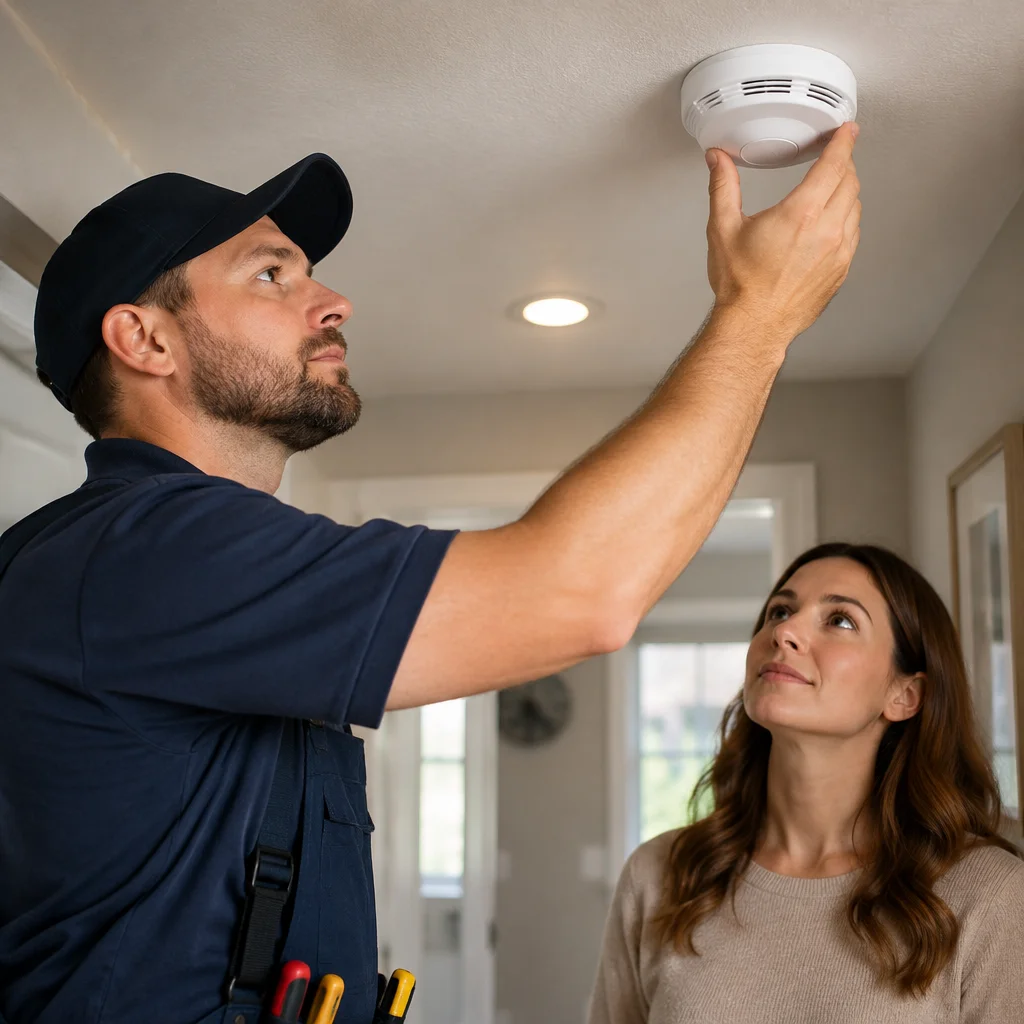
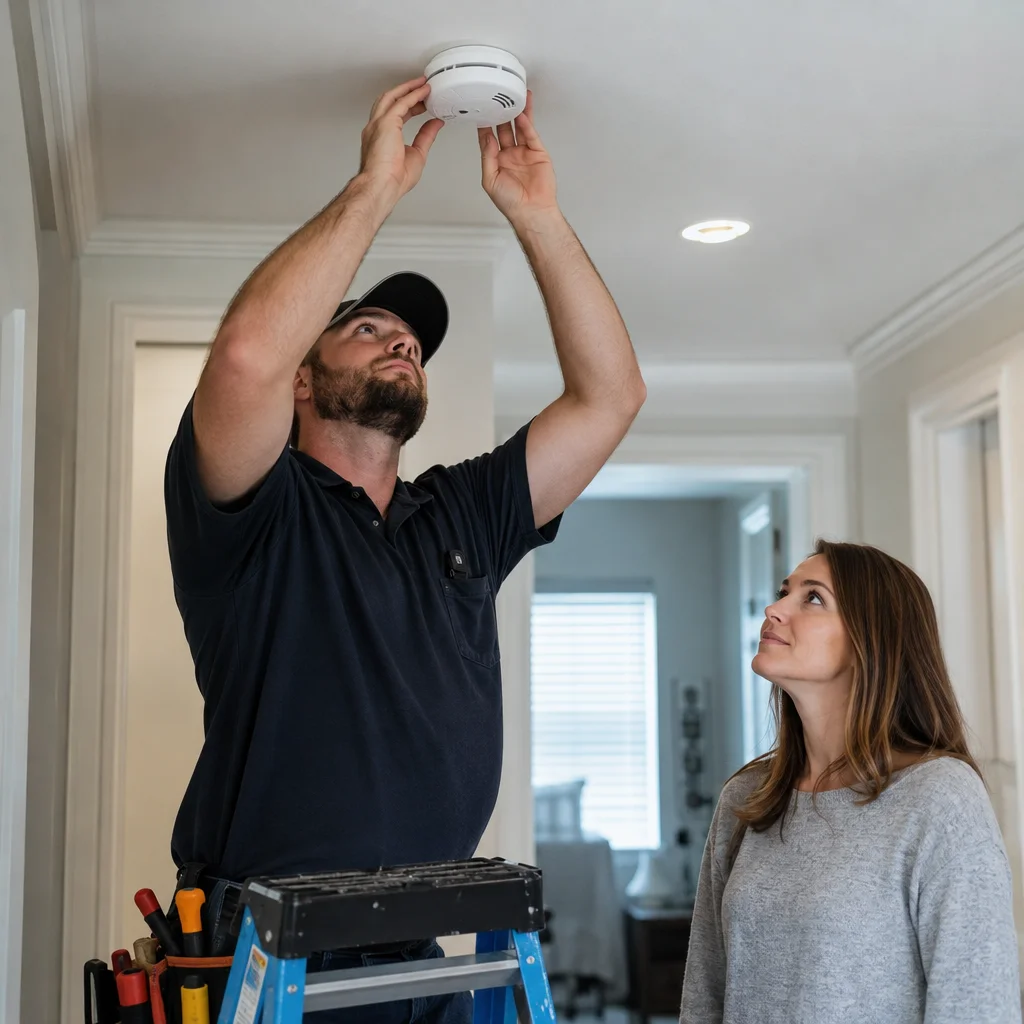
Indoor air quality testing helps you see what is happening inside, including how well your air is being filtered, how evenly air moves through ductwork, and whether humidity and contaminants are accumulating. In coastal communities like Latitude Margaritaville Watersound, those issues can be more persistent because moisture loads can stay high for longer parts of the year.
Testing also helps you avoid the “guess and replace” cycle. When homeowners try to solve comfort issues without understanding the root cause, they may end up paying for repeated indoor air quality services near me calls, emergency cooling visits, or unnecessary system replacement. A professional IAQ approach connects air quality findings to HVAC operation, not just to symptoms.
What indoor air quality testing can reveal in a Watersound home
Indoor air quality is broader than one measurement. A good testing plan typically considers several comfort and health factors, then ties them back to your HVAC system and home setup. Common areas IAQ testing helps evaluate include:
- Humidity and moisture control: High indoor humidity can make the home feel warmer than the thermostat setting suggests. It can also encourage microbial growth and worsen respiratory irritation.
- Airflow and distribution: Even if your AC is producing cool air, poor airflow can leave rooms under-conditioned. This can also increase system strain because the equipment may run longer to reach set points.
- Filtration performance: If your filter setup is not matching the system and the home’s needs, particles can recirculate. This shows up as dust, odors, and reduced comfort.
- Ventilation balance: Homes that are too tight or have ventilation that is out of balance can trap stale air or increase humidity.
- Condensate drainage and moisture pathways: When condensate drainage is restricted or improperly managed, moisture can build up around the system or in nearby areas.
Because every home is different, testing should be tailored to your living space, your HVAC configuration, and your comfort concerns. A professional evaluation can also help determine whether the issue is primarily an HVAC performance problem, a ductwork problem, or an indoor moisture issue.
How Florida heat and humidity drive IAQ problems
Florida summers do not just raise outdoor temperatures. They also raise indoor humidity loads. When humidity stays elevated, your air conditioner may keep the temperature near your thermostat setting, but it may not remove moisture effectively. That is when you can feel clammy, see condensation, or notice musty odors.
Humidity control is closely connected to how refrigerant systems operate. If the system is not cooling and dehumidifying as intended, indoor air can remain damp even while the house feels “cool enough.” Over time, excess moisture can affect:
- Comfort and sleep quality
- Allergy triggers and irritants
- Potential microbial growth in areas with moisture exposure
- How hard your HVAC system has to work to maintain temperature
In Watersound, where many homes are designed for coastal living and comfort, humidity control becomes a year-round consideration, not a single summer problem. That is why homeowners searching for whole home dehumidification often start with IAQ testing or a moisture-focused HVAC inspection.
Salt air and outdoor conditions can affect indoor comfort
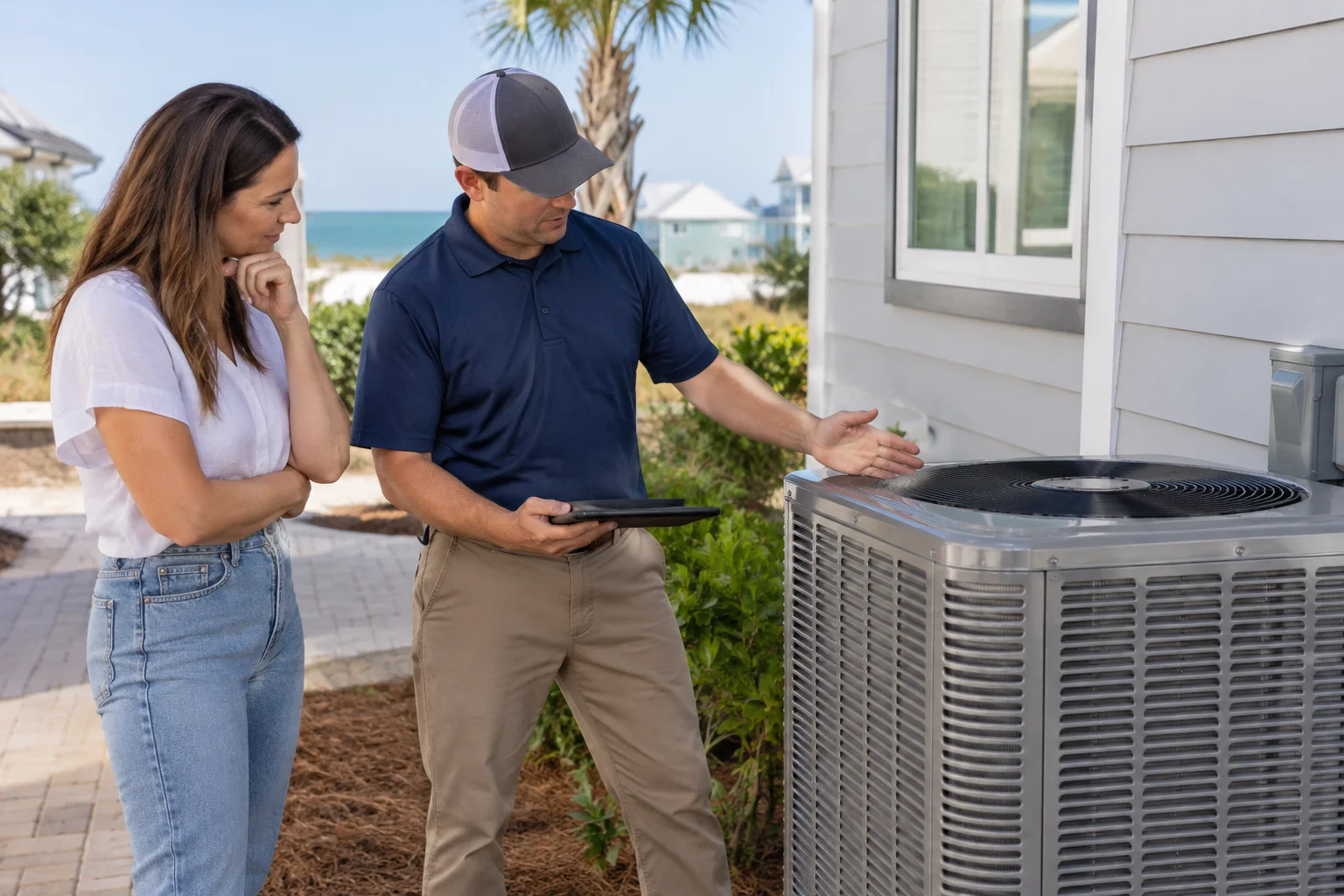
Coastal air can be corrosive. While IAQ testing is focused on indoor conditions, it still connects to outdoor influences because your HVAC system works as a complete system. Salt air can contribute to corrosion on outdoor components and can increase the need for proper maintenance, especially if your home is exposed to sea breezes.
Corrosion and buildup can influence airflow, heat transfer, and system efficiency. If your system has to work harder to cool, it can also increase indoor humidity if the cycle does not remove moisture effectively. That is another reason a professional HVAC contractor should interpret IAQ results alongside system performance observations.
Airflow and ductwork: where comfort and IAQ often break down
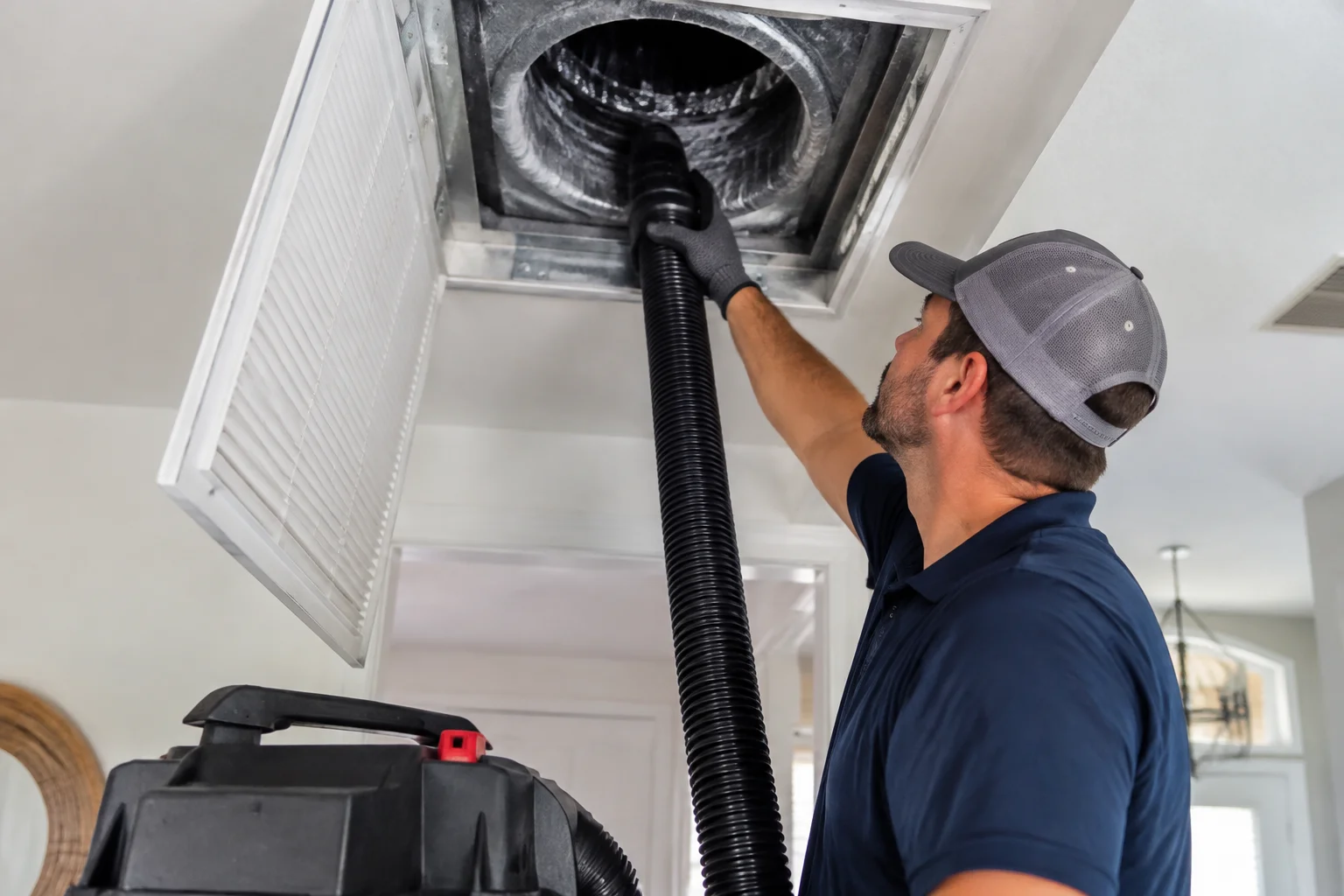
Many indoor air quality complaints trace back to airflow and ductwork. A home can have a properly sized AC, but still feel uncomfortable if air distribution is uneven. One room may be too cold while another feels muggy. Dust can accumulate in certain areas. Odors can linger in specific zones.
Ductwork issues that can affect IAQ include:
- Leaks that pull in unconditioned air
- Disconnected or poorly sealed sections
- Blocked or restricted supply returns
- Inadequate airflow for the system’s design
- Improper duct sizing for the home’s layout
If you are searching for duct inspection near me because certain rooms never feel right, that is a strong clue that IAQ and HVAC performance are linked in your home. Testing can help confirm whether the comfort problem is tied to distribution and ventilation rather than only to temperature.
Thermostats, zoning, and how settings can mask the real issue
Modern thermostats are more than temperature controllers. They can influence how long the system runs, how it cycles, and how it balances comfort. In some homes, the thermostat may be set to maintain temperature while the system does not run long enough to adequately dehumidify. In other cases, zoning or multi-stage equipment may be operating in a way that leaves certain areas under-conditioned.
When indoor air quality testing is paired with a thermostat and system review, it can help answer questions like:
- Is the system running long enough to manage humidity?
- Are some zones consistently receiving less airflow?
- Are comfort settings causing the system to short-cycle?
Homeowners thinking about heat pump installation near me or upgrading controls should still plan for an IAQ and airflow assessment. Even the best equipment can struggle if airflow and moisture management are not aligned with the home.
Condensate drainage: the hidden moisture risk
Air conditioning does not only cool your home. It also removes moisture as refrigerant passes through the cooling process. That moisture typically drains through condensate lines and a drainage system. If condensate drainage is restricted, misrouted, or not functioning properly, water can accumulate where it should not.
Moisture around the HVAC system can lead to odors and discomfort, and it can worsen indoor air quality over time. IAQ testing can help identify patterns that point toward moisture control problems, but a professional still needs to inspect condensate drainage in person. If you notice:
- Musty smells that return after cooling cycles
- Water around the unit or in the vicinity
- Unexpected dampness in nearby areas
those are reasons to schedule an HVAC inspection and IAQ evaluation before a small issue becomes an emergency cooling concern during peak summer heat.
How indoor air quality issues become expensive over time
It is easy to treat IAQ problems as a “comfort nuisance” until the HVAC system starts costing more. When moisture and airflow are not managed well, the system often runs longer or cycles more frequently. That increases energy use and can accelerate wear on components.
Common cost drivers homeowners see when IAQ issues are ignored include:
- Higher utility bills due to longer run times
- More frequent AC repair needs because the system operates under stress
- Premature component wear from persistent imbalance
- Emergency service calls when the system fails during the hottest weeks
Professional testing helps you avoid the “wait until it breaks” approach. If you are searching for HVAC maintenance near me, pairing maintenance with IAQ awareness can help keep comfort stable and reduce the likelihood of mid-summer surprises.
Preventive HVAC maintenance that supports better indoor air quality
Indoor air quality testing is not a one-time cure-all. The best outcomes come from combining testing with preventive HVAC maintenance. In a coastal Florida home, maintenance should include attention to moisture control, airflow, and system operation.
Ask your technician to discuss maintenance items that can affect IAQ, including:
- Filter condition and proper filter selection for your system
- Assessment of ductwork airflow pathways and sealing concerns
- Inspection of condensate drainage and moisture management
- Verification of thermostat behavior and system cycling
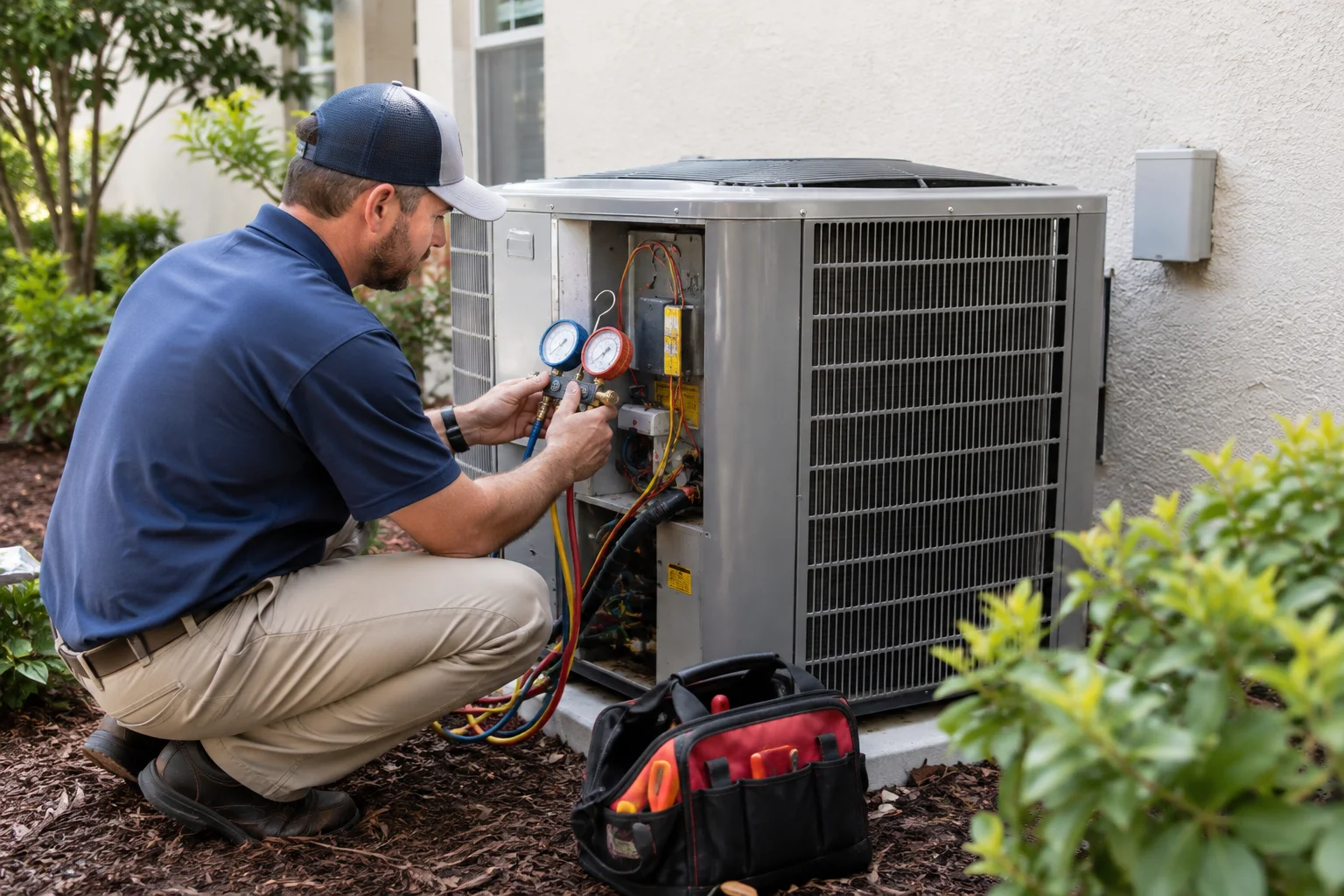
- Operational checks of refrigerant systems and cooling performance during evaluation
Maintenance is also where a local HVAC company can catch early issues tied to coastal wear. Salt air exposure and Florida humidity can make buildup and corrosion more likely, and catching problems sooner helps keep systems running efficiently.
What to look for in an HVAC contractor offering IAQ testing
Not every HVAC company approaches indoor air quality the same way. When you are choosing an HVAC company near me for indoor air quality services, look for a process that connects IAQ findings to HVAC operation.
A strong IAQ evaluation should include:
- An interview about symptoms, comfort complaints, and seasonal patterns
- A review of HVAC equipment type and how the system is currently operating
- Consideration of ductwork and airflow distribution in the home
- Moisture and humidity-focused discussion tied to HVAC cooling and condensate drainage
- Clear, understandable recommendations that are practical for your home
Be cautious of anyone who promises an instant fix without a physical inspection. IAQ testing results should guide next steps, not replace them. Refrigerant system performance, condensate drainage conditions, and thermostat behavior are all things that require in-person evaluation. A professional should not claim a refrigerant diagnosis or equipment replacement is appropriate without seeing the system.
Related comfort upgrades that often pair with IAQ testing
Some homeowners improve indoor air quality by improving humidity control and air distribution. Depending on your test results and HVAC layout, your contractor may discuss options such as:
- Whole home dehumidification: Helpful when humidity remains high even with normal cooling.
- Ductwork improvements: If airflow is uneven, sealing and balancing can make comfort more consistent.
- Heat pump or system configuration considerations: If your home’s comfort needs have changed, the right system design matters.
- Multi-zone approaches: For larger homes or layouts where rooms behave differently.
If you are considering these upgrades, it helps to start with a clear understanding of your indoor air quality. You can also explore how ductwork and IAQ connect by reading Indoor Air Quality Testing That Helps Inlet Beach Homes Stay Comfortable Longer and Why Seaside Homes Benefit From Indoor Air Quality Testing Before Comfort Issues Spread.
For homes that use advanced systems, you may also find it useful to review VRF Multi-Zone Systems and how zoning can influence airflow and humidity management.
When to schedule indoor air quality testing in Watersound
Homeowners often wait until comfort problems are obvious. If you want to prevent expensive HVAC issues, earlier testing can be the smarter move. Consider scheduling an indoor air quality evaluation if you notice:
- Humidity feels high even when temperatures are set correctly
- Rooms have uneven comfort or persistent hot and cold spots
- Dust, odors, or irritation seem to worsen during peak cooling months
- Airflow feels weak from vents or returns
- Condensate drainage seems questionable or you notice dampness
Testing can also be a proactive step if you are planning a major HVAC change, such as new AC installation or heat pump installation. It is easier to design comfort and indoor air quality improvements when you understand your home’s airflow and moisture patterns ahead of time.
If you are searching for new AC installation near me or heat pump installation near me, ask your contractor whether IAQ testing is part of the planning process. In coastal Florida, that planning can reduce the chance of paying for repairs that stem from indoor humidity or airflow imbalance.
Emergency cooling concerns: why early IAQ work helps
During the hottest periods, HVAC problems can escalate quickly. A system that is already struggling with humidity removal, airflow distribution, or moisture management can be more likely to fail when demand spikes. Homeowners dealing with “it just won’t cool right” often end up calling for air conditioning repair near me at the least convenient time.
Indoor air quality testing supports earlier detection of comfort and moisture issues that can strain HVAC systems. While testing cannot prevent every breakdown, it can help you address the conditions that lead to discomfort and repeated service calls.
Start with the right assessment for your Latitude Margaritaville Watersound home
Latitude Margaritaville Watersound homes are built for lifestyle, but Florida weather puts real demands on air conditioning, humidity control, and ductwork performance. Indoor air quality testing helps you connect the dots between what you feel indoors and what your HVAC system is doing behind the scenes.
If you want professional indoor air quality testing in Latitude Margaritaville Watersound, FL, A Superior Mechanical can help you evaluate indoor conditions and connect them to HVAC performance. You can review the service details on the indoor air quality testing page, or learn more about local coverage on the Latitude Margaritaville Watersound service area page and Bay County service area.
For homeowners who also want to improve comfort through better airflow, ductwork, and humidity management, you can explore additional resources like Why Better Indoor Air Quality Testing Matters for Upper Grand Lagoon Homes and the ductwork-focused article linked above.
Find Indoor Air Quality Testing in Latitude Margaritaville Watersound, FL
If you need Indoor Air Quality Testing in Latitude Margaritaville Watersound, FL, visit our local service page or contact A Superior Mechanical today.
Map of Latitude Margaritaville Watersound, FL
Frequently Asked Questions
What does indoor air quality testing include for a Florida home?
Indoor air quality testing is typically focused on comfort and health factors inside the home, such as humidity levels, airflow and distribution concerns, and how well the HVAC system and filtration are supporting indoor air. A professional evaluation also looks for connections to HVAC operation, ductwork performance, and moisture management like condensate drainage.
Can high humidity be the reason my AC feels like it runs but my home still feels damp?
Yes. In coastal Florida conditions, an air conditioner can maintain temperature while indoor humidity stays elevated if the system is not dehumidifying effectively or if airflow and duct distribution are not working as intended. IAQ testing helps confirm what is happening and guides the next steps.
Will indoor air quality testing tell me if my refrigerant system is the problem?
IAQ testing can help identify comfort and moisture patterns, but it should not replace an in-person HVAC inspection. Refrigerant system performance needs direct evaluation by a professional, and recommendations should be based on what is found on site.
How does ductwork affect indoor air quality in Latitude Margaritaville Watersound homes?
Ductwork affects how air is delivered and returned. If there are leaks, restrictions, or poor distribution, some rooms may receive less conditioned air, and the home may not ventilate or filter evenly. That can make humidity control and indoor air quality harder to maintain.
When should I schedule indoor air quality testing instead of waiting for an AC repair?
Consider testing when you notice persistent humidity, uneven comfort, recurring odors, dust buildup, or irritation that worsens during cooling season. Addressing underlying airflow and moisture issues earlier can help reduce the likelihood of repeated service calls and emergency cooling concerns.
Related Articles
- Keeping Coastal Homes Comfortable Starts with Better Ductwork in Latitude Margaritaville Watersound
- Indoor Air Quality Testing That Helps Inlet Beach Homes Stay Comfortable Longer
- Why Seaside Homes Benefit From Indoor Air Quality Testing Before Comfort Issues Spread
- Why Better Indoor Air Quality Testing Matters for Upper Grand Lagoon Homes
Photo Gallery